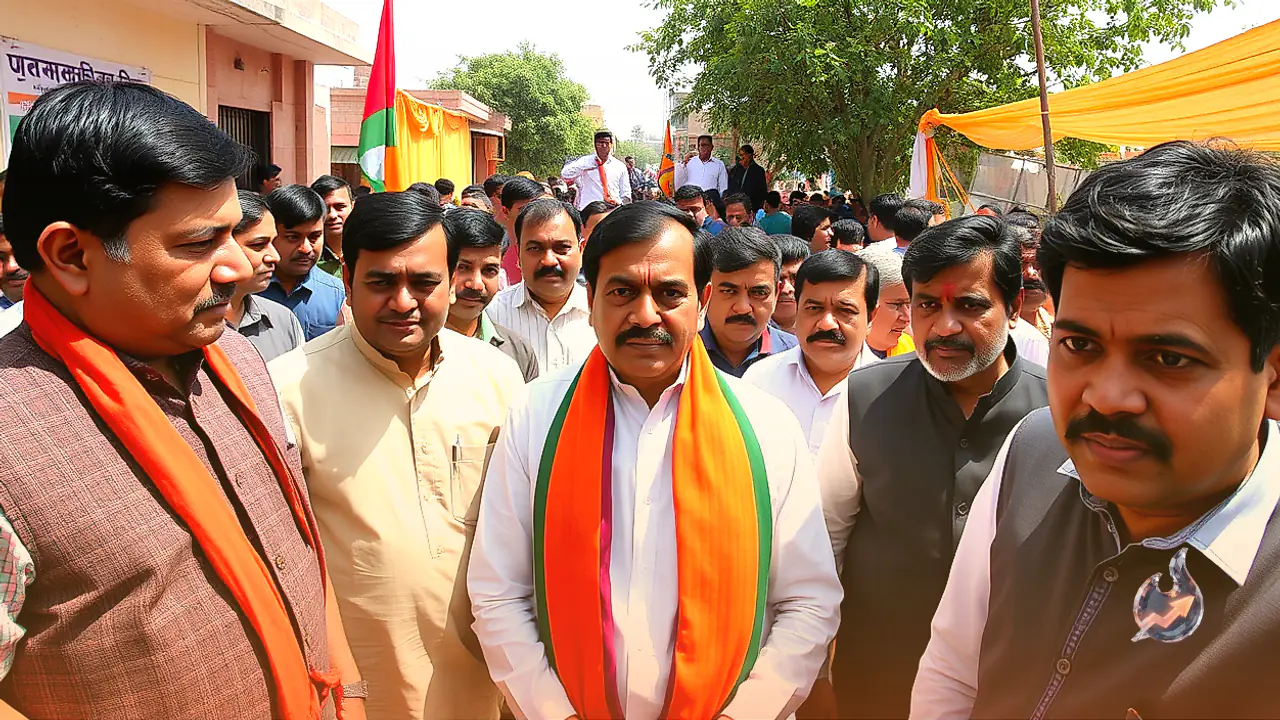
















Political friction within the Uttarakhand Congress has escalated significantly following an unapproved mass outreach initiative led by former Chief Minister Harish Rawat. The veteran leader's extensive public tour across key constituencies has triggered serious unrest within the state unit, prompting central party leaders in New Delhi to intervene immediately. The high command issued firm instructions to halt the campaign, with state in-charge Kumari Selja dispatching a formal caution and General Secretary Organisation KC Venugopal addressing the dispute publicly.
The Trajectory of the Mass Outreach Campaign
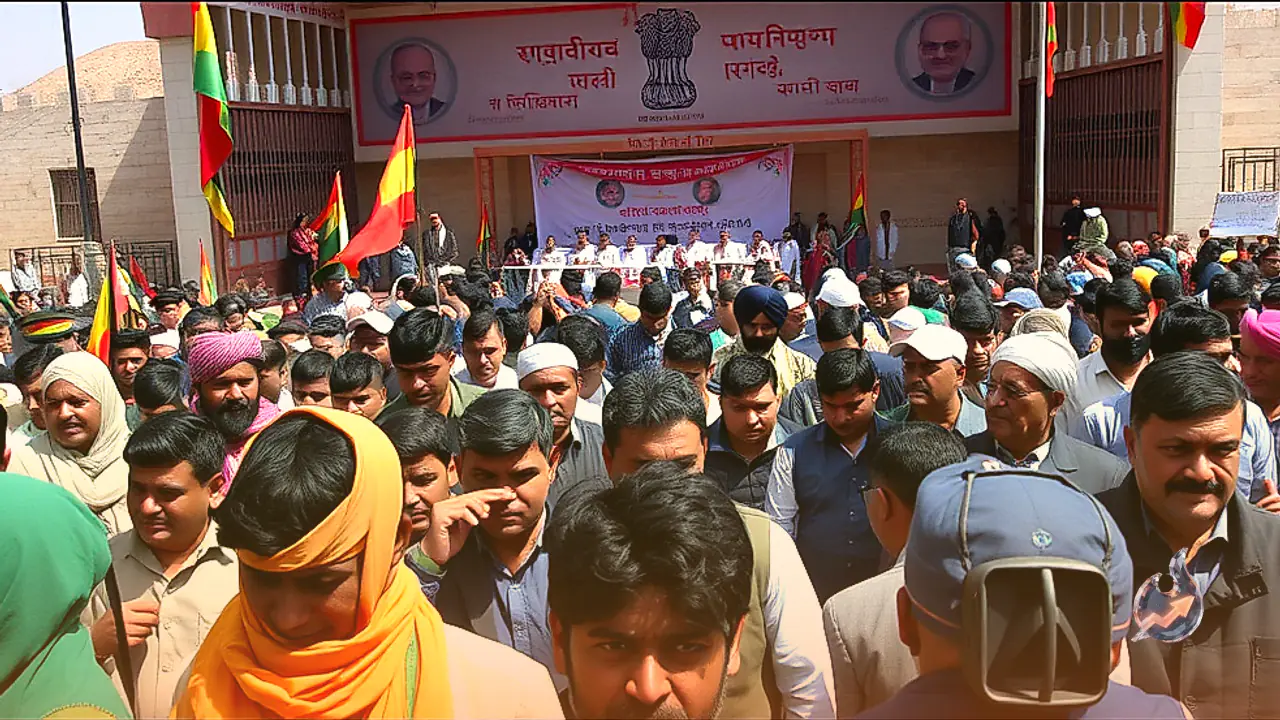
Titled as a gratitude and public dialogue tour, the outreach program initially took off from Haridwar before passing through the state capital, Dehradun. By October 5, the cavalcade advanced deep into the Terai Bhabar belt of Kumaon. During this extensive leg, Rawat covered critical assembly segments including Jaspur, Kashipur, Ramnagar, Kaladhungi, and Haldwani, drawing significant local attention and pulling senior legislators into his corner.
Several prominent Congress figures joined the tour at various junctures. Notable attendees included former PCC chief Pritam Singh, former assembly speaker Govind Singh Kunjwal, and current MLA along with former working president Tilak Raj Behar. Other sitting legislators, namely Adesh Chauhan, Manoj Tiwari, Madan Bisht, Harish Dhami, and Sumit Hridayesh, also made visible appearances alongside Rawat. In Ramnagar, expelled former block pramukh Sanjay Negi staged a massive show of strength by deploying 10 JCB machines to shower flower petals over the convoy.
Rebuttal Over Organisational Lethargy
The party high command's decision to curb the momentum of the march drew sharp resistance from the veteran leader. Defending his public interactions, Rawat maintained that the tour was designed exclusively to energise the cadre and sharpen election readiness rather than undermine official structures. He explained that after enduring a prolonged illness during which countless supporters prayed for his recovery, alongside pressure from the ED, he felt an obligation to personally express his gratitude to the public who stood beside him.
Taking aim at state colleagues who carried grievances to the high command, Rawat pointed out that his efforts were filling a vacuum left by an inactive local organisation. He remarked that if an elderly leader stepped forward to connect with the ground when others were idle, it should not provoke resentment. Warning the state machinery that the window to organise was closing fast, he declared that complaints would not derail his commitment to mass interaction.
High Command Guidelines and the Upcoming Delhi Meeting
Reiterating the party line, KC Venugopal made it clear that while discussions with Rawat had taken place, all electoral campaigns must remain strictly institutional. Highlighting that activities must proceed exclusively under the leadership of Mallikarjun Kharge and LOP Rahul Gandhi, the central leadership emphasised that solitary promotional exercises would not be tolerated. Only officially cleared party programs will be permitted as the state prepares for future contests.
With guidelines firmly established, the focus now shifts to a scheduled follow-up meeting between Rawat and Venugopal in Delhi on October 7. Observers across the state are watching closely to see how the veteran leader navigates the central leadership's boundaries and what course his regional outreach takes following the high-stakes deliberations in the national capital.