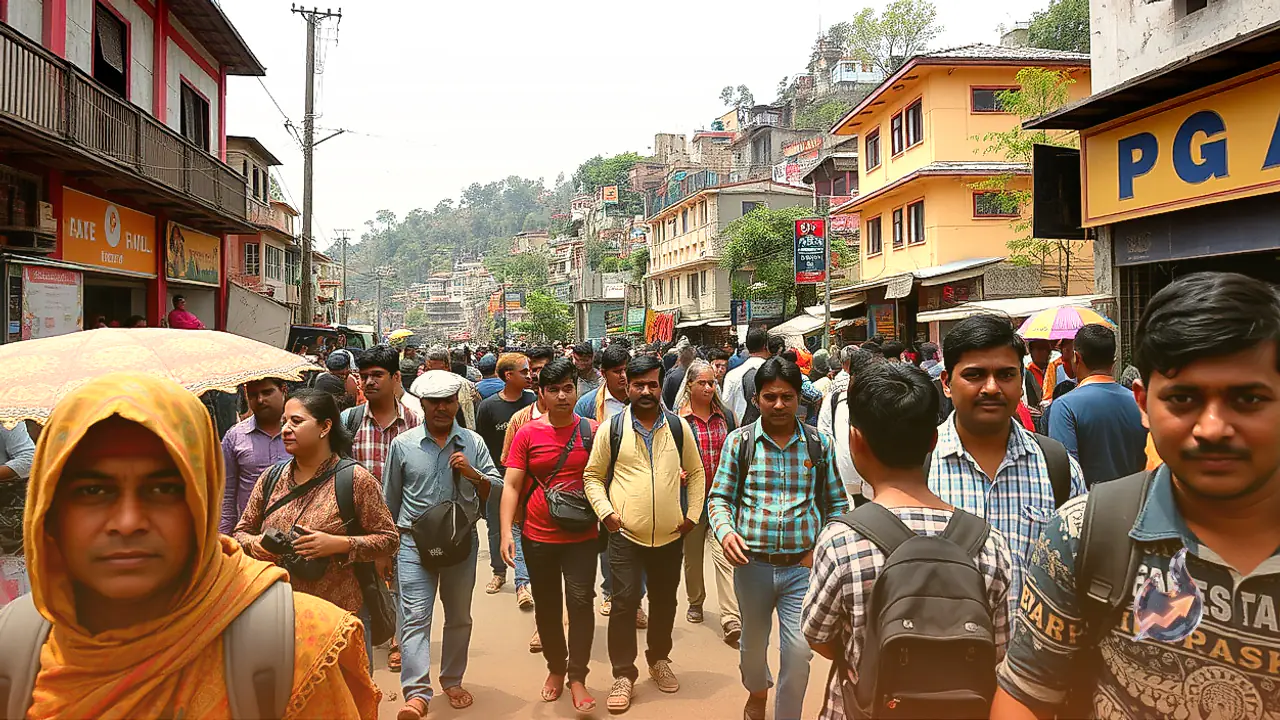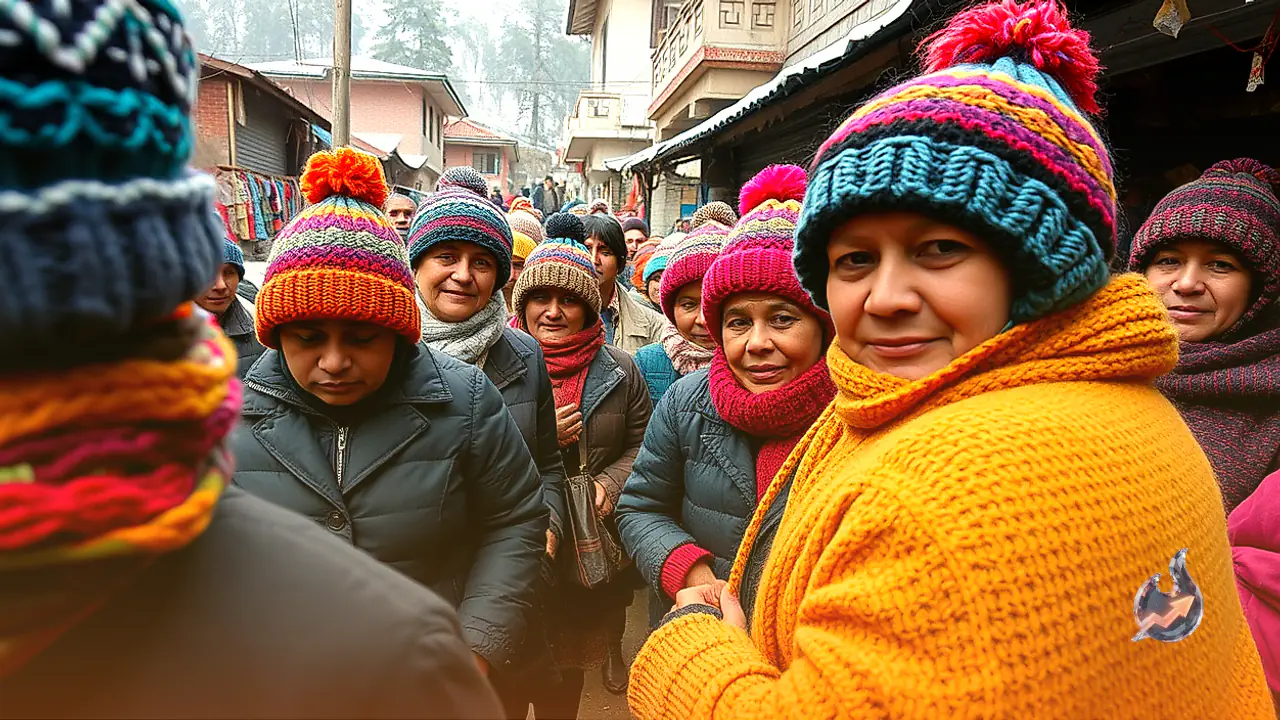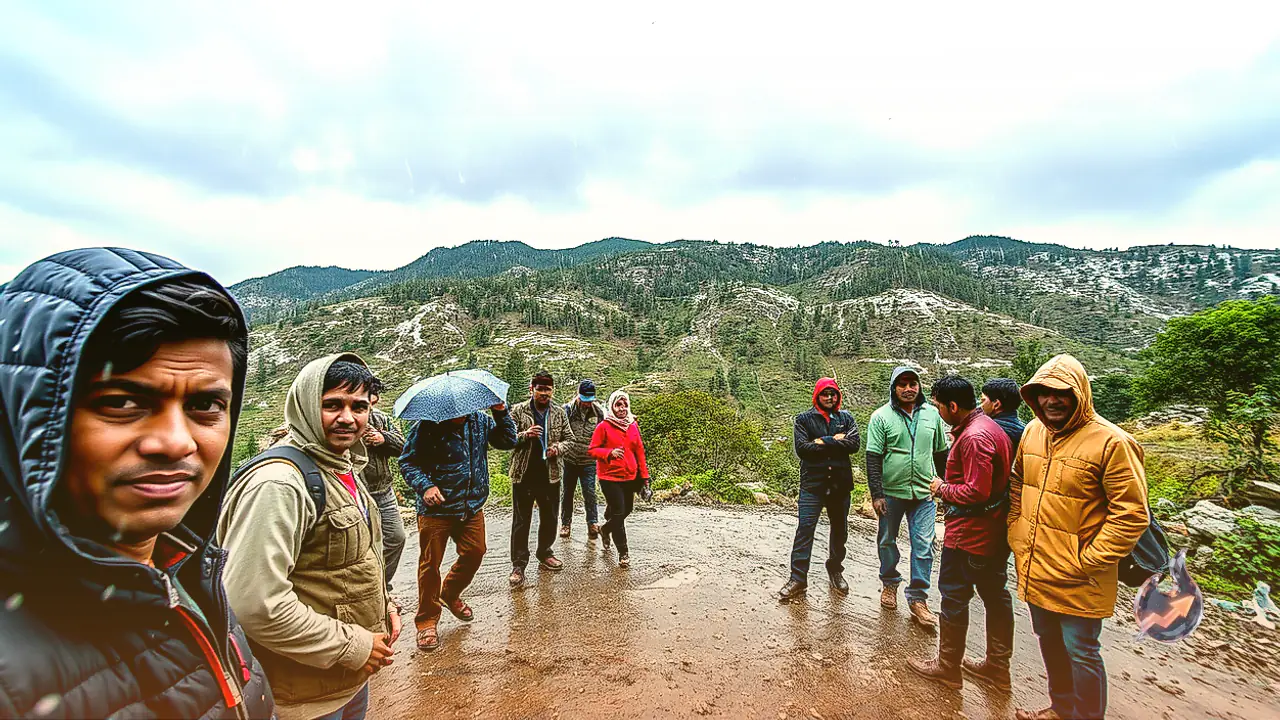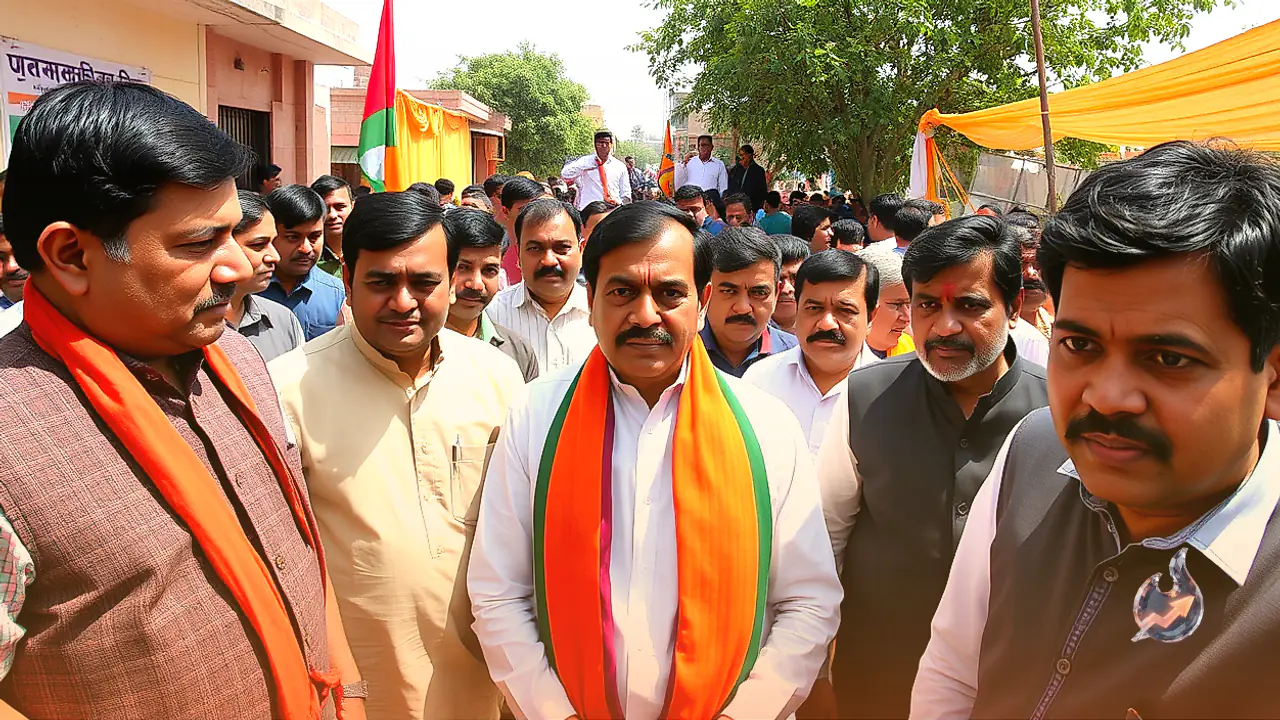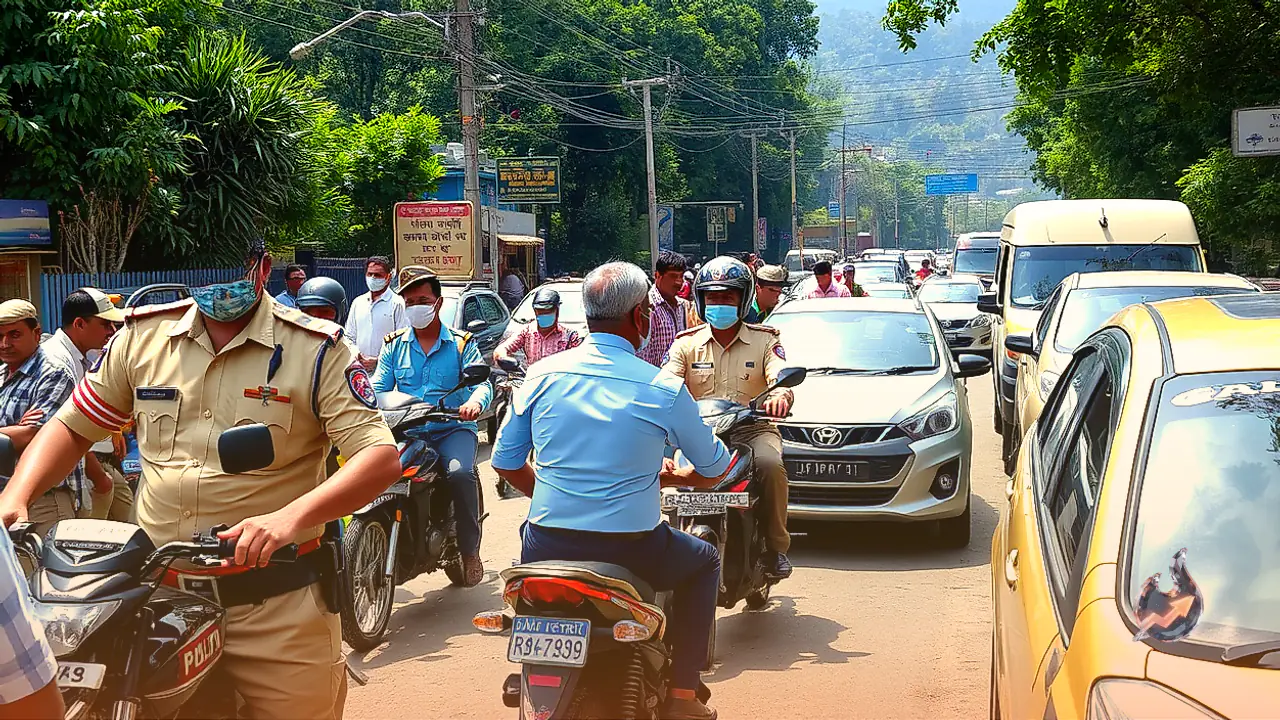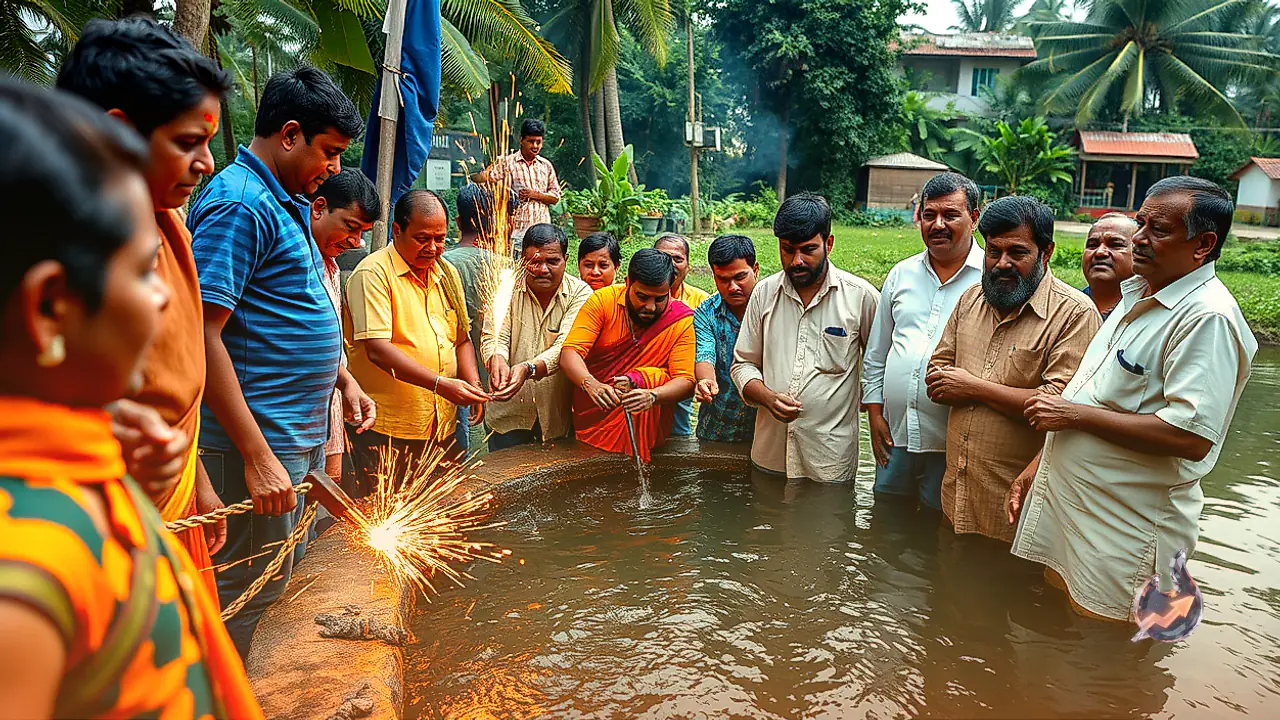
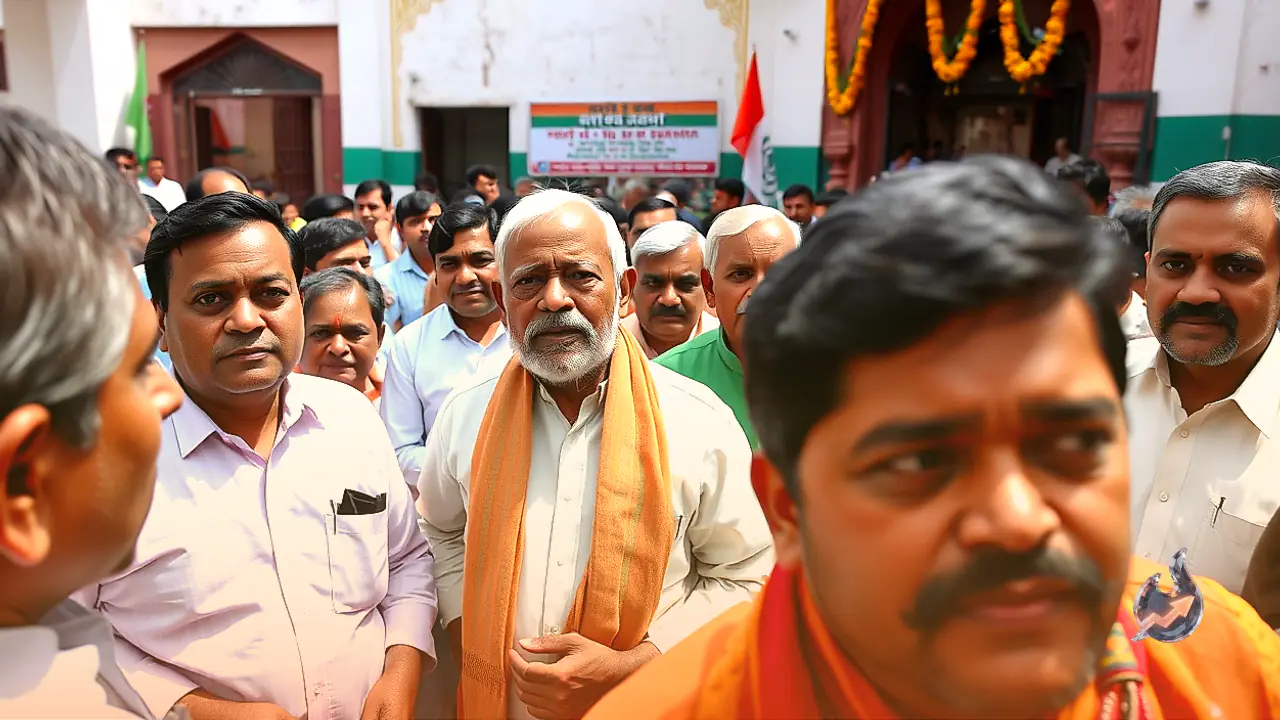


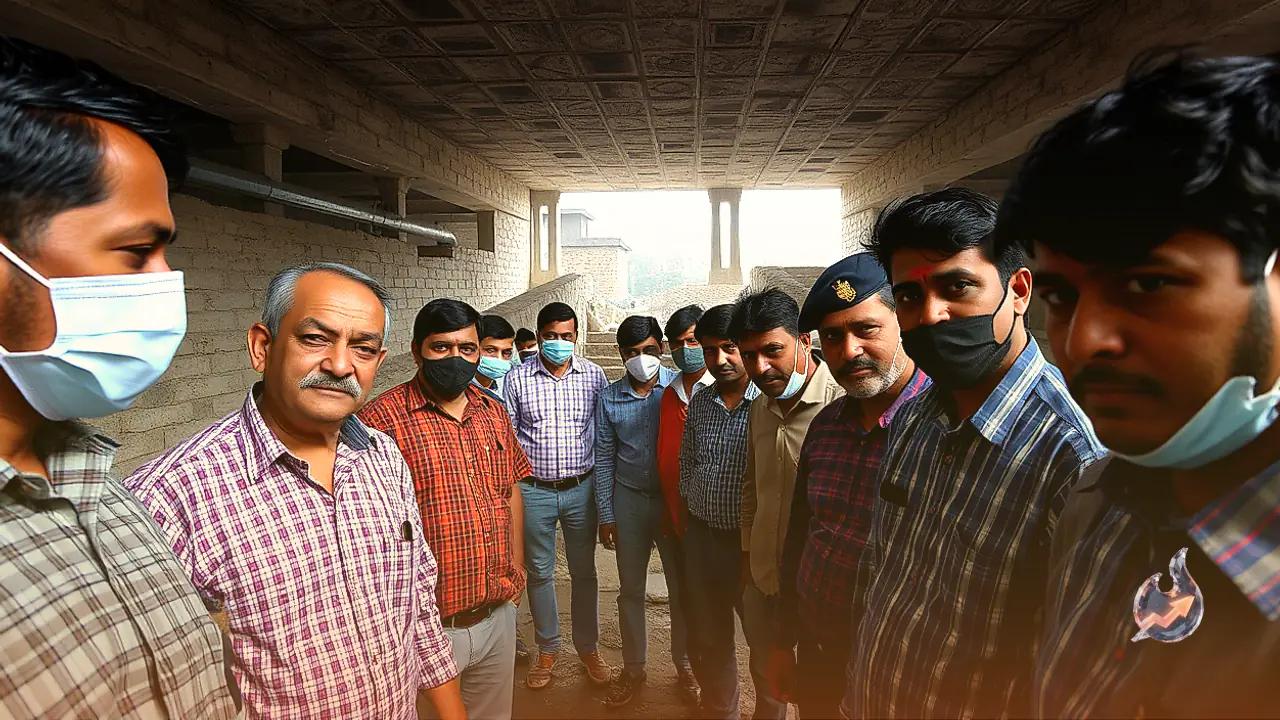
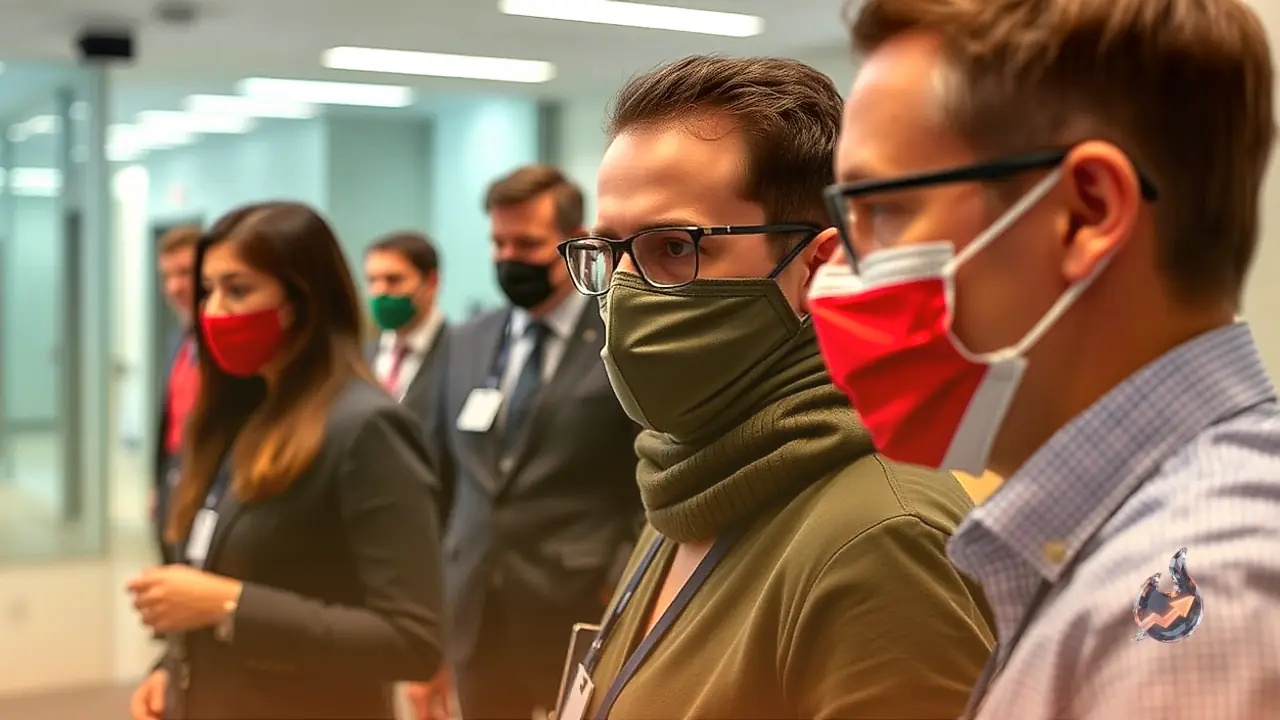


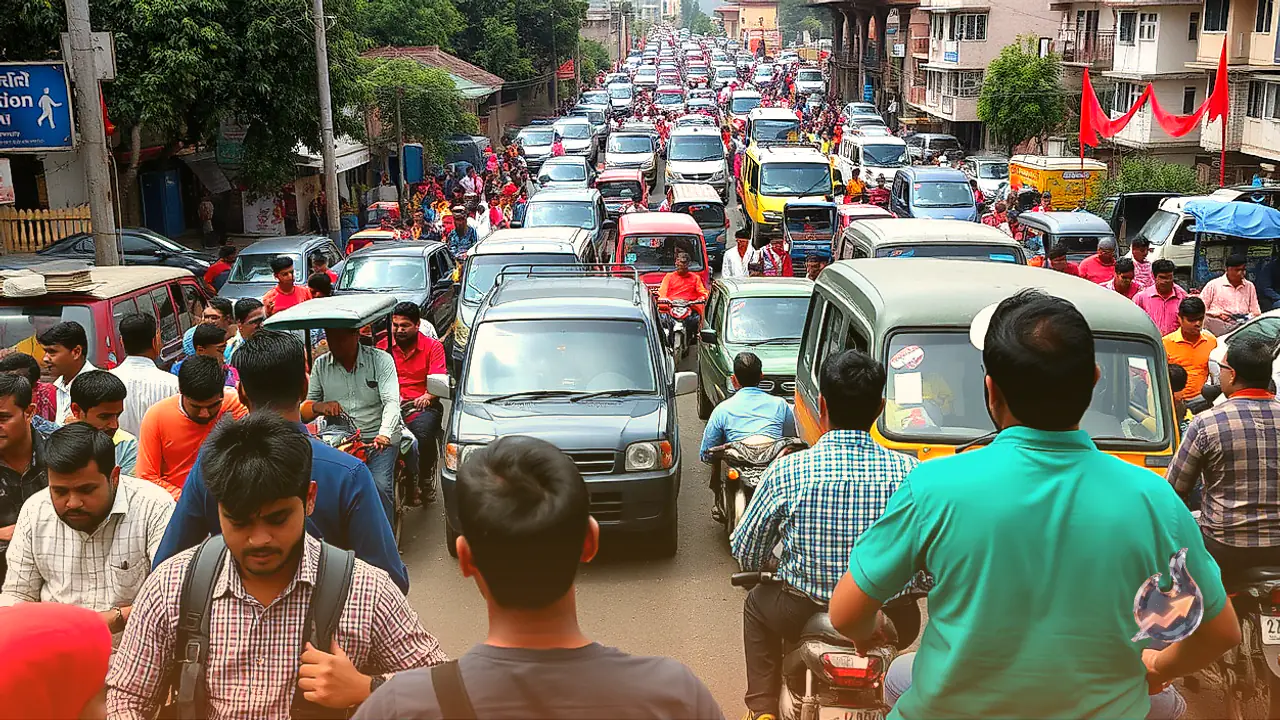















The scenic hill station of Nainital and the neighbouring spiritual hub of Kainchi Dham, dedicated to Baba Neem Karoli Maharaj, witnessed an overwhelming influx of visitors following the extended holiday period after Gandhi Jayanti. More than 35,000 tourists converged on the lakeside destination, while over 7,500 vehicles entered the region, completely saturating local infrastructure. Popular promenades and commercial centres including the Mall Road, Mallital, Tallital, and the Bhotia Market saw dense pedestrian crowds. The sudden surge swiftly filled parking lots beyond capacity, triggering severe, hours-long traffic gridlock along fragile mountain routes and disrupting normal life for town residents.
Severe Disruption to Local Daily Commutes
The enormous visitor numbers placed unprecedented strain on the daily routines of the townspeople. Mohan Chandra Pandey, a local resident, noted that reports following the holidays confirmed the arrival of over 35,000 tourists in Nainital. The town has a unique and fragile geography characterized by narrow hillside roads and strictly limited parking capacity. The simultaneous entry of thousands of vehicles and visitors effectively paralysed local transit. During the combined observance of Gandhi Jayanti and Shraddh Paksha, many residents faced immense hurdles just trying to reach their homes.
The traffic bottleneck also caused sharp escalations in public transportation costs. Pandey stated that his children had to pay approximately 500 rupees in fare to travel to Haldwani, while a short trip between Bhowali and Nainital cost around 300 rupees. In light of this recurrent chaos, local sentiment increasingly favours decentralizing tourism rather than focusing all pressure solely onto Nainital and Kainchi Dham, calling for the development and promotion of alternative tourist destinations across the surrounding hills.
Three Hours to Traverse a Single Kilometre
Traffic movement within the town slowed to an absolute standstill at multiple bottlenecks. Long-time resident Imran noted that although tourist crowds during vacations are a familiar sight in Nainital, the magnitude of the recent gridlock was extraordinarily stressful. According to him, covering a minor stretch of just one to three kilometres between Mallital and Tallital took motorists over three hours.
Imran highlighted the grave implications for critical medical services, explaining that patients in critical condition in Nainital are frequently transferred to Haldwani for urgent medical attention. When main transit routes become completely choked with private vehicles, transferring emergency patients becomes a life-threatening ordeal. During the holiday crush, even ambulances were observed caught in immovable traffic queues, underscoring the acute vulnerability of the town's emergency response network.
Traders and Academics Demand Robust Infrastructure Planning
Critique regarding the unmanaged influx also came from local commercial representatives. Punit Tandon, president of the Maa Naina Devi Vyapar Mandal, argued that equating a sheer spike in crowd numbers with authentic tourism development is fundamentally flawed. He remarked that drawing thousands of visitors cannot be considered genuine progress when essential infrastructure remains inadequate. Tandon observed that while discussions surrounding upgraded road, rail, and air connectivity for Nainital have continued for years, tangible progress on the ground has failed to match expectations.
Tandon pointed out that despite the surging global prominence of Kainchi Dham, authorities have not implemented effective traffic management systems, designated bypasses, or alternate transit routes. Whenever tourist numbers breach the town's carrying capacity, local citizens bear the immediate brunt. Spending hours trapped inside stalled traffic has shifted from an occasional nuisance into an exhausting, penalizing experience for everyday residents.
Academic Prof. Ajay Rawat also experienced the disruption first-hand, noting that he was trapped in traffic for hours while travelling to deliver a scheduled lecture. Prof. Rawat observed that the crowds heading toward Nainital and Kainchi Dham are increasingly slipping beyond administrative control. He also questioned the nature of the tourist footfall at Kainchi Dham, noting that a growing proportion of visitors arrive primarily to capture social media content and reels rather than seeking genuine spiritual reflection, which compromises both the sanctity of the temple and the quiet contemplation of sincere devotees.
Mounting Garbage Crisis and Lack of Accommodation
The sudden demographic spike placed an acute burden on the town's civic sanitation machinery. Rohitash Sharma, executive officer of the Nainital Municipal Corporation, reported that visitor numbers across the extended weekend far outstripped ordinary levels. Under standard operating conditions, the town generates approximately 7 to 8 tonnes of garbage per day. During the holiday weekend, however, municipal daily waste collection surged to between 15 and 16 tonnes, representing an increase of nearly two and a half times the regular volume.
To manage the accumulation, the municipal corporation deployed garbage disposal vehicles on a round-the-clock 24-hour schedule, while door-to-door waste collectors had to put in extensive overtime. Despite these measures, municipal public dustbins across the town spilled over completely. The severe shortage of accommodation forced numerous tourists unable to secure hotel rooms to spend the night sleeping in their vehicles, leading to further uncontrolled dumping of roadside trash. With all parking lots full and over 7,500 vehicles logged, the holiday episode has sharply underscored the environmental and structural limits of the Himalayan tourist town.