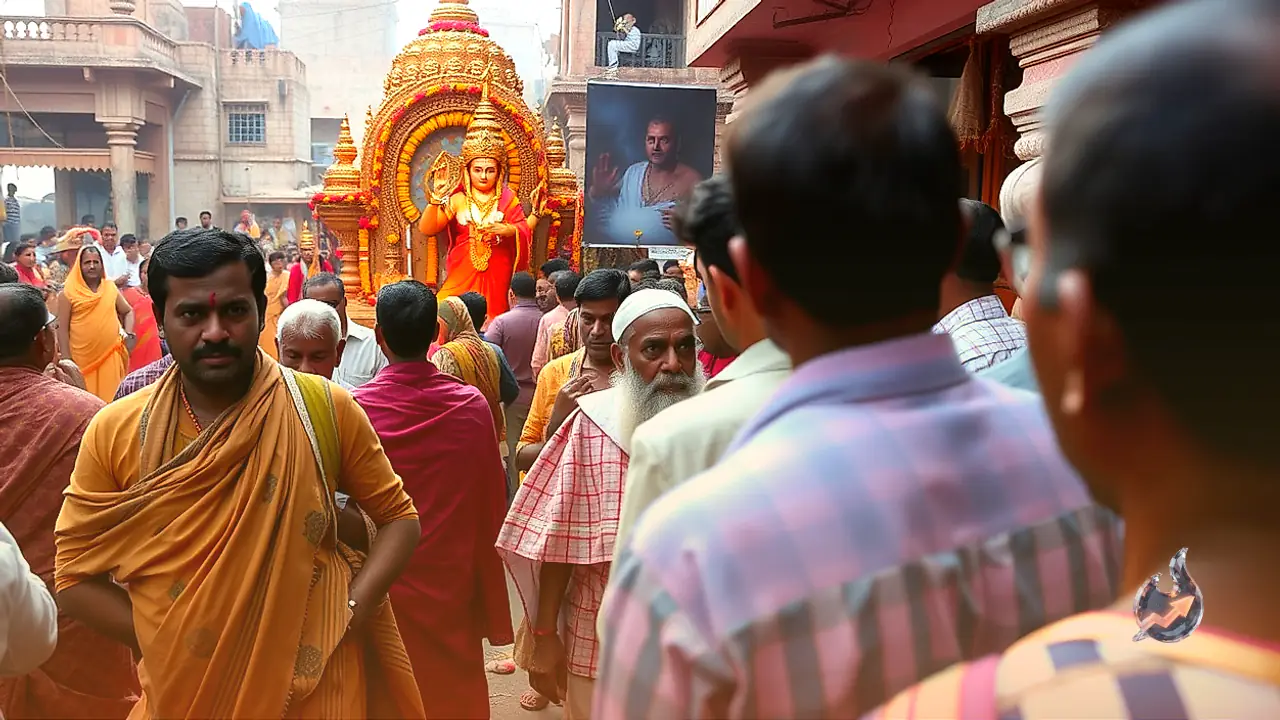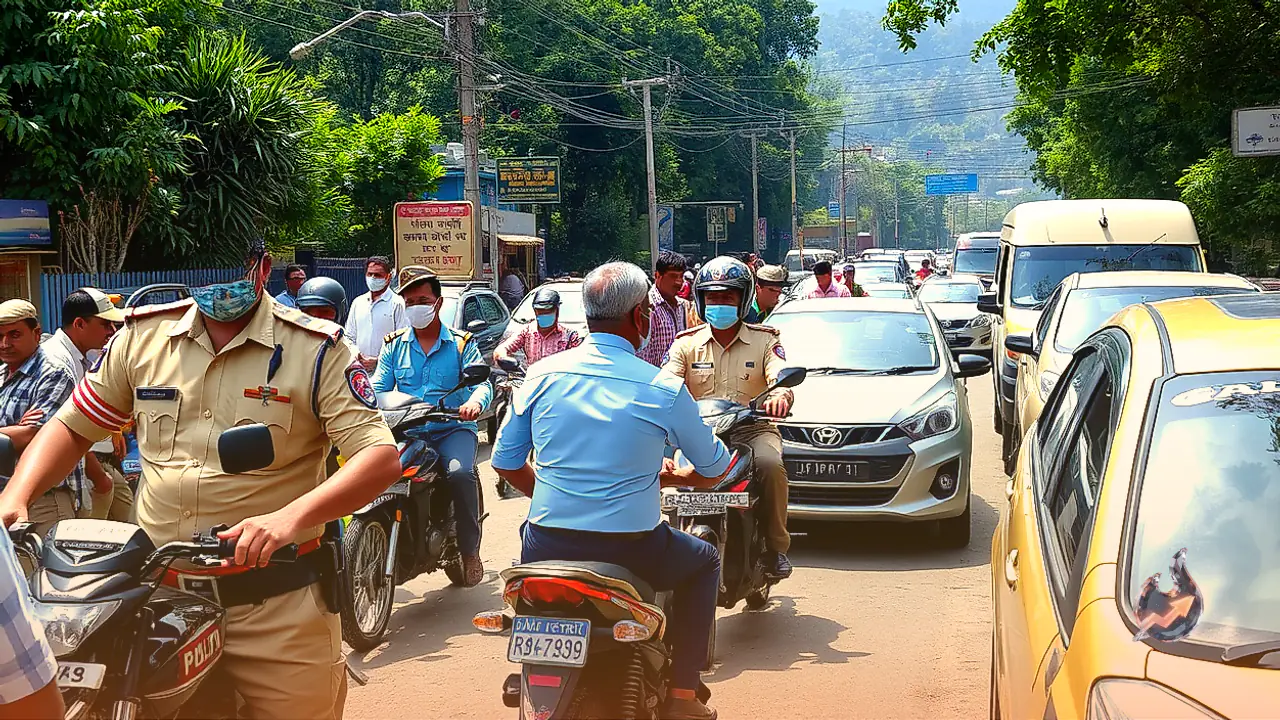



















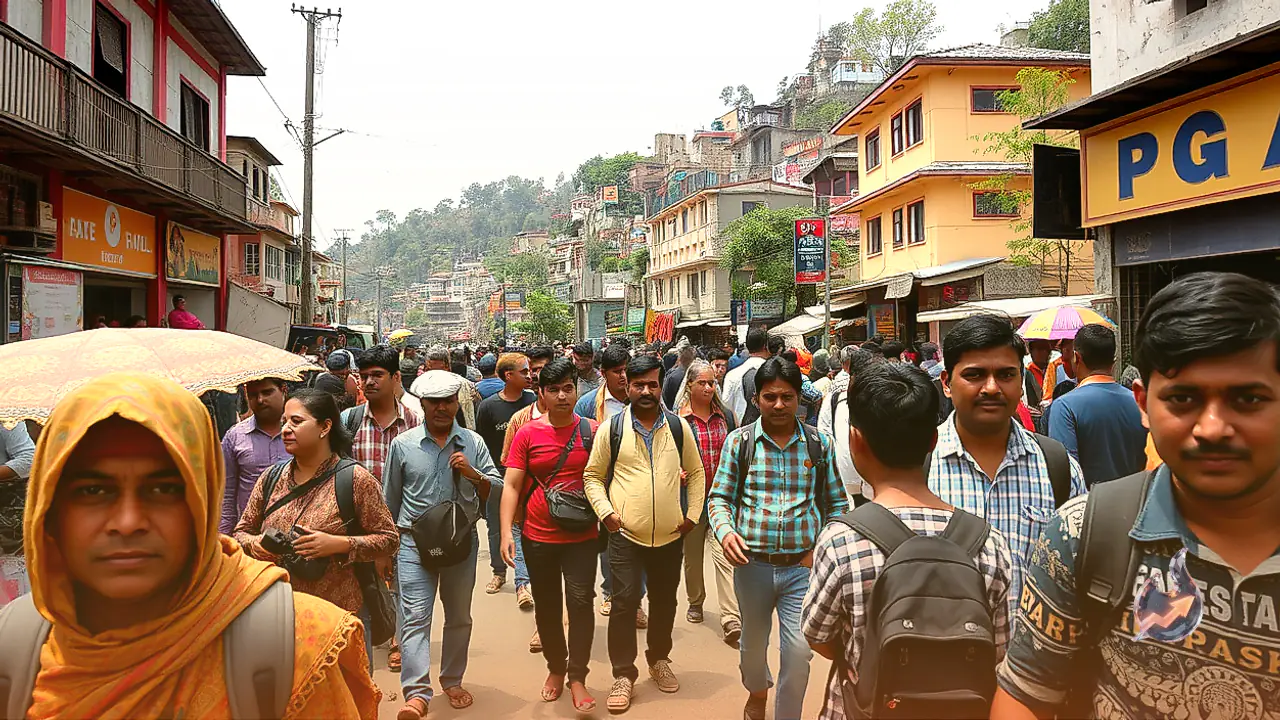

For decades, the picturesque lake town of Nainital nestled in Uttarakhand shared an exceptionally warm and vibrant connection with visitors arriving from Bengal. There was an era when the onset of autumn, running from September through November, witnessed an overwhelming influx of Bengali travellers across every shopping lane, lakefront bend, and sightseeing point. Hotels, eateries, and the famous Mall Road buzzed with the rhythm of the Bengali tongue, prompting locals and observers alike to affectionately call the town a mini Bengal. However, changing holiday patterns, rising expenses, and evolving infrastructure have gradually transformed the tourism landscape, resulting in a visible decline in the traditional crowds from Bengal.
A Seasonal Calendar Dictated by Regional Travellers
Local historian and long-time resident Professor Ajay Rawat notes that tourism in Nainital once operated around very well-defined regional cycles. During the early spring months of March and April, the town predominantly welcomed visitors originating from Mumbai and Gujarat. As severe summer heat began scorching the northern plains, travellers from Delhi and Haryana arrived in large numbers seeking mountain relief. Meanwhile, the stretch from September to November was practically reserved for vacationers from Bengal.
According to Professor Ajay Rawat, the relationship of Bengali tourists with Nainital was never confined to superficial sightseeing. Instead, it was sustained by an emotional bond and genuine cultural affinities. Multiple generations within extended families made it a point to revisit the hill station year after year without fail.
Cultural Exchange and Deep Bonds with Local Youth
Recalling those formative decades, Professor Ajay Rawat highlights how the younger generation in Nainital eagerly awaited the arrival of Bengali families each autumn. The annual influx brought about a rich, organic exchange of ideas, arts, and contemporary perspectives. Through conversations with these visitors, local youngsters gained fresh exposure to Hollywood cinema, theatre movements, literary trends, distinctive culinary preparations, and modern social lifestyles.
Bengali tourists actively participated in the vibrant celebrations of Nainital's Autumn Festival as well. Back then, hill hospitality was not evaluated solely on commercial grounds or transaction volumes. Spending time with visitors, exploring their rich cultural heritage, and forging enduring personal connections were viewed as intrinsic aspects of hosting people in the mountains.
Journeys Beyond the Lake Town into Kumaon's Wilderness
A notable feature of visitors from Bengal was their profound affinity for untouched nature. According to Professor Rawat, they routinely used Nainital as a base camp while venturing deeper into the remote parts of the Kumaon region. Their extensive travel itineraries frequently embraced places such as the quiet ridgelines of Kausani, the pine forests of Ranikhet, the challenging terrains leading to Pindari Glacier and Milam Glacier, as well as the secluded Narayan Ashram.
Unlike casual visitors looking for quick weekend getaways, these travellers preferred staying in the hills for extended durations. Their central aim was to immerse themselves in tranquil alpine surroundings and truly experience the natural environment of the high Himalayas.
The Golden Influx Surrounding Durga Puja Holidays
Ved Sah, secretary of the Nainital Hotel Association, points out that the inflow of vacationers used to commence almost twenty days prior to the Durga Puja festivities. In Bengal, schools, businesses, and government establishments observe extensive holidays lasting between ten and twenty days around Navratri and Dussehra.
During this prolonged festive window, families set out on holidays in enormous numbers, and Nainital almost universally topped their shortlist of preferred hill escapes. Ved Sah notes that from September to November, the sheer density of visitors created an atmosphere that mirrored the cultural vibrancy of Bengal itself right amidst the Uttarakhand hills.
Shifting Preferences and Escalating Travel Budgets
Hospitality entrepreneurs operating in Nainital observe that holiday choices among Bengali travellers have transformed significantly in recent years. Across India, newer hill retreats and alternative destinations have emerged with improved road and rail links, presenting modern tourists with a vast array of possibilities. Alongside this diversification, notable increases in transport, lodging, and leisure expenses have led many prospective travellers to reconsider traditional travel circuits.
As Ved Sah explains, while Nainital once held an undisputed appeal for households planning autumn tours, newer destinations have actively captured their attention. With an expanding roster of accessible holiday spots, the footprint of Bengali tourists has dispersed widely across different parts of the country.
Preserving Fond Memories Amid Shifting Tourism Dynamics
While Bengali vacationers still visit Nainital today, the massive seasonal congregations of yesteryears have substantially thinned out. For hoteliers, shopkeepers, and long-time residents, this shift reflects more than just a drop in hotel bookings; it represents the quiet fading of a decades-old cultural kinship that once defined the soul of the hill town. Nainital, which once came alive with the warmth and creative energy of Bengal every autumn, now holds those chapters as fond memories while adapting to the fast-moving trends of contemporary tourism.