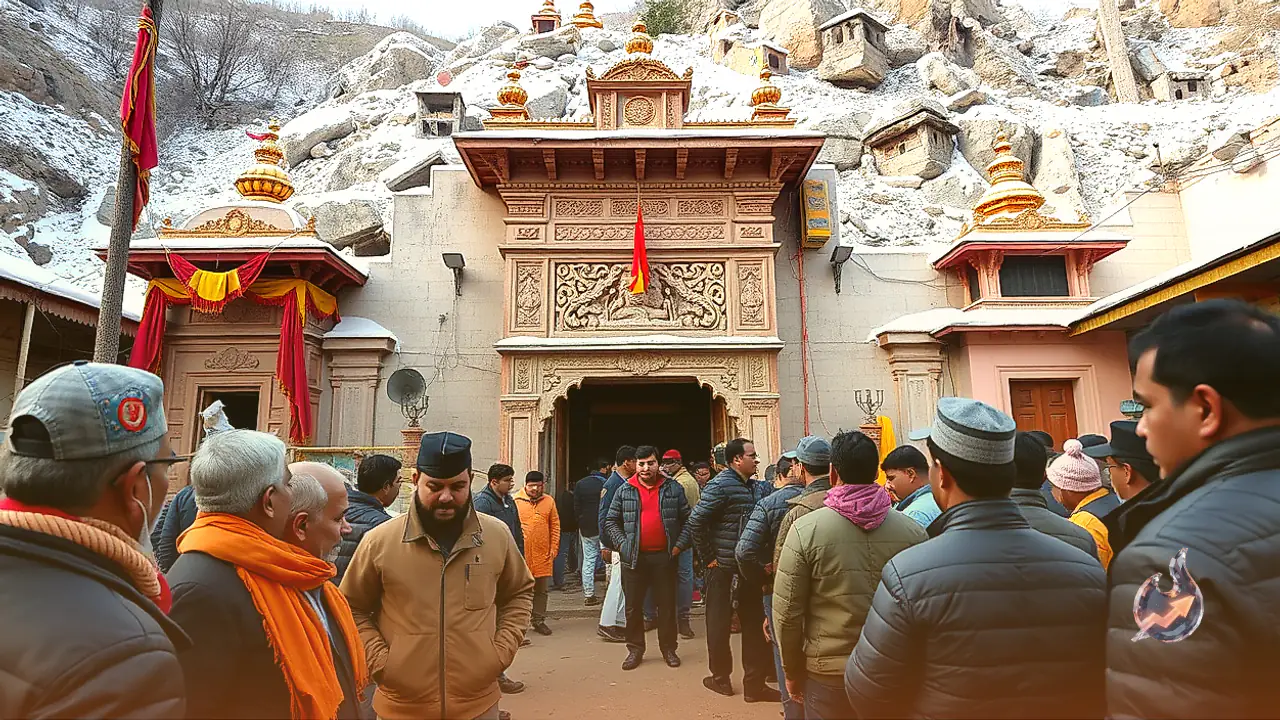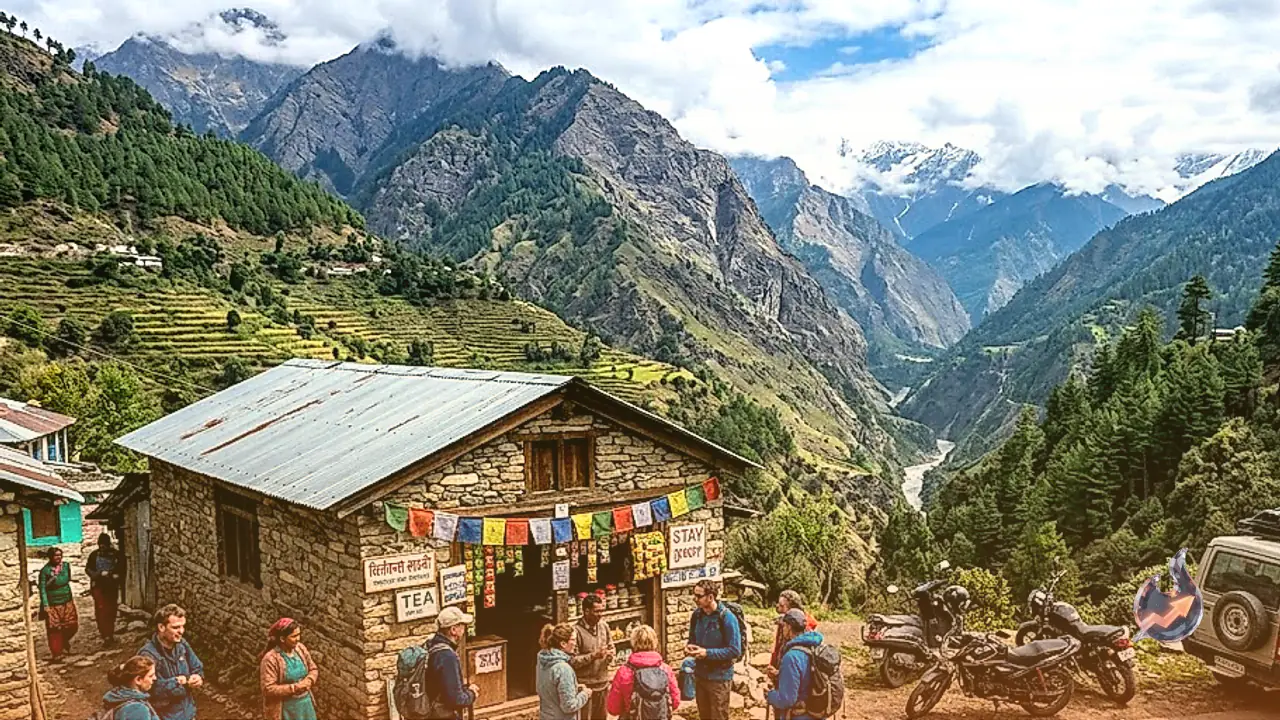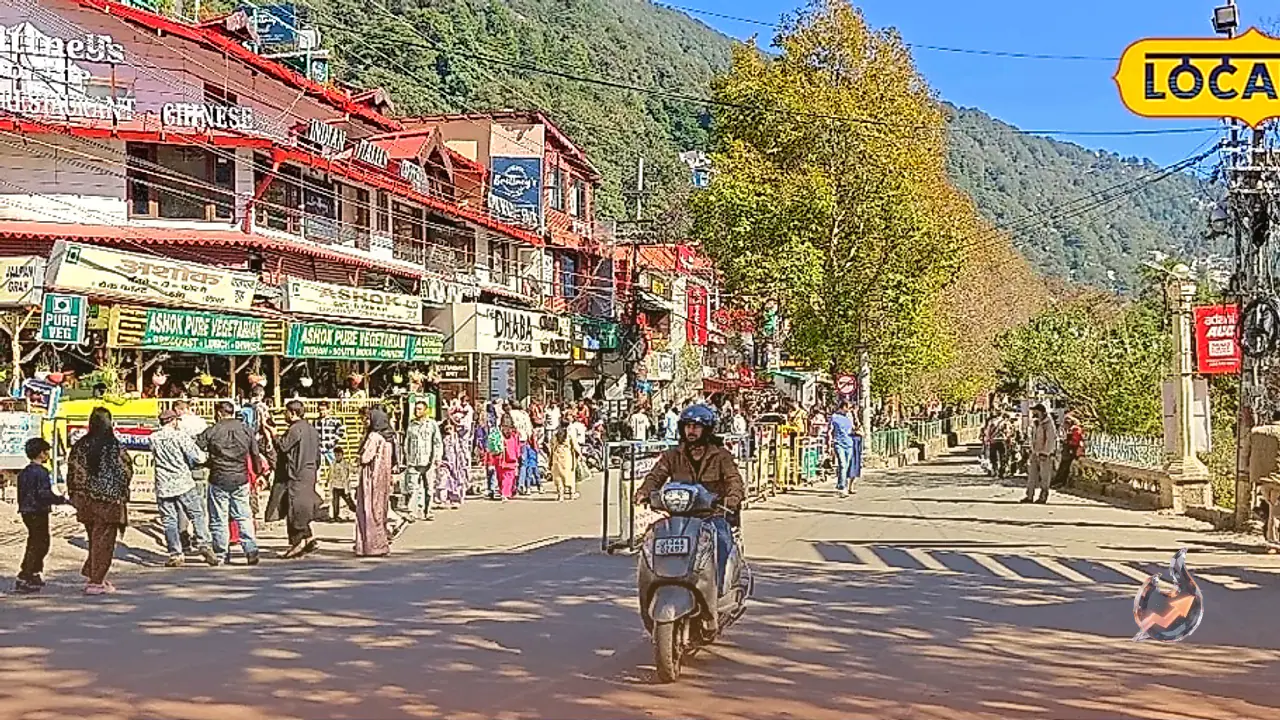


















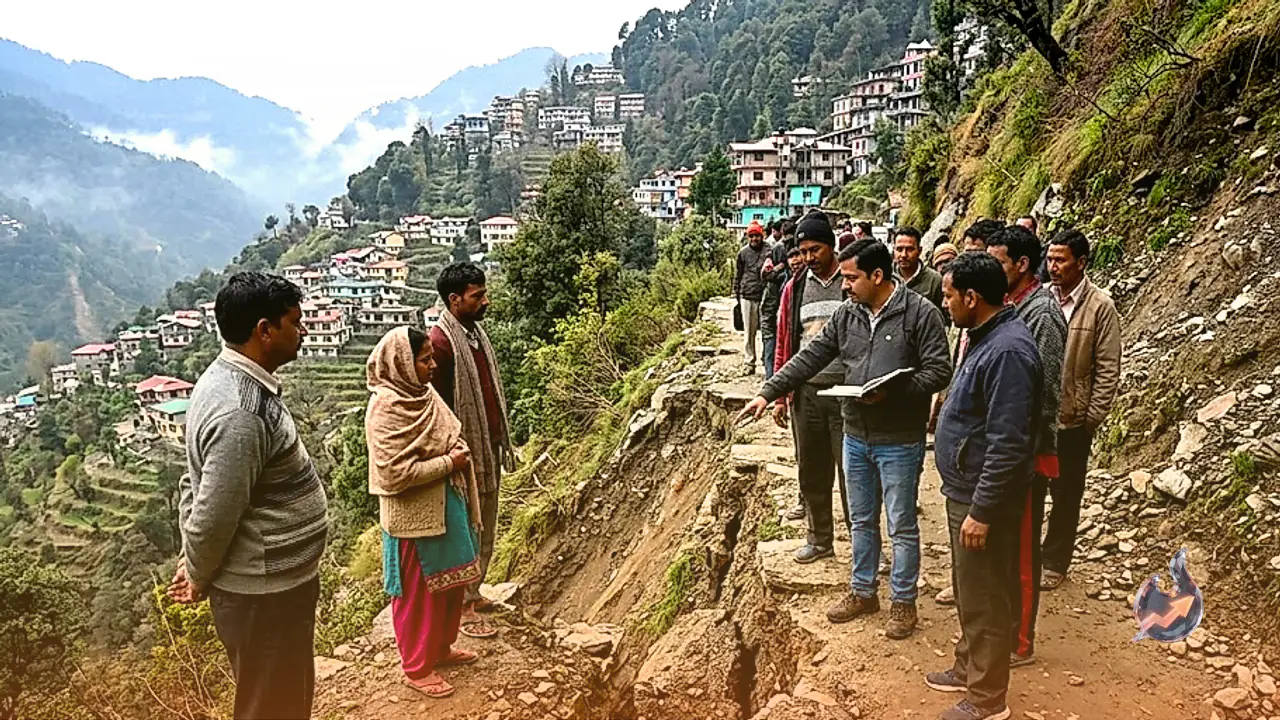

Residents of the Krishnapur neighborhood in Tallital, Nainital, continue to face severe commuting hurdles due to the lack of a proper motorable road. While local agitation for infrastructure accessibility has intensified, a major geological challenge has now complicated the situation. Earth science experts have warned that constructing a road or opening temporary access tracks to vehicular traffic on the highly sensitive Baliyanala slope could trigger catastrophic slope failures. Given the fragile geological composition of the hill, experts emphasize that technical safety and structural stability must take precedence over immediate construction work.
Daily Struggles for Over Three Thousand Local Residents
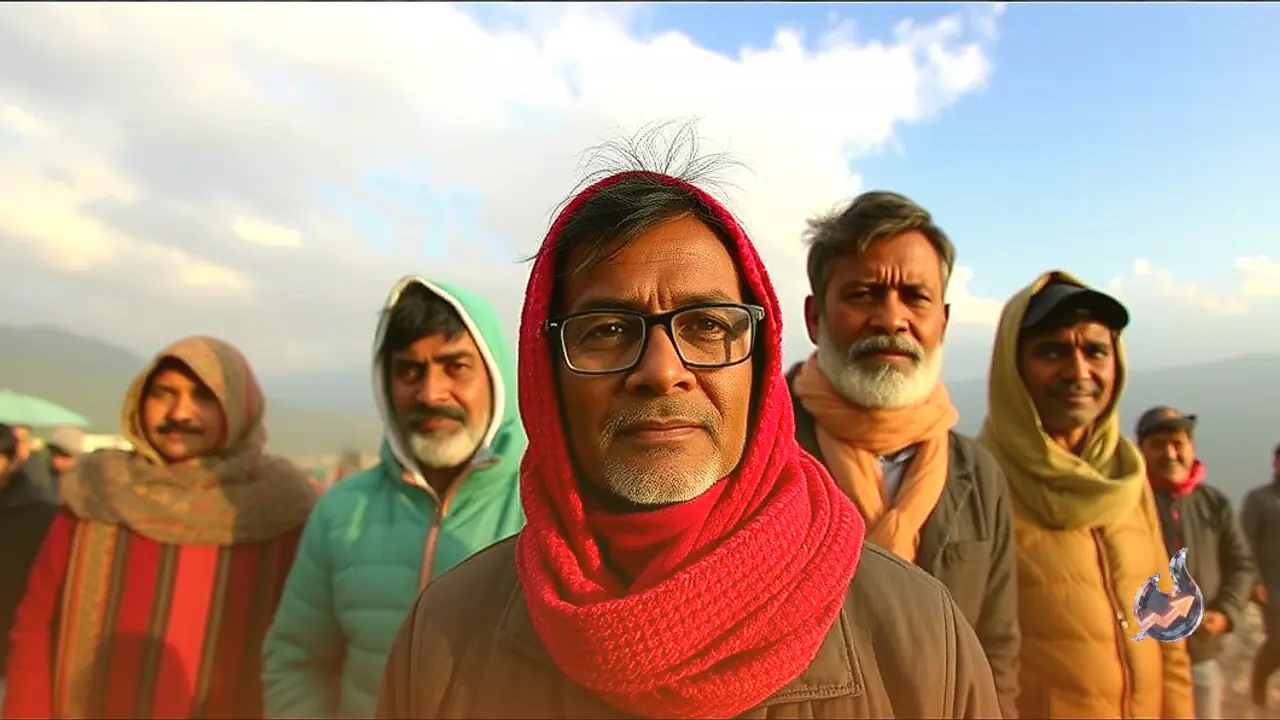
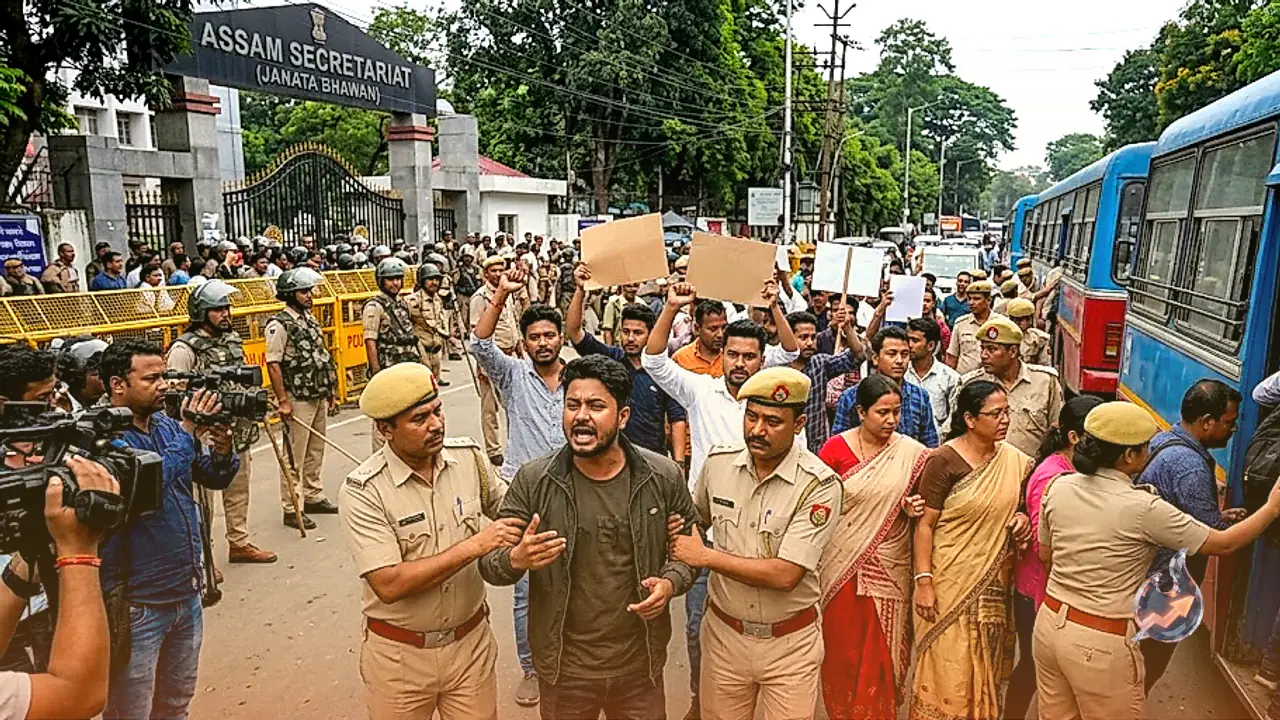
The Krishnapur area houses a population of over 3,000 people who remain deprived of direct road connectivity. To reach the main transport network, commuters are forced to trek over 3 kilometers on foot every single day. This lack of access places an immense physical burden on school students, elderly residents, and patients requiring urgent medical attention. Transporting sick individuals to healthcare facilities along steep footpaths presents severe logistical hurdles. Frustrated by decades of inaction, local citizens have been holding demonstrations and sit-in protests to press authorities for an immediate solution to their connectivity crisis.
Geological Inspections Reveal Crumbled Subsurface Formations
Acknowledging the plight of the residents, geologist Dr. Bhaskar Patni conducted a site inspection at the Baliyanala hill. While agreeing that road connectivity is an urgent necessity for the community, he highlighted that ignoring the fragile geological status of Baliyanala could prove disastrous. During the preparation of the Detailed Project Report (DPR) and preliminary surveying, experts uncovered alarming subsurface conditions. The interior rock structures at multiple points along the slope had completely fractured, disintegrating into fine powder and soil-like deposits. Consequently, stabilizing the slope was prioritized before any road infrastructure could be safely built.
Ninety Percent Progress Reached on Complex Slope Treatment
Remediating the vulnerable Baliyanala hill has required extensive engineering intervention. A joint initiative involving the Irrigation Department, Project Management Consultants (PMC), and experts from the Indian Institute of Technology (IIT) was launched to stabilize the active landslide zone. Engineers implemented specialized reinforcement techniques, including cable anchoring, rock anchoring, and high-pressure grouting to bind the loose rock masses together. According to geological assessments, approximately 90 percent of this intricate hill treatment work has been completed, successfully restoring a basic level of equilibrium to the compromised slope.
Dynamic Load and Vehicular Vibrations Threaten Slope Equilibrium
Despite the completion of major stabilization works, geologists have strongly advised against converting the temporary construction tracks into regular vehicular roads. Allowing regular traffic on these provisional paths would subject the fragile hill to heavy dynamic loads. Vibrations emitted by moving vehicles could disrupt the delicate internal structural balance achieved through recent engineering works. Such dynamic stress risks causing fresh rock displacements, new structural cracks, and renewed landslide activity on a hill stabilized at immense cost and effort. Thorough load-bearing capacity tests and safety evaluations are deemed essential before any traffic permission is considered.
Evaluating Alternative Routes for Safe Long-Term Access
To address the transportation needs of Krishnapur without compromising geological safety, authorities and technical teams are exploring alternative engineering remedies. One proposal involves structurally reinforcing the temporary construction benches built during the Baliyanala slope treatment project. Simultaneously, surveys are being planned to identify alternative alignment routes that bypass the most sensitive sections of the Baliyanala hill altogether. Experts stress that while the daily hardship of walking long distances must be resolved, any permanent solution must strictly prevent catastrophic disasters in the future.