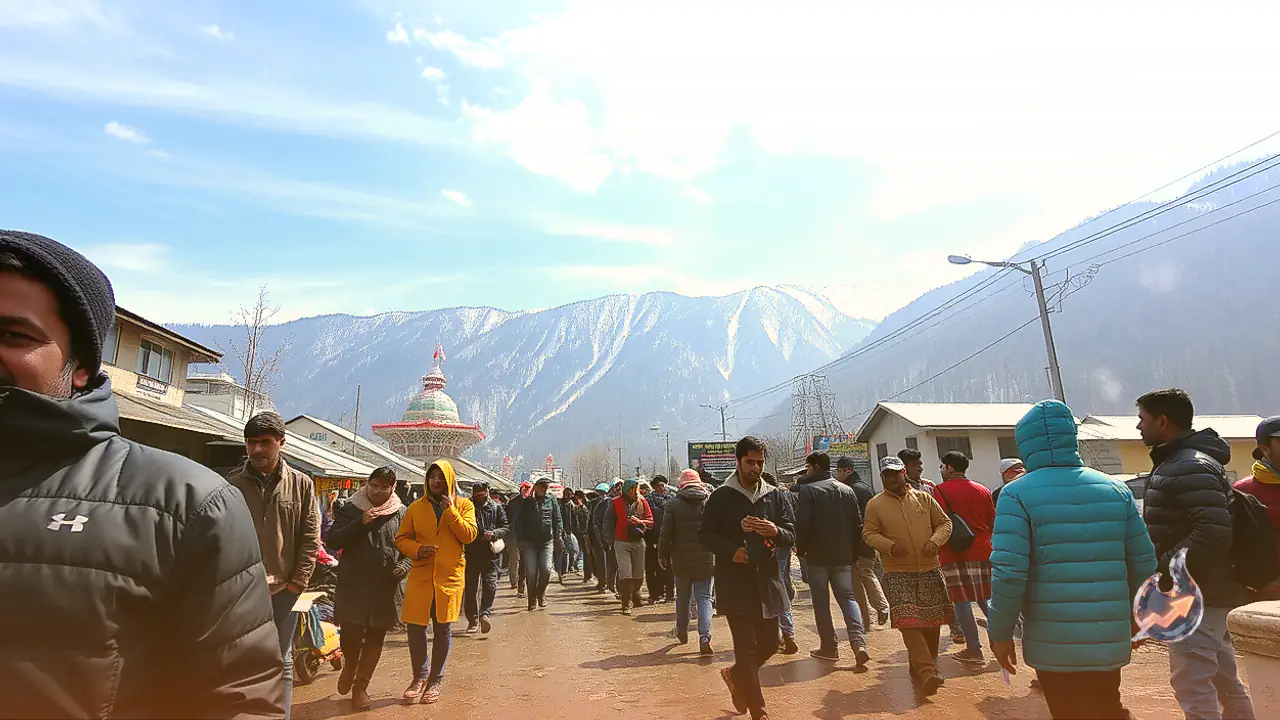
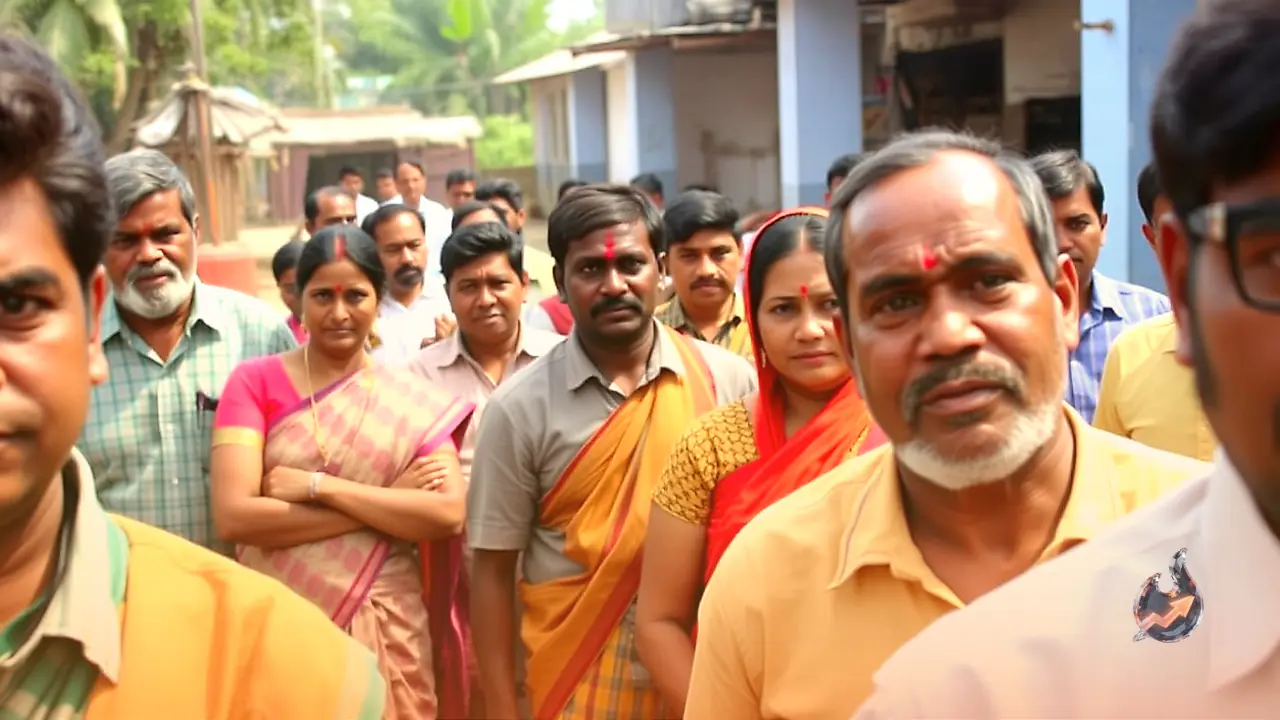















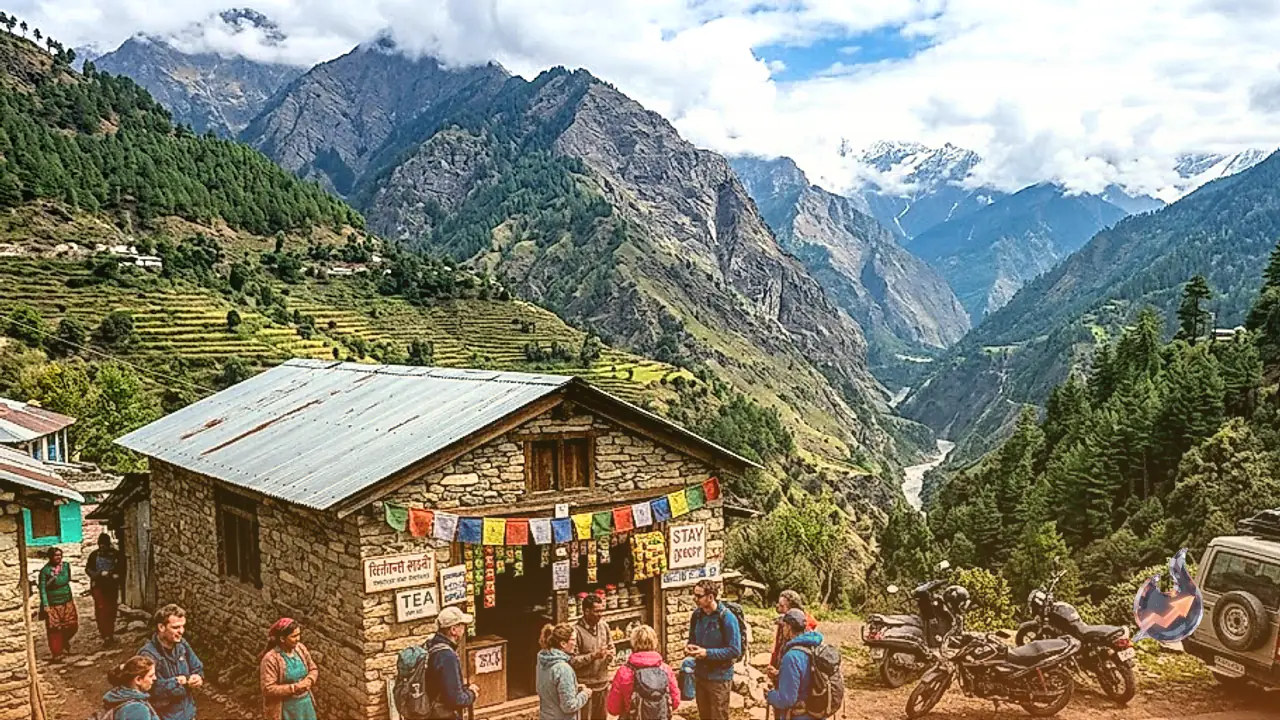

Nestled along the Kailash Mansarovar Yatra route, Bundi village was historically a pivotal and major transit stop for the entire pilgrimage. Located in the Pithoragarh district at an elevation of roughly nine thousand feet, this border village stands as the final settlement before ascending into the higher Himalayan regions. Before tackling the steep and demanding climb of Chhiyalekh that leads toward the Lipulekh Pass, travelers traditionally used to rest and regroup at this very location.
History of Trade and Pilgrimage
Home to nearly two hundred families, the village holds a rich historical significance. It served not only as a hub for spiritual journeys but also functioned as a key station for Indo-China trade. Right across from this village stands Nepal's prominent Api Mountain. The Api Mountain terrain is also home to caterpillar fungus, commonly known as keera jadi, which serves as a vital source of livelihood for the local residents. Due to harsh weather conditions during winters, the villagers migrate down to lower altitudes, leaving the village inhabited for only six months out of the year.
Transformation Following Road Construction
The entire dynamic of the area shifted in 2020 with the completion of the road connecting to the Lipulekh Pass. Once the road was built, travelers and pilgrims bypassed Bundi, heading straight to Gunji instead, which effectively ended its era as a major transit stop. Despite this shift, the strategic and security importance of this border region remains intact. Flowing directly below the village is the Kali River, which acts as a natural border between India and Nepal. Given its strategic sensitivity for national security, Sashastra Seema Bal personnel are deployed here to maintain strict surveillance on all movement.
New Tourism Avenues and Homestay Culture
Even though the formal transit status has moved, pilgrims traveling to Adi Kailash, Kailash Mansarovar, and Om Parvat still pause in Bundi along their journey. The breathtaking natural scenery and tranquil environment captivate visitors, ensuring that tourists continue to make a stop here. To cater to these visitors, several homestays have been established locally. Homestay operator Harish Raipa notes that during past travel seasons before the road was constructed, the village was filled with vibrant activity as travelers spent their nights here. While the main transit stop has shifted to Gunji, nature lovers and passionate travelers still choose to stay in Bundi, making these homestays the primary source of year-round livelihood for the local operators.