






















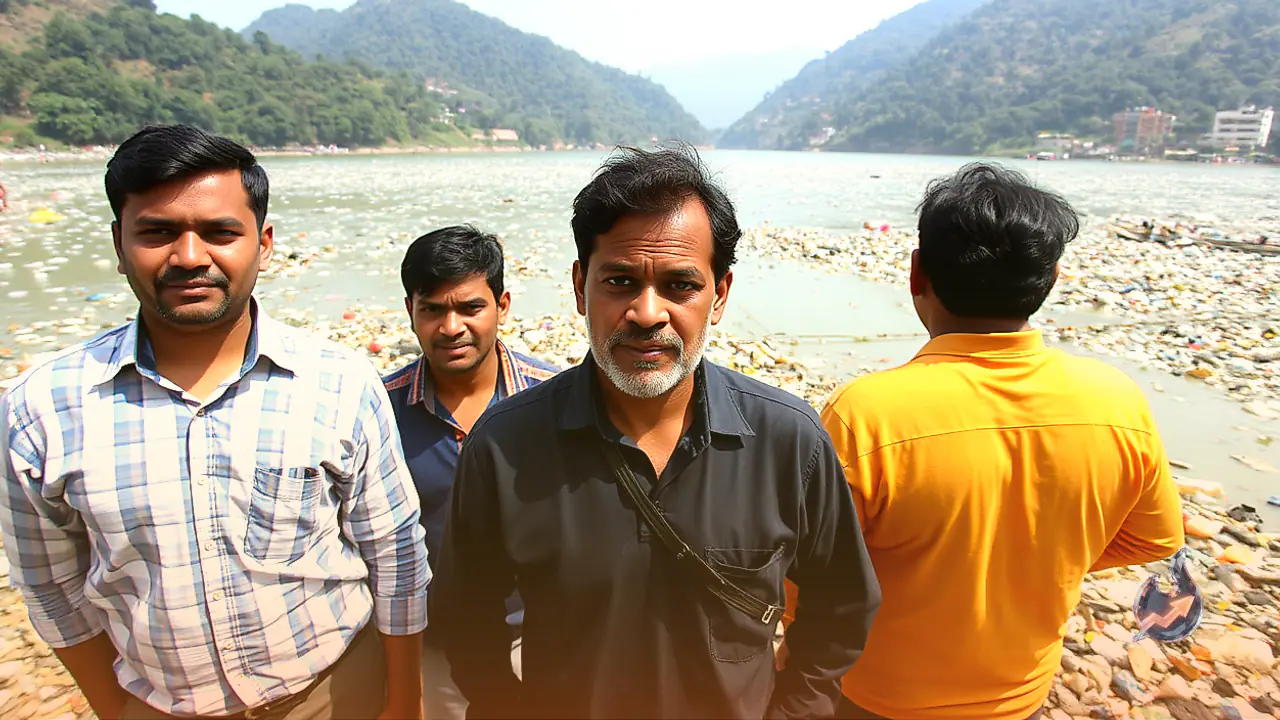

In Uttarakhand's famous hill station of Nainital, Sukhatal lake is currently filled to capacity following the monsoon, yet the surge in water has laid bare critical deficiencies in local sanitation and urban planning. Known as the primary natural recharge source for the iconic Naini lake, Sukhatal is currently plagued by floating plastic garbage and the inflow of raw sewage, creating an overwhelming stench throughout the vicinity. Despite a major beautification project executed at an estimated cost of around 25 crore rupees, the deteriorating condition of the water body has triggered serious alarm among residents and local representatives.
Local citizens point out that instead of enhancing the natural landscape, the post-monsoon rise in water levels has exposed glaring municipal neglect. Families residing in nearby settlements now face potential health hazards due to the persistent filth. This widespread distress has raised pressing questions about why adequate mechanisms for cleanliness, drainage, and waste management were not instituted despite the substantial expenditure of public funds.
The Core Objectives and Ground Realities
Approximately two years ago, beautification and infrastructure development work at Sukhatal lake was entrusted to Kumaon Mandal Vikas Nigam as the implementing agency. Under this ambitious civic scheme, various visitor-friendly amenities were developed along the lake's periphery, including pedestrian pathways, landscaped parks, protective railings, and decorative lighting poles. The administrative objective was to establish Sukhatal as an attractive new tourist destination, thereby reducing congestion around the central town and bolstering local hospitality activities.
However, when monsoon inflows filled the lake basin, several of these newly built infrastructure assets ended up submerged underwater. The presence of submerged construction, combined with accumulation of surface trash and allegations of sewage leaks entering the water, has sparked intense debate over the technical viability and ongoing maintenance of the initiative. The practical utility of the plan appears heavily compromised when compared to its initial blueprint.
Public Frustration over Mismanaged Funds
Expressing deep discontent over the prevailing conditions, local Sukhatal resident John Harper stated that public funds had been squandered under the guise of beautification. John Harper alleged that untreated sewage continues to pour into the lake basin alongside heavy piles of domestic garbage. He explained that multiple attempts were made to contact officials at Jal Sansthan to address this critical issue, but responsible authorities failed to answer his calls.
According to John Harper, the comprehensive development plan for Sukhatal was slated to involve an expenditure of around 26 crore rupees. The proposals included creating a dedicated shopping complex and introducing leisure boating facilities on the lake, yet these plans have failed to materialize meaningfully on the ground. He emphasized that roughly one thousand families reside in the immediate surroundings of the lake, all of whom are now forced to cope with foul odors and rising hygiene risks that threaten their health.
Local Ward Representative Demands Investigation
Gajala Kamal, the elected ward member representing the Sukhatal ward, has raised significant concerns regarding the planning and execution of the initiative. Gajala Kamal explained that while Kumaon Mandal Vikas Nigam carried out construction under the 25 crore rupee project, much of the intended work remains incomplete. She questioned the administrative foresight behind the project, asking why seasonal hydrological variations and peak monsoon water levels were not properly factored in before designing structures in an area known to submerge during heavy rains.
Gajala Kamal noted that with major infrastructure components currently sitting underwater, the broader goal of drawing tourists remains in jeopardy. She has demanded that municipal workers immediately begin extracting accumulated plastic and solid waste from the water. She warned that if the garbage is not cleared promptly, the waste and silt will settle into the lakebed as water levels recede, making subsequent desilting efforts far more challenging. Additionally, she demanded full transparency regarding the lake's inflow and outflow channels, a clear status report on expenditures, and an official investigation into the 26 crore rupee undertaking.
Ecological Significance and Future Outlook
Beyond its recreational potential, Sukhatal plays an indispensable ecological role as the primary underground recharge feeder for Nainital's central Naini lake. Maintaining pristine water quality in Sukhatal is vital for protecting the hydrologic equilibrium of the entire valley. The entry of contaminated sewage and solid waste represents a direct threat to this sensitive mountain ecosystem.
Unless swift corrective measures are implemented for wastewater interception, routine sanitation, and regulated water drainage, the environmental degradation will continue to affect local inhabitants and the broader ecology of Nainital. Community members and environmental advocates continue to insist that authorities review the execution of the multi-crore project and finish all pending works without further delay.