
















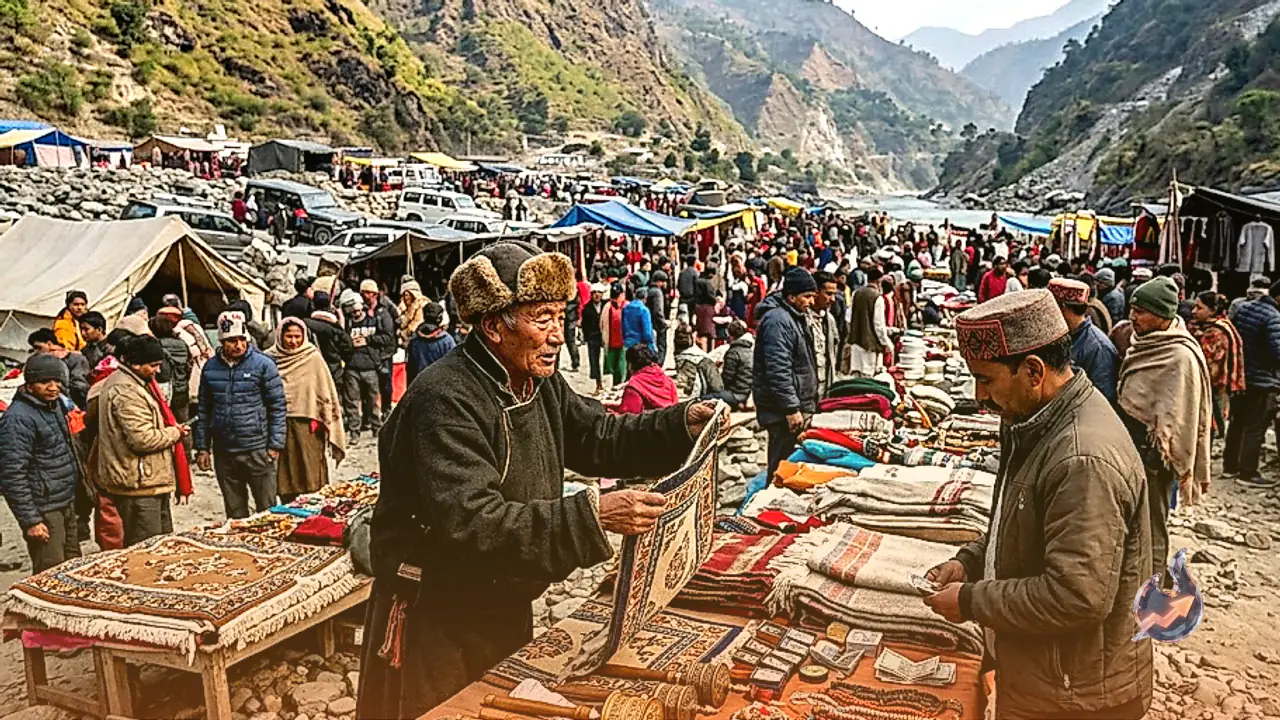

Cross-border commerce between India and China has resumed through Pithoragarh, setting the stage for the revival of the historic Jauljibi fair after a prolonged hiatus. Following mutual agreement between both nations, commercial movement across the Himalayan border has restarted. Three contingents of Indian traders have already departed for the Taklakot trade mart located in Tibet, preparing to procure unique high-altitude goods that have historically served as the cornerstone of this regional congregation.
Lipulekh Pass Route and the Six-Year Trade Freeze
Border trade between India and China through the Lipulekh pass had been functioning continuously since 1992, creating an established seasonal commerce channel. This flow came to an abrupt halt in 2020 when China suspended cross-border movement, leaving local business networks dormant for six years. The revival of this bilateral arrangement allows Indian traders to once again source traditional mountain commodities that residents across the Himalayan range depend upon, including items that are virtually impossible to find in regular commercial markets elsewhere.
Historic Assembly at the Confluence of Kali and Gori Rivers
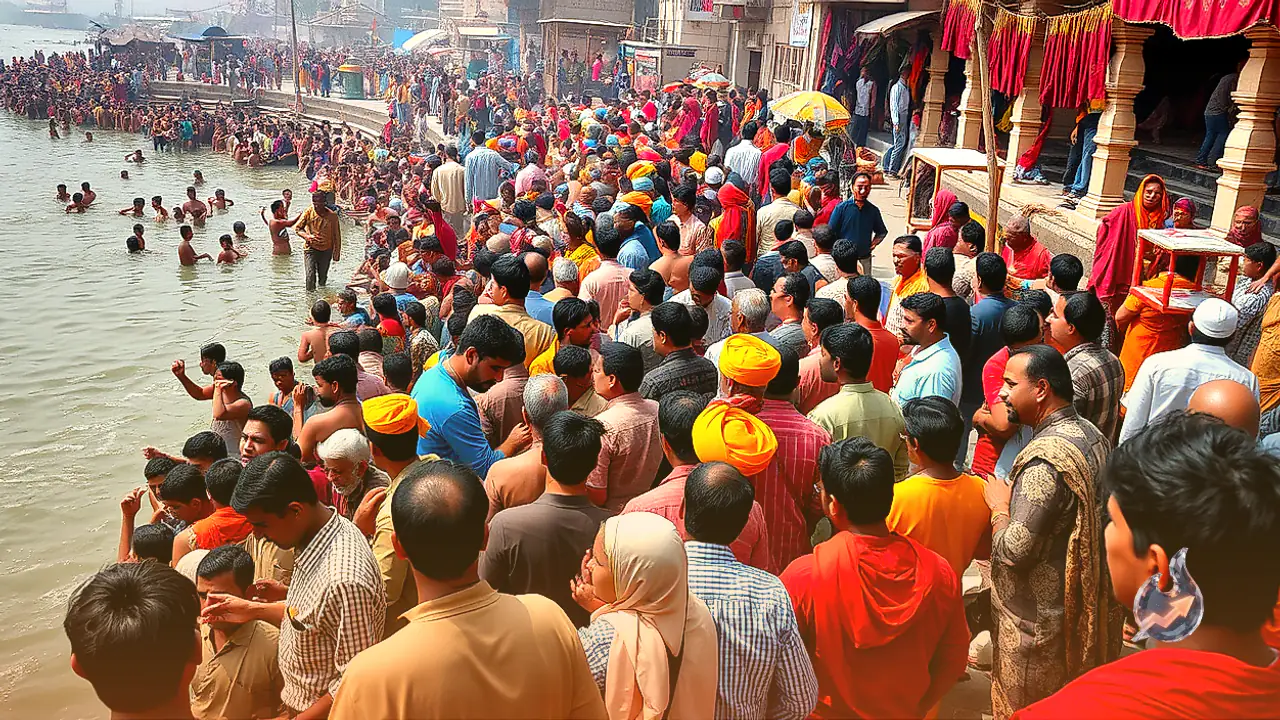
The annual Jauljibi fair is scheduled to commence on November 14 at the confluence of the Kali and Gori rivers in Pithoragarh. In earlier eras, the fair functioned as a trilateral marketplace connecting merchants from India, Nepal, and Tibet. While Tibetan merchants no longer travel directly to pitch their own stalls, traders from India and Nepal continue to gather at the site. Although the overall structure and scale of the fair have transformed considerably over the decades, goods originating from Tibet remain its primary attraction for regional shoppers.
High Demand for Chirbi, Woolens, and Mountain Specialties
Indian merchants traveling to Taklakot primarily source sambhar leather shoes, woollen garments, heavy jackets, chirbi, traditional warm blankets, and churu. These distinctive goods routinely witness the highest buyer interest during the fair. Local trader Gajendra Singh stated that the suspension of India-China trade prevented authentic Tibetan goods from reaching the Jauljibi grounds over the past 6 years. While a few merchants did manage to bring in small consignments through Nepal during previous seasons, high transit costs inflated retail prices and kept buyers away. With direct trade ties restored, fairgoers are now assured direct access to these essential Himalayan products.