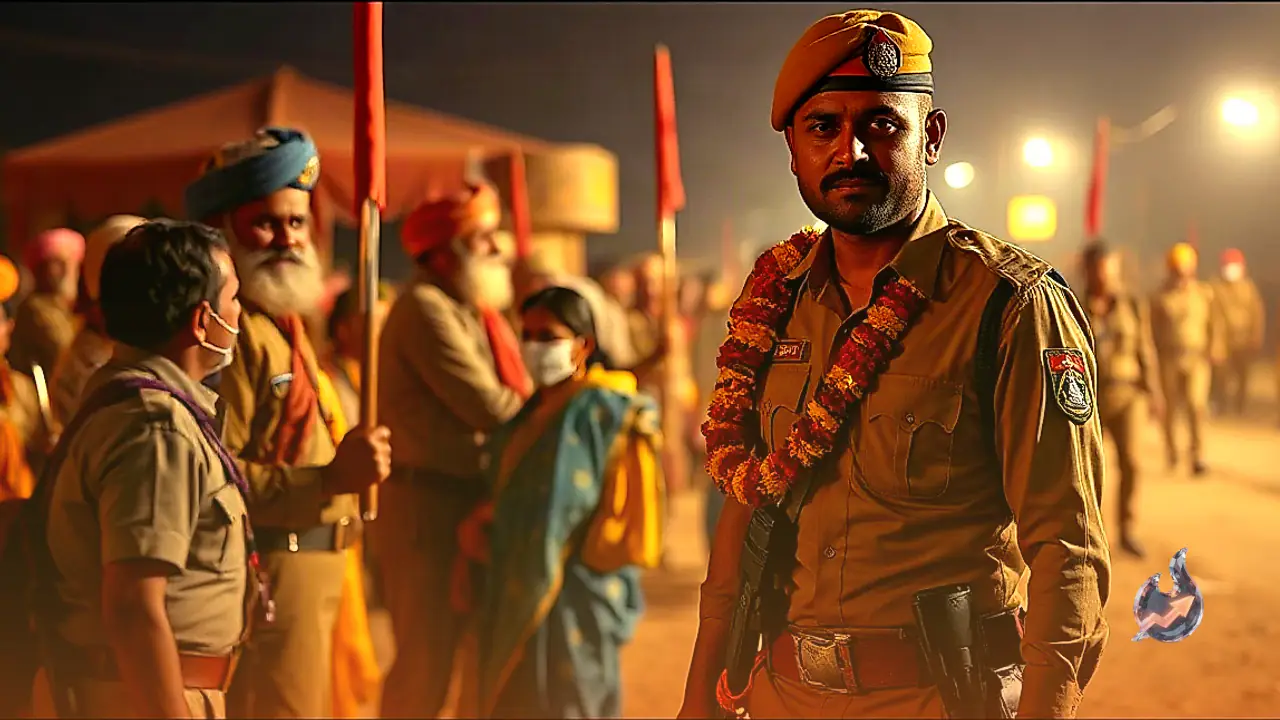















The lakeside city of Nainital in Uttarakhand is preparing to host the 2026 edition of the Shri Nanda Devi Festival, blending spiritual devotion with the rich cultural heritage of the Kumaon region. Alongside the sacred rituals dedicated to Goddess Nanda and Goddess Sunanda, the festival will serve as a stage for traditional music, dance, and centuries old customs. A key highlight of this year's celebration is the introduction of the famous 'Lakhiya Bhoot' from Pithoragarh's Sor Valley, which will feature in a public procession through the streets of Nainital.
Organized by the Shri Ram Sevak Sabha, the eight day festival is scheduled to run from September 16 to September 23, 2026. The itinerary includes ceremonial prayers, cultural performances, traditional tableaux, town processions, lighting rituals, and community feasts. Organizers are placing special emphasis on engaging younger audiences and leveraging digital platforms to showcase Kumaoni culture to a wider global audience.
Pithoragarh's Sor Valley Lakhiya Bhoot to Take Center Stage
A major highlight of the 2026 cultural showcase will be the traditional presentation of Lakhiya Bhoot, a renowned folk figure from the Sor Valley of Pithoragarh district. Brought to Nainital as a special tableau and live ritual performance, Lakhiya Bhoot represents a unique aspect of Kumaon's spiritual folklore.
According to the organizers, incorporating such traditional elements serves a purpose beyond mere entertainment. It provides a medium for passing down regional history, folklore, and spiritual traditions to younger generations. By introducing these traditional art forms in a vibrant setting, the organizers hope to spark curiosity among youth about their Himalayan roots.
Connecting Gen Z and Youth to Kumaoni Cultural Heritage
The 2026 edition of the Nanda Devi Festival is being structured to appeal to modern audiences while preserving its authentic heritage. The organizers are actively seeking to involve Gen Z by adapting cultural presentations into formats suitable for social media sharing.
By encouraging young attendees to record, stream, and share these performances online, the festival aims to create a digital archive of Kumaon's living heritage. This strategy helps foster regional pride among local youth while promoting Uttarakhand's folk arts across global digital networks.
Folk Music, Chholiya Dance, and Local Kumaoni Performing Arts
Throughout the eight day event, regional artists will showcase various forms of Kumaoni folk arts. The cultural lineup features Chholiya dance, a traditional sword and martial dance, along with folk vocal traditions such as Bair geet, Chanchari, and Jhoda. Performers will wear authentic traditional attire and utilize indigenous instruments like the hurka, dhol, and ransingha.
Mukesh Joshi Mantu, a member of the Shri Ram Sevak Sabha, noted that blending religious rituals with folk arts ensures the preservation of the region's cultural lineage. He emphasized that local performers will be given priority on stage alongside visiting cultural troupes from across the state. The festival is being organized with official logistical support from the District Administration and the Uttarakhand Tourism Department.
Sacred Banana Tree Rituals and Environmental Heritage
A central religious tradition of the festival is the ceremonial crafting of the divine idols of Goddess Nanda and Goddess Sunanda using wood from the sacred Kadali (banana) tree. Following strict ritualistic procedures, the tree is harvested and brought to the venue, where priests and artisans construct the sacred figures.
Prof. Lalit Tiwari, a senior member of the Sabha, highlighted the ecological symbolism behind this ancient practice. He explained that the Nanda Devi Festival reflects the deep interconnection between Himalayan nature and human society. The tradition of crafting idols from natural sacred flora serves as a reminder that the well-being of human communities depends directly on the preservation and protection of the Himalayan ecosystem.
Ashtami Idol Installation, Sacred Hawan, and Feast
In accordance with the religious calendar, the consecration and formal installation of the idols will take place on Bhadrapada Ashtami, immediately following Brahmamuhurta. This will be followed by Vedic Hawan ceremonies, special prayers, and a large scale community feast (Maha Bhandara) organized for visiting devotees and tourists.
The Shri Nanda Devi Festival 2026 aims to reinforce Nainital's identity as a cultural and spiritual landmark. By combining ancient rituals, regional folklore, and modern outreach strategies, the event offers an immersive experience into the living heritage of Kumaon.