

















Surendra Koli, who was once known as the prime accused in the horrifying and infamous Nithari serial killings of Noida, has died by suicide in the holy city of Haridwar, Uttarakhand. Following his acquittal by the Supreme Court in November last year, Koli had set out to rebuild his shattered life and distance himself from his dark and monstrous past. Emerging from the confines of prison, he was desperate to escape the shadow of the heinous allegations and the societal stigma that had defined him for years. In search of a fresh start, he relocated to Haridwar under the assumed name of 'Sadaram' and set up a modest roadside tea stall. Battling extreme poverty and looking forward to the immense commercial opportunities of the upcoming Kumbh Mela scheduled for next year, Koli hoped that this small business would yield a steady income and allow him to transition into a quiet, law-abiding existence.
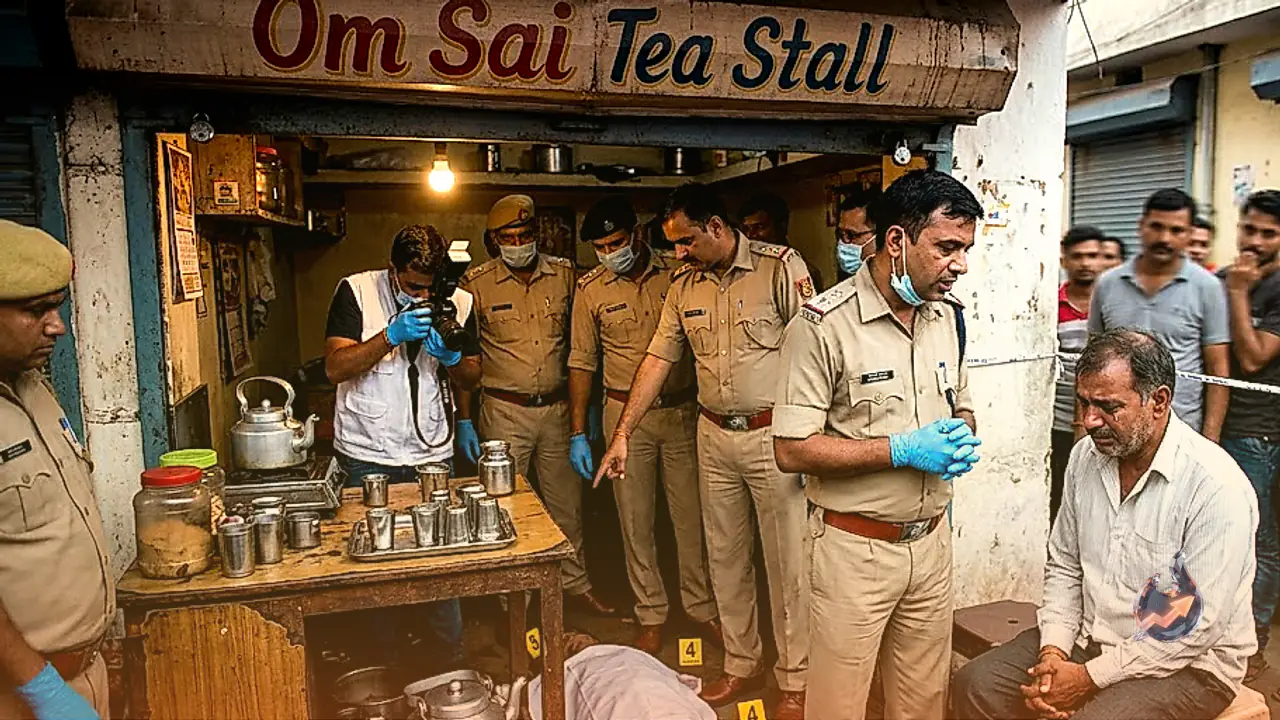
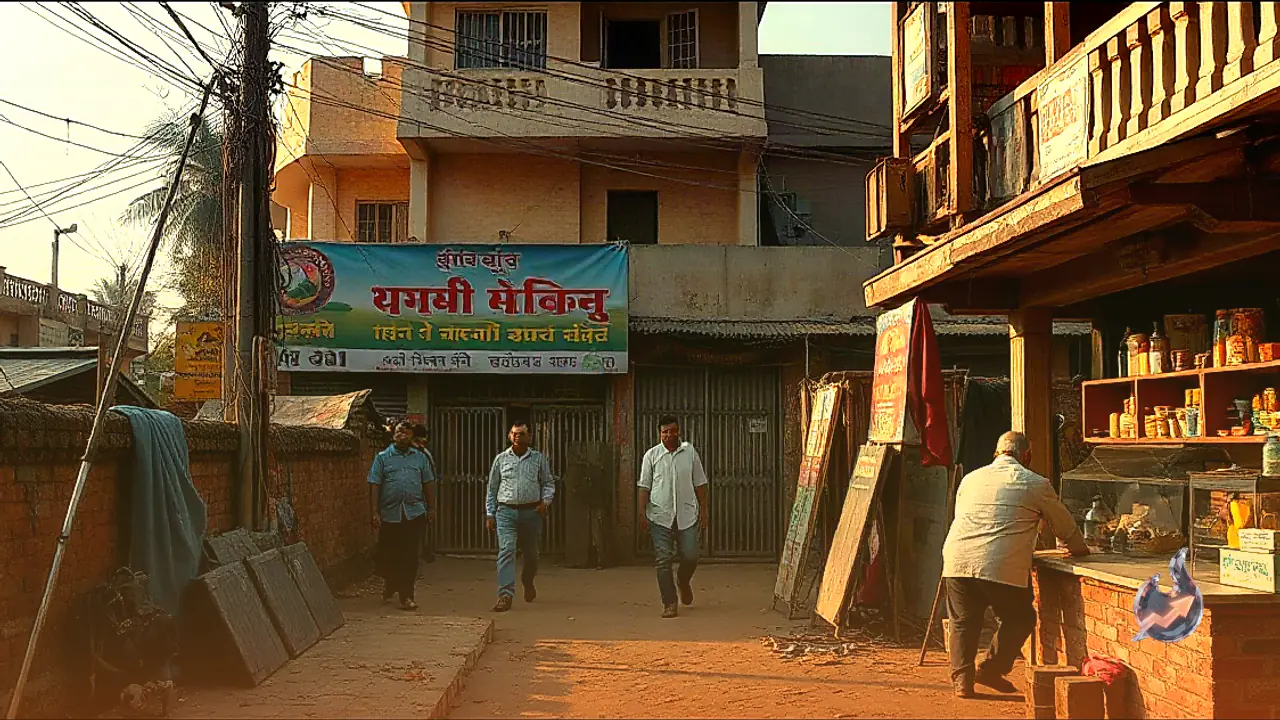
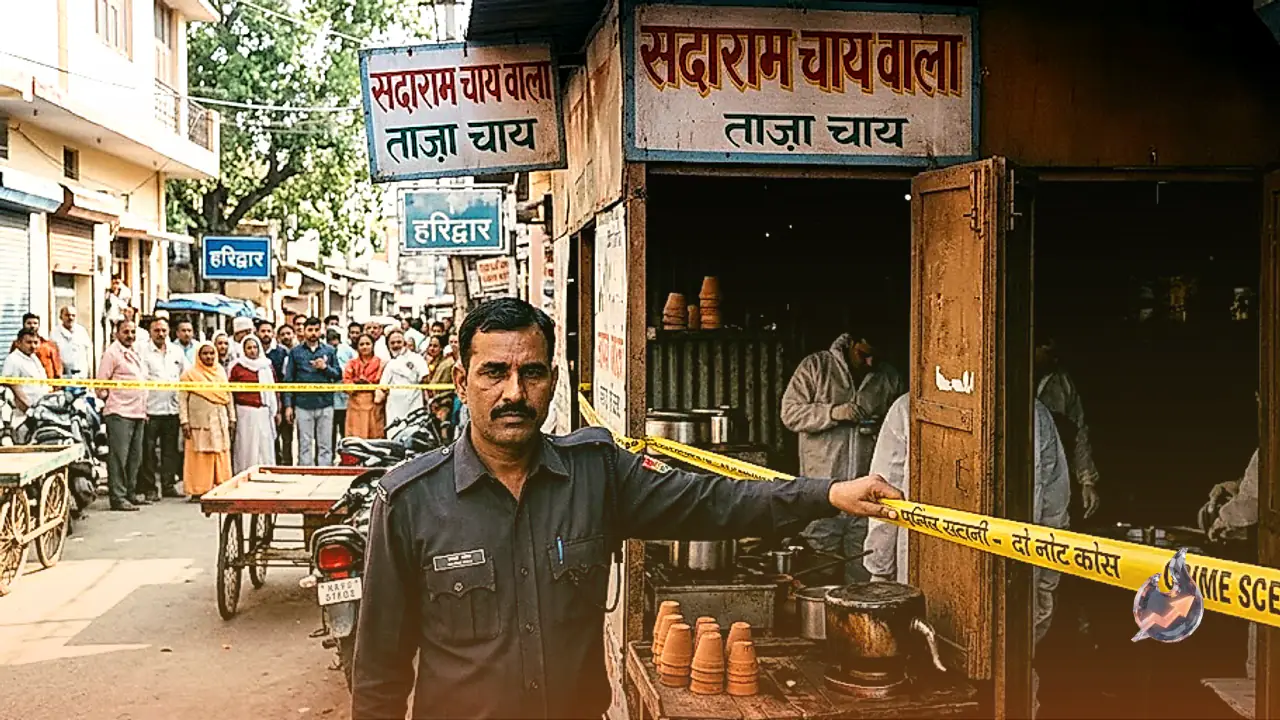
The tragic incident unfolded in the Bhupatwala area of Haridwar, where Koli had rented a small wooden shack to run his tea stall. According to local residents and shopkeepers, the tiny stall was formally inaugurated just this past Sunday with traditional prayers and rituals. To mark the beginning of his new venture, Koli had even distributed sweets to neighboring vendors and passersby. To everyone in the vicinity, the mild-mannered man behind the counter was simply known as Sadaram. None of the locals who accepted sweets from him or watched him smile as he held his tea kettle could have ever imagined that this ordinary-looking shopkeeper was actually Surendra Koli, a name that had once sent shivers down the spine of the entire nation.
A Quiet Life Under a False Identity
Local shopkeepers recalled that the man they knew as Sadaram was an exceptionally quiet individual who kept entirely to himself. He rarely conversed with anyone and spent his days focused solely on running his modest business. After closing up for the night, Koli would sleep inside the cramped confines of the tea stall itself, making it his makeshift home. Before venturing into the tea business, Koli had initially worked as a security guard at a residential housing society in the nearby Sidcul industrial area. However, the meager salary from his security job proved insufficient to cover his basic living expenses, prompting him to leave the job. He then decided to rent the small stall in Bhupatwala, banking on the massive influx of devotees expected during the upcoming Kumbh Mela to help him overcome his persistent financial distress.
Mental Agony and Personal Anguish
The shop had been secured with the help of Dharmendra Kaushik, a local youth who had befriended Koli. Dharmendra revealed that Koli often appeared deeply isolated, lonely, and burdened by immense mental stress. On Saturday, just a day before the suicide, Dharmendra visited the shop and found Koli in a state of severe distress. Upon asking about his troubled state of mind, Koli broke down and shared that it was his child's birthday. He expressed deep anguish over his inability to visit his family or celebrate the occasion due to his precarious financial situation and the social constraints binding him. Sensing his extreme helplessness, Dharmendra extended a helping hand and gave him 2,000 rupees to send home to his child. Tragically, this act of kindness would be the last interaction, as Koli was found dead the very next morning.
Police Investigation and the Mystery of Dual Identities
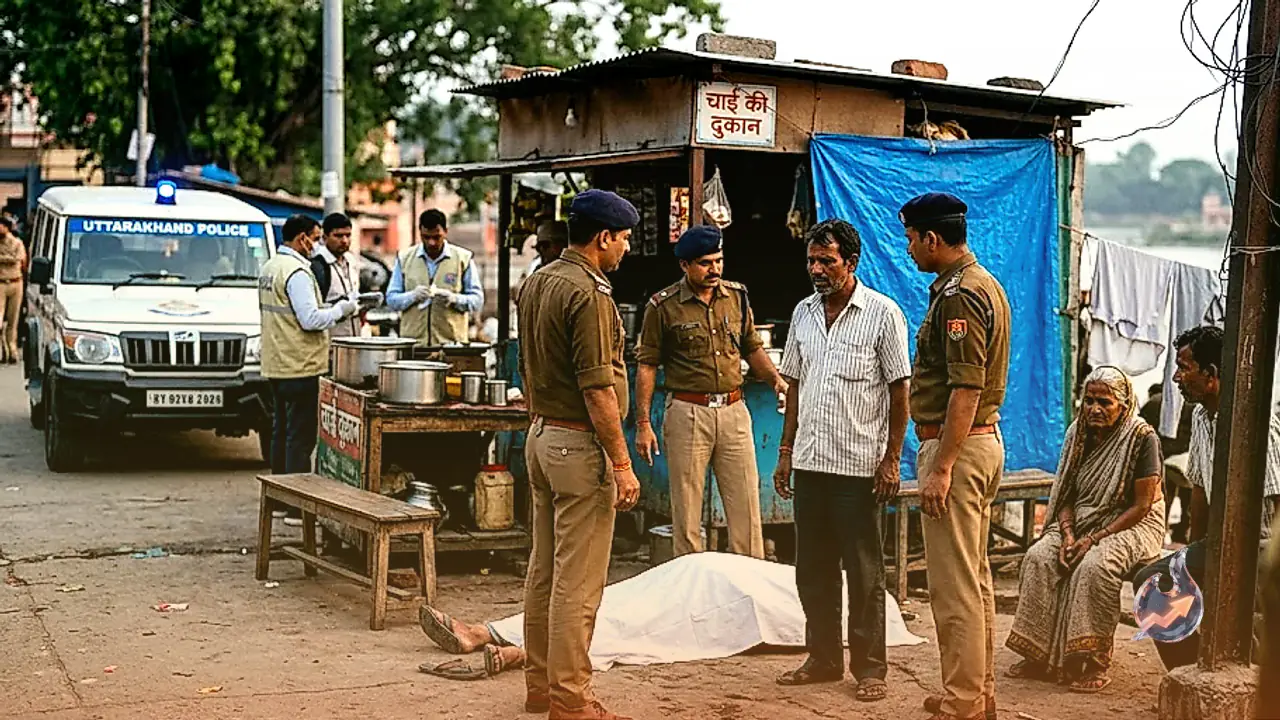
When the tea stall failed to open on Sunday morning, concerned neighbors looked inside only to discover Surendra Koli hanging from the ceiling. Local police were immediately alerted and arrived at the scene. Shishupal Singh Negi, the Circle Officer (CO) of Haridwar City, stated that a preliminary examination strongly points toward suicide. During a search of the premises, investigators recovered two distinct identity cards. One card bore the name of Surendra Koli, son of Shanker Ram, with a Noida address, while the other card identified him as Sadaram, son of Shanker Ram, with an address in Almora, Uttarakhand. This revelation of a dual life has added a layer of complexity to the case. The police are currently conducting a thorough investigation to understand what drove Koli to take his own life despite his attempts at rehabilitation. Investigators are looking into whether he was overwhelmed by the crushing weight of his past, societal ostracization, or the severe emotional and financial crises that plagued his final days.