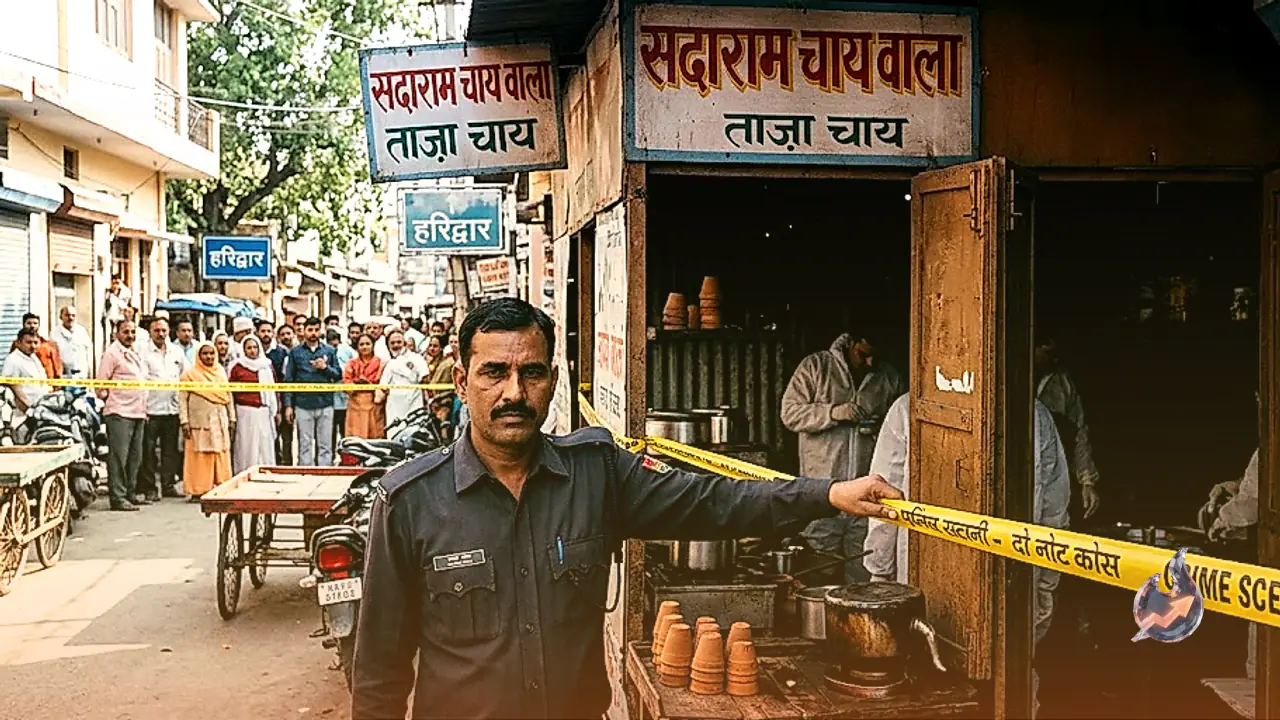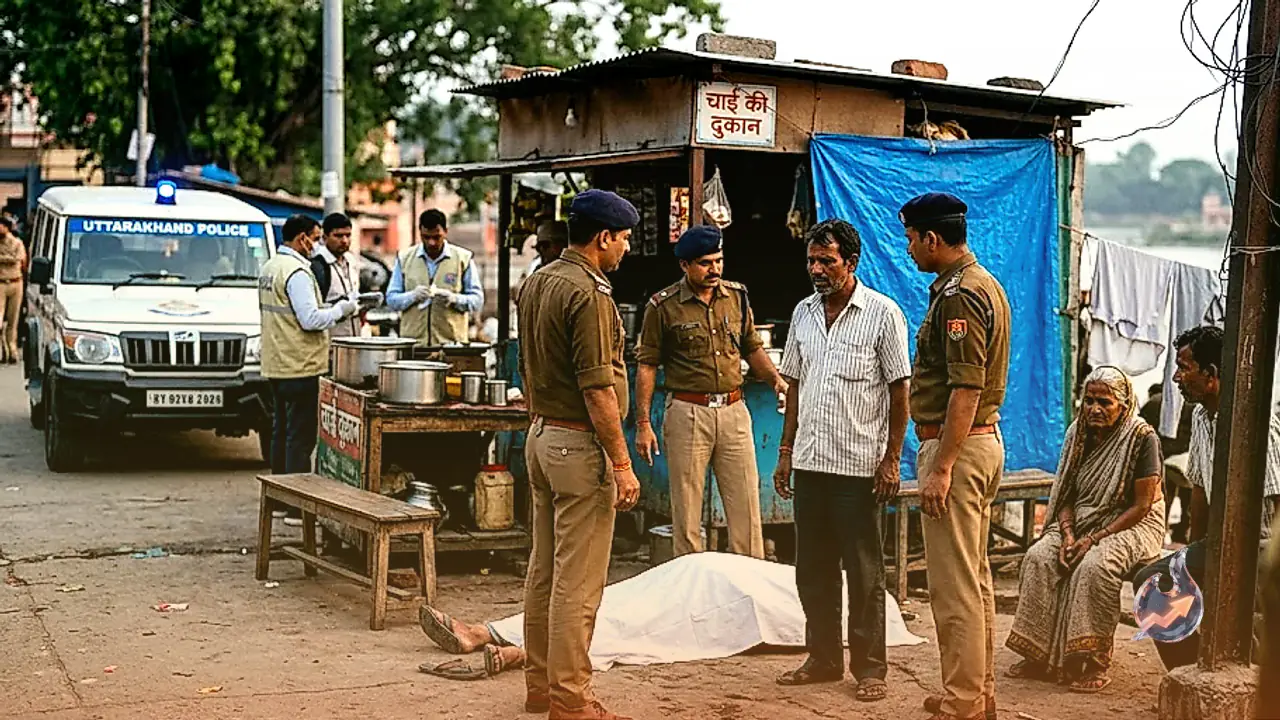







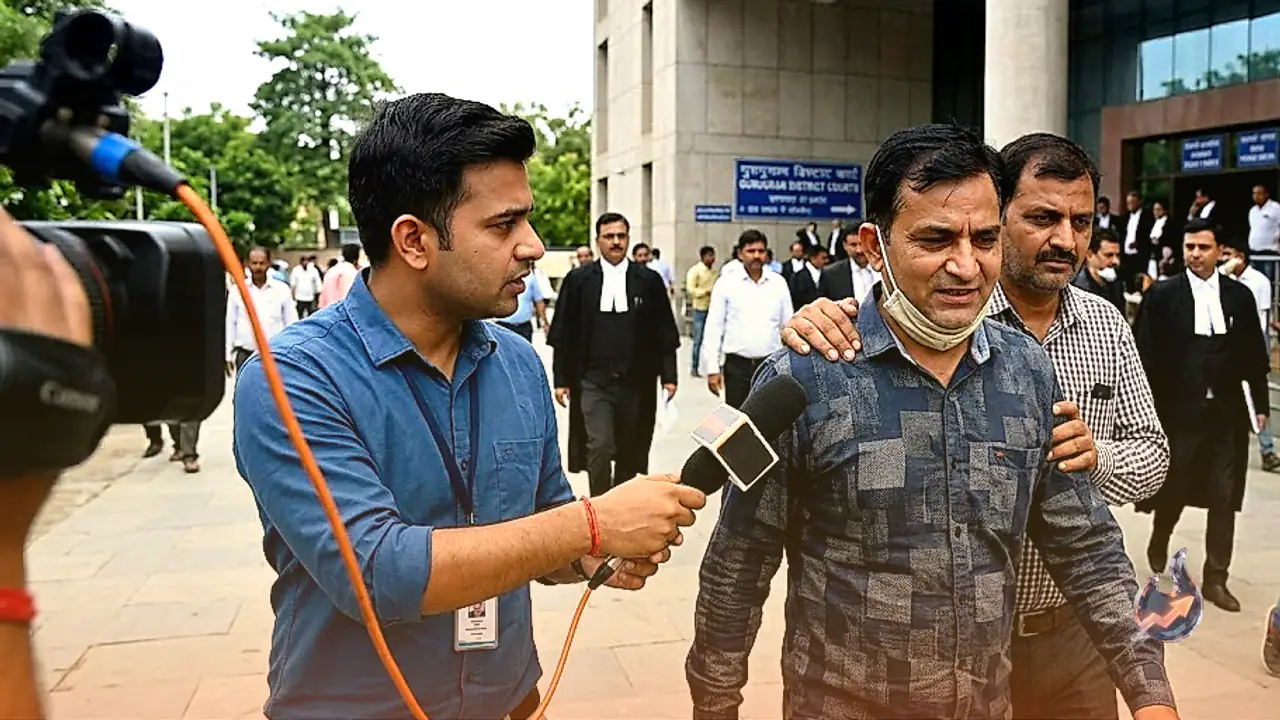

















Surendra Koli, the domestic worker at the center of the infamous Nithari serial killings, was found dead under mysterious circumstances inside a roadside tea stall in Haridwar, Uttarakhand. The body was discovered hanging on Friday, prompting authorities to schedule a post-mortem examination for Saturday. Upon receiving the news, Koli's elder brother, his son, and roughly four to five residents from his native village traveled to the Haridwar mortuary to follow the formal procedures. The sudden development has once again turned the public spotlight on one of the most gruesome criminal chapters in modern Indian history.
Kin Allege Murder and Urge Thorough Administrative Probe
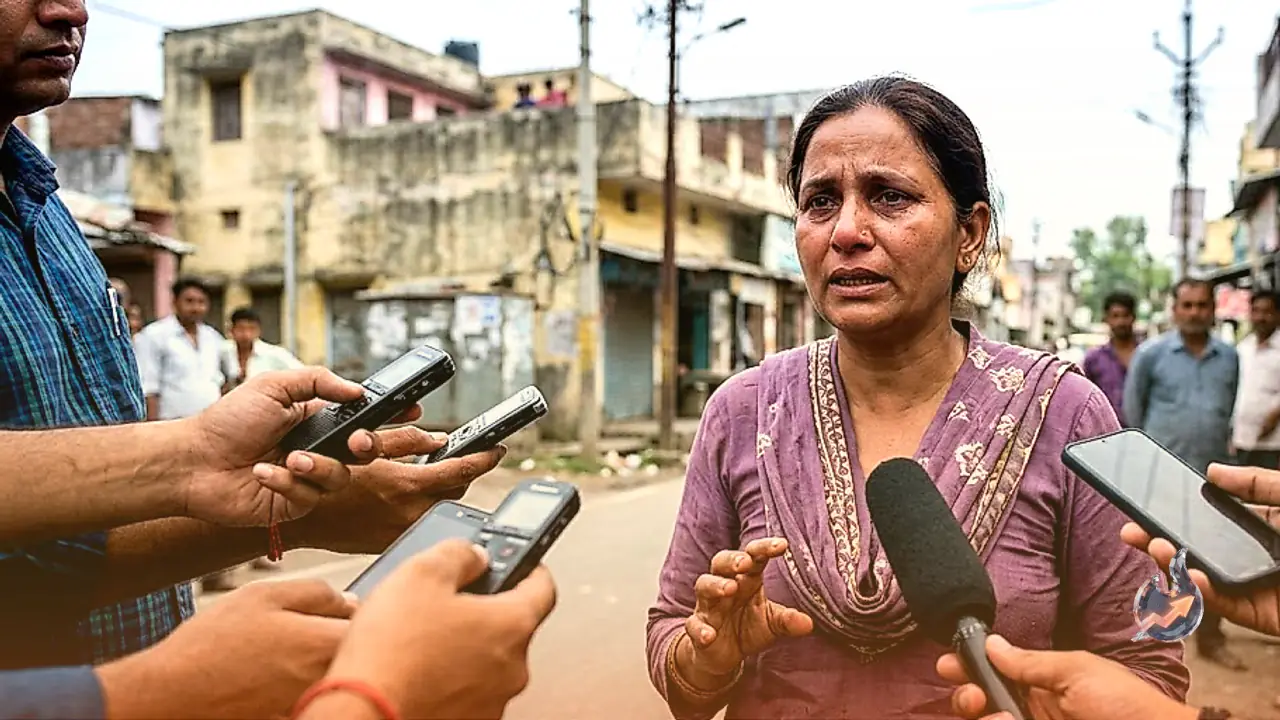
Casting deep doubts over the nature of the demise, Koli's relatives along with former district panchayat member Narayan Singh Rawat raised sharp questions regarding the official narrative. The family has firmly rejected the possibility of suicide, alleging that the circumstances indicate foul play and premeditated homicide. According to them, the physical posture and surrounding state in which the body was recovered point to troubling discrepancies that warrant a comprehensive and unbiased administrative investigation. Conversely, law enforcement personnel stated that an inquiry is actively underway, maintaining that the precise cause of death will only be ascertained once the medical board releases its autopsy report.
The Gruesome Discoveries at Noida's D-5 Bungalow
The dark saga originated in Nithari village, Noida, where human skeletons, severed skulls, and personal belongings of missing women and children were unearthed from a drainage ditch adjoining bungalow D-5, owned by businessman Moninder Singh Pandher. Working as Pandher's domestic helper, Koli faced direct accusations of executing these chilling acts. He was charged with a horrific spectrum of offenses including abduction, rape, murder, and cannibalism. Following extensive investigations, the Central Bureau of Investigation submitted chargesheets across multiple individual incidents, resulting in capital punishment handed down by the trial court. However, subsequent legal proceedings before the high court had overturned several convictions citing insufficient substantiation.
Unraveling of the Murders: The Disappearance of Payal
Between 2005 and 2006, children and women from the marginalized neighborhood of Nithari had been disappearing in rapid succession. Local police initially treated the missing person complaints with indifference, dismissing them as ordinary runaways. The breakthrough finally occurred following the disappearance of a young woman named Payal.
Acting on a formal complaint from Payal's father, investigators traced her mobile phone records, call logs, and cellular tower coordinates, which tracked her last known presence directly around Pandher's residence. Guided by this suspicion, police undertook a rigorous cleaning and digging operation of the drain behind the property on December 29, 2006. The excavation revealed a harrowing cache consisting of 19 human skeletons, discarded skulls, and garments belonging to young victims. Authorities promptly took Moninder Singh Pandher and Surendra Koli into custody. During custodial interrogation, Koli confessed to kidnapping, sexually assaulting, killing, and cannibalizing the victims.
Timeline of Legal Proceedings and Judicial Rulings
The protracted courtroom trajectory of the Nithari cases spanned nearly two decades across multiple judicial tiers
- 2005 to 2006: Dozens of minor children and women went missing from Nithari village without prompt police action.
- December 29, 2006: Skeletal remains were recovered from the municipal drain behind the bungalow, leading to the immediate arrest of Pandher and Koli.
- January 11, 2007: Due to procedural lapses by local police and the sheer gravity of the atrocities, the probe was formally transferred to the CBI.
- May 2007: The central agency filed its inaugural chargesheet regarding the Rimpa Haldar murder case.
- February 13, 2009: A special CBI court in Ghaziabad convicted both Koli and Pandher in the Rimpa Haldar case, awarding them death penalties for the first time.
- September 2009: The Allahabad High Court acquitted Pandher in the Rimpa Haldar case but upheld the death sentence pronounced for Koli.
- 2010 to 2014: The Supreme Court affirmed the capital sentence for Koli, and his subsequent mercy petition was rejected by the President.
- 2015 to 2022: In successive trials, the special CBI court convicted Koli in over 12 additional cases, awarding multiple death sentences, while Pandher was also found guilty in select matters.
- October 16, 2023: The Allahabad High Court acquitted Surendra Koli in 12 cases and Moninder Singh Pandher in 2 cases. The bench observed that the prosecution had failed to establish circumstantial evidence beyond reasonable doubt, noting glaring investigative deficiencies and irreconcilable witness contradictions before ordering their release.