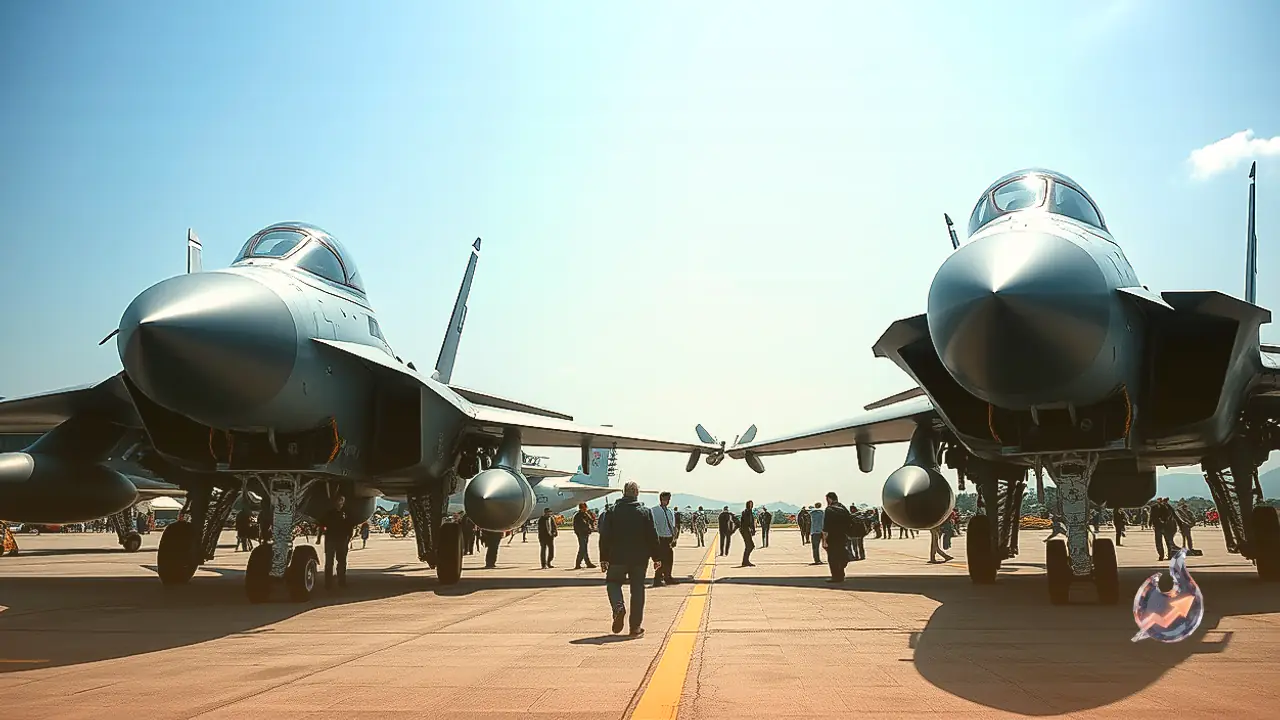


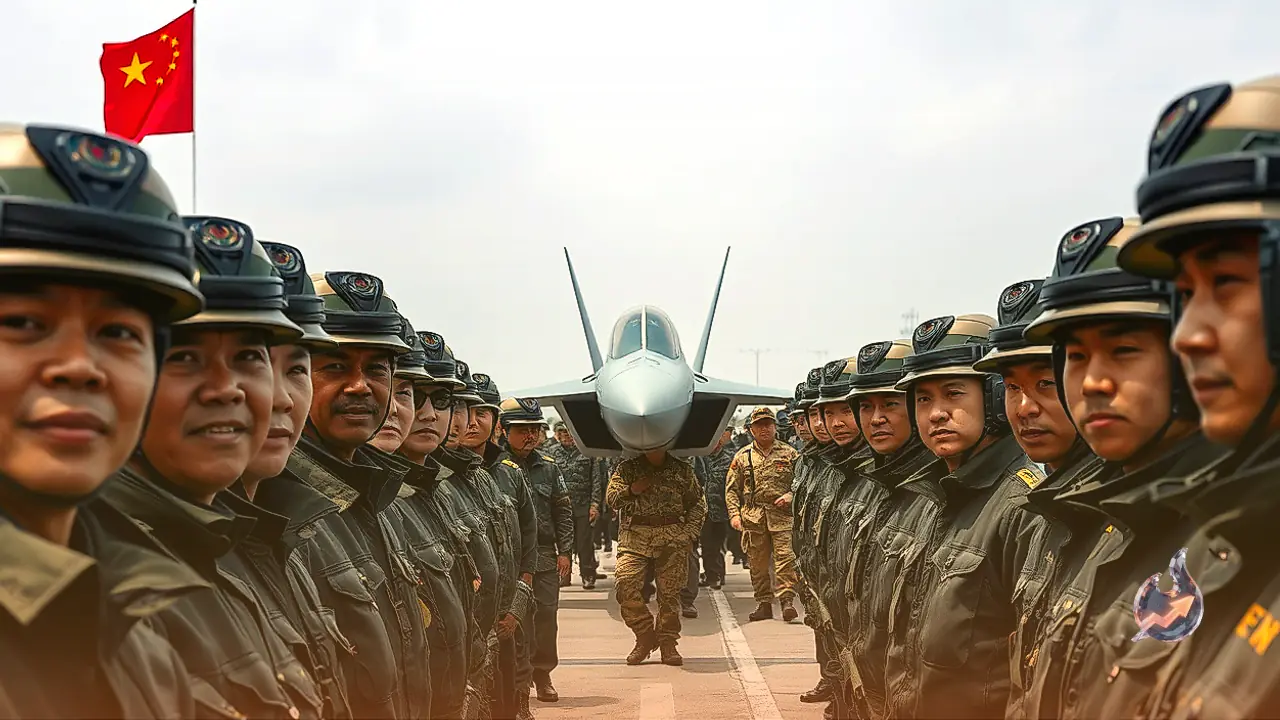















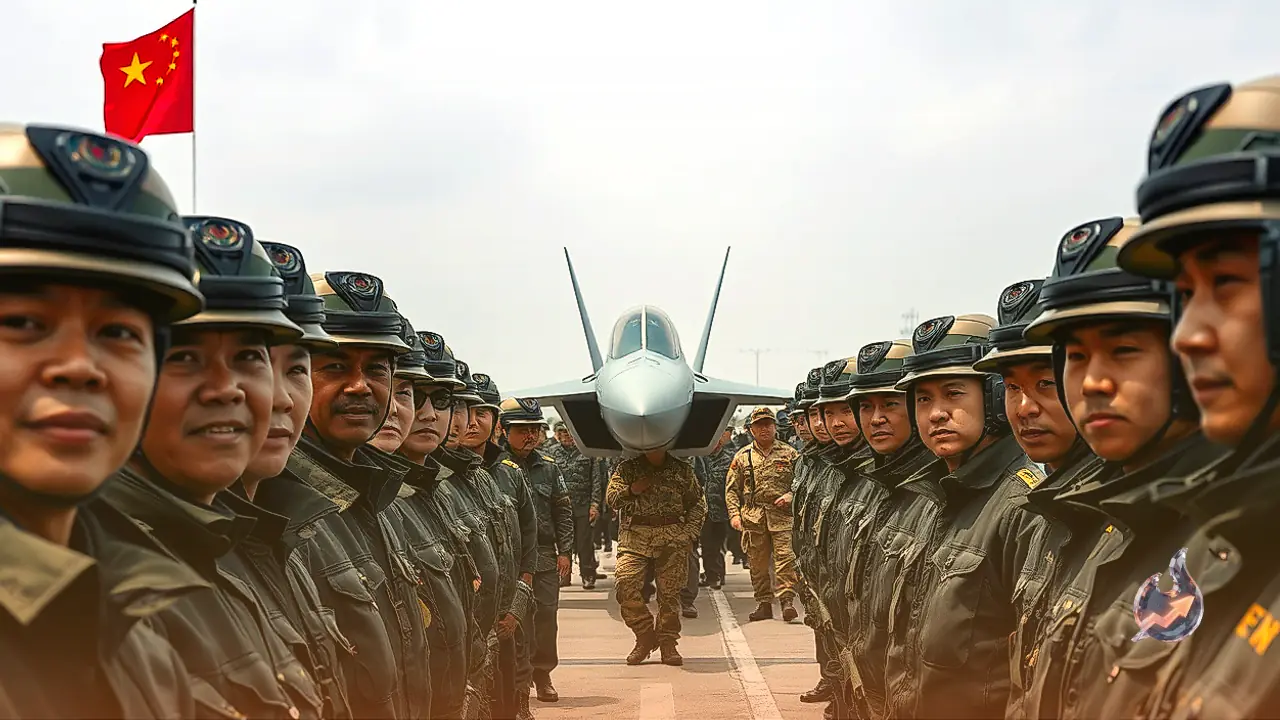

Beijing has developed one of the fastest-modernising armed forces on the planet, pouring billions of dollars into high-end hardware over the last several decades. The Chinese military now commands fifth-generation combat aircraft, cutting-edge ballistic and cruise missiles, an expansive surface navy, extensive long-range strike capabilities, and comprehensive operations spanning space to cyber warfare. The strategic ambitions behind this buildup are unmistakable, as Beijing openly seeks to project power well beyond Asia and establish itself as a dominant global military powerhouse. Yet the true strength of any fighting force cannot be measured merely by counting missile silos, hulls, or advanced airframes. The pivotal question troubling defense planners is whether the pilots, sailors, soldiers, and commanders tasked with operating these multi-billion-dollar arsenals possess the operational competence and mental grit required under the chaotic conditions of actual warfare.
The Peace Disease and Decades of Missing Battlefield Experience
Scrutiny regarding the human element behind these sophisticated systems did not originate from foreign defense analysts; it was raised directly from within the Chinese military itself. Within Chinese military terminology, this systemic institutional complacency and procedural inertia is described by a specific phrase: peace disease. This concept does not refer to a medical condition. Instead, it defines a deeply ingrained institutional mindset, a risk-averse training culture, and organizational friction that takes root when an armed force remains distant from real-world armed conflict across multiple generations. Its primary symptoms include an absence of practical battlefield experience despite having advanced weaponry, a training atmosphere that actively masks operational errors, and an entrenched tendency to avoid unpredictable combat scenarios.
The central operational vulnerability confronting the People's Liberation Army, or PLA, is not rooted in its technology, but in its lack of practical experience. China last fought a large-scale war in 1979 against Vietnam. In the decades since that conflict, the country has witnessed localized border tensions, diplomatic standoffs, and scheduled exercises, but nothing resembling an integrated modern campaign. Consequently, the vast majority of current soldiers, fighter pilots, naval commanders, and senior general staff across the PLA have spent their entire professional careers without witnessing real combat. They have studied modern tactics in manuals, rehearsed maneuvers inside digital simulators, and performed scripted drills, yet they have never operated amid the confusion, mortal terror, logistics breakdowns, and unpredictable friction inherent to an active combat theater.
Scripted Exercises and the Hazard of Risk-Averse Drills
Warfare is fundamentally an endurance test of human judgment and operational resilience rather than an automated technical exercise. Battle lines simultaneously test logistical resupply lines, fuel stockpiles, and hardened communications links, alongside the psychological resolve of ground troops and the tactical composure of commanding officers. A comprehensive 2015 study examining these institutional dynamics cited internal assessments from PLA officers who acknowledged that training across several branches had grown unrealistic, lax, and excessively easy. Ni Wenxin, then serving as deputy chief of the Nanjing Military Region Air Force, specifically pointed to the concept of peace disease to describe the persistent institutional malaise affecting readiness.
What makes this acknowledgment especially telling is that it emerged directly from within the military hierarchy rather than external commentary. A major source of concern was that many routine military exercises functioned essentially on pre-planned scripts where the end results were largely decided beforehand. Tactical commanders and participating troops frequently knew precisely what event would occur next during maneuvers. Exercise parameters were deliberately engineered to minimize operational risks, designing controlled settings where the probability of units failing was kept artificially low. Yet genuine warfare never adheres to a pre-arranged blueprint. Opposing forces do not follow an agreed-upon script; an adversary deliberately disrupts tactical forecasts, degrades command infrastructure, and forces leaders to make split-second choices for which no routine procedures exist.
Impaired Tactical Decision-Making and High-Tempo Operations
The primary purpose of military exercises is not to stage flattering operational successes for leadership, but rather to ruthlessly expose tactical shortcomings and structural flaws. If soldiers and pilots are shielded from making critical mistakes during peacetime drills, they forfeit the vital opportunity to identify vulnerabilities and adjust their combat doctrine. Critical assessments found this exact limitation within several pilot development programs inside the Chinese air branch. Close air combat routines were singled out for lacking operational realism, as excessive safety restrictions led units to sidestep difficult flight conditions and high-risk maneuvers. As training environments were insulated to prevent accidents, they diverged further from the chaotic reality of modern air combat.
In high-intensity air combat, an interceptor pilot cannot predict the defensive maneuver or banking angle an enemy fighter will execute. Tactical survivability hinges entirely on instinctive reactions and immediate critical judgment developed under duress. When aircrews are trained exclusively in sanitized, pre-structured conditions, their capacity to respond decisively against an unpredictable adversary becomes severely degraded. This is the most dangerous consequence of peace disease: it does not strip away advanced armaments, but it erodes the human capacity to make sound tactical decisions under extreme pressure.
Modern high-intensity warfare is never confined to brief, isolated skirmishes; it demands sustained operational tempo across days, weeks, or even months. Fighter squadrons must run recurring operational sorties, command facilities must function continuously without interruption, and personnel must execute complex tasks while enduring acute fatigue, sleep deprivation, and severe cognitive overload. Internal findings noted that maintaining sustained, high-tempo flight operations over prolonged intervals represented a relatively unfamiliar challenge for both the PLA Air Force and Naval Air Force. As an illustration of this developmental baseline, it was only in March 2013 that the Nanjing Military Region Air Force conducted its first 24-hour continuous flight operation exercise, demonstrating that the service was only beginning to master the grueling endurance necessary for protracted combat.