























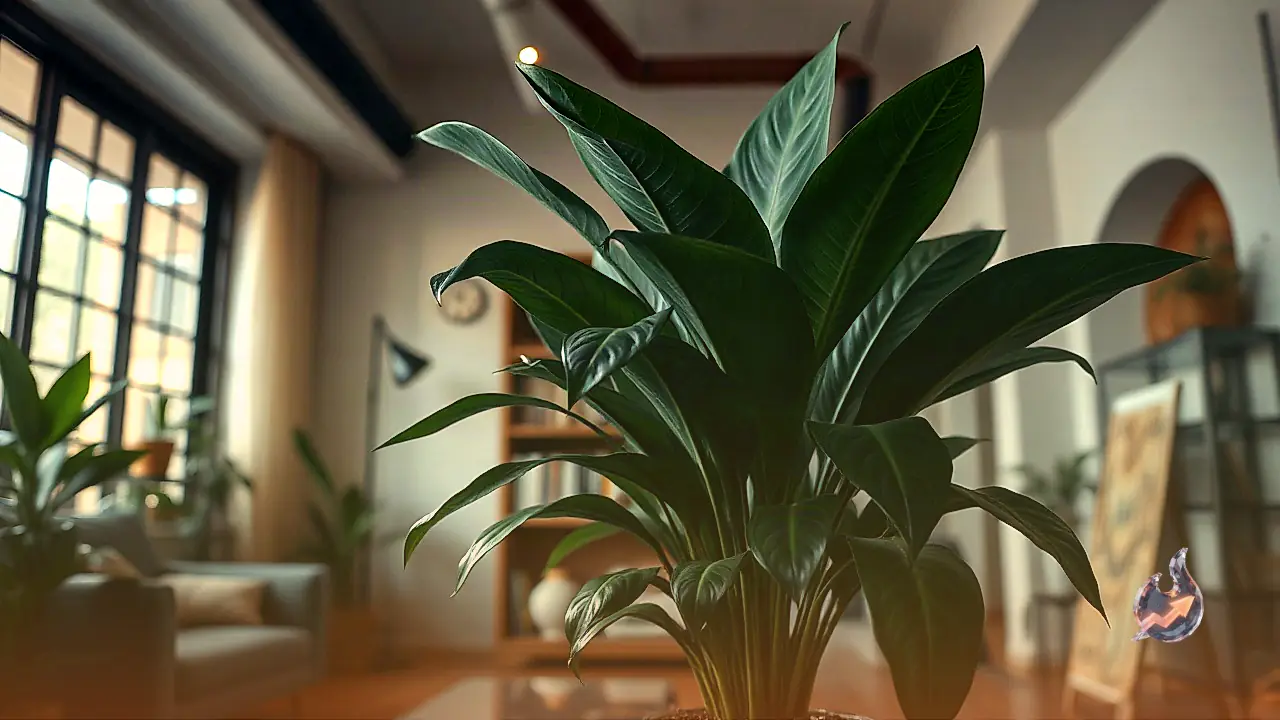

In today's fast paced lifestyle, indoor gardening has become a popular way to bring natural serenity into living spaces. Among various indoor options, the rubber plant stands out as an exceptional choice for working professionals and home decorators alike. Environmentalist Kishan Malra from Bageshwar highlights that the rubber plant is ideal for individuals who may not have dedicated hours for intensive plant care. This hardy indoor plant thrives on low watering routines and indirect light, serving as a durable and aesthetically pleasing addition to modern households. With appropriate placement and basic maintenance, a rubber plant can stay vibrant and healthy for many years.
Key Aesthetic Benefits and Mental Well-being
The primary appeal of the rubber plant lies in its bold, thick, and glossy green foliage. These broad leaves instantly elevate the visual aesthetics of any indoor setting, transforming dull corners into vibrant green zones. Whether placed in a spacious drawing room, a cozy balcony, or a modern office space, the plant creates a calming ambiance. Spending time near living greenery helps alleviate daily mental stress and promotes relaxation. Engaging in simple gardening routines, such as watering or wiping plant leaves, is widely regarded as a restorative, positive daily activity.
Selecting the Right Pot and Soil Mixture
Setting up a rubber plant at home requires minimal preparation. Begin by selecting a medium sized pot equipped with adequate drainage holes at the bottom. Proper drainage is crucial, as standing water can lead to root rot and plant decay. Prepare a balanced potting mix using regular garden soil, organic compost, and a proportion of sand. The inclusion of sand ensures that the soil remains well-drained and aerated. After potting the plant, water it lightly and place it in a well-lit area. As the plant expands in size over time, it can easily be repotted into a larger container to support its developing root structure.
Balancing Sunlight, Water, and Temperature
Ensuring optimal lighting and moisture levels is essential for keeping a rubber plant healthy. While the plant requires ample light, direct exposure to harsh, intense sunlight should be avoided, as it can scorch and discolour the broad leaves. Placing the pot near a window where bright, indirect sunlight filters through is recommended. Water management is equally important; soil should be watered only when the top layer feels completely dry to the touch. Overwatering remains one of the most common causes of plant damage. Furthermore, rubber plants thrive in normal room temperatures but must be shielded from chilly drafts, sudden temperature shifts, or direct airflow from air conditioners.
Maintaining Glossy Leaves and Plant Hygiene
Over time, dust particles tend to settle on the broad surface of rubber plant leaves, which can reduce their signature shine and hinder optimal photosynthesis. Cleaning the leaves periodically with a damp, soft cloth removes accumulated dust and restores the plant's natural gloss. Regular inspection of the undersides of leaves and stems allows plant owners to catch potential pest infestations or foliage issues early, ensuring prompt treatment before the plant's health deteriorates.
Crucial Safety Measures and Sap Handling
While rubber plants are simple to care for, proper safety precautions must be followed during routine maintenance. The stems and leaves of the rubber plant contain a sticky, milky white latex sap. Direct contact with this sap can trigger skin irritation, allergic reactions, or eye discomfort. Therefore, it is advisable to wear protective gloves when pruning or trimming the branches. Additionally, because the plant sap can be harmful if ingested, the pot should be placed out of reach of curiosity driven pets and young children.
Vastu Traditions and Decorative Placement
In addition to its decorative appeal, many households associate the rubber plant with Vastu beliefs and traditional symbolic meanings. Green and thriving houseplants are often believed to attract positive energy, harmony, and prosperity into the home. Many homeowners place rubber plants near living room corners or entryway areas to invite tranquility. While scientific evidence supporting these spiritual beliefs is limited, the primary benefit of the rubber plant remains its undeniable contribution to indoor beauty, fresh atmosphere, and natural indoor decor.