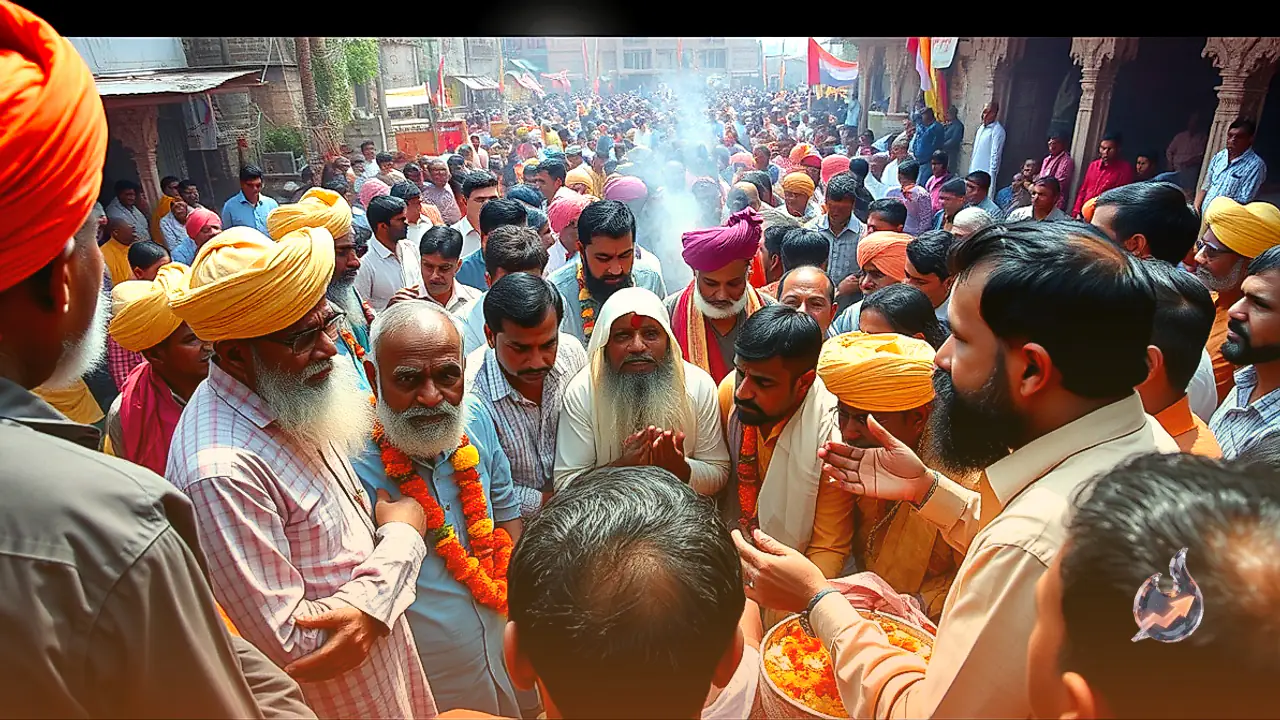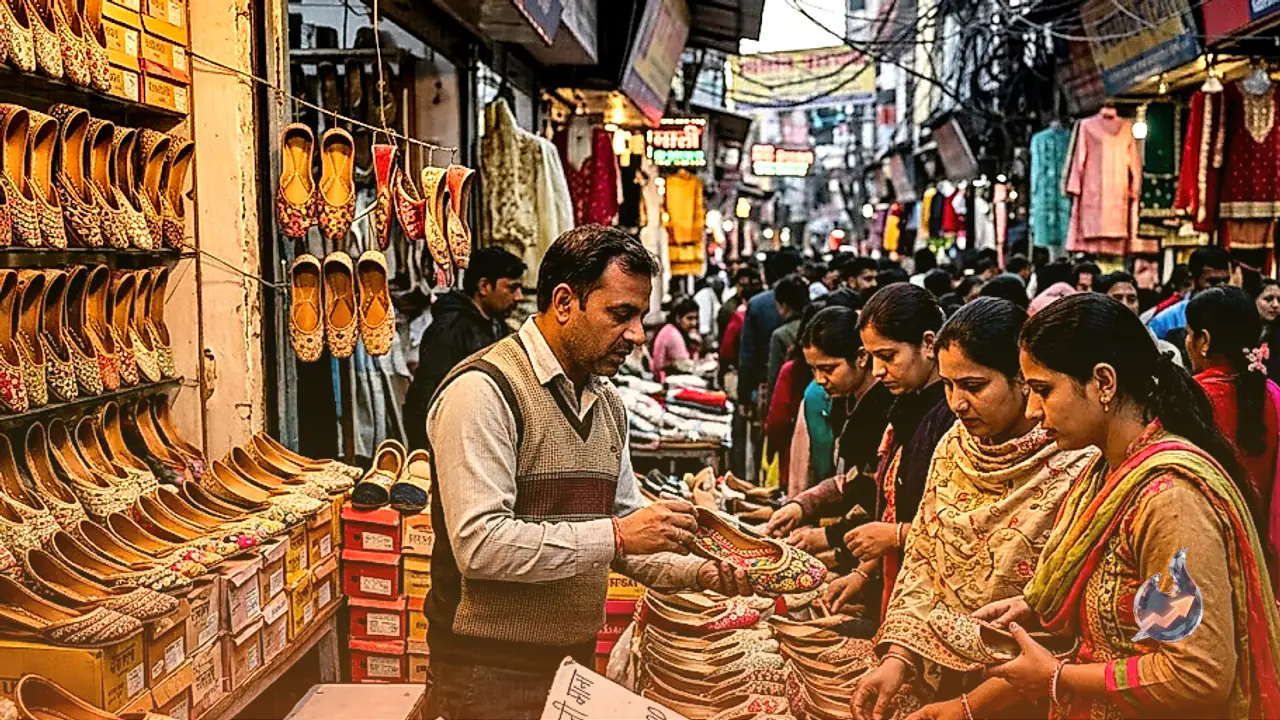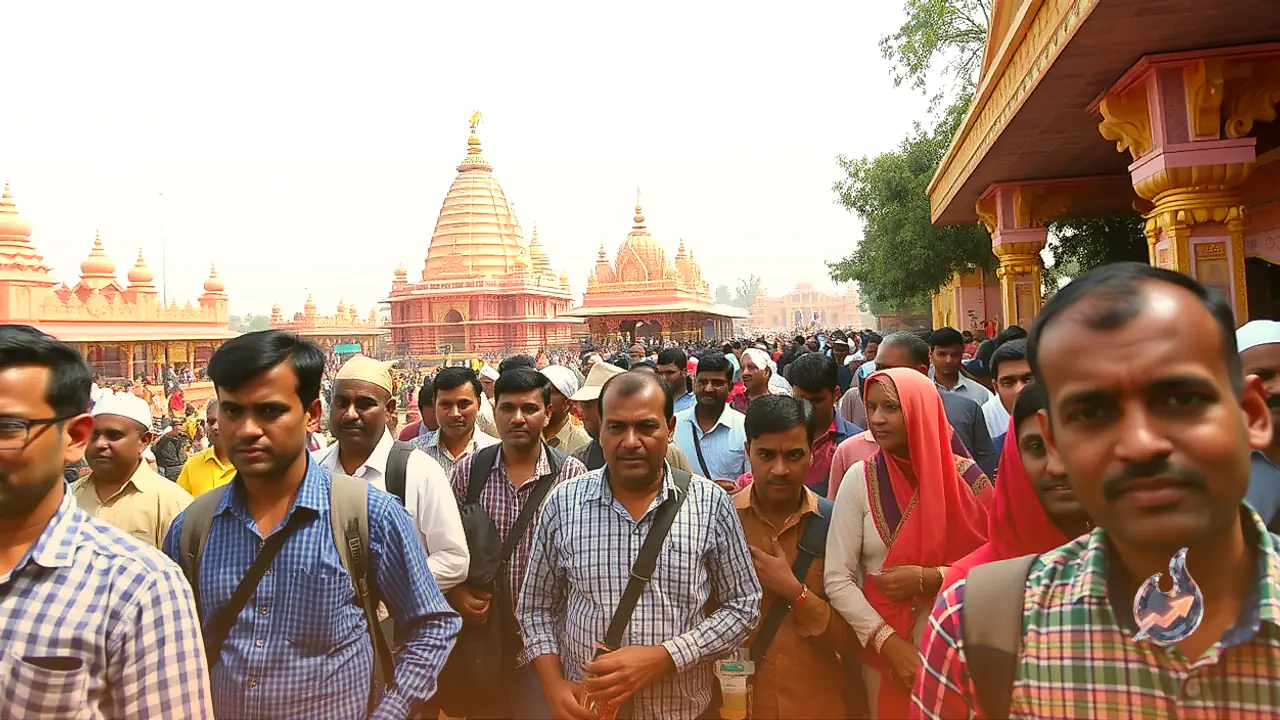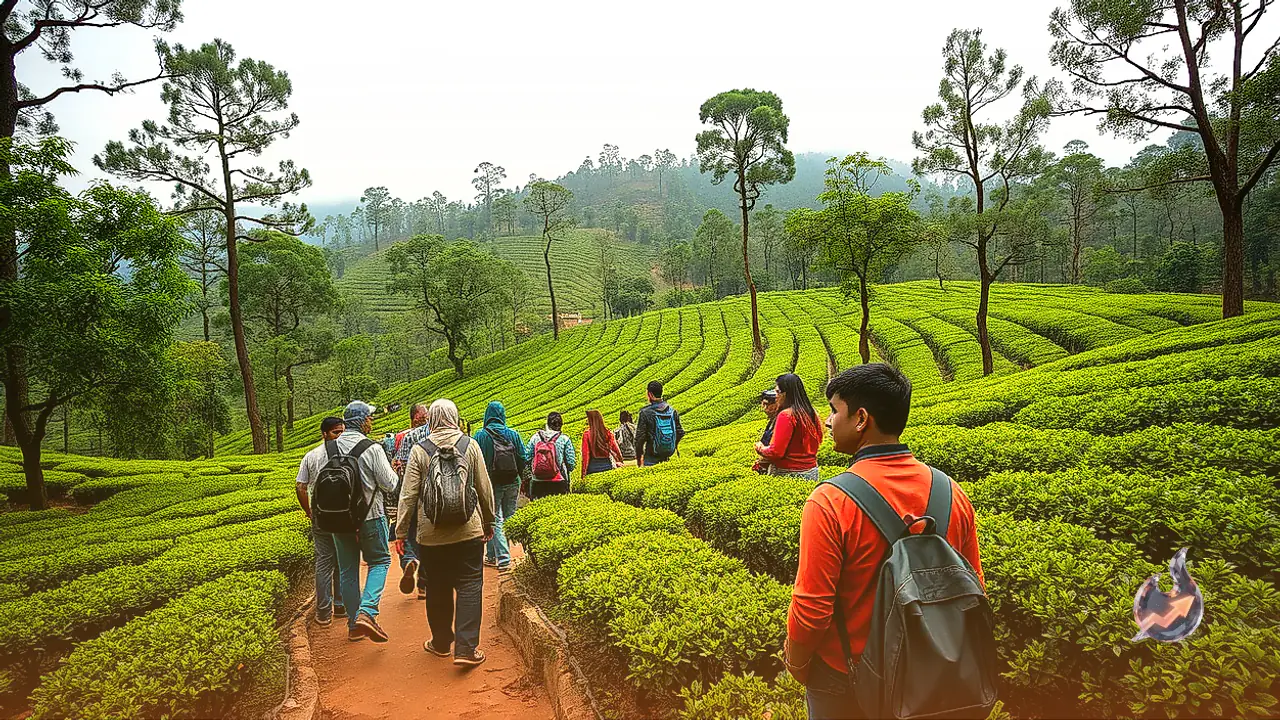



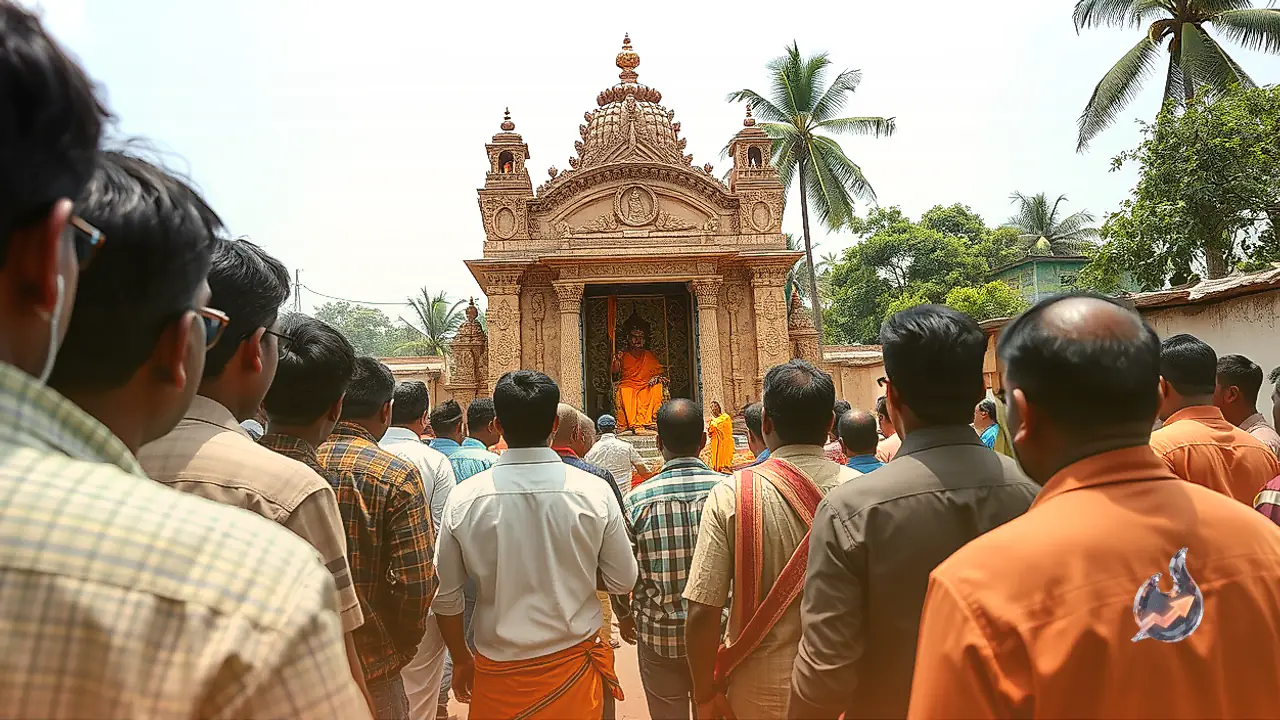


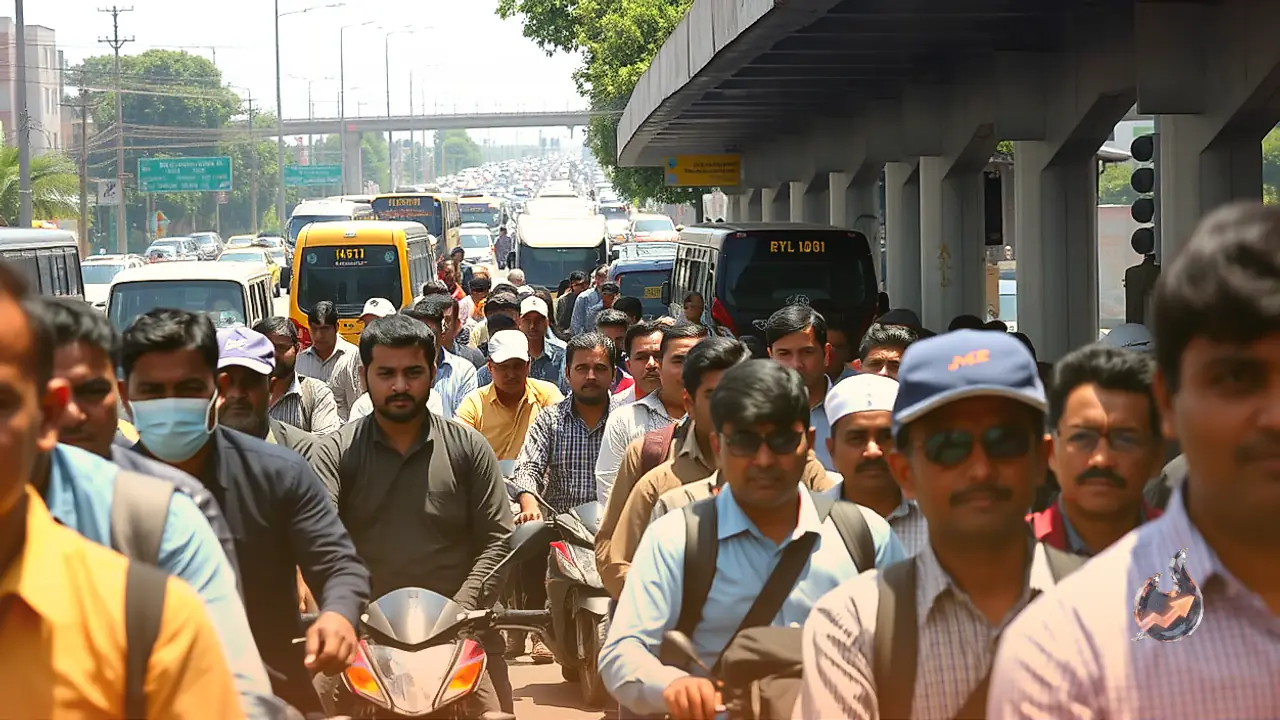














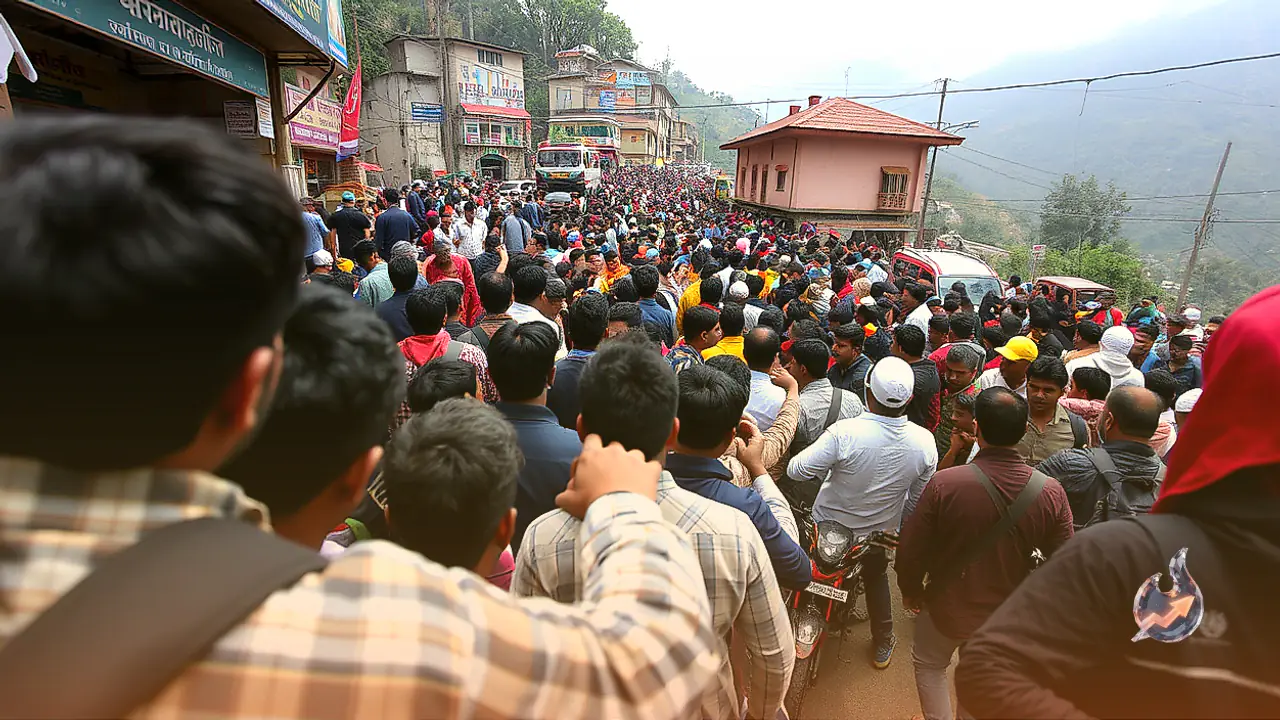

The tranquil landscapes and majestic Himalayan vistas of Uttarakhand draw hundreds of thousands of holidaymakers and pilgrims every year, yet this surging influx has rapidly transformed into a major existential threat for mountain settlements. Key destinations such as the lake city of Nainital and the renowned spiritual site of Kainchi Dham are reeling under intense pressure from unsustainable tourist crowds. Whenever extended weekends or festive holidays arrive, iconic locations including Mall Road, Naini Lake, the Tibetan Bhotia Market, Snow View point, and the Kainchi Dham temple complex become completely gridlocked. Exhausting traffic jams lasting several hours, acute parking deficits, and tailbacks stretching for miles along winding hill routes have turned into routine reality across the region.
Mounting Ecological Toll and Infrastructure Strain
The consequences of this ceaseless rush extend far beyond vehicular gridlock on narrow hill passages. The non-stop movement of automobiles exerts immense mechanical stress on delicate mountain roads, while vehicle emissions drive up air pollution across pristine valleys. Concurrently, solid waste management is buckling under mountains of discarded single-use plastic, natural water reservoirs face acute depletion, and relentless civil construction continues to destabilize the fragile Himalayan ecology. At Kainchi Dham, the swelling ranks of devotees have made traffic flow and vehicle parking an uphill battle for district authorities. This raises an urgent dilemma: is the rush to maximize tourism revenue blinding planners to the physical carrying capacity of the hills?
Depleted Carrying Capacity and Vulnerabilities at Ballia Nala and Nihal Nala
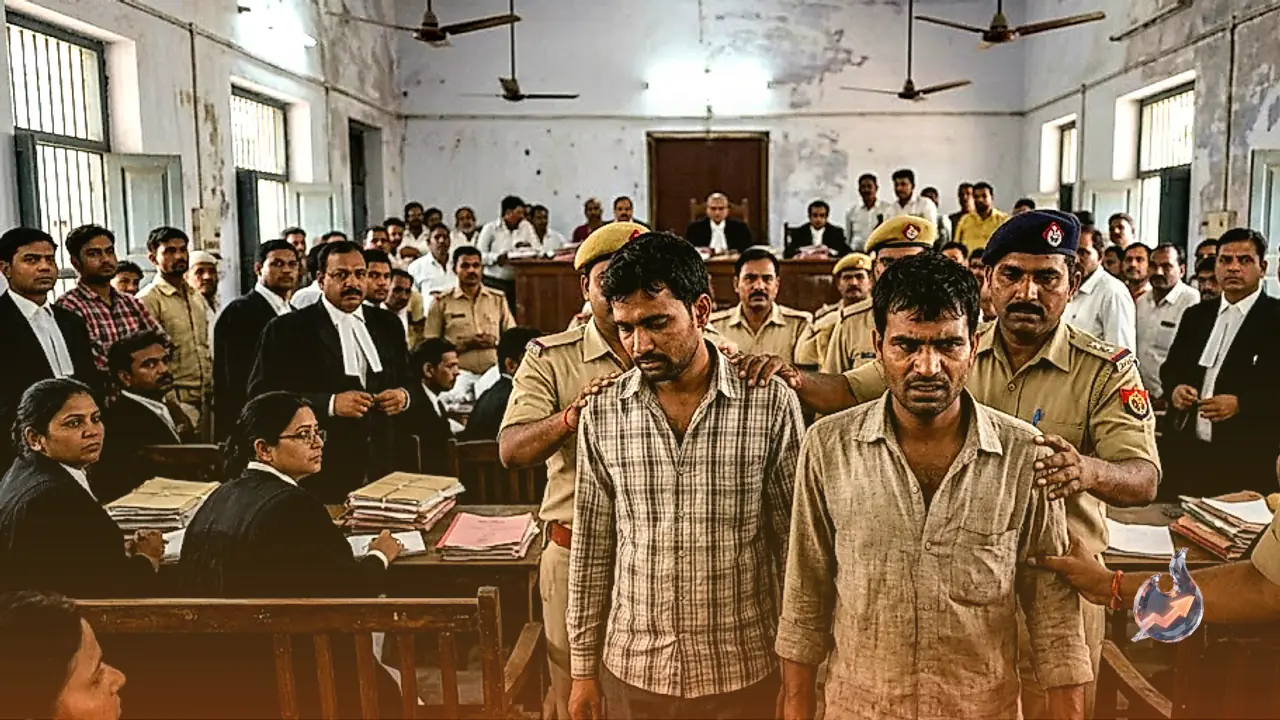
Historian Dr. Ajay Rawat has raised deep concerns over the worsening vehicular traffic and unchecked tourist concentration in Nainital, expressing sorrow over the town's present state. He pointed out that back in 1995, he had moved a public interest litigation regarding the safety and conservation of Nainital. Following that petition, the court had issued explicit directives to undertake urgent, war-footing stabilization works around the highly hazardous Ballia Nala and its adjacent sensitive zones, yet those crucial measures were never executed to the necessary standard.
Dr. Rawat highlighted that as early as 2006, the Administrative Training Institute (ATI) had formally concluded that Nainital's environmental carrying capacity was completely exhausted. Reflecting on past administrative measures, he noted that whenever tourist entries previously crossed sustainable thresholds, authorities used to intercept and park tourist vehicles downstream in the foothill city of Haldwani. Dr. Rawat emphasized that reinstating a similar transit control mechanism has become an absolute necessity today. Nainital's foundational slopes are inherently unstable, with active landslides persistently threatening the Ballia Nala basin on one side, and the Nihal Nala area directly behind the Raj Bhavan presenting acute structural vulnerability on the other. Under such fragile circumstances, the town urgently requires strictly regulated tourist numbers.
Geological Perils of Heavy Traffic on Fragile Himalayan Slopes
Geologist Dr. Bhaskar Patni echoed these alarms, describing the relentless vehicular load across the Nainital and Kainchi Dham corridors as deeply unsettling. He explained that mountain roads connecting Nainital and Kainchi Dham lack the necessary width and geological foundation to endure the incessant pressure generated by massive fleets of vehicles. Himalayan mountains possess an exceptionally sensitive ecology, and the vibrations and load from thousands of moving cars inevitably transmit structural strain into road surfaces and steep hillside gradients. Dr. Patni also noted that vehicle exhaust significantly worsens environmental pollution in these high-altitude ecosystems.
Pointing to specific danger zones, Dr. Patni observed that rockfalls and boulder rolling incidents are frequently witnessed along the stretch between Garampani and Bhowali. Because the Himalayas are fragile mountains, any road widening or construction activity must be approached with rigorous geological scrutiny. Furthermore, he emphasized that the hills supporting Nainital rest on precarious geological foundations, with a substantial portion of the modern town built directly upon ancient hill debris and loose scree slopes that cannot tolerate unlimited weight.
Balancing Economic Livelihoods with Environmental Survival
The thriving tourism trade in Nainital and Kainchi Dham unquestionably forms the financial backbone of the local community. The livelihoods of countless hotel operators, homestay hosts, taxi drivers, guides, restaurant staff, and roadside shopkeepers depend entirely on visiting crowds. Nevertheless, the prevailing operational model demands urgent structural reform. If visitor numbers continue to multiply without adequate parking facilities, planned traffic controls, modern waste processing, municipal water safeguards, and strict adherence to the hills' natural load limits, the tourism industry itself will eventually trigger widespread slope failures and ruin the destination.
Experts stress that preserving the mountains does not mean shutting down tourism entirely, but transforming it into a regulated and sustainable framework. Authorities must urgently calculate and enforce strict carrying capacity limits for daily visitors and incoming vehicles, construct interceptor parking facilities, promote dedicated public transit systems, and enforce a blanket ban on unregulated construction across ecologically delicate zones before the Himalayan environment suffers irreversible degradation.