






















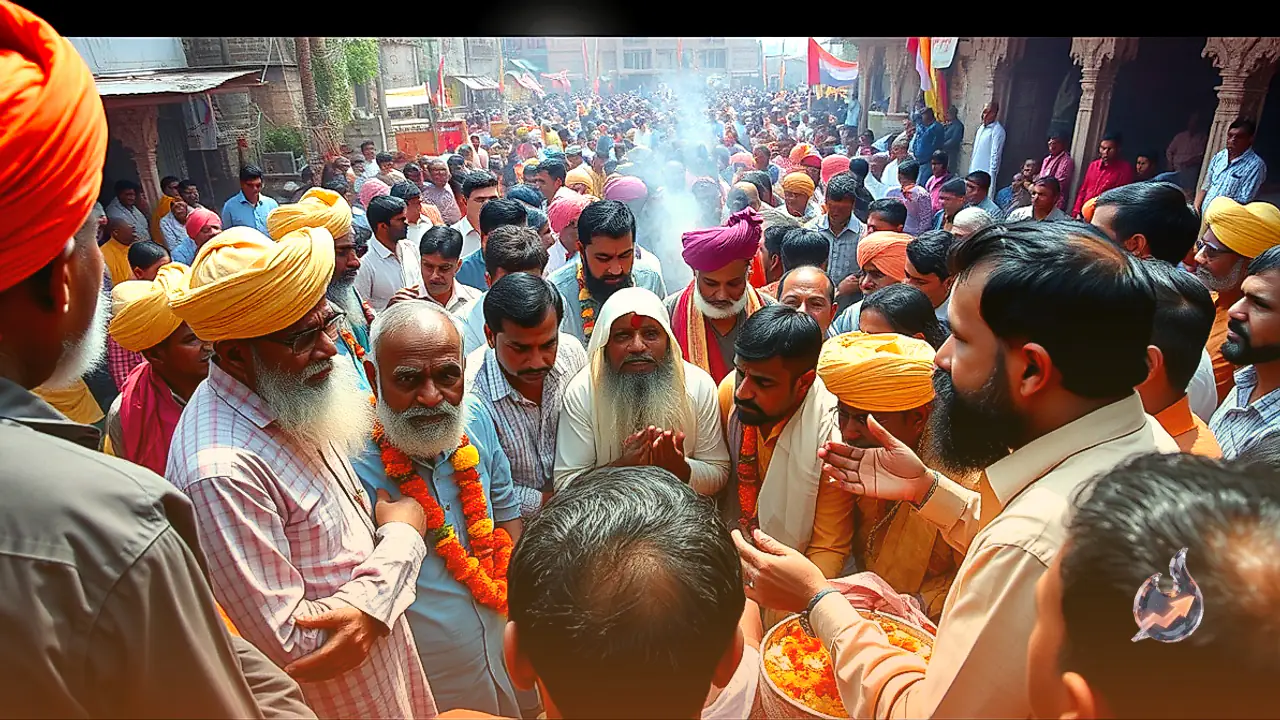

In Hindu religious traditions, the fortnight stretching from Bhadrapada Purnima to Ashwin Amavasya is observed as Pitru Paksha, a deeply sacred interval dedicated to honouring ancestors with reverence and gratitude. Under conventional customs, an ancestor is commemorated on the specific tithi matching the date of their departure. Nevertheless, classical scriptures provide distinct dates for particular circumstances. Deceased married women are commemorated on Matri Navami, while individuals who died prematurely or unexpectedly receive offerings on Chaturdashi. Following this same framework, ancestors who renounced worldly attachments to embrace monastic life are also assigned an exclusive date in sacred texts.
Scriptural Authority Designates Dwadashi
Drawing upon scriptural principles found in the Garuda Purana and associated religious works, Haridwar scholar Pandit Sachin Sharma explains that the twelfth lunar day of the waning moon in the month of Ashwin, known as Ashwin Krishna Dwadashi, is explicitly reserved for ancestors who took monastic vows. Within ritual traditions, this observance is formally identified as Rishi Shraddha, carrying profound spiritual weight that sets it apart from ordinary commemorative rites.
The Concept of Living Pind Daan During Renunciation
Pandit Sachin Sharma explains the philosophical reasoning behind this distinction. When a spiritual seeker formally accepts renunciation, their head is completely shaven, and they perform their own pind daan while still living. This formal rite signifies the absolute severance of worldly identity, lineage links, and physical status. However, once the ascetic eventually leaves their mortal body, their descendants still bear the sacred obligation of securing complete spiritual contentment and settling the profound rishi debt. Performing ritual tarpan on Ashwin Krishna Dwadashi is considered critical for fulfilling that enduring responsibility.
Why Observance on Regular Death Dates Must Be Avoided
Pandit Sachin Sharma cautions that descendants must never make the mistake of performing shraddha for an ascetic ancestor on the day they actually passed away. Religious scriptures caution that failing to offer oblations on the ordained tithi leaves the departed ascetic unsatisfied, potentially causing the soul to wander. Such negligence can bring pitru dosha upon the household, manifesting as hindered family growth, persistent domestic discord, and financial hardship.
Significance of Ganga Ghats and Haridwar
Performing tarpan and ritual worship on the banks of the sacred Ganga during Dwadashi ensures that ascetic ancestors attain absolute satisfaction and proceed peacefully to their eternal realm, leaving behind blessings of harmony and prosperity for their descendants. Carrying out this sacred Dwadashi rite along the ghats of Haridwar is regarded as an exceptionally meritorious act yielding rare spiritual benefits.