
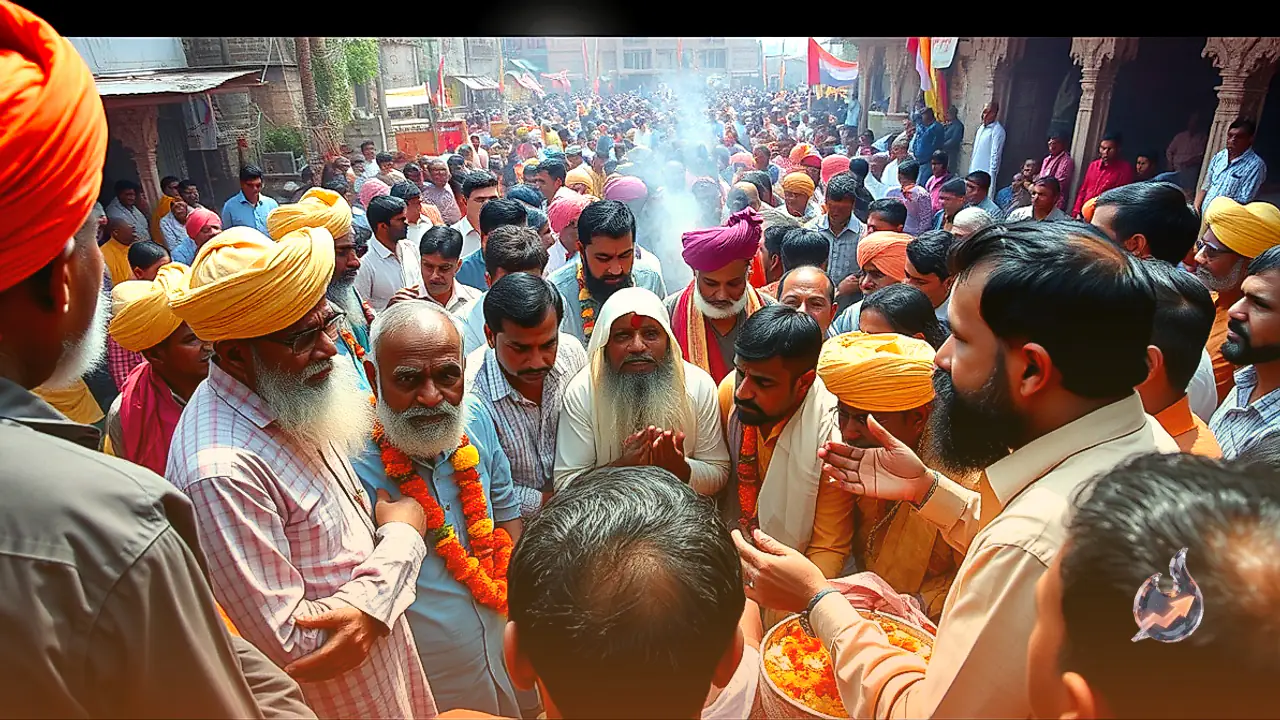
















Traditional wedding ceremonies in Uttarakhand's hill communities have long derived their spiritual essence from ancestral folk melodies. As native families establish lives in urban centers, many young people growing up away from mountain villages have become distanced from the customs of their grandparents. In rapidly expanding urban settings like Dehradun, modern wedding celebrations frequently miss the ceremonial songs that once formed the emotional bedrock of marital ceremonies. In regional folklore, these sacred tunes sung during auspicious occasions are known as Mangal Geet, and their presence has historically defined the sanctity of wedding rituals.
Understanding the Role and Cultural Weight of the Manglyaur
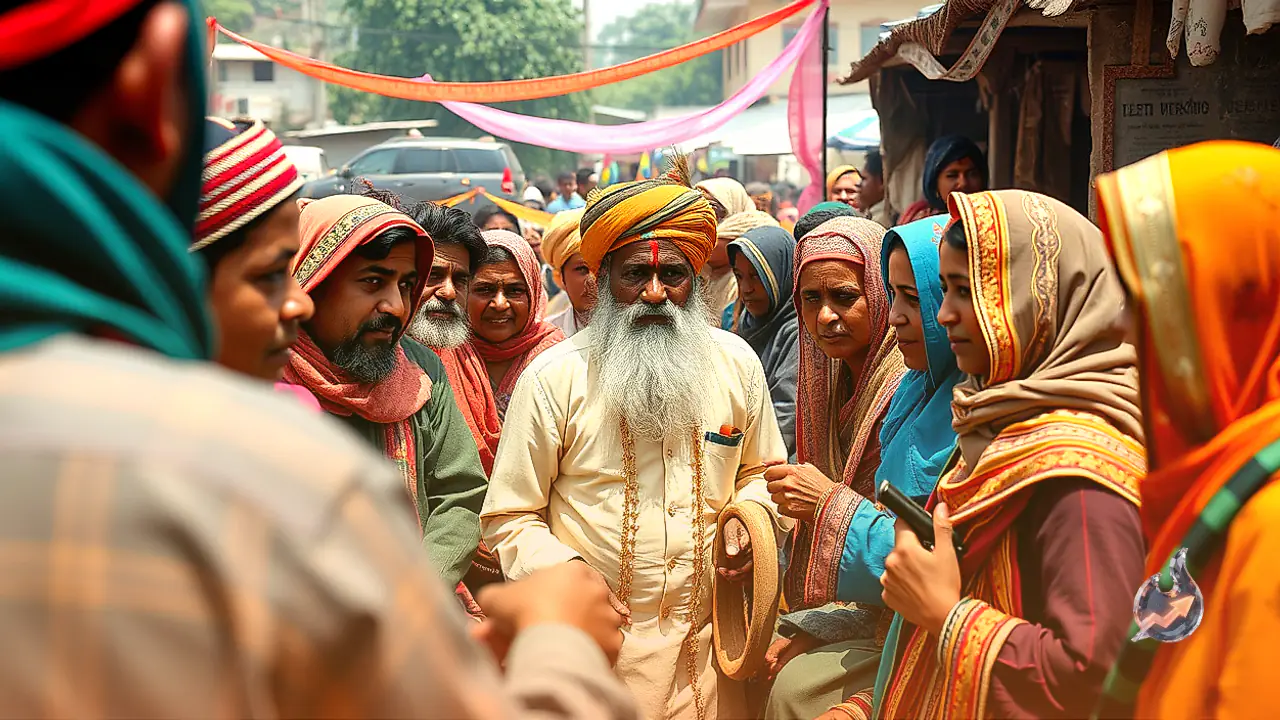
In the regional tradition of the hills, folk performers who specialize in rendering these sacred songs during auspicious milestones are revered as Manglyaur. Traditionally handed down by elder women across generations, this art form primarily thrives in the Garhwali dialect. Depending on geographical transitions across different hill regions, the vocabulary, phrasing, and melodic cadence of these songs exhibit unique local variations while preserving the core celebratory spirit.
Beyond serving as celebratory music, Mangal Geet are regarded as a cherished cultural inheritance bestowed by preceding generations. The verses are deeply tied to invocations of local guardian deities, communal blessings for marital harmony, and prayers seeking generational prosperity for the household. With the growing dominance of commercial sound systems and contemporary tracks at urban receptions, safeguarding this sacred repertoire has become vital for sustaining regional heritage.
Adapting Ancient Verses for Contemporary Celebrations
In response to this gradual cultural decline, the Jai Maa Bhagwati Group in Dehradun has dedicated the past 10 years toward preserving and propagating Mangal Geet. The performing collective strives to reconnect younger demographics, who are increasingly drawn toward Western genres and popular tracks, with their ancestral heritage.
Addressing the generational gap, group artist Rinki explains that original folk dialects featured complex idioms that often proved inaccessible to modern listeners. To resolve this barrier, the artists transitioned toward using simplified and accessible vocabulary while preserving the traditional melodies. Because the revised phrasing is intuitive, younger audiences and urban wedding guests are able to comprehend the underlying sentiments with ease. Consequently, these cultural efforts have brought the resonance of Manglyaur artists back into high-profile urban wedding venues across Dehradun, revitalizing an invaluable mountain custom for modern times.