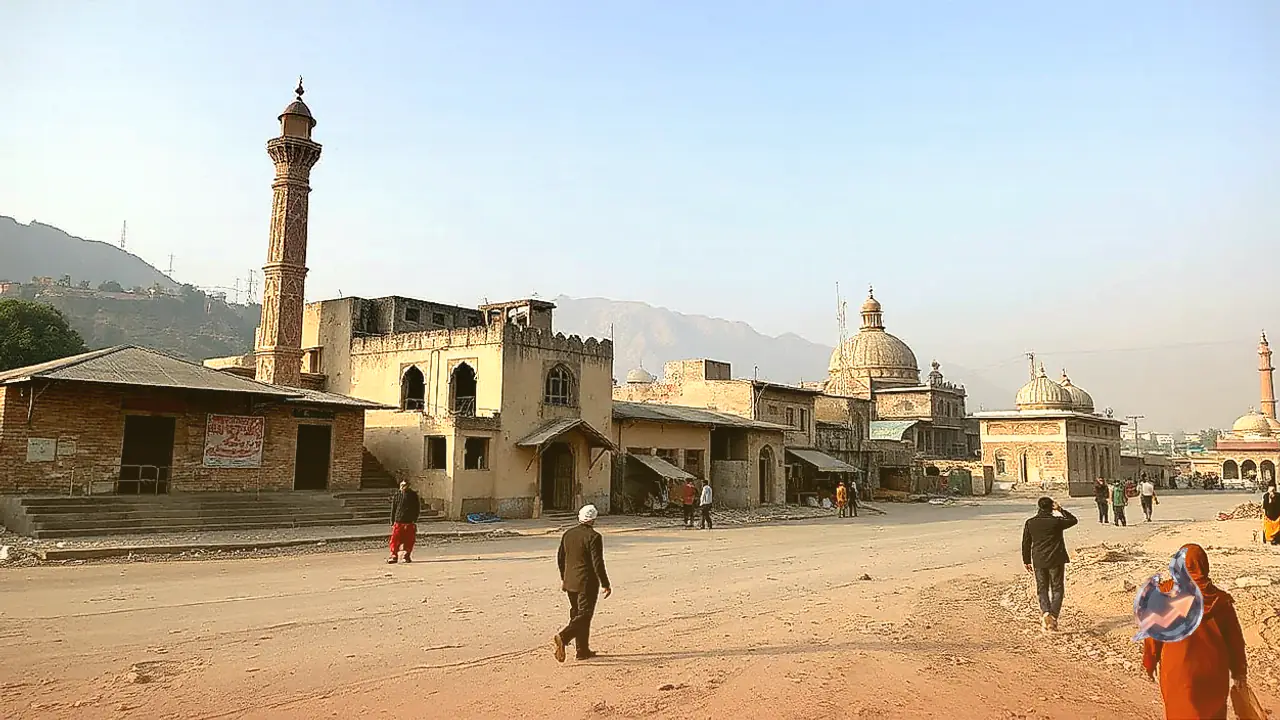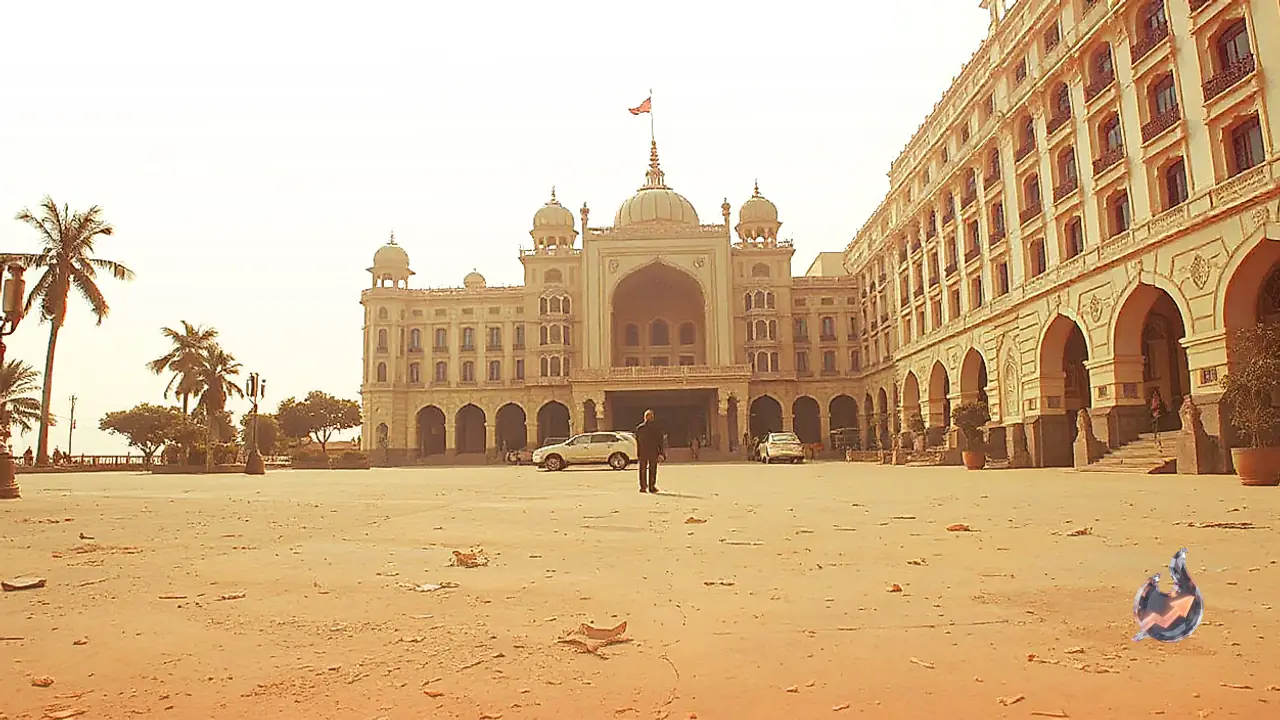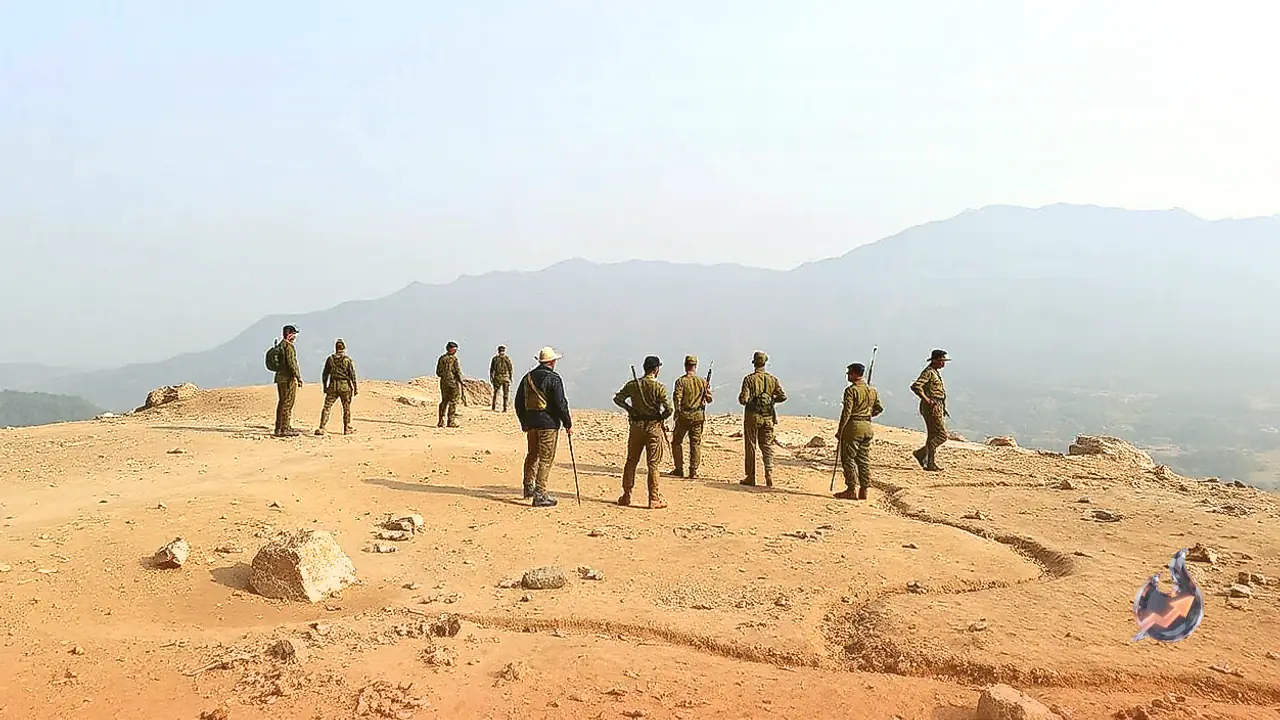

The historical landscape of northern India holds numerous accounts of fierce resistance that challenged the expansion of colonial power. During the early phases of British territorial gains in the 19th century, as forces advanced across various regions, they encountered an exceptionally resilient defense in the valley of Dehradun. At a time when the Doon valley operated under Gurkha administration, a remarkable chapter of military history unfolded, marking an extraordinary clash of endurance and strategy.
Six Hundred Soldiers Confronted a Massive Force
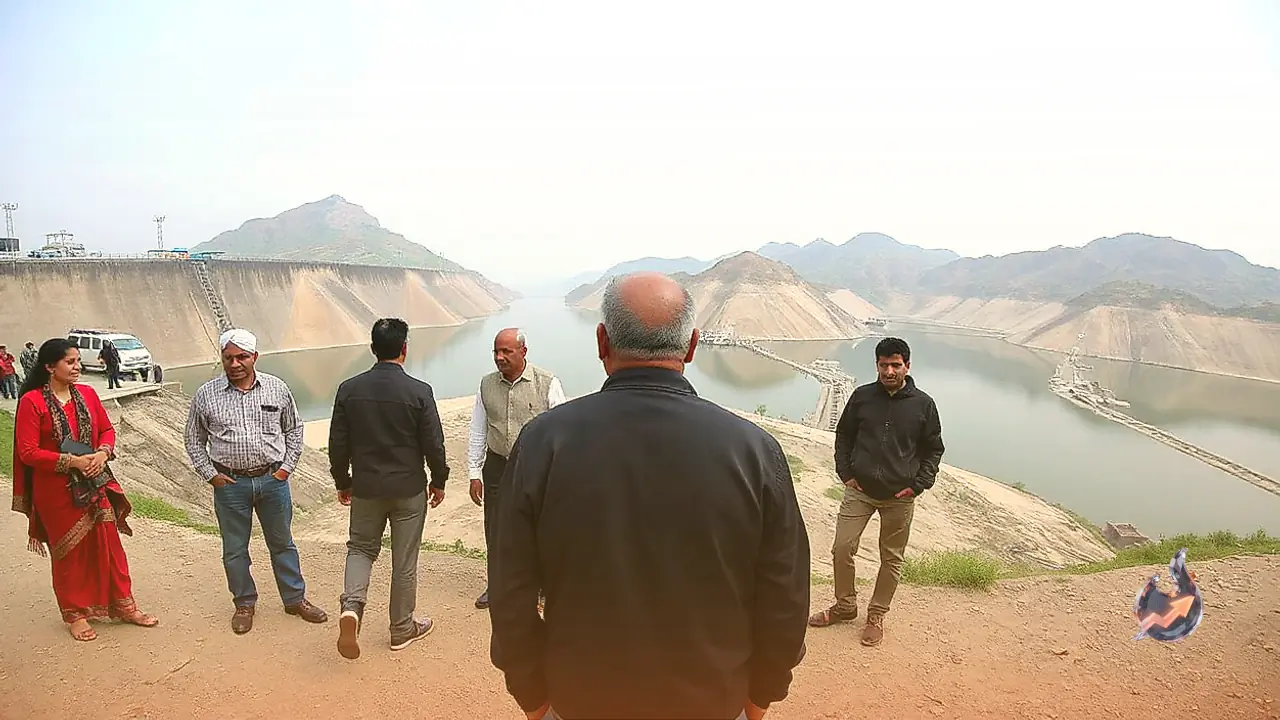
This history belongs to the Battle of Nalapani, which took place between October and November of 1814. A heavily armed British contingent consisting of 3,500 soldiers equipped with artillery advanced under the command of Major General Rollo Gillespie to assault the Khalanga fort at Nalapani. Defending the stronghold were merely 600 Gurkha troops operating under the leadership of Nepali commander Balbhadra Thapa. The siege extended from October 31, 1814, to November 30, 1814. Throughout the encirclement, British forces cut off the water supply to the fortification, yet the starved and dehydrated defenders held their ground for six weeks without yielding. General Gillespie was killed on the very first day of combat.
A Monument Built by Victors to Honor the Defeated
Although the Nepali fighters ultimately lost the battle, their extraordinary courage profoundly influenced the British adversary, creating a rare precedent in global military history. The winning side chose to construct a memorial dedicated to the bravery of the defeated enemy. This very engagement marked the inception of the Gurkha Regiment. Situated near Sahastradhara Road at Sagartal in Nalapani, the war memorial is widely regarded as the only structure globally erected by conquerors to honor those they defeated. Today, the site functions under the administrative control of the Archaeological Survey of India.
The Annual Khalanga Fair and International Reach
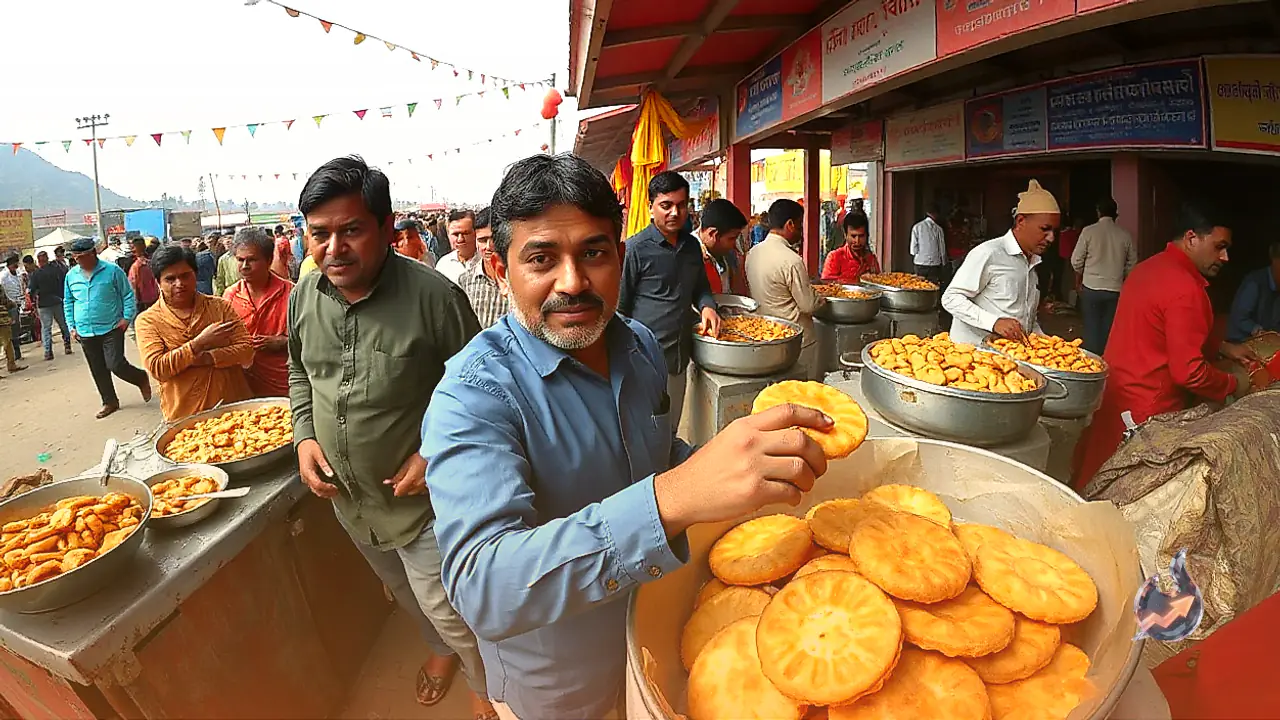
Commemorating this legacy of valor, the annual Khalanga Fair brings visitors together each year. The upcoming 52nd edition of the fair is scheduled for Sunday. Organized by the Balbhadra Khalanga Development Committee, the event showcases Gurkha heritage, Khukuri dances, traditional Noumati Baza music, and local culinary traditions. The gathering has evolved beyond a regional observance, attracting retired generals, historians, professors, and international tourists from Nepal annually. Several military officers from the Nepal Army also visit the site to pay respects during the Indian Military Academy passing out parade. Following the construction of a paved road by the Uttarakhand government to the location, dozens of visitors now tour the fort daily.
Researching the Foundations and Historical Significance
Balbhadra Thapa, president of the Balbhadra Khalanga Development Committee at Nalapani, explained that after securing victories in the Battle of Plassey prior to 1857, British forces expanded toward Delhi, fought campaigns in Mysore in southern India, engaged Maratha forces, and subsequently moved toward the Himalayan region. He noted that Nepali rulers had advanced to Datkali to preserve the Himalayan territory and brought it under their control, noting that British forces had not experienced defeat anywhere prior to this campaign.
He emphasized that the Anglo-Gurkha War at Nalapani marked the first instance where British forces suffered severe losses. Fighting with limited manpower and traditional arms under Balbhadra Thapa, the engagement resulted in the death of General Gillespie and signaled across the country that resistance against colonial forces was viable. He mentioned that academic scholars alongside the committee are conducting ongoing research into these events. The Nalapani fort was counted among the 52 forts of the state before being demolished by the British, and efforts are underway to uncover its original foundation so visiting tourists can experience the heritage firsthand.