
















Deepawali festivities across the mountain regions of Uttarakhand extend far beyond simple lighting and fireworks, embracing centuries-old folk traditions, deep-rooted faith, and nature-centric rituals. The Kumaon region celebrates this festival in a particularly distinctive manner, where every custom preserves ancient heritage. For local residents, the celebration serves as a profound coming together of faith, nature, and community bonds, bringing villages and towns alive with vibrant cultural expressions each year.
Creating Symbolic Laxmi Idols from Sugarcane
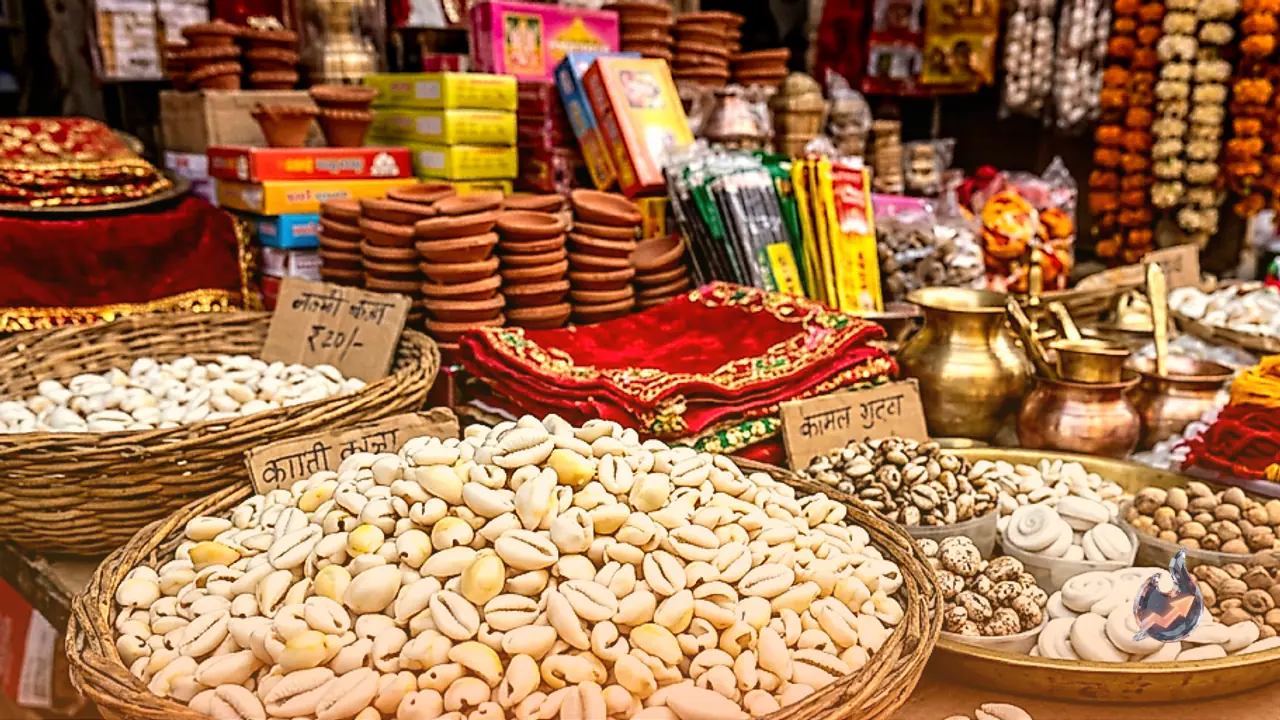
During the grand Laxmi worship, a unique tradition involves fashioning a symbolic representation of the goddess using sugarcane stalks. The process begins by trimming and arranging the stalks into a specialized framework, which is then securely placed in a traditional vessel. A mask representing the goddess is mounted atop this sugarcane structure and adorned in a distinct regional aesthetic style. The worship platform is further decorated with puffed rice, sugar toys, spherical candies, sacred pitchers, and earthen lamps. Local resident Vidhi notes that while sugarcane sellers previously delivered stalks directly to doorsteps, modern times have shifted this practice toward market purchases. Originally, artisans crafted the facial features using lemons, though markets now offer decorative masks. She explains that because sugarcane is favored by the deity, this unique method of forming her likeness has endured across generations.
Adorning Thresholds with Traditional Aipan Art
Aipan folk art holds immense significance in mountain Diwali celebrations, with women beginning cleaning and decoration rituals days in advance. Doorsteps, courtyards, and prayer spaces are decorated with traditional Kumaoni folk designs featuring striking red and white motifs. These intricate patterns incorporate footprints of the goddess to invite prosperity and good fortune into the household. Vidhi points out that while women traditionally crafted these designs by hand using rice paste and red ochre, ready-made decorative stickers are now available for modern convenience. Although the methods of creation have evolved over time, public devotion toward this cherished folk art remains steadfast and unchanged.
The Social Bonding Tradition of Paina
The practice of distributing paina occupies a special place in the regional celebrations of Kumaon. On the night of the main worship, community members visit each other homes to view the sugarcane Laxmi structures, exchange festive greetings, and share sweets. The following day involves distributing paina to neighbors, relatives, and acquaintances, comprising puffed rice, sugar toys, candies, and confections. This custom extends well beyond a simple exchange of food, serving instead as a vital mechanism for strengthening social harmony, mutual affection, and community ties among residents.
Traditional Pahadi Delicacies and Illumination
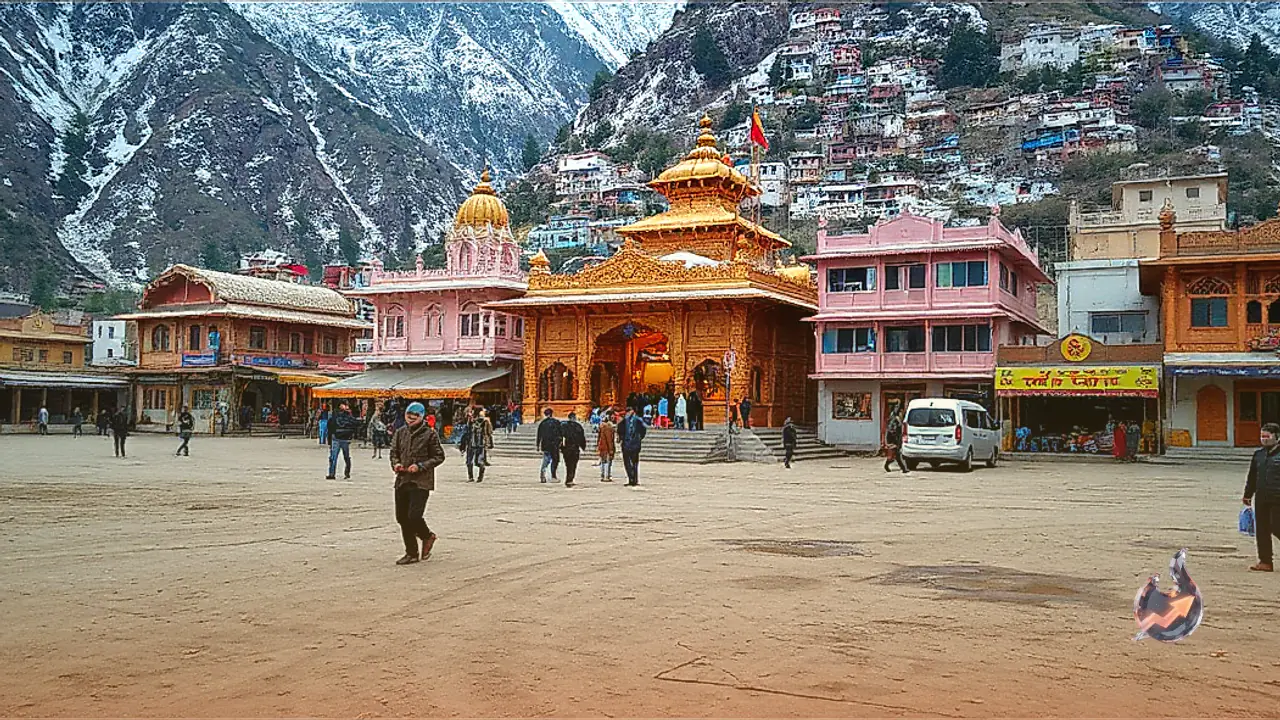
Pahadi delicacies also play an essential role during the festival, with households preparing a variety of regional treats. Among these, sweet items prepared from semolina known as singal hold a prominent place and are specially prepared to be offered as prasad to the deity. Homes and local temples alike are illuminated with vibrant flower garlands, decorative hangings, and rows of glowing lamps. Even amidst modern influences, the festival in Kumaon successfully preserves its distinct cultural identity. Constructing the deity from sugarcane, embellishing thresholds with Aipan, distributing paina, and preparing traditional foods combine to make Diwali in the mountains truly exceptional.