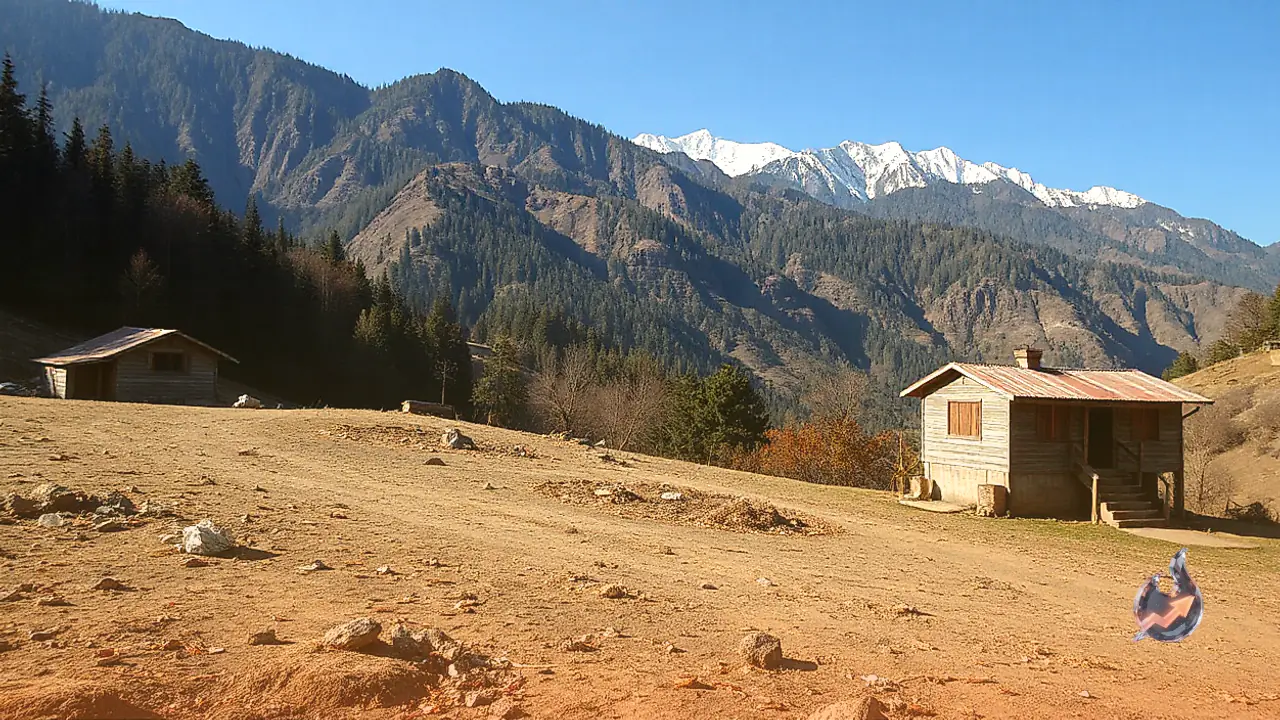

















While the rest of the country engages in grand Diwali celebrations filled with lights and fireworks, certain regions in India observe the festival exactly one month later. In the border areas of Jaunsar-Bawar, Rawain-Jaunpur in Uttarakhand, and neighboring pockets of Himachal Pradesh, people celebrate a unique version known as Budhi Diwali.
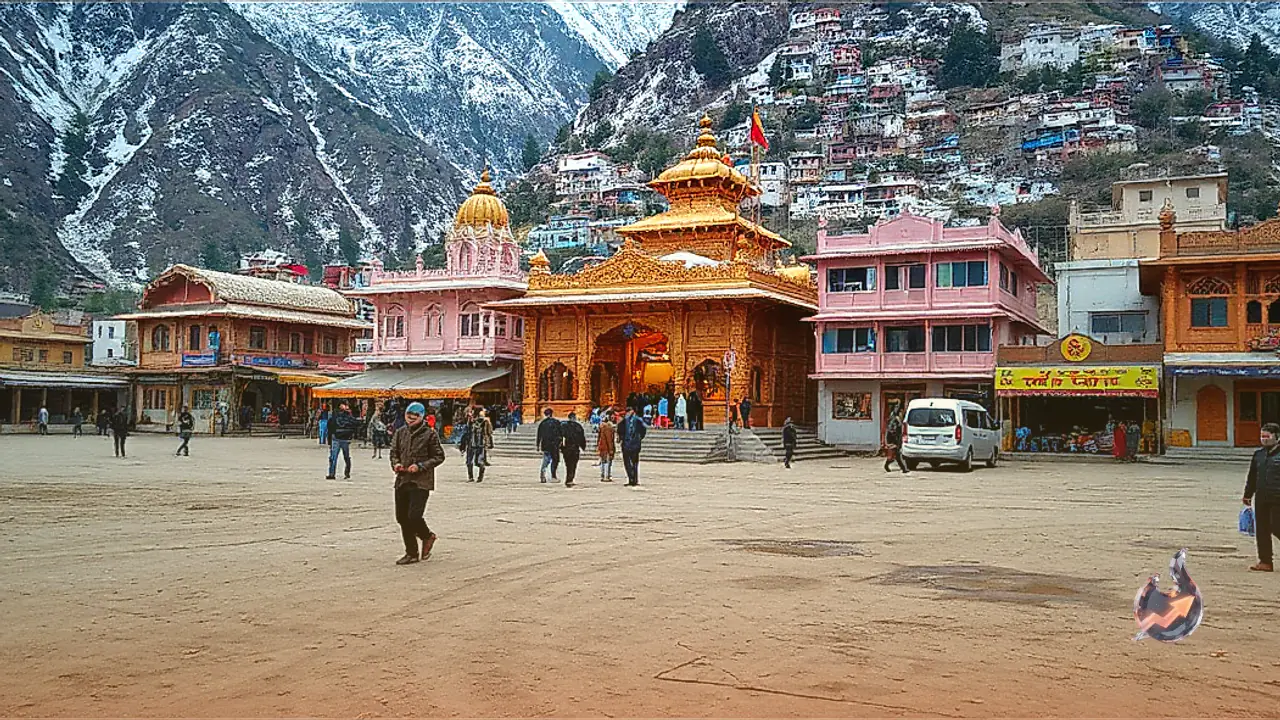
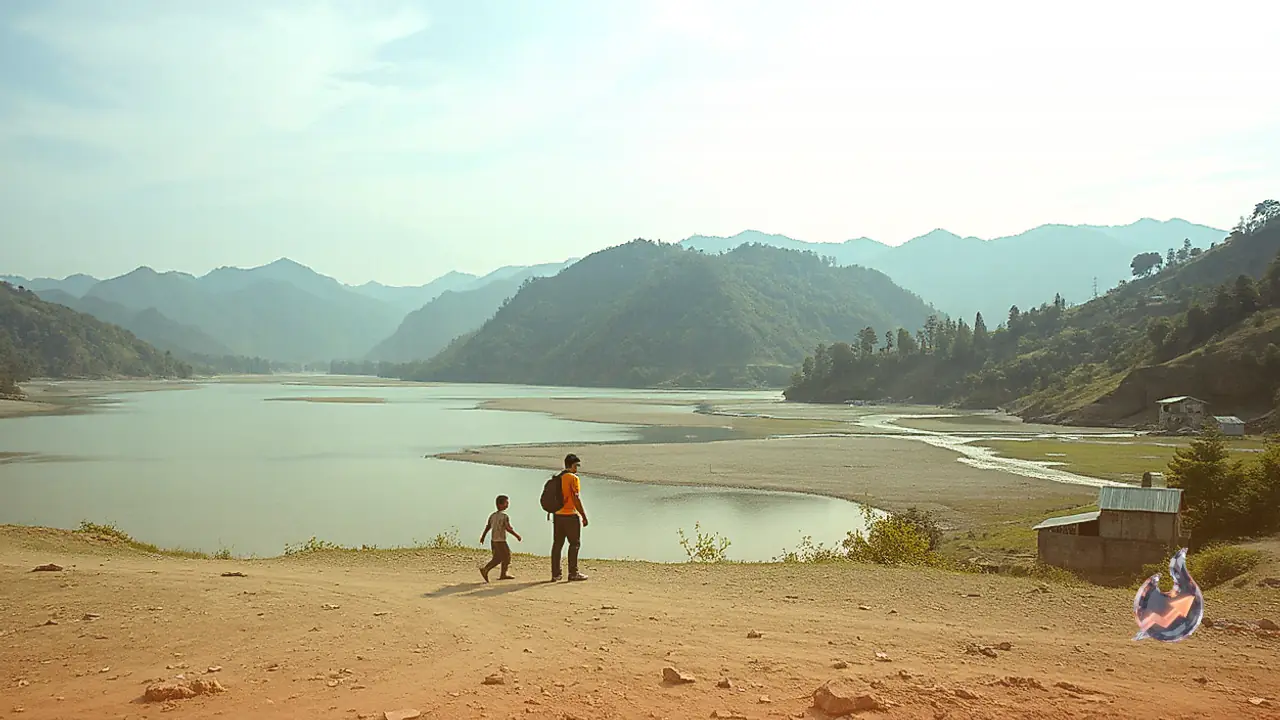
Even as mainstream celebrations wind down elsewhere, tribal pockets including Jaunsar-Bawar, Rawain Jaunpur, Uttarkashi, and Sirmour in Himachal Pradesh begin preparing for this delayed festival. The charm of this five-day cultural event is so compelling that individuals working in distant corners of the country travel back to their ancestral villages to participate in the festivities.
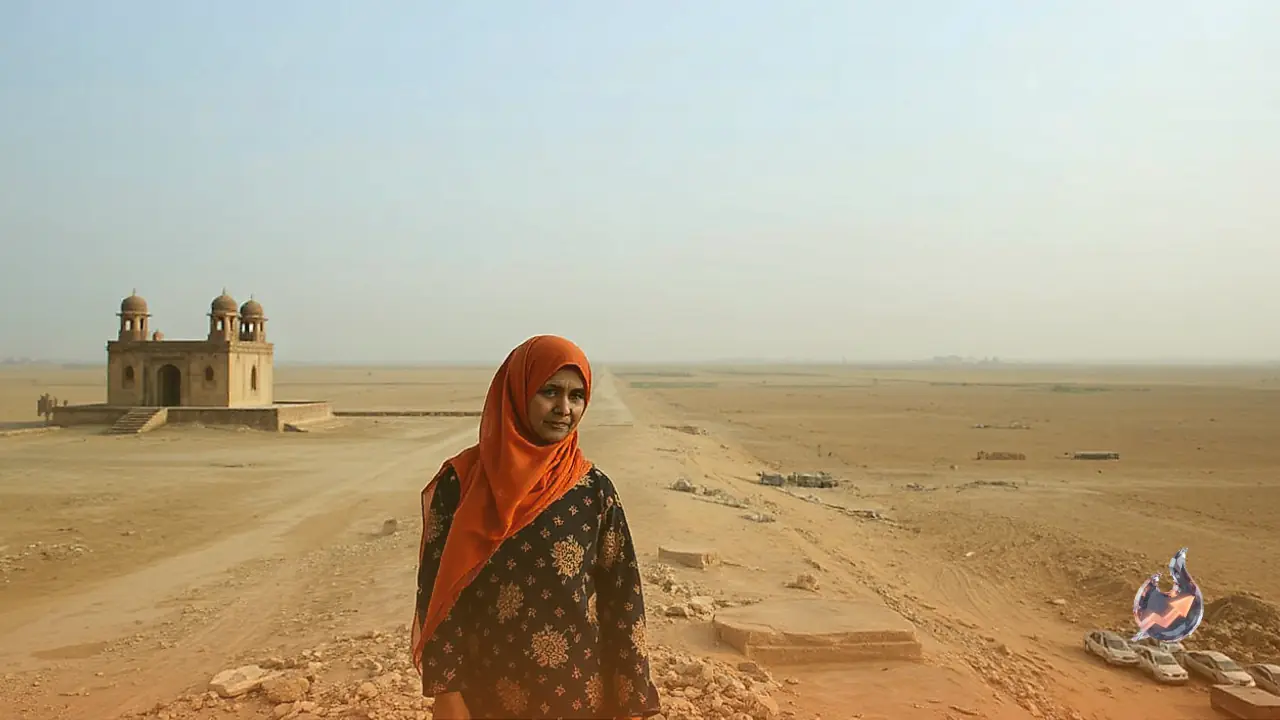
Local resident Geeta Chauhan explained that the ancient traditions and cultural practices observed during Budhi Diwali in these mountainous terrains astonish outsiders. Across the five-day observance, locals burn specialized torches constructed from Bimal wood while gathering in village courtyards to throw and distribute walnuts as prasad. The absolute highlight of the celebration involves a wooden elephant and a traditional deer dance, atop which the village head rides like a king while participating in the folk dance.
Historian Srichand Sharma noted that two primary historical beliefs explain why the festival takes place a month later in these regions. The first belief suggests that news of Lord Rama returning to Ayodhya reached these rugged hills a full month late, prompting villagers to light torches to celebrate the occasion. The second reason points to agricultural cycles, as villagers remain occupied with harvesting and threshing crops during the main festival period, completing their farm duties before devoting themselves entirely to the delayed celebrations.