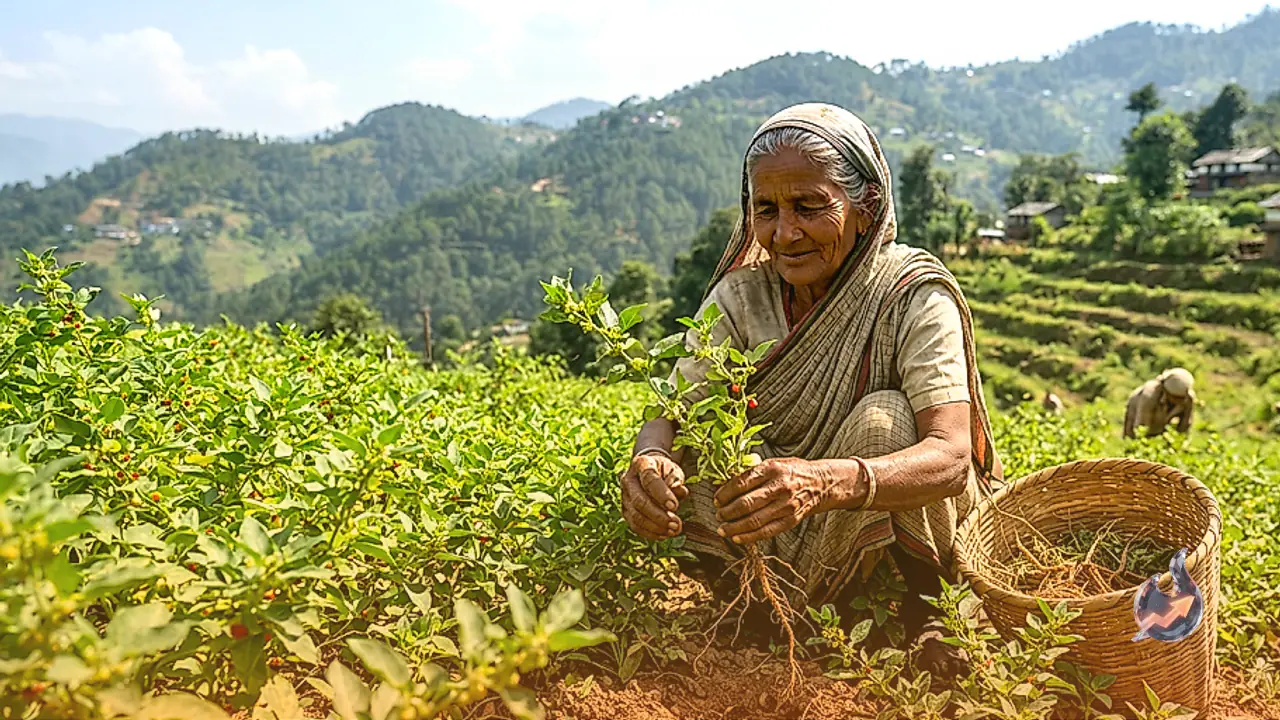

The rich natural wealth of Uttarakhand includes numerous medicinal herbs that have been utilized in Ayurvedic healing for centuries. Among these, Ashwagandha stands out as a prominent and highly valued plant. Thriving primarily in the lower mountainous and tarai areas, Ashwagandha holds a special place in traditional medicine. The root of this plant is predominantly used to prepare powders and various Ayurvedic formulations. Traditionally, it has been relied upon to boost physical endurance, combat fatigue, and maintain mental well-being. In today's fast-paced environment marked by widespread stress, anxiety, and sleep disorders, public interest in Ashwagandha has grown significantly.
Effectiveness In Reducing Stress And Improving Sleep Quality
According to Ayurvedic practitioner Dr. Ajal Patel, Ashwagandha is recognized in Ayurveda as a vital tonic and rejuvenating medicine. Its primary purpose is to maintain overall bodily health and alleviate psychological pressure. The roots contain several natural active compounds, and various scientific studies conducted on these elements have indicated positive signs in lowering anxiety and enhancing sleep quality. With modern lifestyle pressures making mental strain and lack of sleep commonplace, Ashwagandha is increasingly viewed as a viable natural alternative. Consuming it helps lower levels of the stress hormone cortisol, which promotes mental calm and better sleep, though the exact effect varies from person to person.
Boosting Physical Stamina And Relieving Fatigue
Conventionally, Ashwagandha has been employed to eliminate bodily weakness and overcome exhaustion. Regular intake improves muscle strength, enhances physical stamina, and aids in faster recovery after exercise. Furthermore, potential benefits regarding male reproductive health and fertility have also been observed. Natural components within Ashwagandha exhibit anti-inflammatory properties, and some preliminary studies even suggest an impact on blood sugar levels.
Why Professional Medical Guidance Is Essential Before Use
Ashwagandha root powder is typically consumed with warm milk or water, but the appropriate dosage varies depending on an individual age, health status, and physical condition. Dr. Patel emphasizes that it should not be consumed for extended periods without professional guidance. Pregnant and breastfeeding women, alongside individuals dealing with thyroid disorders, liver issues, or autoimmune conditions, must exercise extreme caution. People who are already on regular medication should incorporate it into their routine only after consulting a qualified physician. Ashwagandha remains one of the most treasured medicinal botanicals native to Uttarakhand.