

















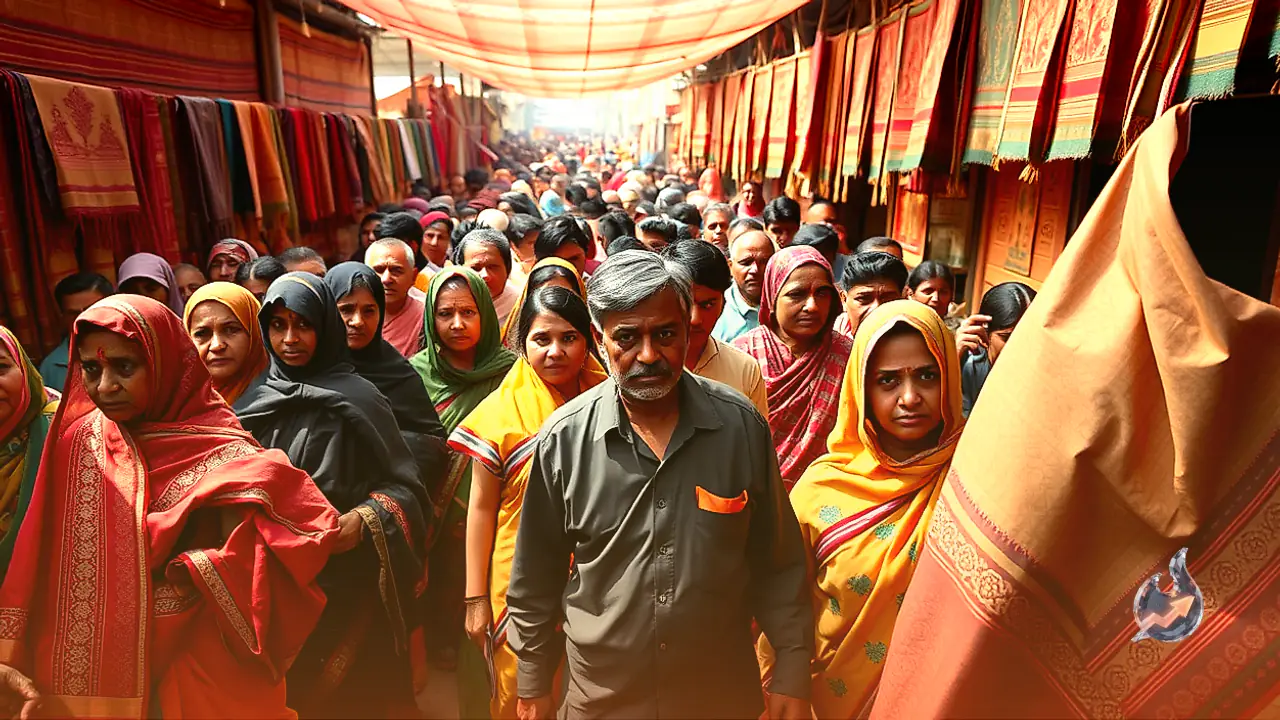

The ongoing Saras Mela in Uttarakhand's capital city, Dehradun, has turned into a vibrant hub showcasing the diverse arts, crafts, and cultural heritage of different Indian states. Master craftspeople from across the country have gathered at the fairgrounds with their indigenous handlooms and traditional creations. Among the diverse pavilions, an artisan named Rakesh from Chhattisgarh has emerged as a major center of attention with his exclusive collection of silk sarees adorned with Warli tribal artwork. The intricate hand-painted motifs and distinctive ethnic designs have quickly caught the eye of visitors and textile enthusiasts alike.
Substantial Savings Through Direct Artisan Purchases
One of the primary attractions drawing shoppers to this specific stall is the reasonable pricing structure. These handcrafted silk sarees are being offered at the fair for up to 3,000 rupees. According to artisan Rakesh, identical Warli painted silk sarees typically sell in high-end retail showrooms and luxury designer boutiques for anywhere between 5,000 and 10,000 rupees. The direct-to-consumer platform provided by the Saras Mela has eliminated middleman markups, giving local residents in Dehradun the opportunity to purchase authentic indigenous textiles directly from the creator at honest prices.
First-Time Visit from Chhattisgarh Brings Tribal Crafts to the Valley
This trip marks the first time artisan Rakesh has traveled to Dehradun to exhibit his handloom collections. While his stall features a varied selection of pure silk sarees and dress suits, the Warli art sarees have registered the strongest consumer interest. The garments showcase traditional tribal iconography painted with remarkable precision on natural silk yardage. The refined aesthetic, earthy themes, and elegant simplicity have resonated strongly with local shoppers, who have also identified a deeper regional connection in the brushwork.
Visual Harmony Between Warli Motifs and Uttarakhand Folk Traditions
Although Warli painting traces its roots to indigenous communities in western India while Aipan is the sacred folk art of Uttarakhand, both historic traditions share striking visual affinities. Both styles rely heavily on fundamental geometric shapes, including triangles, circles, and stylized human figures to narrate community life. Consequently, shoppers visiting the stall from across the Doon valley immediately recognize elements of their own ancestral Aipan art mirrored in the Warli patterns. This visual and cultural resonance has established an effortless artistic bond between the artisan and local buyers.
Rural Traditions and Festivities Depicted Across Silk Borders
Warli painting is fundamentally an expression of community harmony and pastoral existence. The designs painted onto the borders and pallus of these silk sarees portray village life, seasonal festivities, community dances, indigenous flora, and wild fauna. Each piece represents hours of dedicated hand-painting on natural silk cloth, turning everyday attire into wearable art. The interplay of geometric human figures and cyclic nature motifs yields an aesthetic that feels deeply rooted in historic roots while maintaining an elegant, contemporary appeal suitable for modern celebrations.
Fabric Durability and Heritage Value Across Generations
Crafted from premium silk fabric and resilient dyes, these garments are built to maintain their color and texture over extended periods. With proper textile care and periodic dry cleaning, the sarees remain in pristine condition for years without degradation of the hand-painted detailing. Thanks to their durable construction and timeless artisanal value, buyers treat these pieces not merely as seasonal fashion, but as treasured family heirlooms capable of being preserved and passed down from one generation to the next.