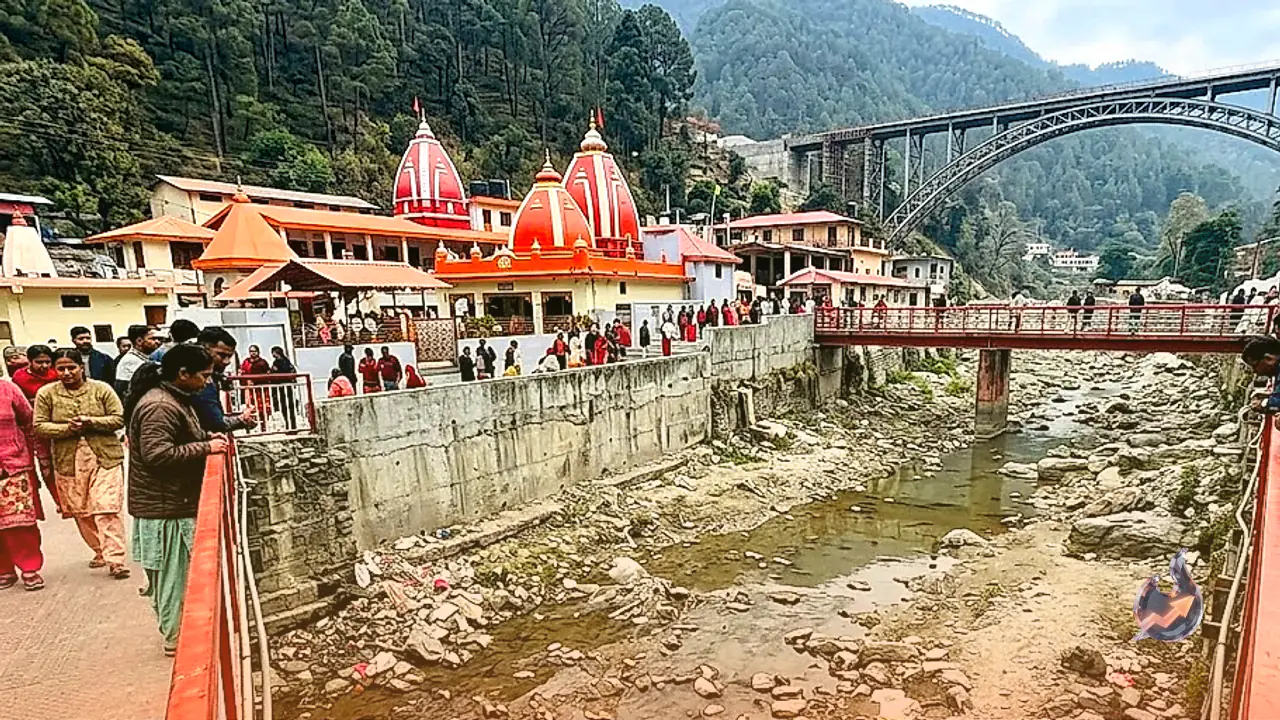






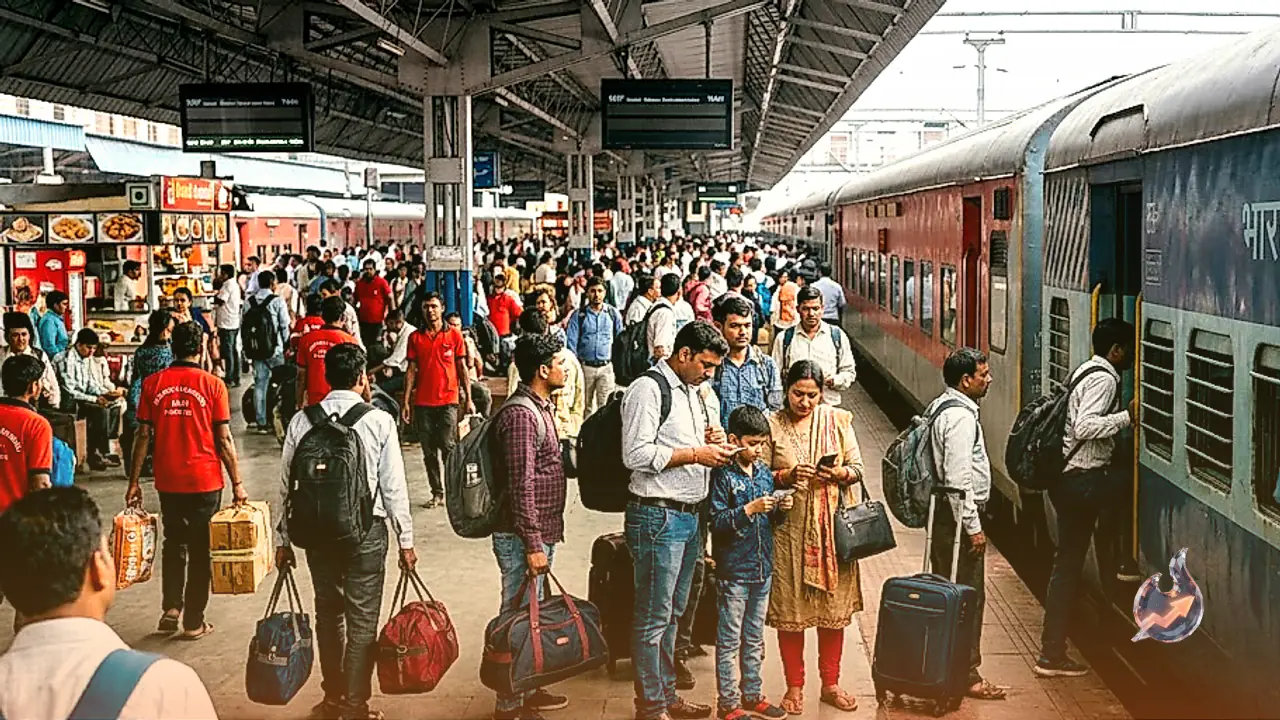
















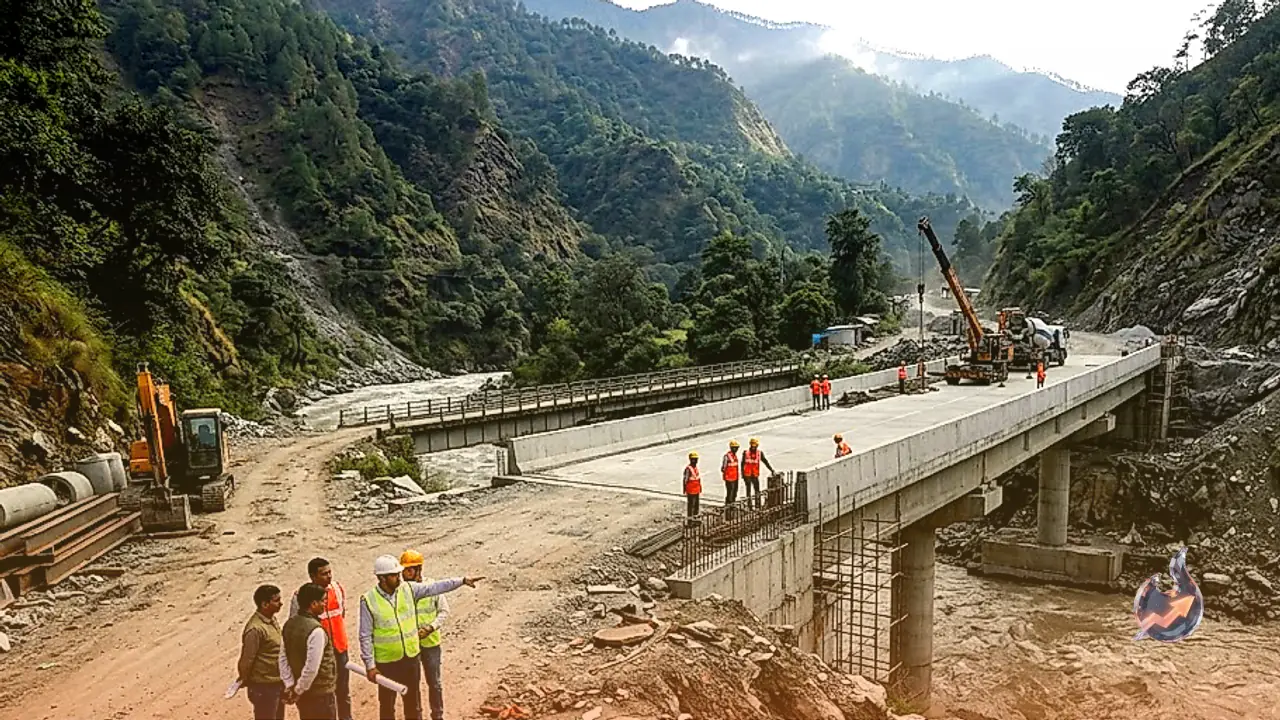

Commuters navigating the state highway across Uttarakhand's border districts are set for significant relief as the Public Works Department moves forward with plans to modernize 33 critical bridges across Pithoragarh and Champawat. For decades, these crossing points have operated as narrow single-lane bottlenecks, struggling to cope with the steep surge in daily vehicular movement. By expanding these structures into modern double-lane spans, authorities aim to eliminate chronic traffic snarls in rugged terrain while sharply lowering the risk of fatal head-on collisions on narrow approaches.
Selection of 33 Crucial Bottlenecks Across Two Districts
Both Himalayan districts share sensitive border zones where overall traffic volume has multiplied rapidly due to tourism, administrative movement, and continuous infrastructure expansion. Currently, whenever a bus or heavy commercial truck attempts to cross one of these single-lane bridges, oncoming traffic must halt entirely, sparking long queues and bringing transit speeds to a standstill. To resolve this persistent mobility crisis, the Public Works Department conducted a comprehensive assessment and finalized 33 bridges for complete widening. Under the approved framework, 22 bridges are situated in Pithoragarh district, while the remaining 11 bridges fall within Champawat district.
Structural Upgrades from Class B to Class A Load Capacity
Providing technical context on the engineering upgrades, PWD Superintending Engineer HC Hyanki explained that the existing bridges on the state highway were originally built to Class B loading specifications. Considering escalating traffic volumes and the demands of heavy development work, these spans are now being redesigned into durable double-lane bridges engineered for Class A loading. This upgrade guarantees that multi-axle freight carriers, heavy construction machinery, and industrial supply trucks can traverse the highway smoothly without structural strain or weight restrictions.
Financing Secured Through ADB and NABARD Partnerships
Funding arrangements for executing these structural overhauls on the ground have been organized systematically. Detailed Project Reports for all 11 bridges in Champawat district have already been compiled and submitted to the government. The Asian Development Bank will provide financial backing for Champawat's bridges, enabling swift administrative clearances and ground execution. Meanwhile, in Pithoragarh, detailed project reports for more than a dozen of the 22 bridges have been finalized, with the remaining 9 reports nearing submission to state authorities. Pithoragarh's bridge projects will be financed through fiscal assistance from NABARD.
Catalyst for Border Trade, Tourism, and Regional Growth
The upgrade initiative has drawn widespread support from local residents and community representatives across the Kumaon hills. Social activist Shankar Kharayat described the widening of 22 bridges in Pithoragarh as a transformative development for the border belt. Multiple critical infrastructure projects are underway across the frontier, demanding regular and unobstructed transit of heavy building materials. Transitioning to two-way, double-lane bridges will not only grant swift everyday travel for locals and emergency services but also deliver a major commercial boost to regional freight logistics and border trade.