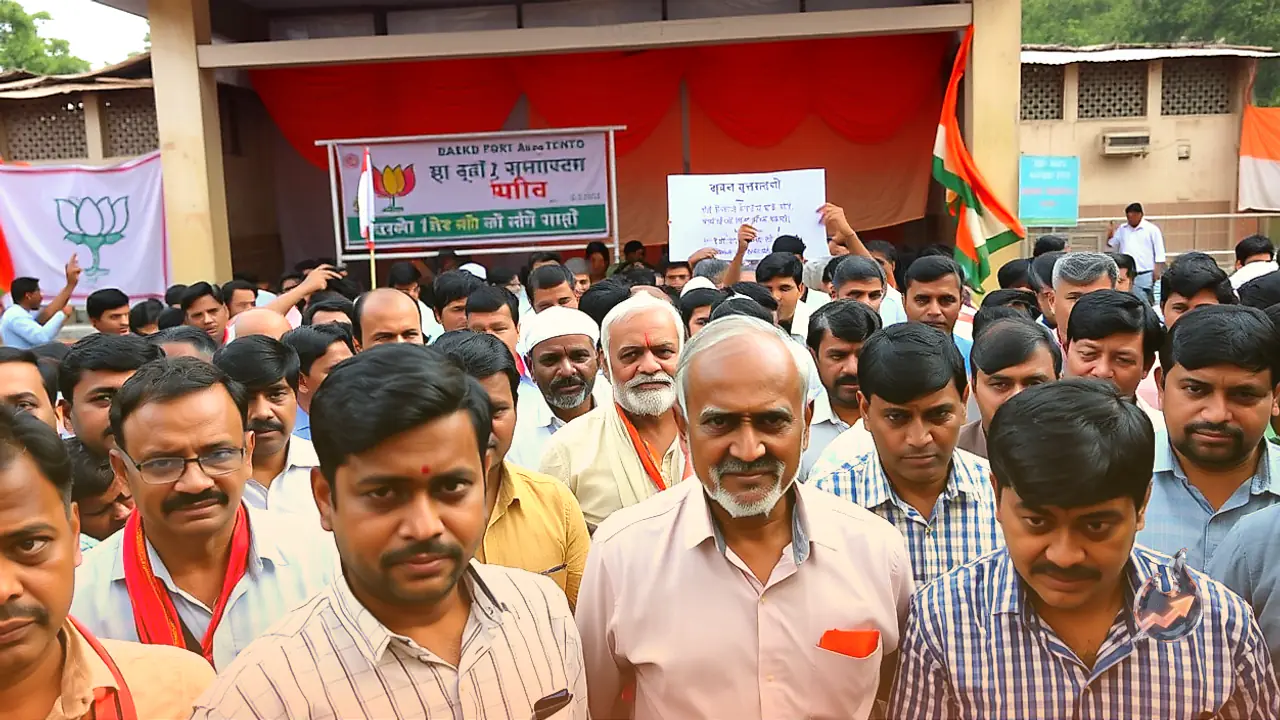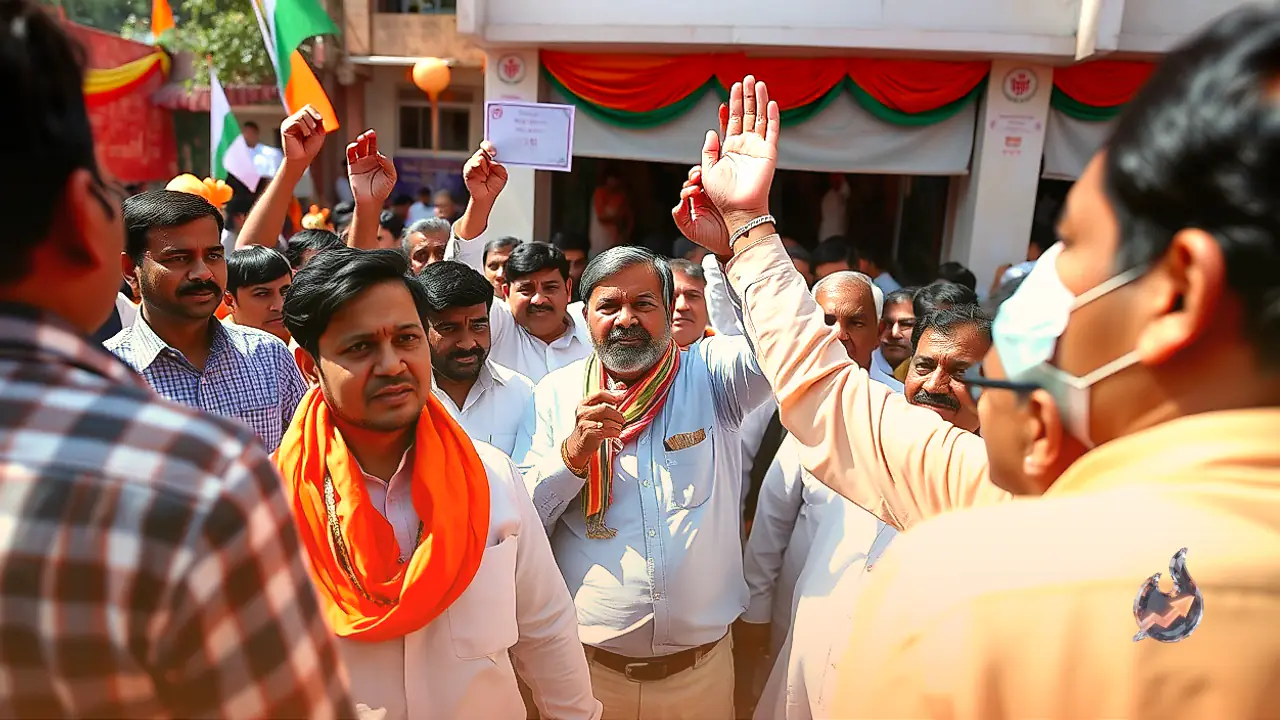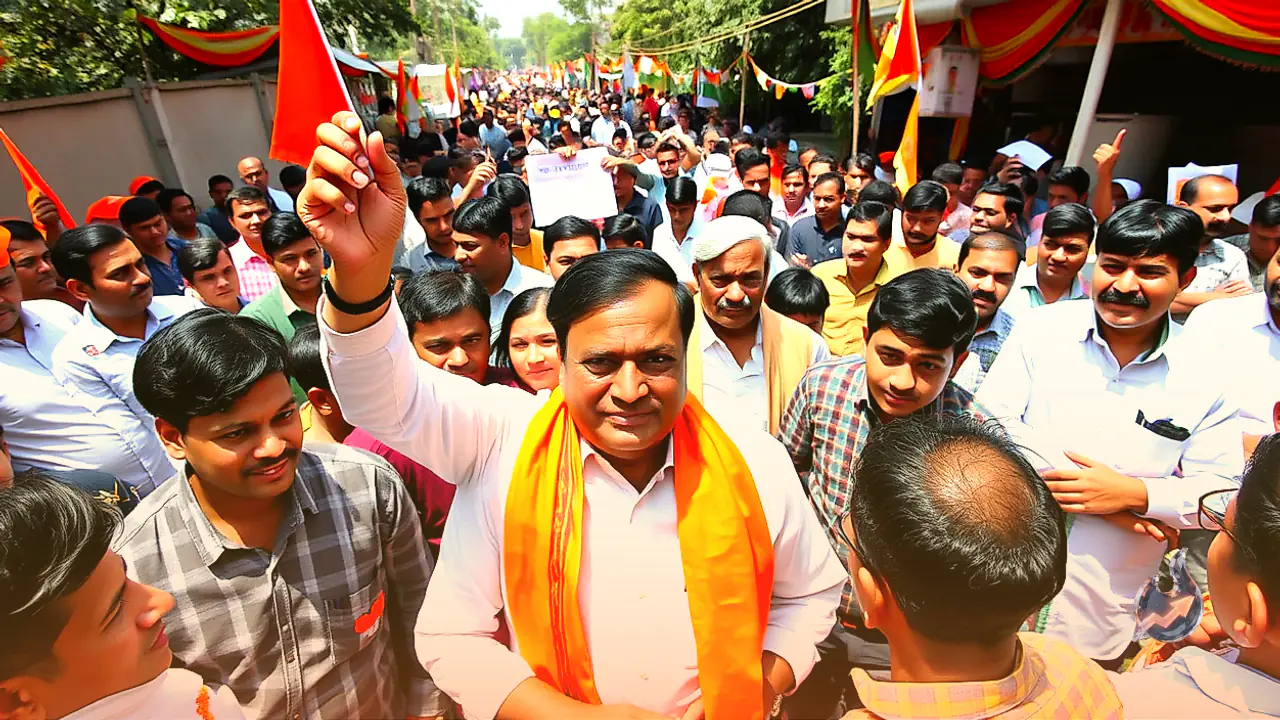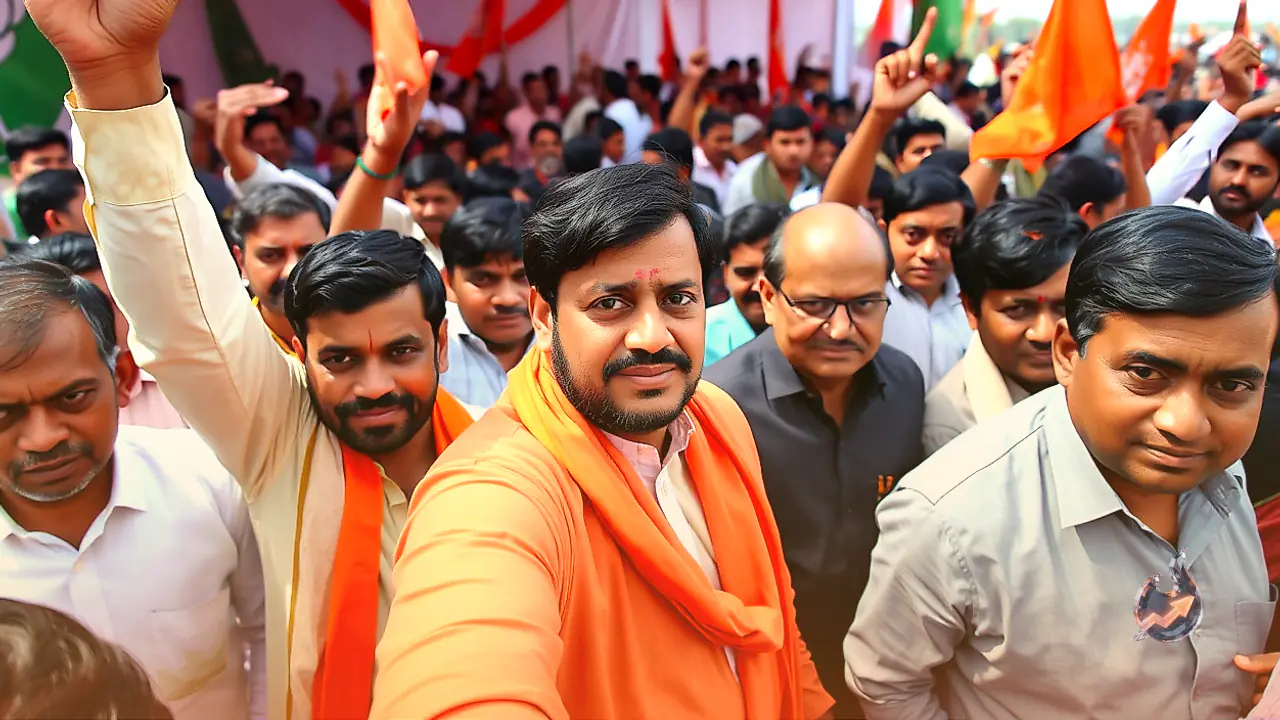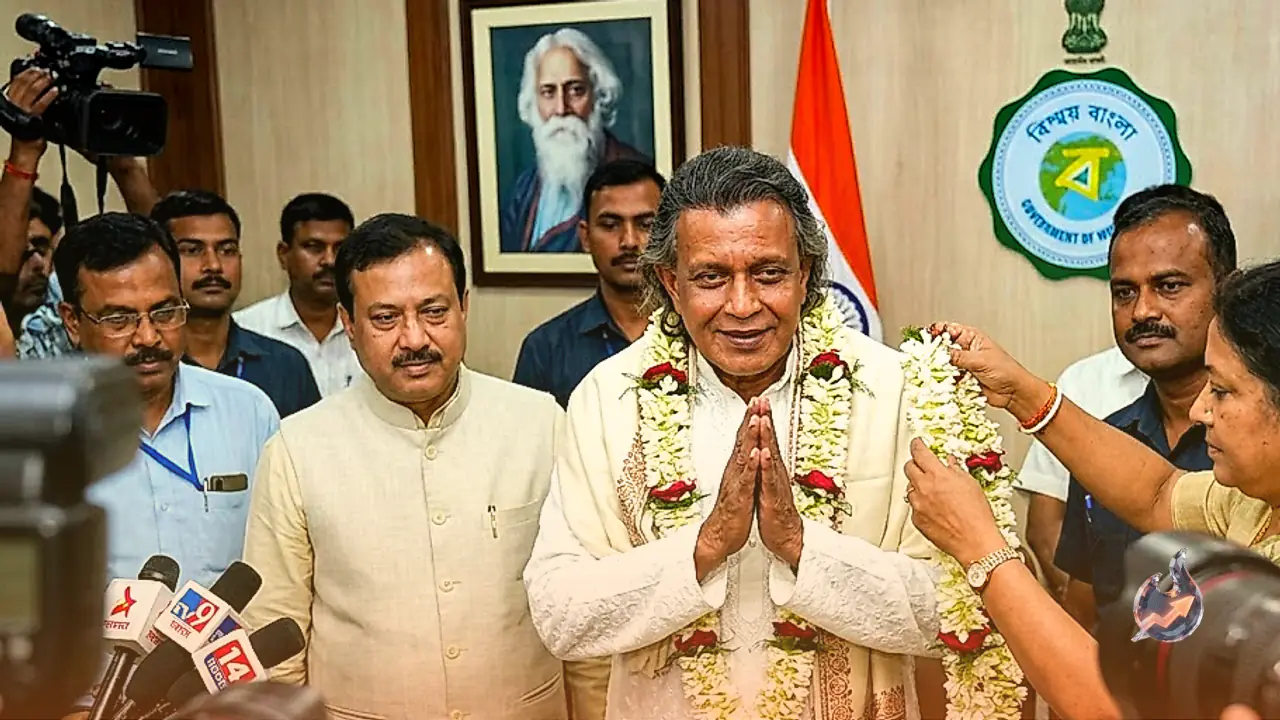

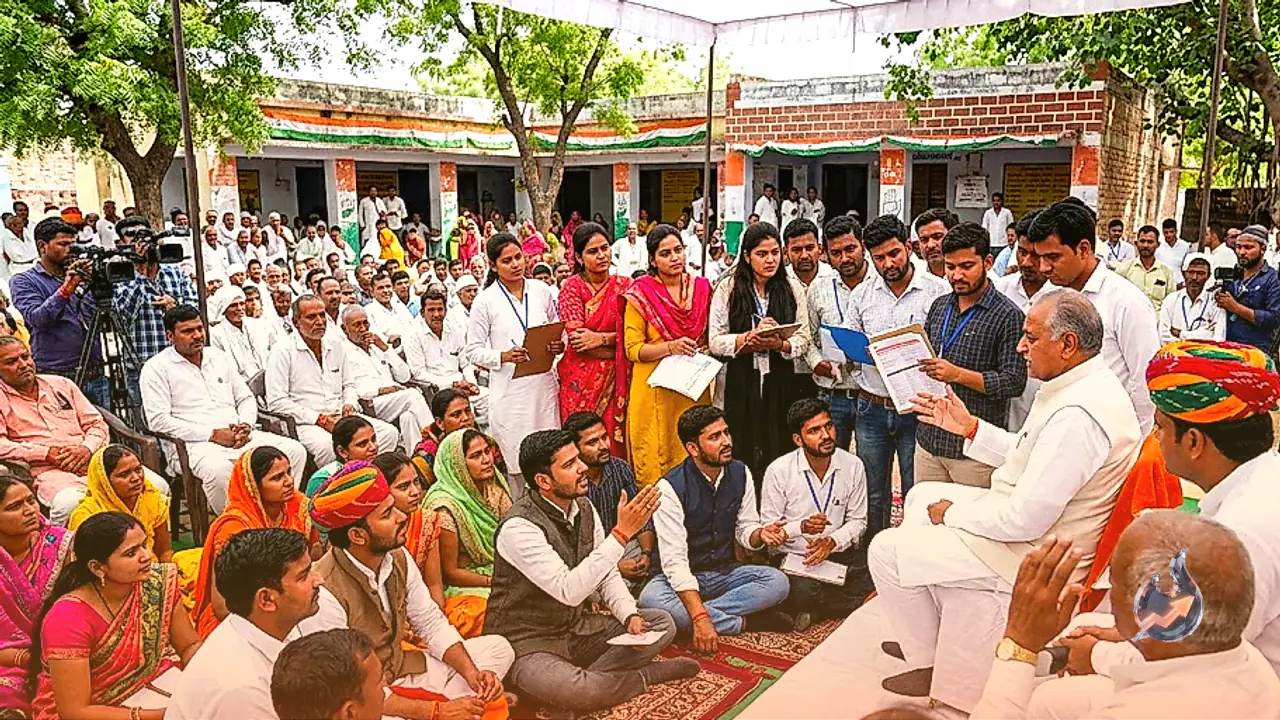















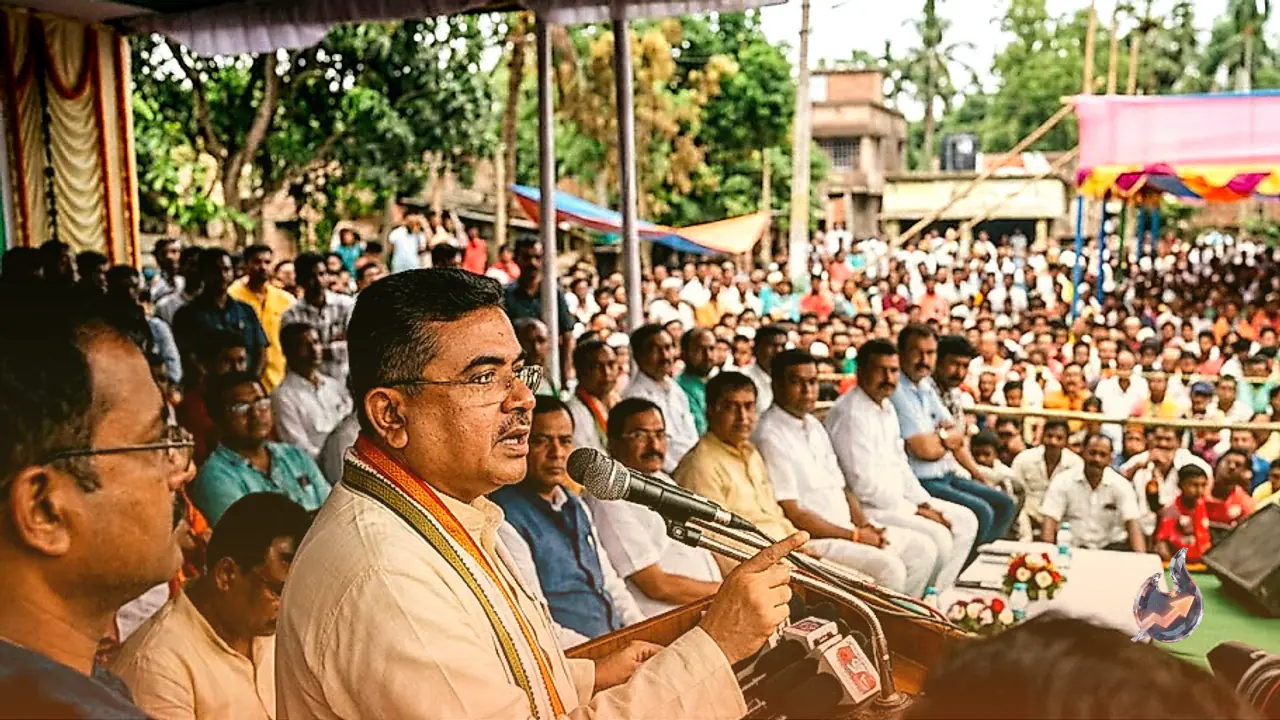

West Bengal Chief Minister Suvendu Adhikari issued a direct message to grassroots panchayat representatives on Sunday, urging them to set aside personal vanity and dedicate themselves fully to the welfare of the public. Making his first visit to Nandigram in Purba Medinipur district following the party's decisive victory in the assembly by-election, he stressed that the conduct of elected representatives will be kept under close scrutiny so that ordinary residents face no hardship due to their actions.
Strict Scrutiny on Local Representatives and Governance
Addressing party members, the Chief Minister underscored that humility must guide public office. He warned local leaders against displaying hubris, cautioning that community members should never have cause to complain that local administrators have merely enriched themselves and built grand mansions while in power. He called for disciplined unity and cooperative functioning across all village administrative bodies.
The remarks came during an event organised to distribute Durga Puja gifts to families of party workers who had reportedly faced violence and oppression during the previous Trinamool Congress regime. Adhikari instructed panchayat functionaries to strictly order their priorities: addressing the basic concerns and daily necessities of the general populace must take precedence before attending to the interests of party cadres.
By-Election Dynamics and Legislative Context
The assembly by-election in Nandigram saw BJP nominee Hasirani Rath secure a comprehensive victory by a margin of 1,22,753 votes. Hasirani Rath is the mother of the Chief Minister's slain personal assistant, Chandranath Rath. The by-poll was necessitated after Adhikari, who had contested and won from both the Nandigram and Bhowanipore constituencies in this year's general assembly election, chose to retain the Bhowanipore seat and vacated Nandigram.
Reassuring local constituents that his administrative departure from the seat would not diminish their access to governance, Adhikari stated that public assistance and services offered through his local offices would continue completely uninterrupted. He reaffirmed his personal ties to the constituency, remarking that he would remain an MLA from Bhowanipore and a registered voter in Nandigram for the rest of his life.
Infrastructure Blueprint: Hospitals, Bridges, and Rail Connectivity
Unveiling a comprehensive development blueprint for the region, the Chief Minister highlighted several capital projects intended to upgrade transport and medical facilities. Key among them is a bridge connecting Haldia and Nandigram, alongside the establishment of a state-of-the-art super-speciality hospital. Healthcare capacity at existing medical centres in Reyapara, Maheshpur, and Amdabad will be expanded with increased bed counts and the deployment of more doctors. A dedicated initiative to bring rail line connectivity into Nandigram will also be pursued.
Addressing economic challenges, Adhikari announced a structured plan to facilitate the phased return of migrant workers currently employed in other states. In addition, targeted efforts will be introduced to open up sustainable employment avenues in the services sector for educated rural youth.
Support for Folk Performers and Rural Works
To preserve local heritage, folk artistes from the Vaishnavite community who have so far remained excluded from the Lokprasar Shilpi welfare pension scheme will now be formally enrolled. This coverage will specifically extend financial allowances to traditional performers who play instruments such as the mridang and khanjani.
Civil infrastructure will simultaneously receive an overhaul through the Haldia Development Authority, which has been tasked with laying all-weather paved roads across rural pockets. Precarious wooden bridges across waterways will be systematically replaced with durable permanent structures. Furthermore, dedicated new buildings will be constructed for Integrated Child Development Services (ICDS) centres to serve rural mothers and children. Adhikari concluded by affirming that all civic and developmental commitments made to the people will be fulfilled in a structured, phased sequence.