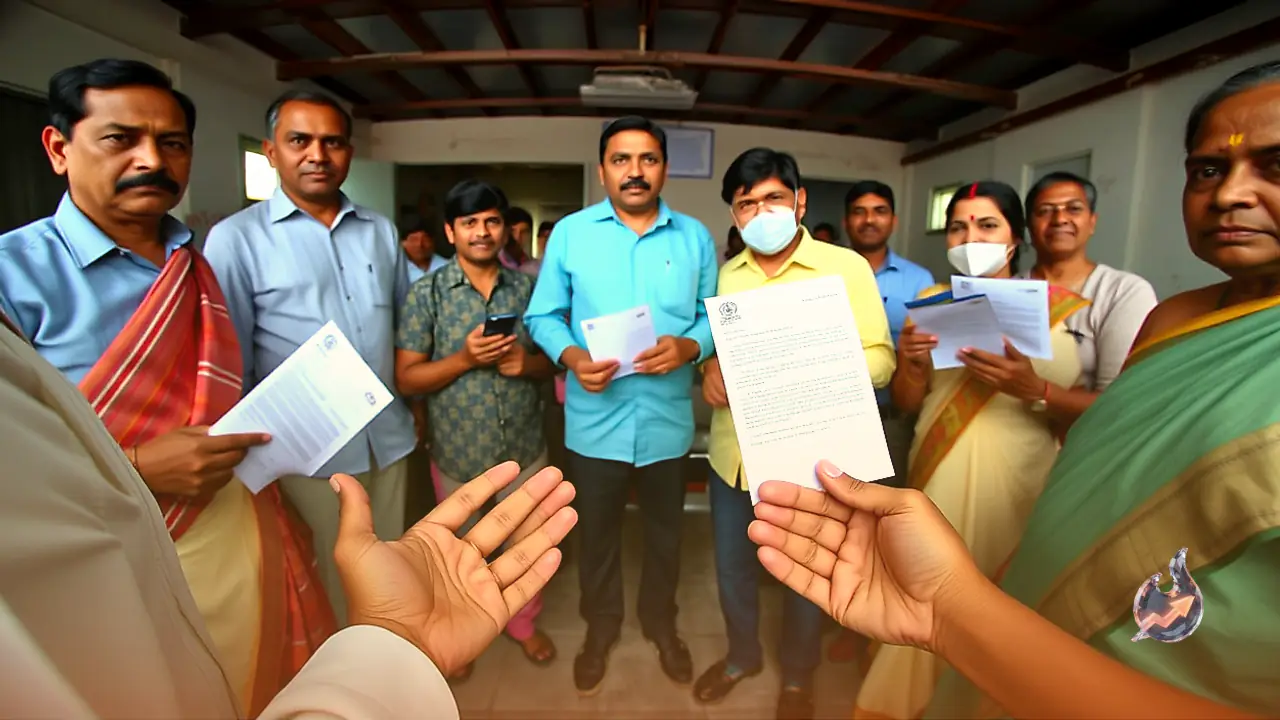


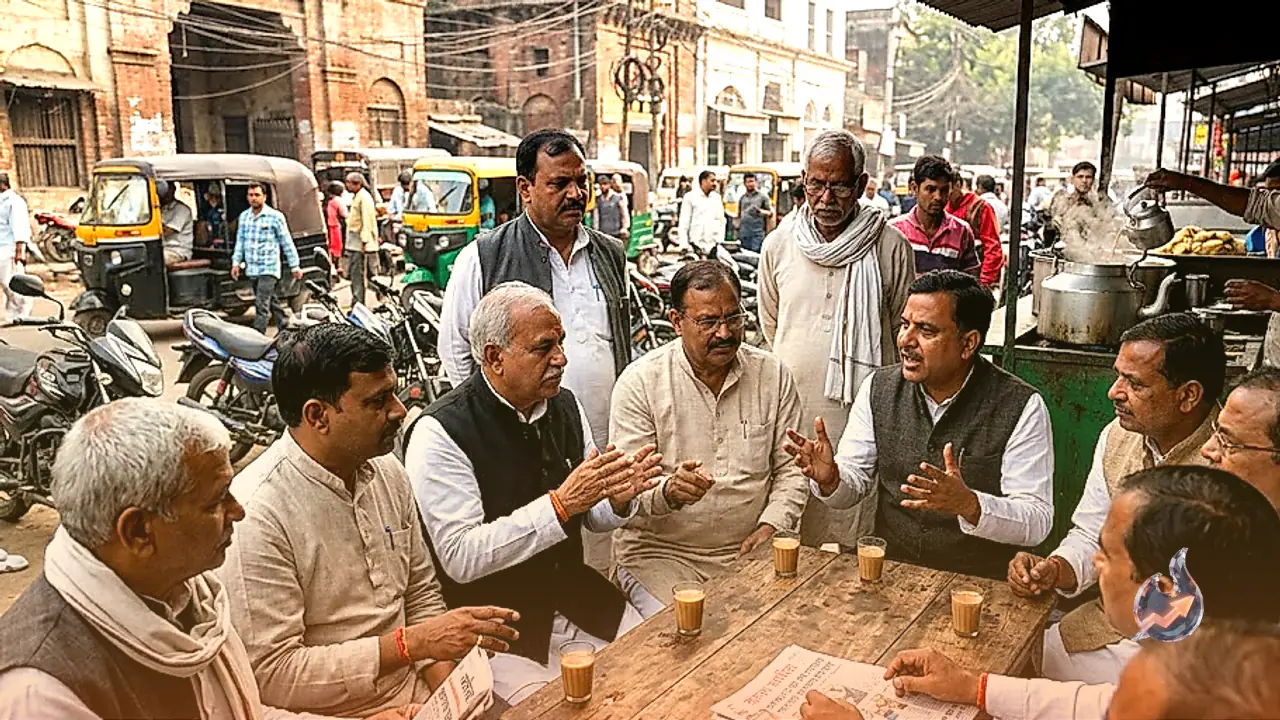
















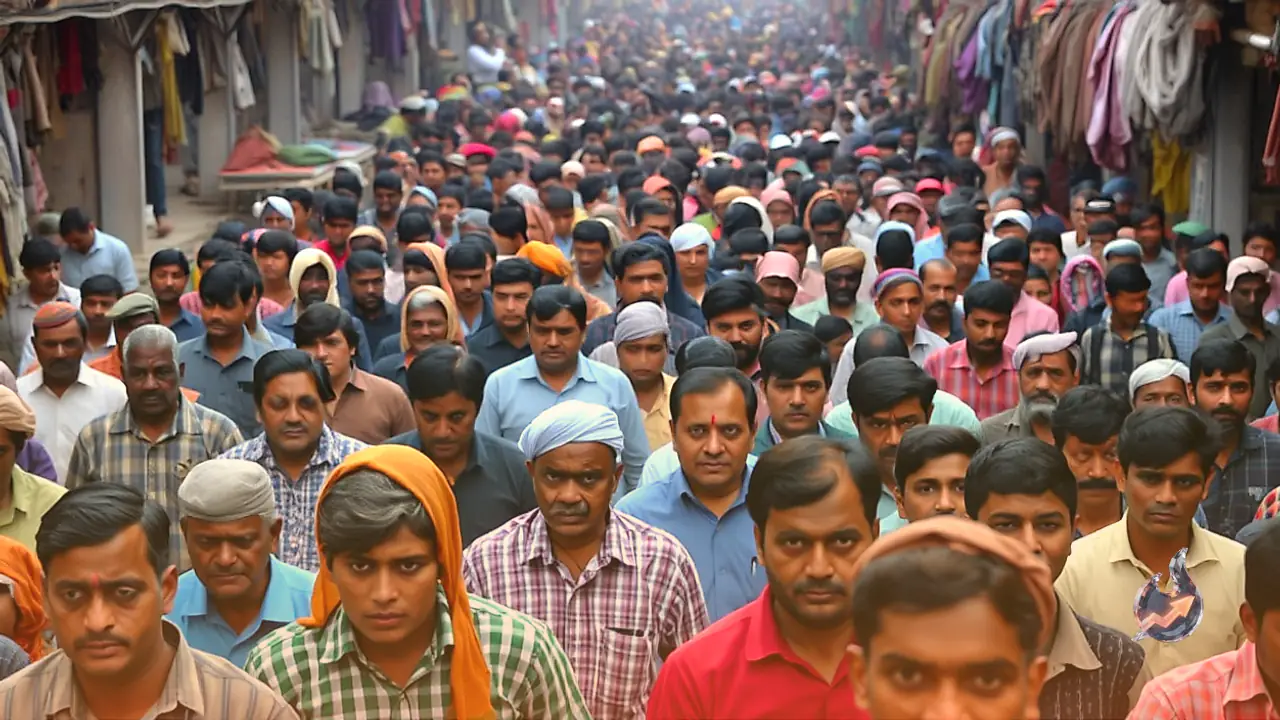

A massive wave of reverse migration has gripped the diamond and textile capital of Surat, Gujarat, as an estimated 10 lakh migrant workers hailing from Uttar Pradesh and Bihar are leaving the city en masse to return to their native villages. The sudden departure has overwhelmed the Surat railway station, where platforms remain packed with long queues of laborers waiting to board outbound trains. Driven by severe workplace grievances, this spontaneous 'Gaon Chalo Movement' reflects deep-seated frustration against continuous 12-hour shifts, lack of weekly rest, and harsh management practices across local industrial units.
Grueling Work Hours and Denial of Basic Weekly Offs
Workers employed across the city's manufacturing and processing units allege widespread economic and psychological exploitation at the hands of factory managements. Despite completing demanding 12-hour shifts daily, laborers report that they neither receive their full earnings on time nor are permitted a single day of weekly rest. Industrial operators routinely demand that workers remain on duty for all 30 days of the month without interruption. Any laborer who requests leave on grounds of physical exhaustion, sudden illness, or urgent personal necessity faces immediate wage deductions or outright termination without settlement.
Voices from the Platforms Reject Harsh Industrial Terms
At the crowded railway terminal, departing workers articulated their grievances regarding unfair treatment, broken management promises, and unaddressed labor rights
- Withheld Wages and Abrupt Terminations: Premchandra, a laborer from Ayodhya, along with fellow workers, stated that management initially offered assurances when staff sought a single day off on Sundays, only to retract them later. Several employees who persisted with their demand for a weekly break were summarily dismissed from service, with factory owners withholding their pending salaries.
- Dignity Over Indentured Conditions: Brijesh Nishad from Prayagraj, who had spent the past 4-5 months working in Surat, recounted how management routinely docked his wages whenever he took time off. Expressing deep indignation, he remarked that rather than continuing under oppressive factory terms, he would prefer returning home to farm or cultivate cucumbers on river sandbanks to make a living.
- The Demand for a Standard 26-Day Month: Laborer Shivvandan Kumar voiced collective anger over the compulsion to work full 30-day stretches. When workers insisted on working a standard 26 days with four rest days, management ejected them through the gates. Kumar affirmed that workers will not return unless owners acknowledge their utility, call them respectfully, and abandon the mandatory 30-day schedule.
Trade Union Intervention and Threatened Industrial Output
In response to the large-scale departure, labor unions have stepped in to assist the stranded workforce. Trade union representative Ajay D. Dubey stated that under the banner of the 'Gaon Chalo Movement', vast numbers of laborers are actively choosing to journey back to their home states. Union volunteer teams are present at the railway station distributing drinking water and biscuits to departing laborers while mounting stiff opposition against the rigid stance of factory owners. Skilled migrant artisans constitute the primary backbone of Surat's vast textile and embroidery sectors. Industry observers warn that unless factory managements expeditiously concede to basic demands for one weekly off and respectful workplace conditions, severe labor shortages will plunge Surat's flourishing production lines into a major industrial crisis.