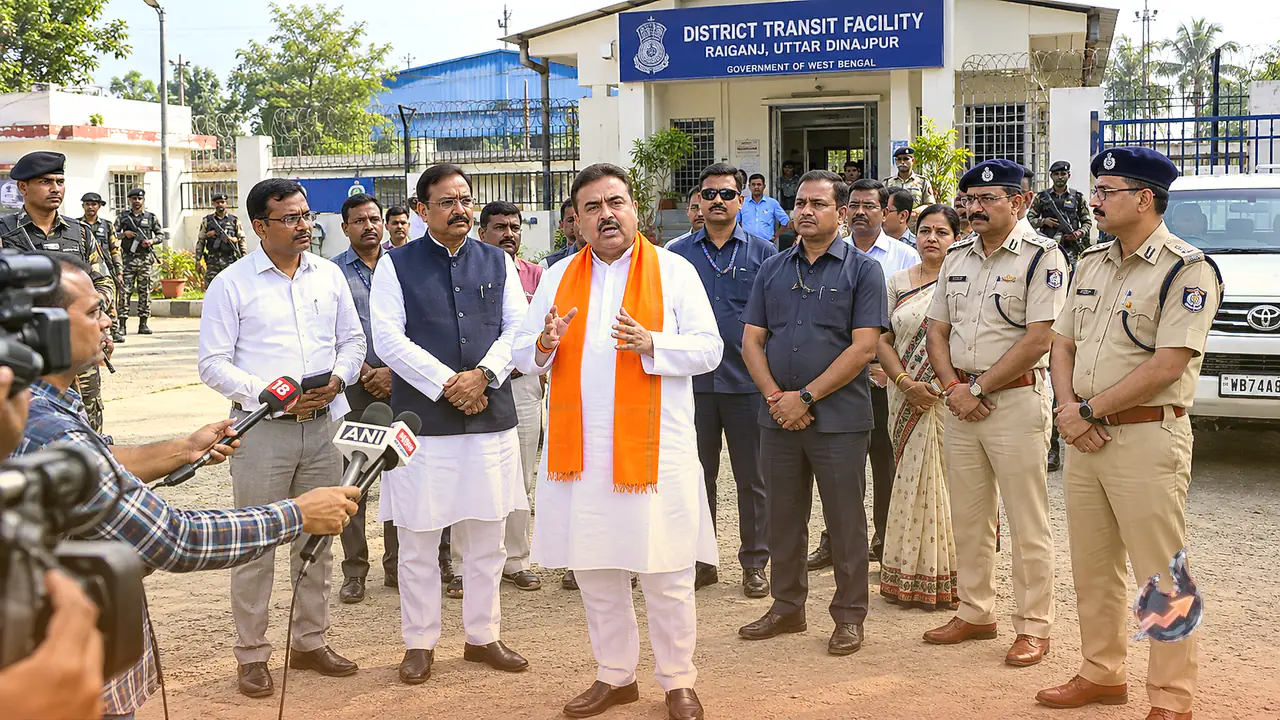















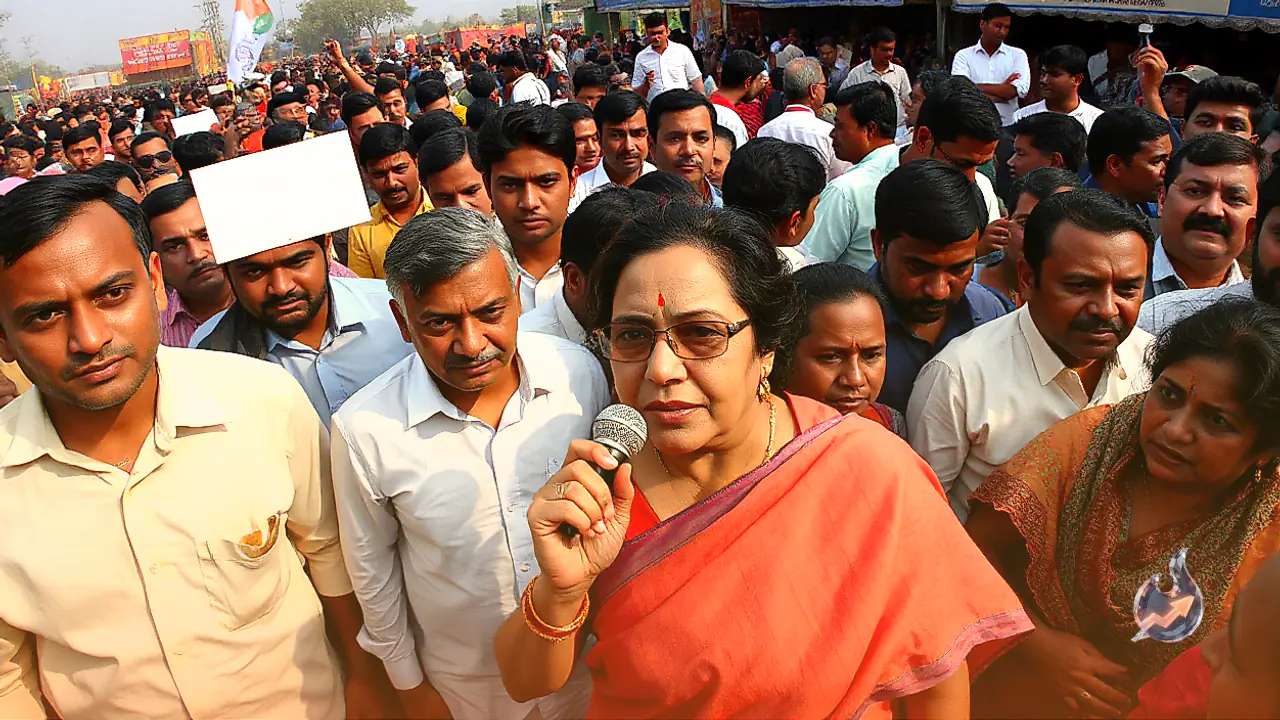

Political friction has intensified in Kolkata as Bharatiya Janata Party leader and former MP Locket Chatterjee launched a pointed attack against Trinamool Congress supremo Mamata Banerjee. Chatterjee characterised Banerjee's current political choices as signs of growing desperation, stating that a leader who once described herself as the Royal Bengal Tiger has now lost her standing and has very little political ground left to hold.
Countrywide Mobilisation and the Democratic Defense Campaign
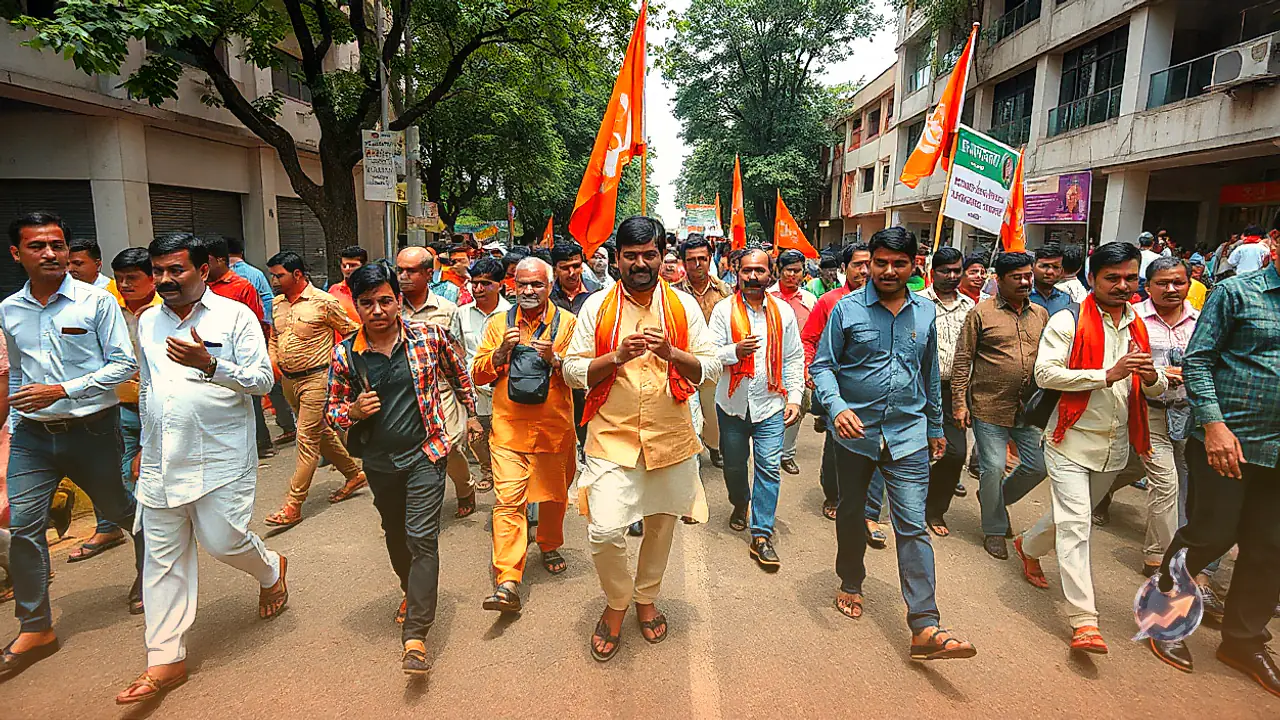
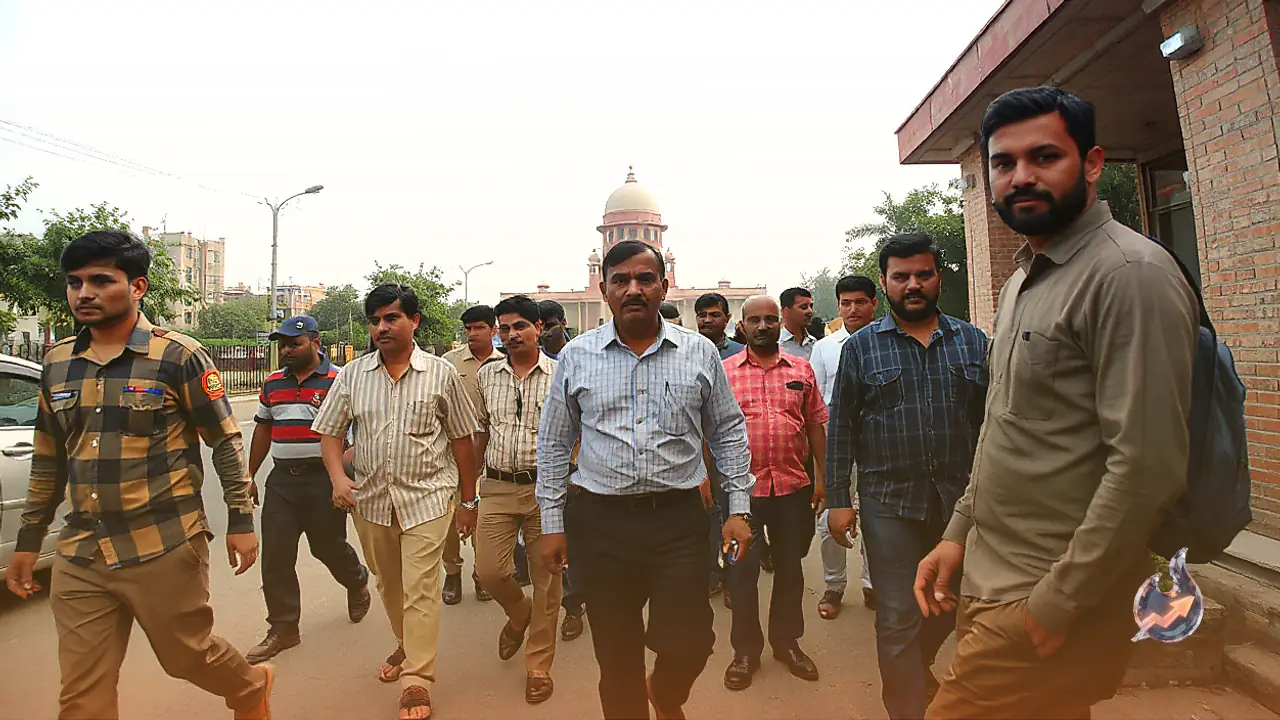
Speaking in the context of the rally organised around the theme of protecting democracy and removing anarchy, Chatterjee detailed the broader organisational activities underway across various regions. She highlighted the presence of BJP National President Nitin Nabin, noting that such initiatives are not restricted to West Bengal but are part of a nationwide outreach. Detailing his tour schedule, she mentioned that the party's national president conducted a programme in Haryana on Sunday and followed it with an engagement in Bhagalpur before arriving to take part in the Kolkata event.
Articulating the core message of these mobilisations, Chatterjee urged citizens to rise above partisan boundaries in order to protect democratic institutions, safeguard national security, and secure the future of the youth through active public marches. Taking aim at political opponents attempting to coordinate their efforts, she argued that such alignments are not driven by a genuine commitment to unify the people, but rather represent survival strategies by forces seeking to shield themselves from political decline by holding each other's hands.
Critique of Tactical Alliances and Changing Postures
Focusing on recent tactical adjustments by the ruling dispensation, Chatterjee took a sarcastic jab at agreements made with entities she referred to as the Cockroach Janata Party. She contended that this development underscores the extent of uncertainty currently facing the state leadership, pointing out a stark contrast between their earlier commanding position in governance and their present political vulnerabilities.
She also drew attention to the evolving dynamic with the Congress party, recalling how earlier interactions and visual records demonstrated an entirely different disposition towards them. Chatterjee noted that the same leadership has now taken to addressing Congress figures with respectful terms like 'Madam'. Drawing a comparison to changing climatic cycles, she remarked that their political seasons dictate their shifting language and loyalties.
Ideological Inconsistency and Allegations of Polarisation
Chatterjee further argued that the Trinamool Congress has consistently lacked a coherent ideological foundation or a lasting policy framework. In her assessment, the party adjusts its core stances according to prevailing circumstances, partnering with whoever offers an immediate advantage simply because viable alternatives have run out. She asserted that the organisation has suffered severe internal attrition, with numerous individuals departing or abandoning the cause.
Remarking that someone who previously governed the state should consider stepping back to rest, Chatterjee raised concerns regarding public communication and past governance patterns. She highlighted past statements on social media platforms that she claimed provoked communal sentiments and fostered appeasement politics at the expense of fairness. Chatterjee alleged that such practices placed undue pressure on the Hindu community, suggesting that long-standing habits of polarised rhetoric continue to surface in their everyday political vocabulary.
Promising Governance Overhaul and Dismantling Syndicates
Endorsing the outlook articulated by BJP National President Nitin Nabin, Chatterjee asserted that a comprehensive transformation is now taking root across the state administration. She maintained that future governance will be clean, orderly, and entirely devoid of corruption or arbitrary administrative interference.
Extending this vision to cultural sectors, she specifically addressed the management of prominent cultural gatherings like film festivals, insisting that they must be conducted transparently without the influence of syndicates. Chatterjee concluded that creative platforms must move away from favouritism so that genuinely talented individuals, who rightfully deserve recognition and opportunities, are given their fair share without facing institutional barriers.