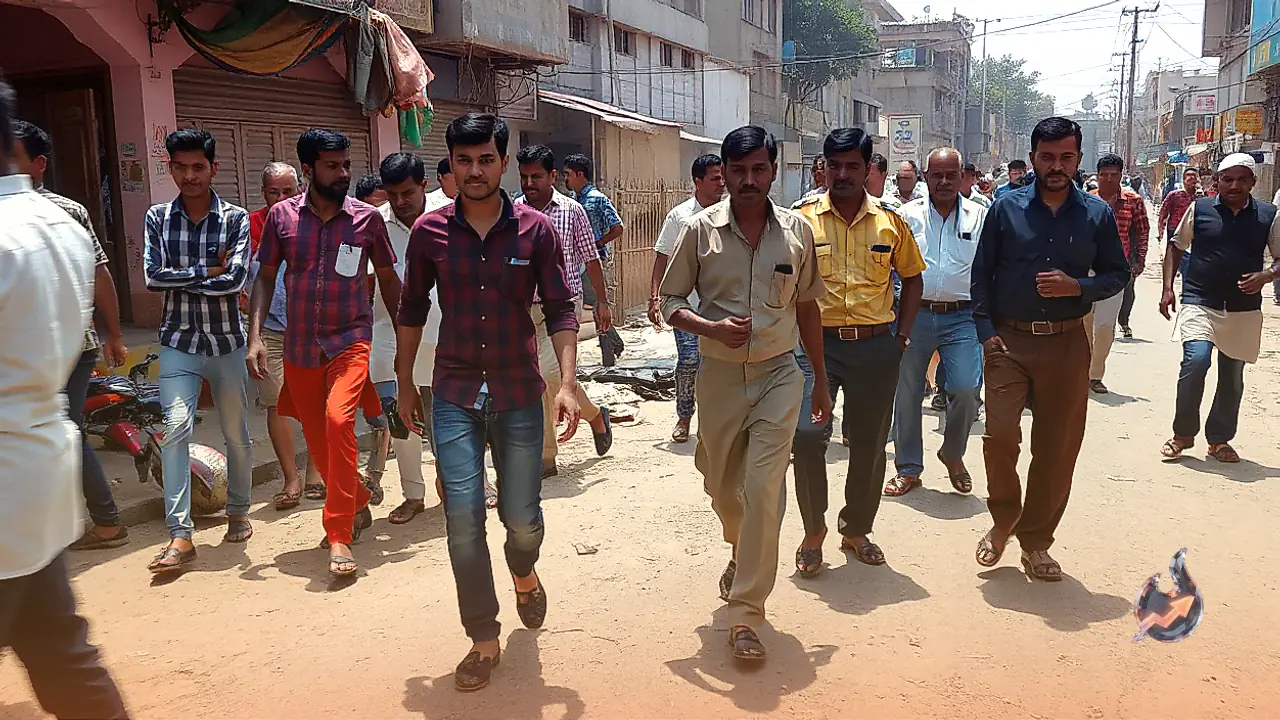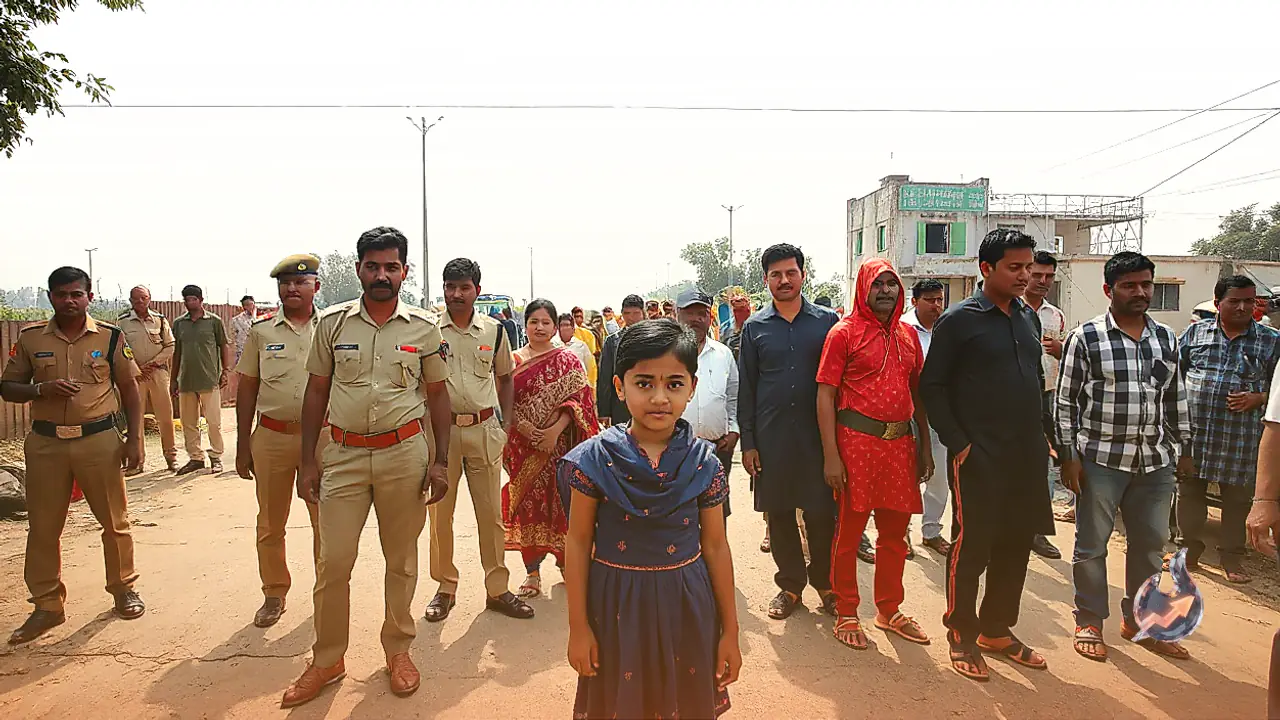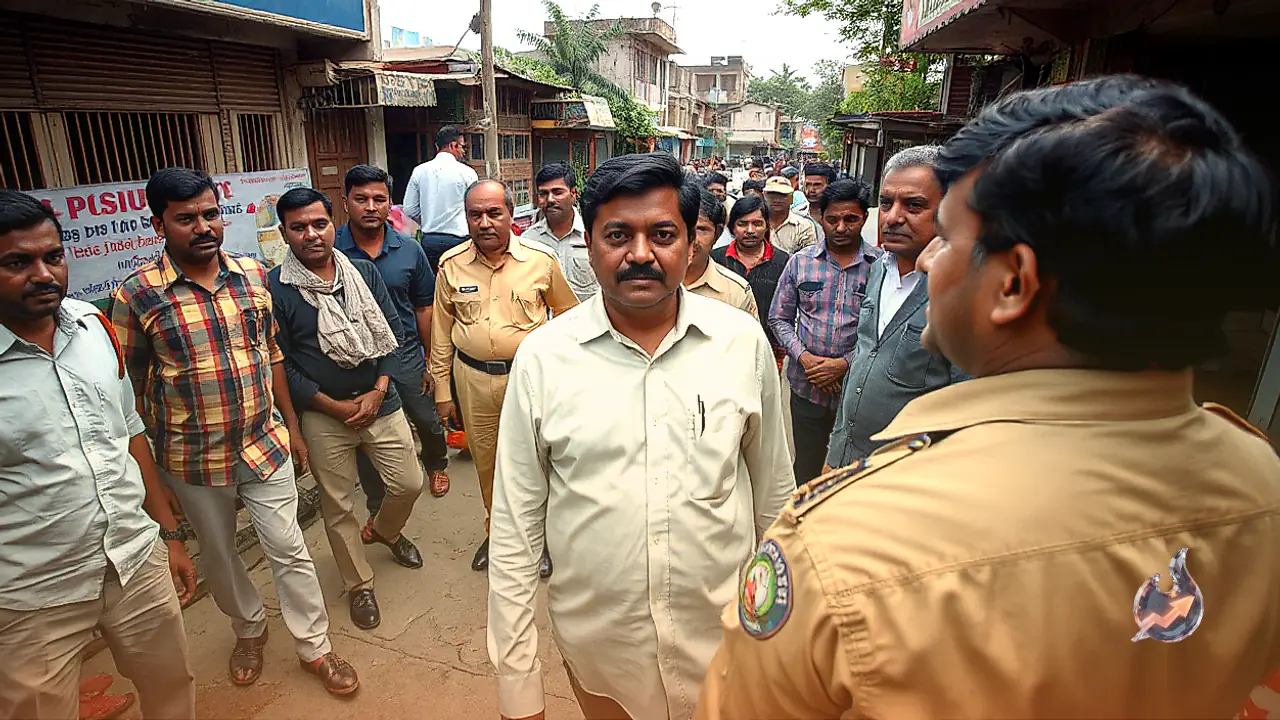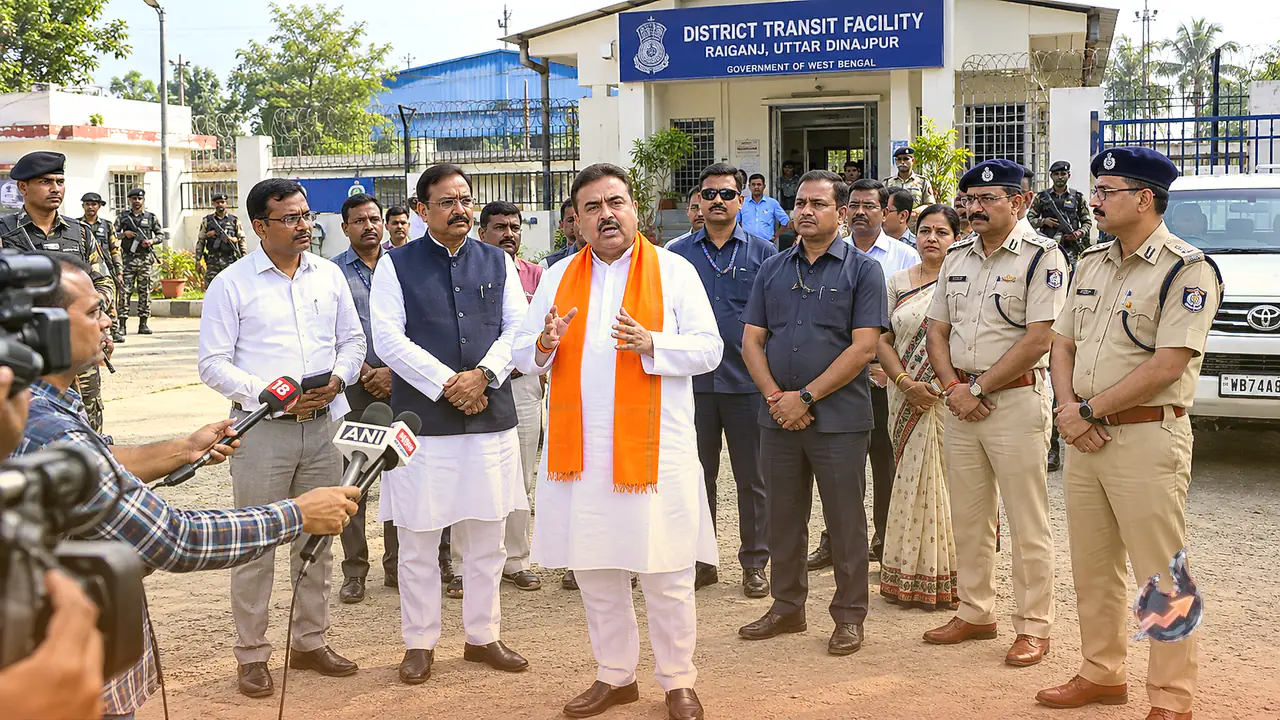
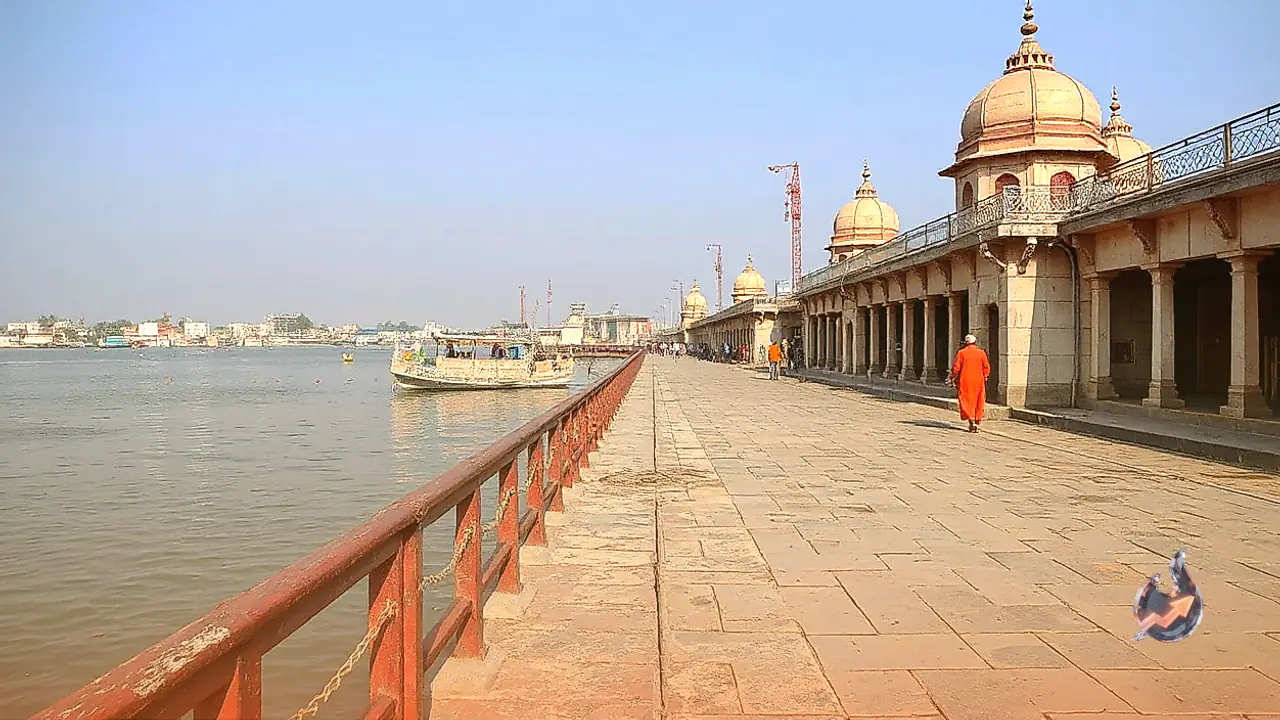

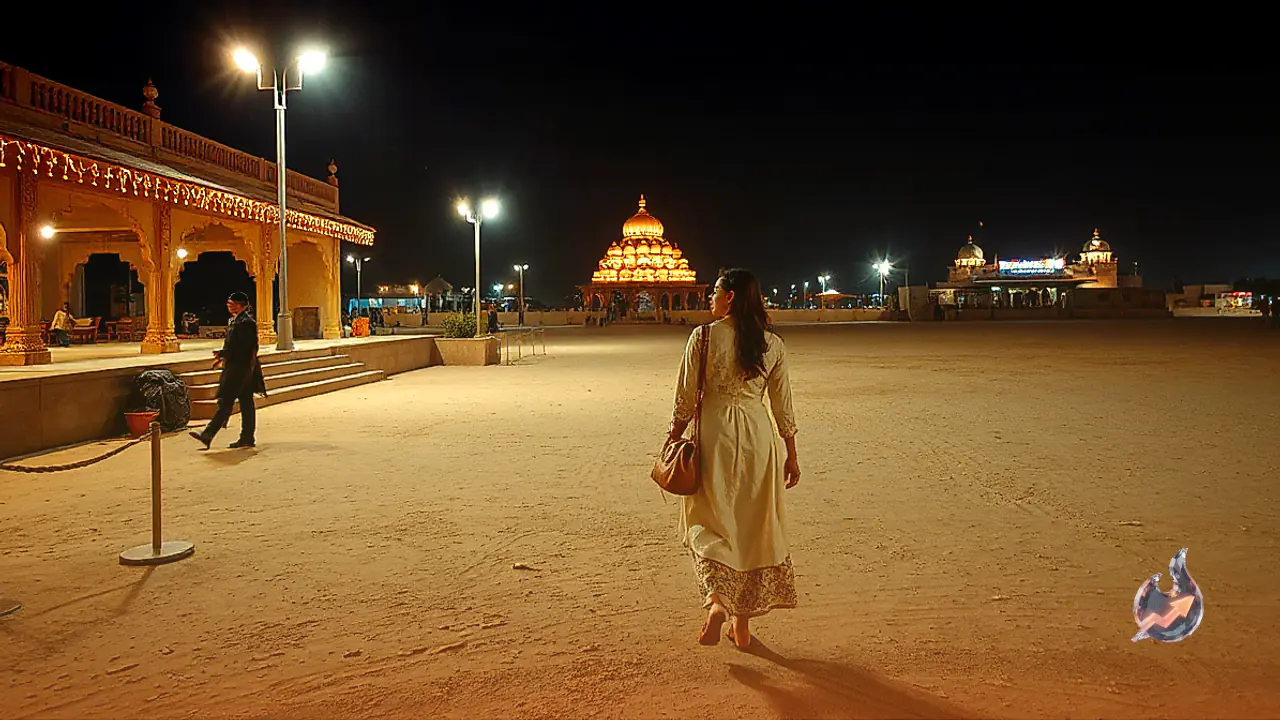


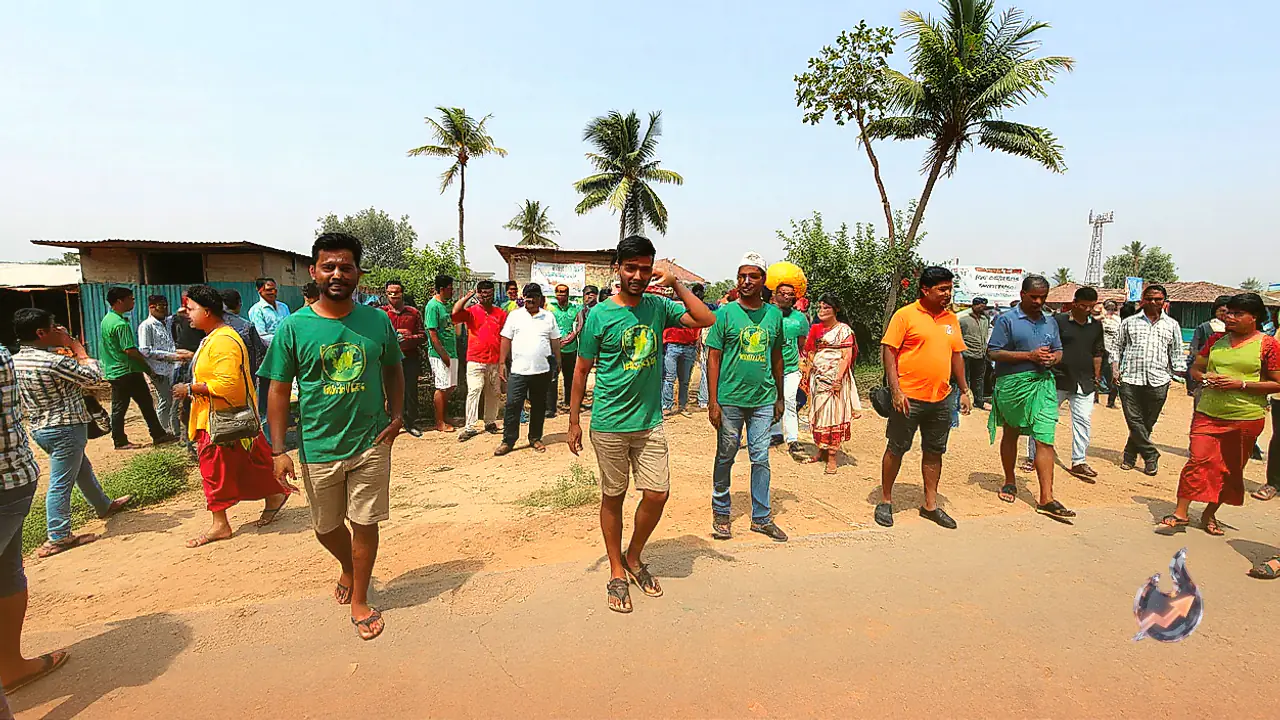















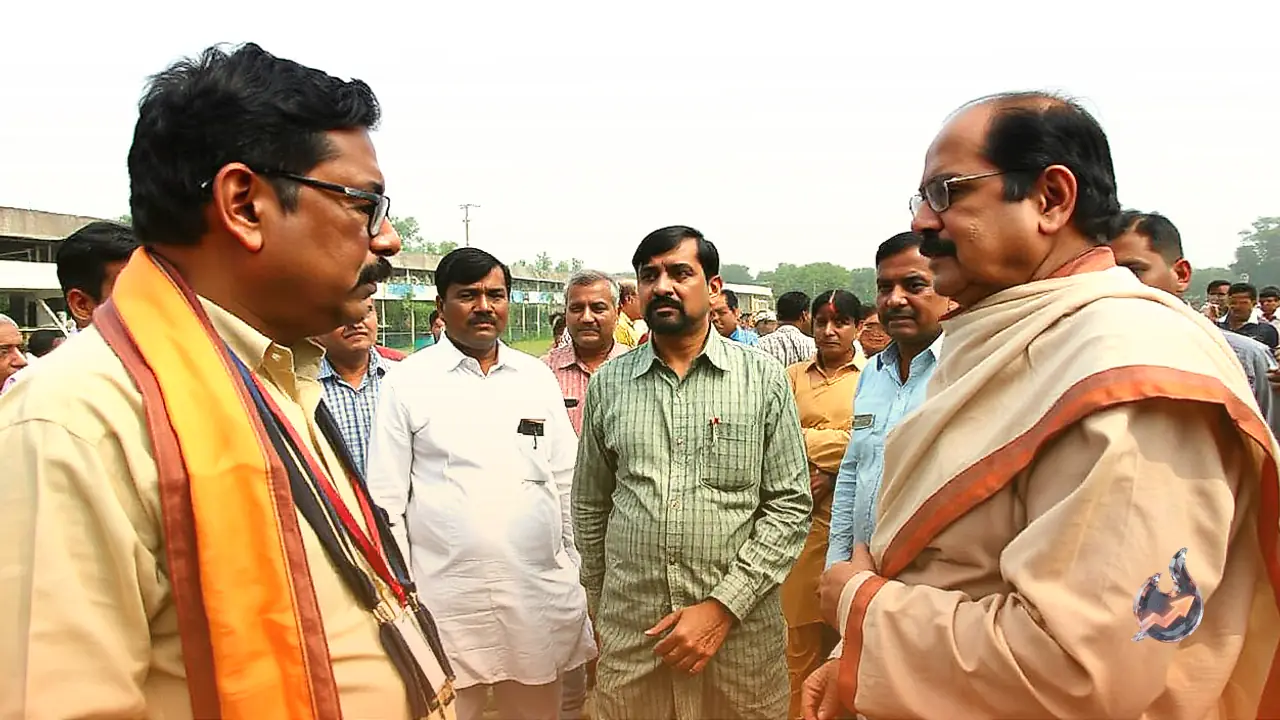

West Bengal Chief Minister Suvendu Adhikari visited Thakurnagar in the North 24 Parganas district on Sunday to take part in the International Matua Gosai Sammelan 2026, held at the historic heartland of the Matua community. Addressing media representatives during the event, he launched a direct political critique against former Chief Minister Mamata Banerjee, accusing the previous administration of driving divisions within the social group instead of addressing their development, alongside actively opposing the Citizenship Amendment Act (CAA).
Commitment to Thakurnagar and Community Welfare
Interacting with reporters, Chief Minister Suvendu Adhikari expressed deep personal satisfaction at attending the gathering, emphasizing that bringing meaningful progress to Thakurnagar would represent the highest milestone of his leadership. Underscoring his administration's intentions, he noted that doing something tangible for Thakurnagar would be his greatest achievement. He asserted that former Chief Minister Mamata Banerjee failed to deliver meaningful progress for the Matua community, alleging that her tenure actively fractured the social group while maintaining a direct opposition to the Citizenship Amendment Act (CAA). Adhikari outlined that specific policy decisions and welfare announcements aimed at the Matua community would be unveiled during the ongoing conference, with sustained efforts planned in the coming period.
Historical Roots and the Namasudra Reform Movement
The Matua community traces its geographic and spiritual roots to the territory of present-day Bangladesh in undivided Bengal. Classified under the Scheduled Caste (SC) category, the group gained historical prominence through a dedicated social reform movement initiated during the latter part of the nineteenth century under the spiritual guidance and leadership of Harichand Thakur.
That socio-religious movement served as a unifying platform primarily for the Namasudra community of undivided East Bengal, advocating for dignity, education, and social progress. Today, the Namasudra population remains recognized as a Scheduled Caste community in West Bengal, occupying an influential presence in the demographic and socio-political landscape of the state.