






















Afghanistan earthquake news: The ground shook violently in Afghanistan's northeastern Jurm area in the early hours of Thursday, just as most residents were still asleep. The tremors were strong enough to send people rushing out of their homes. The United States Geological Survey, USGS, recorded the quake's magnitude at 5.5, with its epicentre located near Jurm in northeastern Afghanistan.
How deep was the quake?
USGS data shows the earthquake struck at a depth of 216.7 kilometres, or roughly 134.65 miles. Quakes originating at such depth typically cause less damage on the surface, which likely explains why no immediate reports of casualties or property loss emerged in the aftermath.
Why this region keeps shaking
Jurm sits in Afghanistan's mountainous, northeastern Badakhshan province, an area long known for its seismic sensitivity. The region lies where the Indian and Eurasian tectonic plates constantly collide, making earthquakes a recurring feature of life there.
Venezuela's disaster still fresh
This latest quake comes just days after Venezuela was struck by two consecutive earthquakes that caused devastation still being felt today. More than 1,500 people have died in Venezuela's earthquakes so far, with thousands more still believed to be trapped under rubble.
Wounds from September 2025 still healing
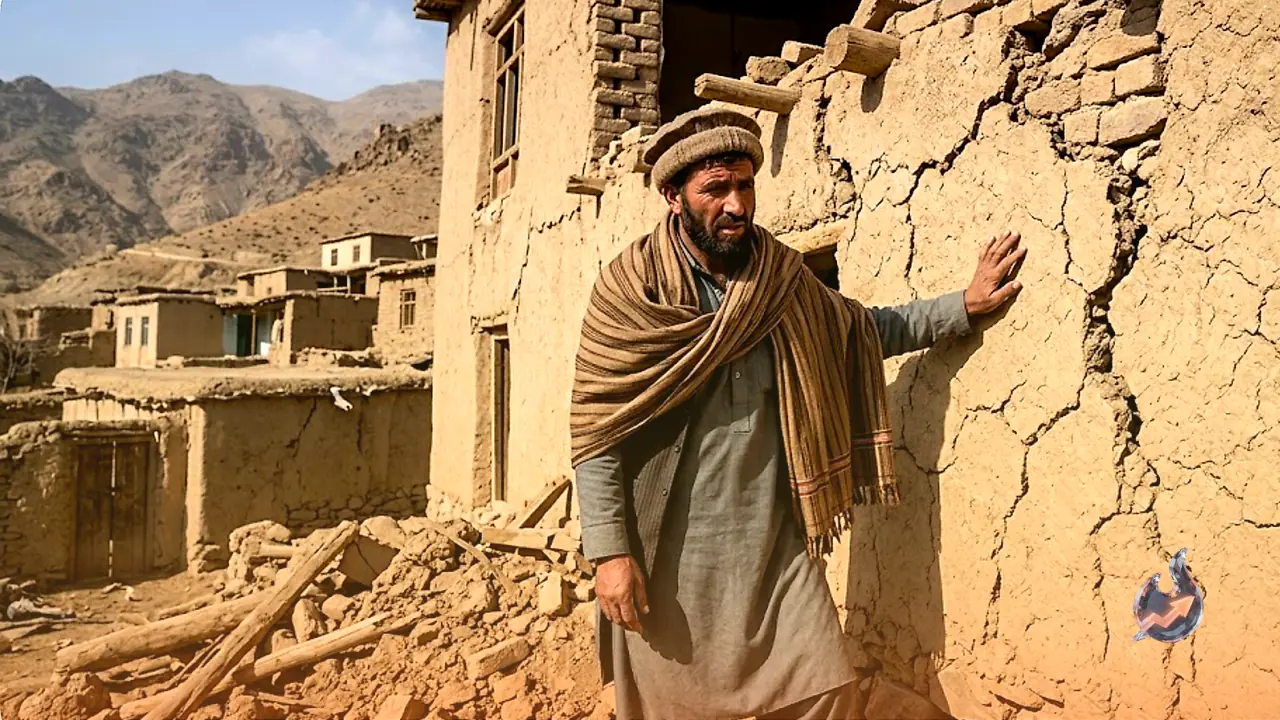
Afghanistan itself is yet to fully recover from an earlier, far more destructive earthquake. In September 2025, a powerful 6.0 magnitude quake struck the country's eastern region. Initial reports put the death toll above 800, but as rescue teams pushed into remote and hard to reach areas, Taliban officials and Reuters confirmed the toll had climbed past 2,200, with at least 2,800 people injured.
Herat's devastation in 2023
In October 2023, western Afghanistan's Herat region was hit by a series of powerful earthquakes that killed more than 2,000 people and injured thousands more. It remains one of the deadliest natural disasters the country has witnessed in decades.
The Hindu Kush challenge
Afghanistan's location within the seismically volatile Hindu Kush mountain range means the country faces a persistently high earthquake risk. Deep quakes originating here are frequently felt not just within Afghanistan but also in neighbouring Pakistan and parts of Central Asia. The country's rugged terrain, scattered remote settlements and limited infrastructure consistently make rescue and relief operations extremely difficult, adding to the toll on ordinary people whenever disaster strikes.