

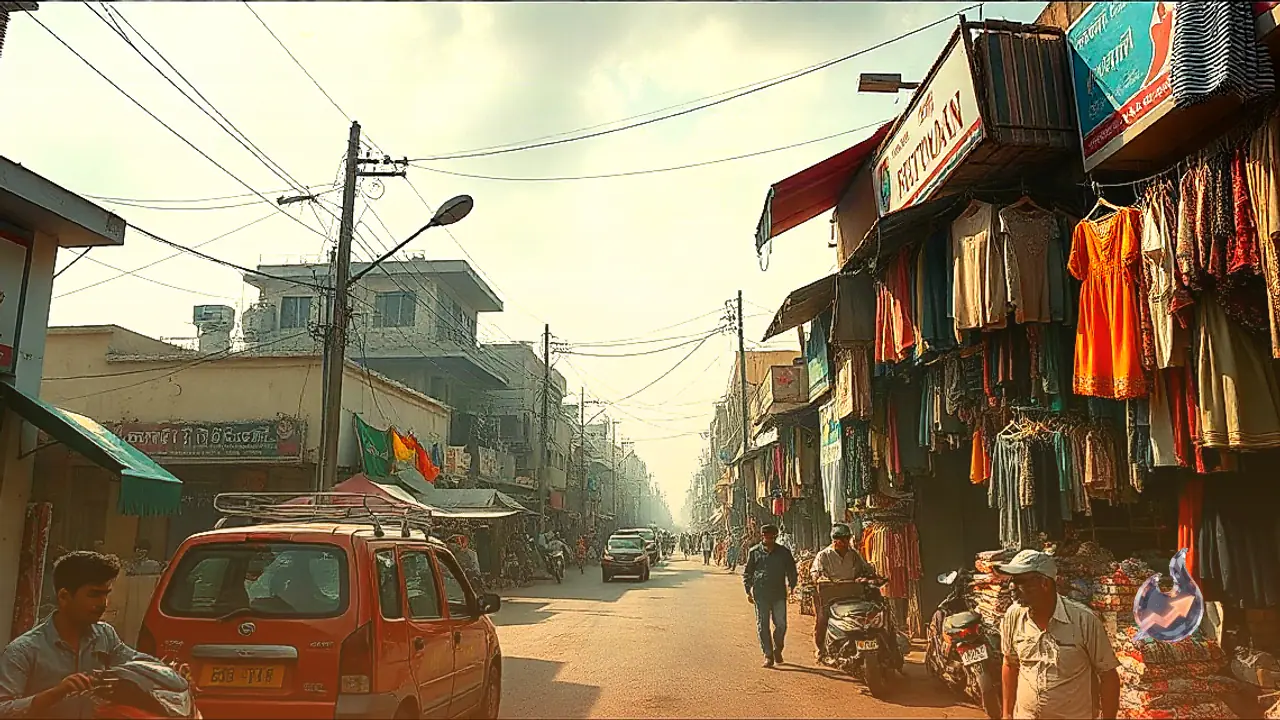



















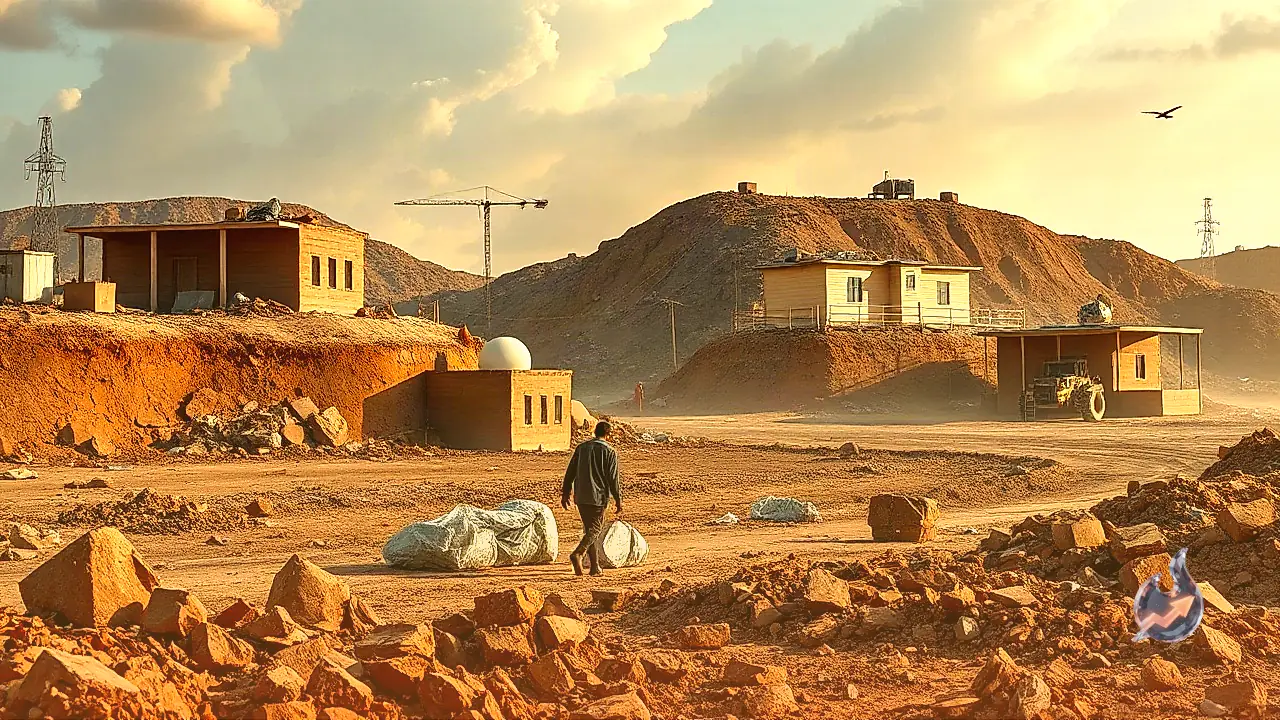

A catastrophic collapse at an artisanal gold mine in the West Kordofan province of Sudan has claimed the lives of at least 67 miners, highlighting the deadly intersection of unlicensed mining and protracted civil conflict. The disaster struck the Al-Jara gold mine located near the town of Nuhud, reducing a once bustling extraction site into an expanse of devastation and grief. Deep within the collapsed shafts, dozens of workers remain trapped beneath hundreds of tons of debris. Compounding the tragedy, the complete breakdown of local infrastructure has left the area without emergency services, forcing distraught relatives and fellow villagers to spend days scraping away thick mud, stones, and earth using only their bare hands, shovels, and rudimentary tools.
Disaster Unfolds Late Tuesday Night
The fatal accident occurred late on Tuesday night while dozens of laborers were actively working deep inside underground tunnels, panning and extracting gold-bearing rock. Without warning, the overhead soil structure and heavy rock strata gave way. Eyewitnesses recounted that the collapse unfolded within seconds, giving workers deep inside no opportunity to escape toward the surface shafts. Massive slabs of stone, mud, and compacted earth sealed the entryways and buried the laborers under immense weight.
Upon hearing the collapse, survivors on the surface alongside residents from neighboring villages rushed to the mine. However, the sheer depth of the excavation and the intricate maze of narrow passageways made manual rescue virtually impossible. Medical personnel and witnesses at the scene emphasized that numerous workers remain unaccounted for deep underground, raising grave concerns that the confirmed death toll will climb significantly higher as search efforts drag on.
Eyewitnesses Describe Desperate Hand-Digging Efforts
Laborer Khair-al-Saeed Gabara, who narrowly escaped the cave-in with his life, described a chaotic scene where miners had no time to react before the ceilings buckled. Gabara stressed that the most heartbreaking reality facing families is the absolute lack of heavy excavation machinery. No bulldozers, hydraulic excavators, or cranes have arrived to clear the fallen boulders, leaving villagers and surviving miners to dig through the rubble with their bare fingers and basic farm implements.
Another miner, Al-Amin Suleiman, explained that the underground layout consisted of several small, fragile tunnels carved out at great depths. According to Suleiman, numerous individuals remain trapped in these deep pockets, and retrieving anyone alive without industrial cranes and mechanized earth-moving equipment is almost impossible. As time slips away, hopes of finding survivors breathing beneath the compacted rubble continue to fade.
Civil Conflict and the Shadow of Unregulated Mining
The tragedy at the Al-Jara mine represents more than an industrial accident; it is fundamentally intertwined with the bloody conflict that has gripped Sudan. West Kordofan falls under the operational control of the paramilitary Rapid Support Forces (RSF), which has been locked in a fierce war against the Sudanese armed forces for the past three years. This prolonged warfare has obliterated civil administration, paralyzed transport links, and prevented government disaster response teams and heavy machinery from accessing the disaster zone.
Sudan ranks among the premier gold producers across the African continent, yet the vast majority of its extraction occurs in artisanal pits devoid of modern engineering oversight or baseline safety measures. Amid the chaos of the civil war, armed factions have seized control of lucrative mining territories. These factions exploit gold revenues to finance weapons purchases and sustain their war efforts, compelling impoverished laborers to work in lethal conditions. Stripped of alternative livelihoods by famine, conflict, and economic ruin, vulnerable workers have little choice but to risk their lives inside hazardous underground trenches.
A Documented History of Fatal Mining Collapses
Deadly collapses are an enduring reality across Sudan's gold fields, driven by systemic neglect, administrative absence, and disregard for human life. Historical precedents underscore the recurring nature of such catastrophes
- The 2021 Disaster: A major gold mine collapse in the very same province of West Kordofan killed 38 miners in 2021.
- The 2023 Tragedy: Another fatal cave-in in 2023 claimed the lives of 14 workers beneath unstable earth.
- Unregulated Operations: The vast majority of mines operate completely outside legal frameworks, lacking official permits, technical registrations, or government oversight.
- Absence of Support Infrastructure: These artisanal shafts are rarely reinforced with concrete or timber supports, and they operate entirely without ventilation shafts, emergency oxygen, or designated escape pathways.
- Complete Impunity: Despite repeated mass-casualty incidents, mine controllers face no judicial accountability or regulatory penalties, leaving fundamental safety issues completely unaddressed.
Four Core Challenges Hampering Rescue Operations
Emergency rescue efforts on the ground face multiple severe impediments that have crippled the possibility of rapid intervention
- Severe Shortage of Heavy Machinery: The extreme geographic isolation and poor road networks of the area have prevented excavators, cranes, and heavy loaders from reaching the site.
- Wartime Insecurity and RSF Control: Paramilitary RSF domination over the territory prevents state emergency units and international relief groups from deploying teams to the scene.
- Unstable and Loose Soil: The earth in the mining sector is highly fragile and prone to secondary cave-ins, endangering villagers attempting manual excavation.
- Rapidly Depleting Oxygen: With tunnels completely sealed under hundreds of tons of compacted mud, trapped workers face rapidly suffocating conditions as the rescue clock runs out.