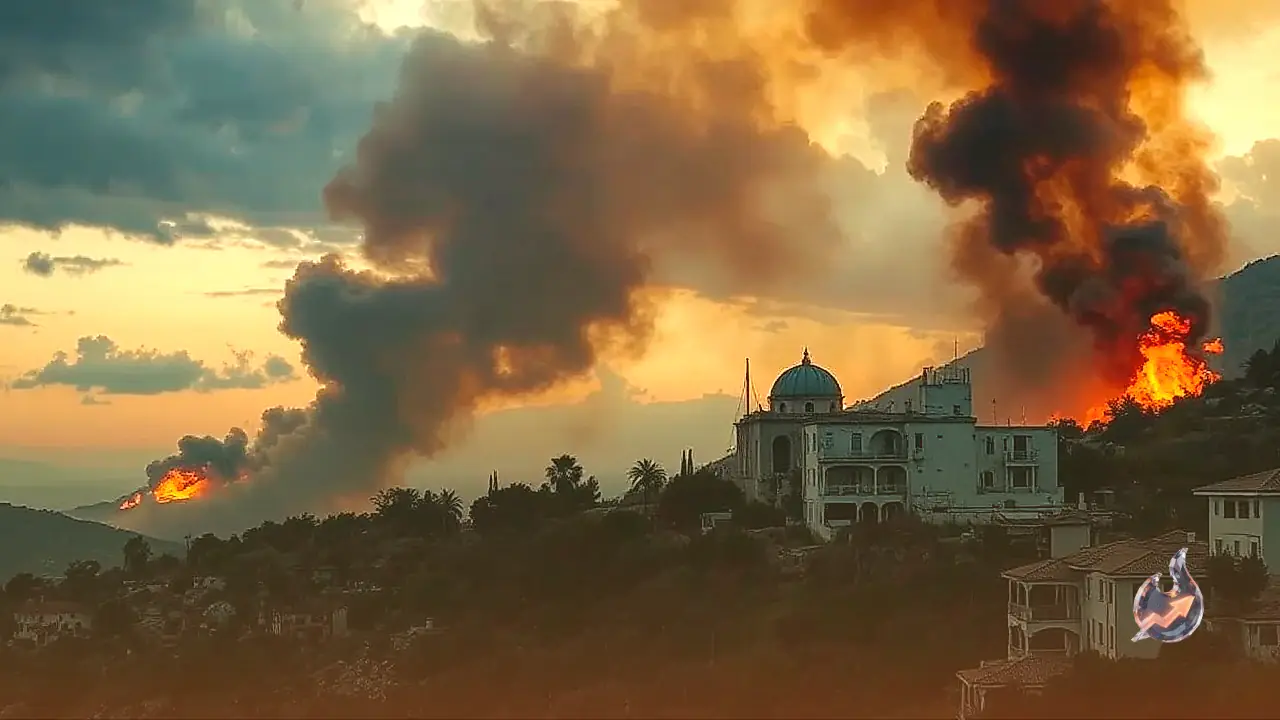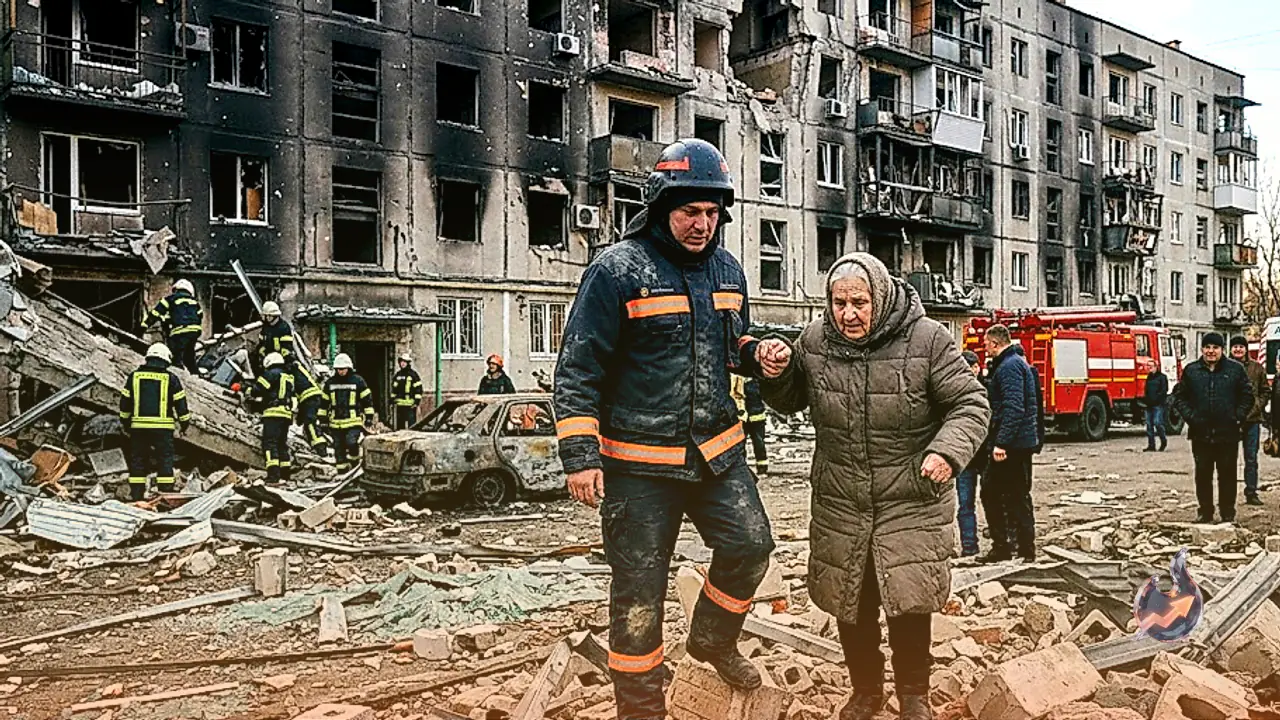























An American pilot has been shot dead and a passenger plane burned to ashes in Indonesia's restive Papua region, in an attack that separatist fighters say is a direct warning to both Washington and Jakarta. The killing comes at a moment when the United States is still absorbing the fallout of its confrontation with Iran, and now finds itself facing a fresh challenge thousands of miles away, in the remote highlands of Papua.
Attack in the Mountains of Yahukimo
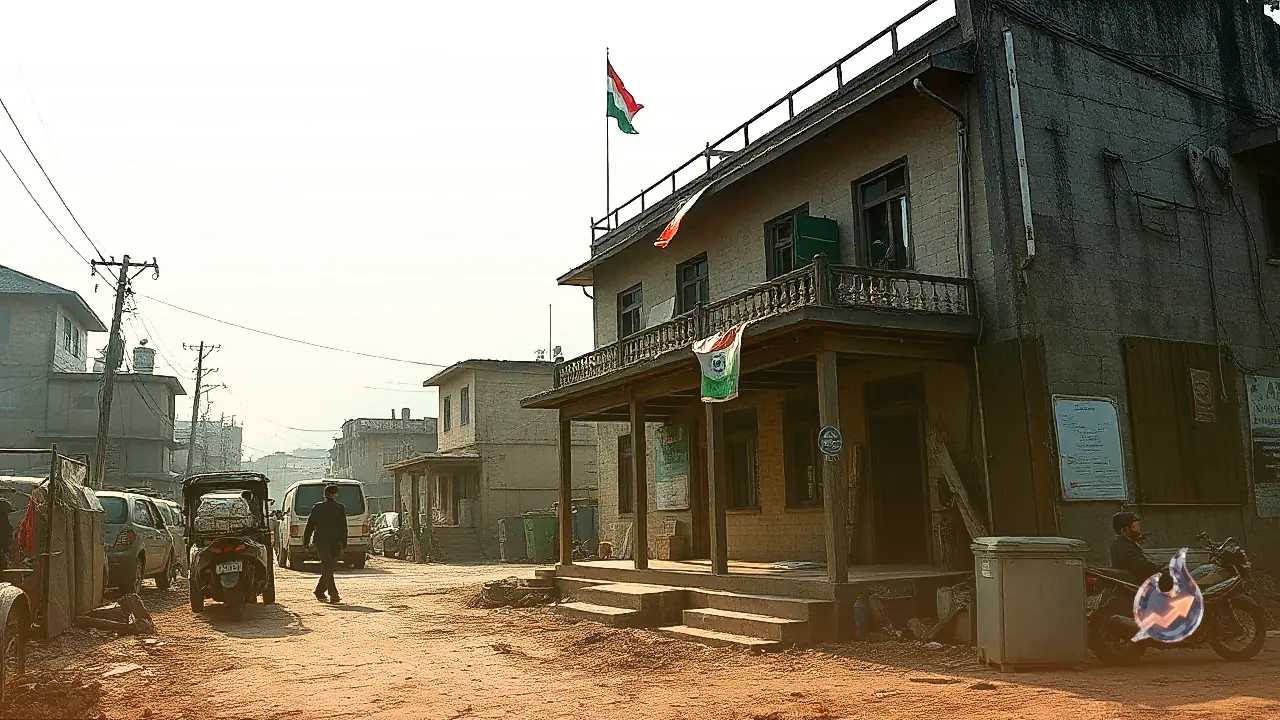
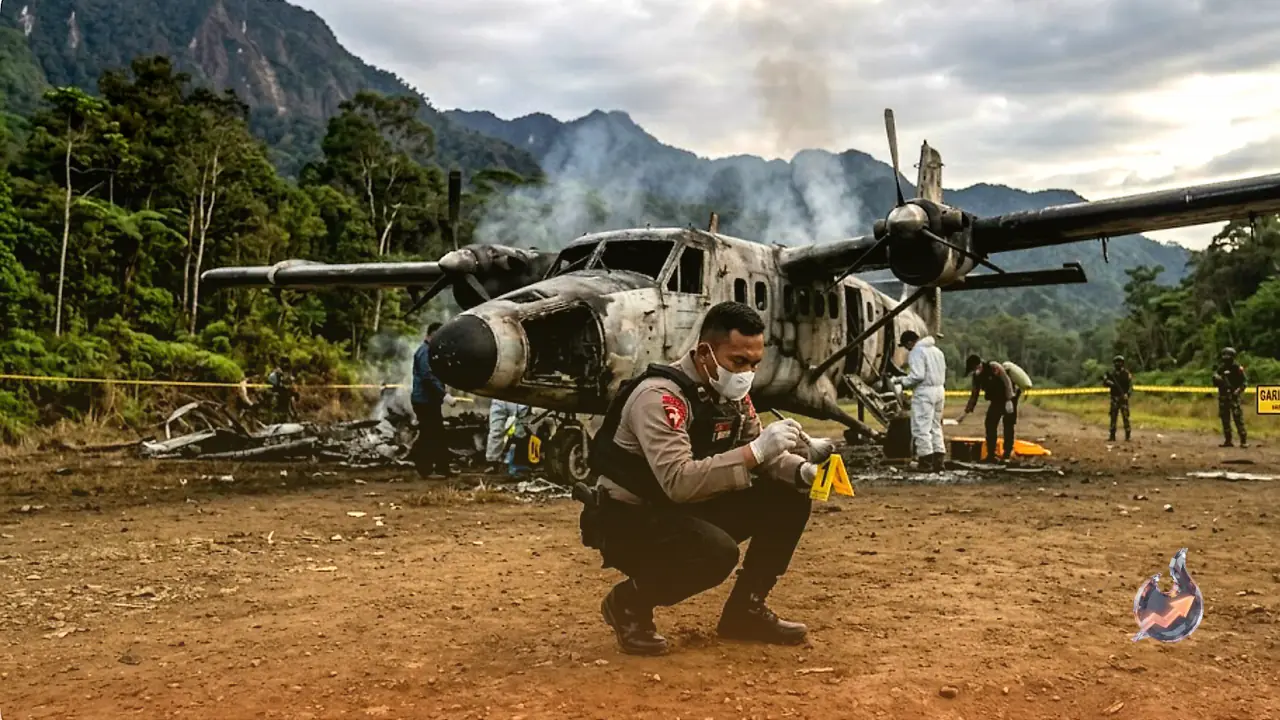
The incident took place in Yahukimo, a mountainous district of Papua where a small separatist movement has, for decades, been pushing to break away from Indonesia and form an independent nation. Indonesian security officials have confirmed that a completely burned aircraft was found on a deserted runway in the area, though they say they are still investigating the pilot's death and the rebels' claims on the ground. In recent months, attacks by these fighters have turned far more lethal, violent and high tech than before, a shift that has rattled authorities from Jakarta all the way to Washington.
Separatist Group Claims Responsibility
The attack was carried out by the West Papua National Liberation Army, known as TPNPB, a hardline separatist outfit. The group's spokesperson, Sebby Sambom, came forward publicly to claim full responsibility for the assault. According to Sambom, TPNPB fighters surrounded and killed the American pilot, identified as Nicholas F. Gosling, the moment his aircraft touched down at a small airstrip in the Balinggama district.
Rebels Level Serious Charge Against Indonesian Military
The rebels went on to make a serious allegation against the Indonesian armed forces, claiming the passenger aircraft was not an ordinary civilian flight at all. Instead, they alleged it had long been used to secretly ferry Indonesian soldiers and weapons into the conflict zone, under the cover of civilian air traffic.
"A Lesson Neither Government Will Forget"
The fighters' anger, Sambom said, stemmed from an ultimatum they had already issued, demanding that civilian flights stay out of the area entirely. That warning, he said, was repeatedly brushed aside by both the Indonesian and American administrations. In sharp and aggressive language, Sambom declared that the attack was a big and unforgettable lesson for the governments of Indonesia and the United States, accusing both of having completely failed to resolve the root cause of the long running conflict in Papua. He went further, issuing a chilling threat that if Indonesia does not immediately stop sending civilian flights into these rebel controlled red zone areas out of sheer stubbornness, every aircraft that lands there in the future will be turned into a funeral pyre in exactly the same way.
Guns, Axes and the Morning Star Flag
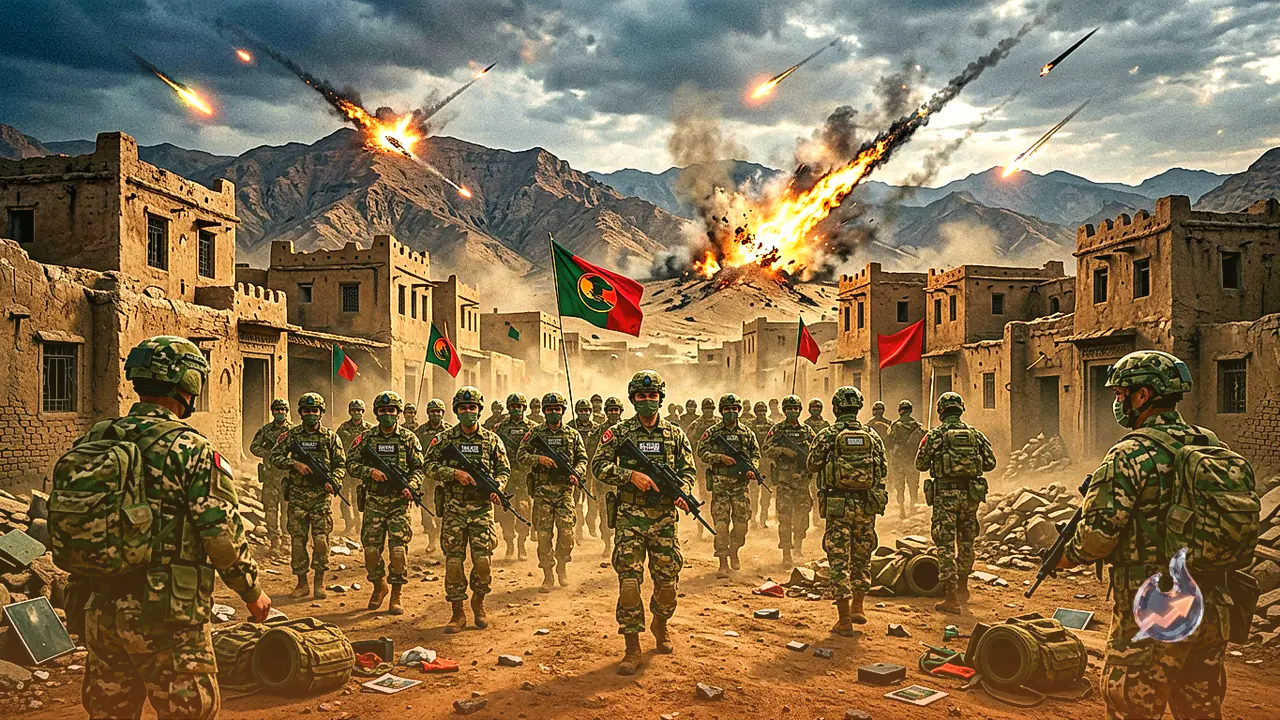
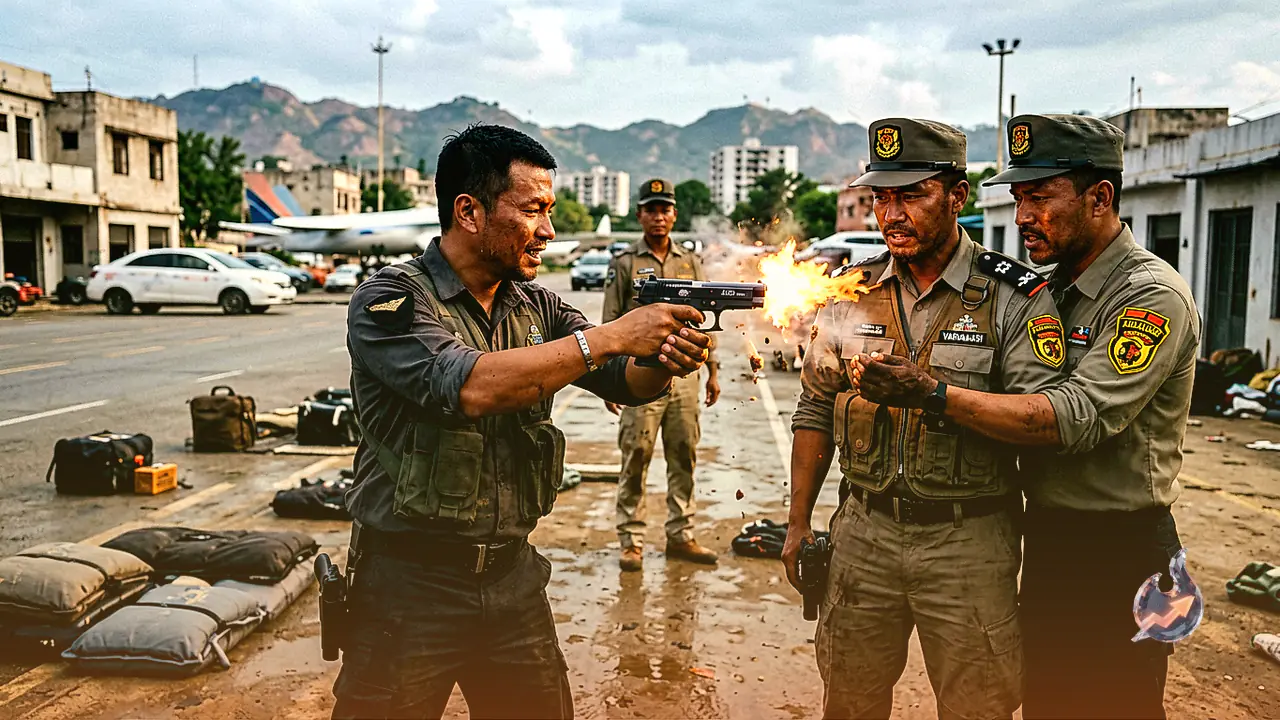
Soon after the attack, the separatist group released a video on social media that has left security agencies deeply unsettled. In the footage, fighters dressed in military style uniforms are seen brandishing modern machine guns, firearms and sharp axes while flashing victory signs. They can be seen waving their contested Morning Star flag, regarded as a symbol of Papuan independence, while shouting and celebrating the bloody attack. The moment the video surfaced, Indonesian security agencies and intelligence units went on high alert, and the military moved in to seal off the entire mountainous area from every side.
Security Forces Race to Verify the Claims
Meanwhile, a joint task force made up of Indonesia's police and army is treading carefully on the matter. Officials have confirmed that a plane at an airport in Yahukimo has been completely reduced to charred wreckage. According to official inputs, the ill fated aircraft was carrying one American pilot and seven local Papuan passengers. However, Yusuf Sutejo, chief spokesperson for the security operation, told reporters that authorities are still investigating in depth whether the plane genuinely came under indiscriminate rebel gunfire, and whether pilot Nicholas has actually lost his life or has been taken hostage somewhere.
The Plane That Kept Remote Villages Alive
Indonesia's Ministry of Transportation, laying out the full details of the flight, said the aircraft had taken off from Wamena bound for the remote reaches of Yahukimo. Everything appeared routine until, just minutes after the plane touched down on the runway, contact with the control room was suddenly and completely lost. The aircraft belonged to a highly popular private airline called PT AMA. Far from being a luxury carrier, PT AMA functions as a lifeline for the poor tribal communities living in Papua's most remote, cut off and dangerous mountain villages, ferrying food, rations, fuel, essential medicines and mail to places that have no roads leading in at all.
Decades of Unresolved Conflict
Papua has remained one of Indonesia's most sensitive fault lines for generations, with a low intensity separatist insurgency simmering in its highlands long before this latest bloodshed. As the rebels acquire more sophisticated weapons and coordinate attacks more visibly through social media, incidents that once stayed confined to remote jungle clashes are now drawing direct international attention, pulling in a global power like the United States as a named target in unusually explicit terms.
Silence From Washington and the Airline
Following this major international incident, both the American embassy in Jakarta and the offices of PT AMA have gone quiet, with no official statement issued from either side so far. International tension has visibly escalated since news of the killing broke, and it remains to be seen how Jakarta and Washington choose to respond to a warning delivered not through diplomatic channels, but through gunfire and flames on a remote runway. The attack has once again pulled the world's attention toward this remote, often overlooked island, where an undercurrent of rebellion continues to simmer much like a volcano hidden beneath the surface of the water.