





















Local residents across Pakistan-occupied Kashmir have overwhelmingly rejected the recently held assembly elections by refusing to participate in the voting process. Driven by mounting anger against governance from Islamabad and the heavy presence of the Pakistani military, citizens remained inside their homes or joined protest demonstrations, resulting in completely deserted polling stations across various constituencies.
Empty Booths Recorded in Bagh and Poonch Divisions
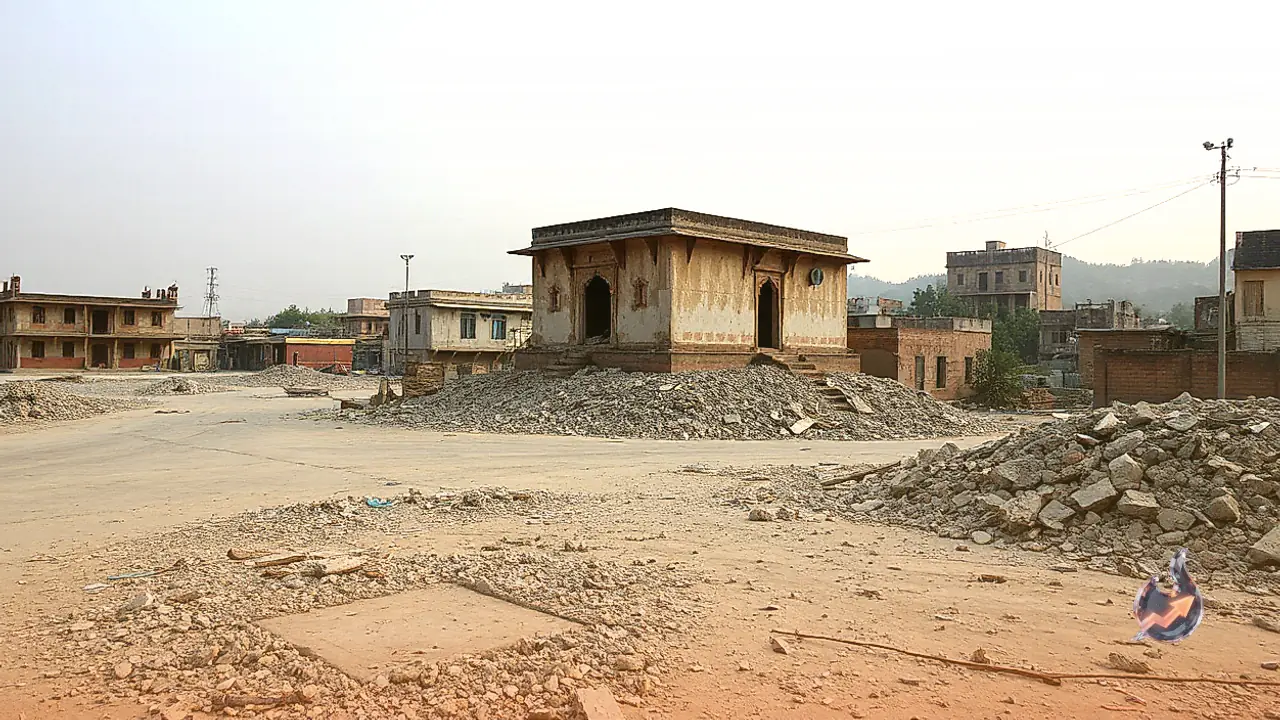
Reports from the Bagh and Poonch divisions highlighted stark scenes of polling personnel and security forces sitting entirely idle throughout the election day. In areas such as Bagh-2, Malot, and Bada Bari, multiple polling booths recorded an absolute vote count of zero. Within one cluster of nine designated polling stations, three booths failed to register a single vote, while adjacent stations observed extremely thin voter turnout. Although sparse voting took place in a few isolated areas, the vast majority of the local electorate deliberately refrained from participating.
Boycott Call by the Joint Awami Action Committee
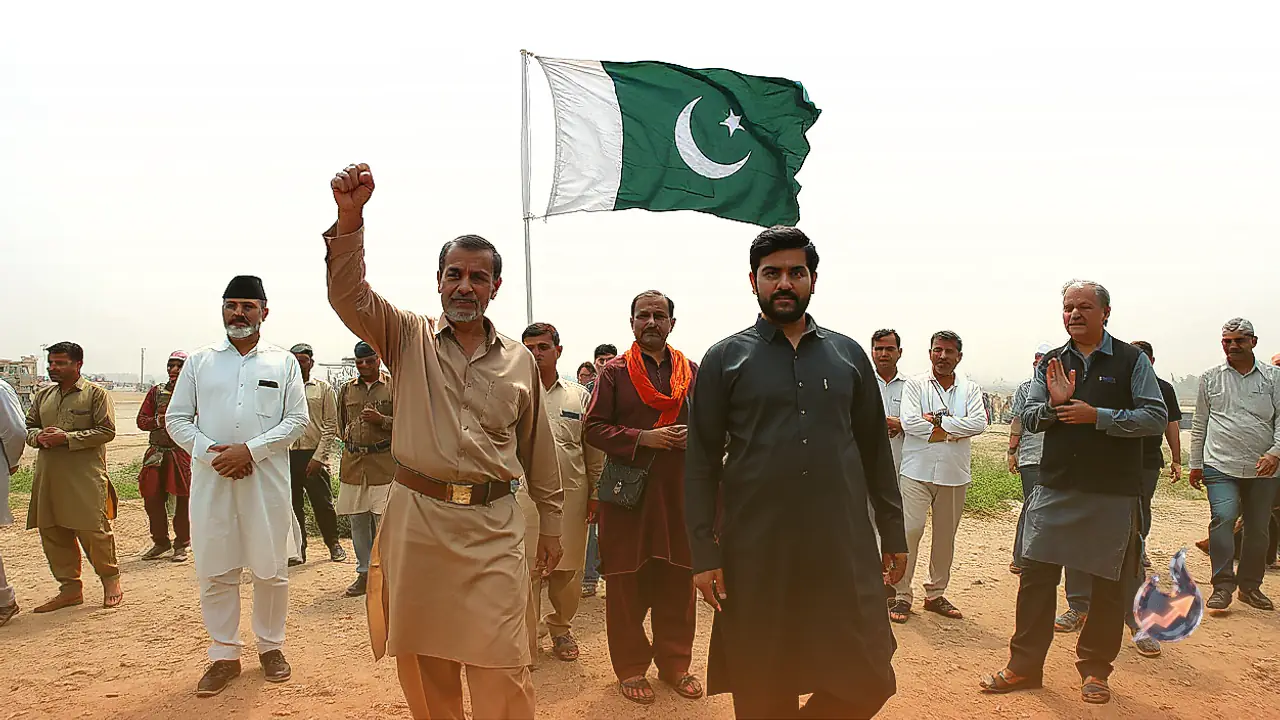
This widespread disruption followed a formal boycott call issued by the Joint Awami Action Committee (JAAC). Responding to the organization's movement, residents across multiple sectors of Bagh and Poonch expressed their dissent publicly rather than lining up at voting centers. Protesters assembled with black flags in several localities to declare the election a meaningless political drama. Consequently, main thoroughfares and commercial streets remained virtually empty compared to standard daily activities.
Underlying Political and Regional Grievances
The collective resistance stems from deep seated grievances regarding Islamabad's overarching influence on local administration and political structures. Demonstrators point out that the genuine interests of Kashmiris are routinely disregarded in administrative decisions. Furthermore, significant local resentment has accumulated over disputed refugee seat allocations and structural underrepresentation, exacerbating anger against government authorities and military overreach.
Significance of Growing Resistance
The decision to stay away from the ballot boxes serves as a strong indicator of rising public alienation toward central control in the region. While total turnout percentages and specific booth metrics will require official authentication to draw final statistical conclusions, the visible boycott underscores a significant escalation in public discontent across the territory.