























Donald Trump's Middle East envoy Jared Kushner has engaged in direct and highly unusual diplomatic negotiations with senior Hamas leadership in Egypt, aimed at pushing forward the execution of a US-backed peace framework for Gaza. The high-level encounter took place as Kushner met with a delegation headed by prominent Hamas official Khalil al-Hayya. This exchange marks the very first interaction at such an elevated administrative level between the respective sides since a formal ceasefire agreement for the Gaza Strip was established last year.
Multilateral Engagement in Egypt and Core Negotiating Points
The diplomatic proceedings in Egypt involved a broad spectrum of international mediators alongside the core US delegation. Reports indicate that envoys representing the Board of Peace, including Nickolai Mladenov and former UK Prime Minister Tony Blair, actively participated in the discussions. Representatives from Egypt, Qatar, and Turkey, nations that have persistently served as regional intermediaries throughout the ongoing crisis, were also present to lend support to the peace initiative.
While no official joint statement was publicly released following the meeting, discussions reportedly centered on definitive measures required to decommission the military arsenal of Hamas. Other essential topics on the agenda included the structured withdrawal of Israeli military units from the territory and the immediate expansion of vital humanitarian relief efforts across Gaza. During his time in the region, Kushner separately met with Egyptian President Abdel Fattah al-Sisi to align strategic priorities before proceeding further with negotiations.
Israeli Resistance to the 15-Point Peace Framework
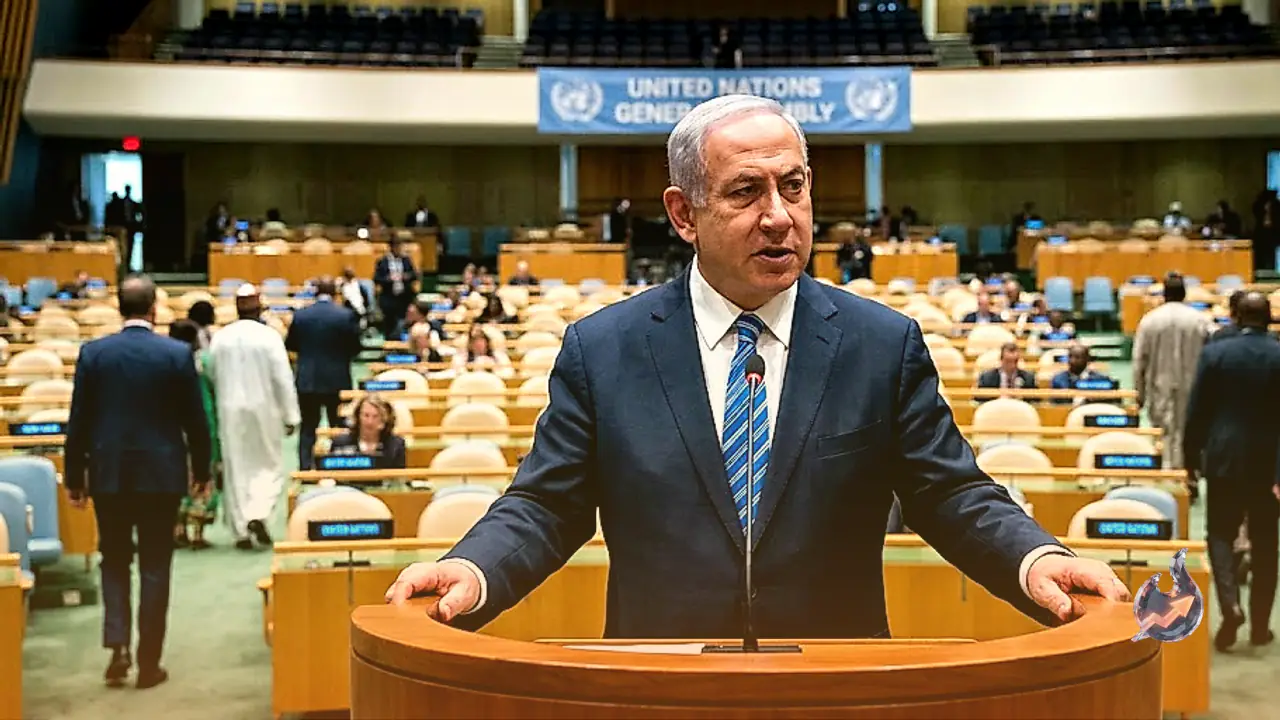
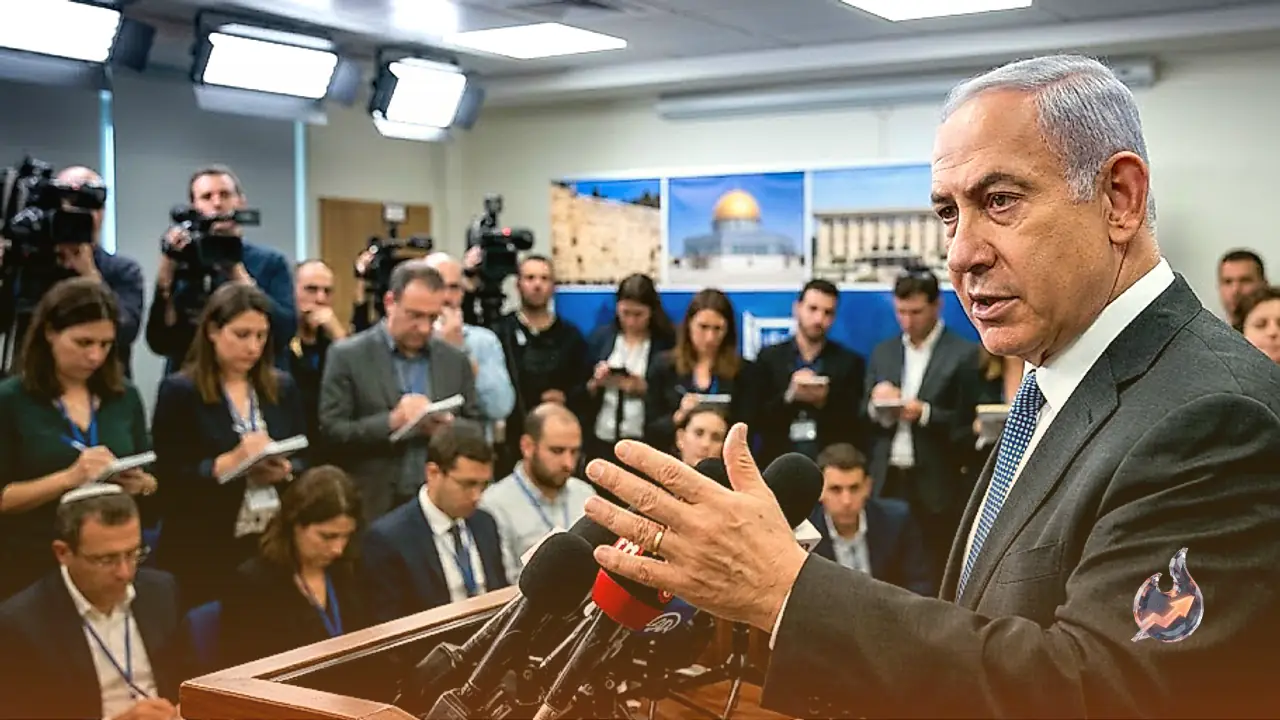
Despite progress in Cairo, the diplomatic roadmap faces severe opposition from Israeli leadership. Reports from Israeli media confirm that Kushner, Mladenov, and Blair are scheduled to meet Israeli Prime Minister Benjamin Netanyahu on Monday to advocate for the Trump administration's plan. However, Netanyahu has firmly maintained that complete and verifiable disarmament of Hamas must occur prior to any implementation of the agreement.
Defying the diplomatic push from its closest international ally, the Israeli leader publicly rejected the proposed document produced by the regional body. Reaffirming his government's steadfast position, Netanyahu stated, "The IDF will not carry out any withdrawal until Hamas is genuinely disarmed." This position directly challenges the 15-point Gaza document crafted by the Board of Peace, creating a profound impasse between Israeli military objectives and foreign diplomatic strategy.
Joint Statement from Eight Muslim Nations
Israel's rejection of the US-backed proposal prompted swift condemnation from key regional powers and partner nations. A joint declaration issued on Sunday by Egypt, the United Arab Emirates, Qatar, Saudi Arabia, Jordan, Turkey, Pakistan, and Indonesia expressed severe concern over Israel's refusal to endorse the peace document. The eight nations jointly declared that Israel's rejection severely undermines international efforts spearheaded by Trump to establish lasting regional stability.
Trump oversees the Board of Peace, an international body originally formulated to address the crisis in Gaza before its mandate was widened to manage global conflicts. The joint coalition warned that dismissing the 15-point document threatens to unravel months of complex diplomatic groundwork carefully negotiated by regional mediators.
Ceasefire Violations and Human Toll of the Gaza Conflict
Although the ceasefire that officially entered into force on October 10 last year remains technically active, physical hostilities have periodically disrupted the agreement. The Israel Defense Forces have launched multiple targeted strikes within Gaza, most recently striking targets in the Khan Yunis and Nuseirat sectors after alleging that local armed groups violated truce conditions.
The current conflict began following the Hamas-led attack on southern Israel on October 7, 2023, which resulted in approximately 1,200 fatalities and the abduction of 251 hostages. Israel's subsequent military response in Gaza has led to widespread devastation. According to figures from the local health ministry, which are recognized as reliable by the United Nations, more than 73,000 people have been killed in Gaza during the offensive. Furthermore, UN estimates indicate that nearly 1.9 million individuals, representing roughly 90 percent of Gaza's entire population, have been forcibly displaced since the outbreak of hostilities.