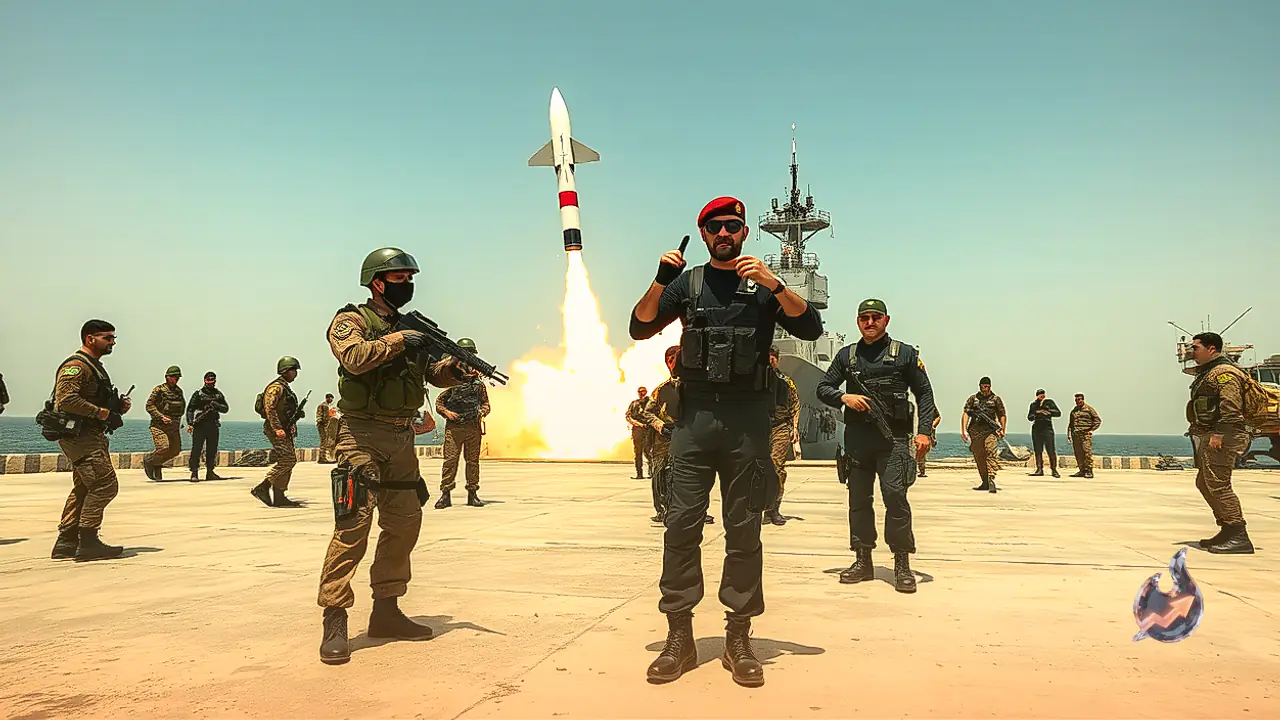
























Security protocols surrounding Donald Trump were heavily altered during his trip to Turkey for the NATO summit following specific warnings from Israeli intelligence regarding potential Iranian assassination plots. According to officials familiar with the intelligence exchanges, Israeli authorities notified the White House and US national security agencies that Iranian operatives might attempt an attack using various methods, prompting the Secret Service to execute specialized precautionary measures including an aircraft decoy swap.
Details of Israel's Security Warnings
Informational briefings transmitted by Israeli intelligence outlined several potential attack vectors, ranging from snipers and knife assaults to shoulder-fired missiles. The most granular warning arrived in July ahead of the NATO gathering in Ankara. Israeli intelligence specifically warned that an attack could target the president while aboard Air Force One using a shoulder-fired missile system. In response, the Secret Service orchestrated a complex decoy maneuver, moving Donald Trump from Air Force One to a secondary aircraft to mitigate potential mid-flight vulnerabilities.
Soleimani Context and CIA Skepticism
The US intelligence community has consistently assessed that Tehran seeks retribution for the 2020 American drone strike that killed senior Iranian military commander Qasem Soleimani. However, the CIA was unable to independently verify several specific threats flagged by Israeli intelligence dating back to early last year. According to former US officials, intelligence analysts maintained low confidence in certain Israeli reports concerning immediate Iranian assassination plots, reflecting caution over the reliability of the underlying evidence.
Divergent Intelligence Assessments and February Military Action
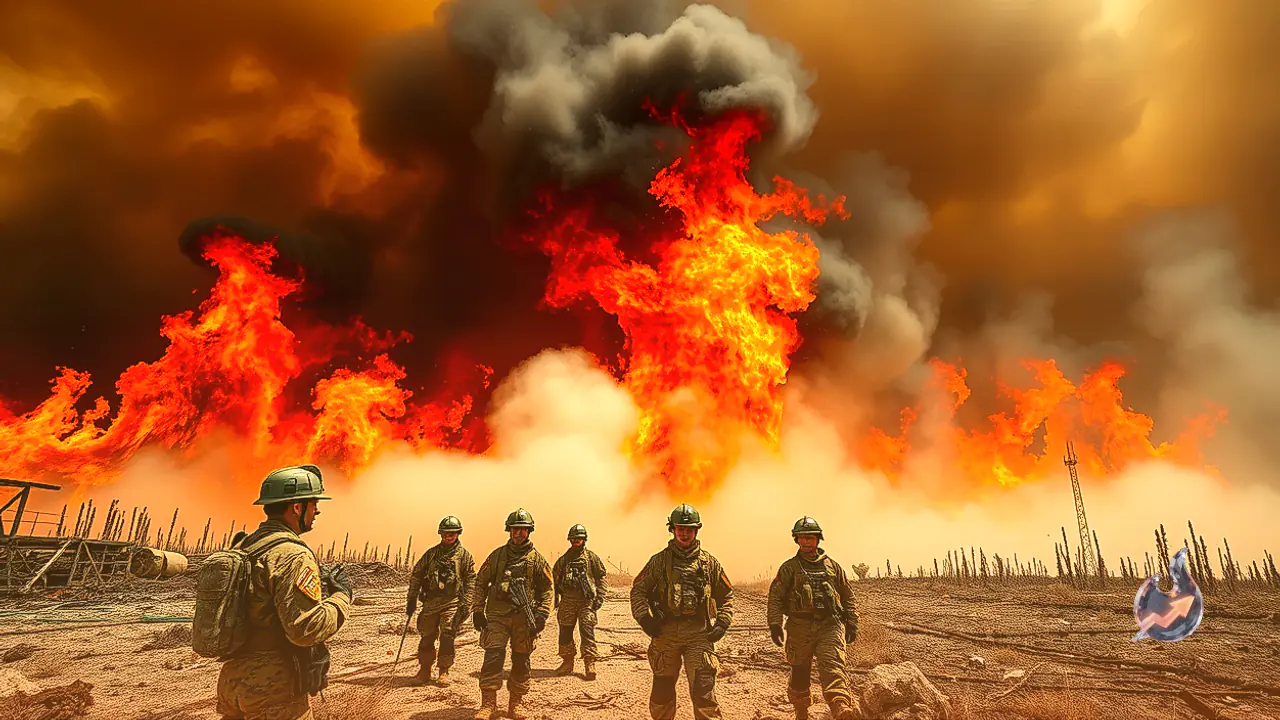
The warnings highlight broader analytical discrepancies between Washington and Jerusalem concerning Iranian activities. Early this year, US intelligence agencies concluded that Iran was not actively pursuing the development of a nuclear weapon, whereas Israeli intelligence insisted that Tehran presented an imminent threat. Despite the CIA's lower confidence rating on specific threat streams, Donald Trump authorized military strikes against Iranian targets in February.
Turkey's Independent Assessment
Turkish intelligence authorities provided a contrasting perspective on the alleged threat environment during the Ankara summit. A Turkish official noted that local intelligence services found no independent evidence to corroborate Israel's warnings of an Iranian plot against Donald Trump, a finding that was formally shared with American representatives. Nevertheless, the incident underscores how deeply Israeli intelligence inputs influenced operational security decisions for the American president during periods of heightened Middle East tension.