
















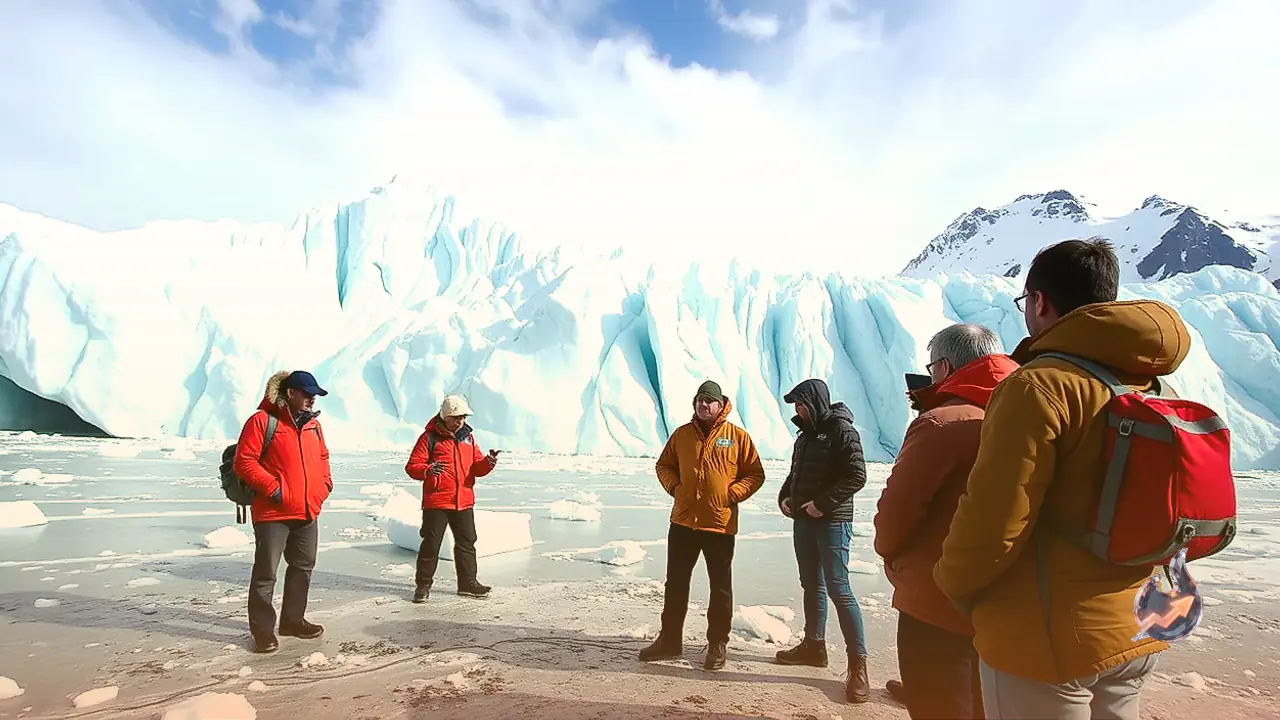

Fresh scientific analysis focusing on Antarctica's vast Thwaites Glacier has escalated concerns among climate researchers, indicating that the massive formation is losing mass much faster than past projections indicated. The scale of this ice formation is extraordinary, roughly matching the combined land area of prominent Indian states such as Tamil Nadu and Chhattisgarh. Because of its pivotal role in regulating sea levels and the catastrophe its failure would trigger, researchers around the globe frequently refer to it as the Doomsday Glacier. The speed at which warming ocean waters are eroding its structure suggests existing forecasting frameworks may have seriously downplayed the true timetable of potential inundation.
Advanced Modeling Reveals Under-Ice Instability
Researchers associated with the University of California alongside NASA's Jet Propulsion Laboratory developed sophisticated modeling tools to capture the intricate dynamics occurring beneath the ice sheet. Their investigation revealed critical physical shifts occurring at the glacier's grounding line, the foundational boundary where the glacial shelf detaches from bedrock and floats upon seawater. A critical underwater ridge that historically acted as an anchor point is rapidly losing its grip on the descending ice. As oceanic warmth penetrates deeper beneath these subterranean contact zones, the foundational support erodes from within, significantly destabilizing the entire structural integrity far more rapidly than surface melting alone would dictate.
Cascading Impact on Global Sea Levels
The total volume of frozen water locked within Thwaites Glacier is immense. If the glacier alone were to collapse entirely into the Southern Ocean, global sea levels would immediately experience a direct increase exceeding two feet. Yet, the broader catastrophic threat stems from its secondary function as a structural cork holding back the greater West Antarctic Ice Sheet. Thwaites serves as a physical barrier preventing immense reservoirs of inland ice from slumping freely into open water. Should this natural dam disintegrate, neighboring glaciers and adjacent sheets would slide into the sea, potentially triggering a cumulative sea level increase of approximately 10 feet over extended timelines, drastically reshaping global coastlines.
Vulnerable Coastal Urban Centers Facing Peril
Even minor baseline increases in worldwide ocean heights amplify the destructive power of routine weather events. Higher tides, accelerated coastal soil erosion, and more penetrative storm surges would regularly overwhelm standard municipal defenses. Populous global hubs ranging from Miami in North America to Manila in Southeast Asia represent just a few of the primary urban zones standing directly in the line of severe disruption. Increased oceanic encroachment risks contaminating freshwater aquifers, ruining agricultural deltas, and turning moderate tropical depressions into devastating urban flood emergencies that could displace millions of residents across vulnerable shorelines.
The Urgency for Deeper Research and Emission Cuts
Scientists stress that discovering exactly what transpires deep underneath the subterranean ice corridors requires comprehensive follow-up fieldwork and continued sensor deployment. Nevertheless, the existing findings deliver an unmistakable mandate to international policymakers regarding the trajectory of global heating. Mitigating the risk of an irreversible glacial chain reaction requires sweeping reductions in worldwide greenhouse gas emissions without delay. Strategic actions implemented across the energy and industrial sectors today will dictate whether humanity can avert massive ecological displacement across future decades.