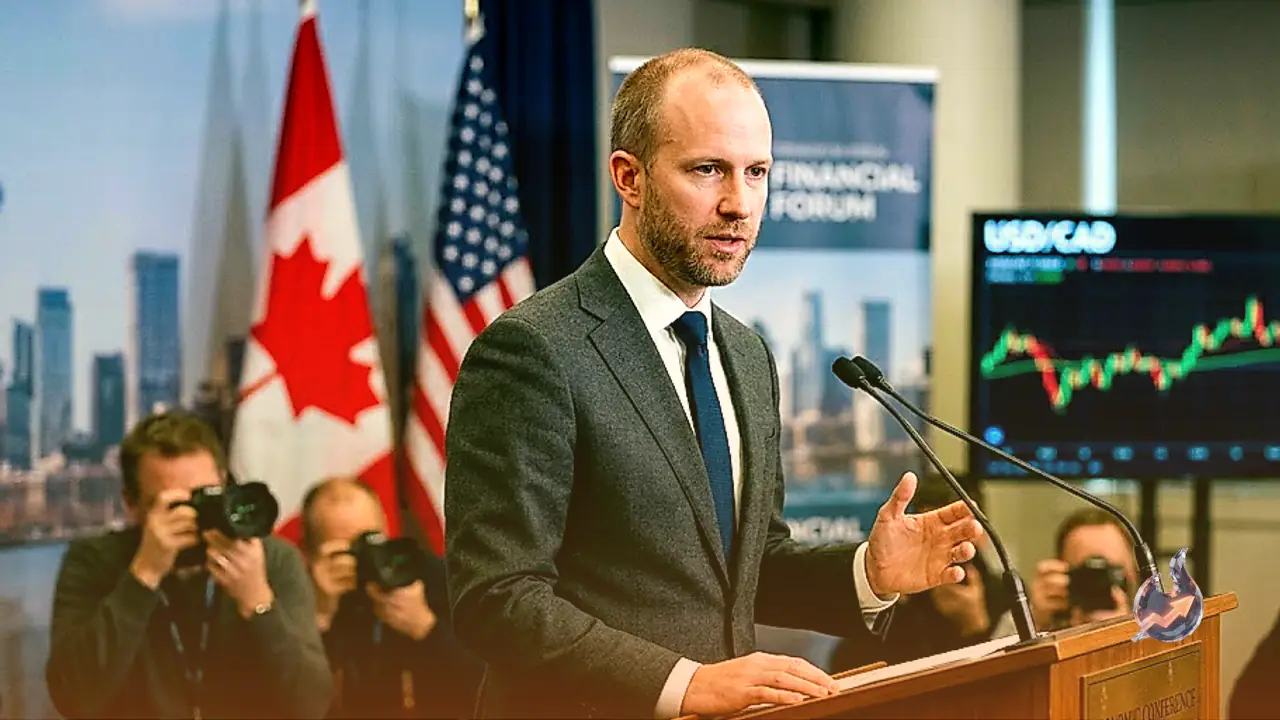
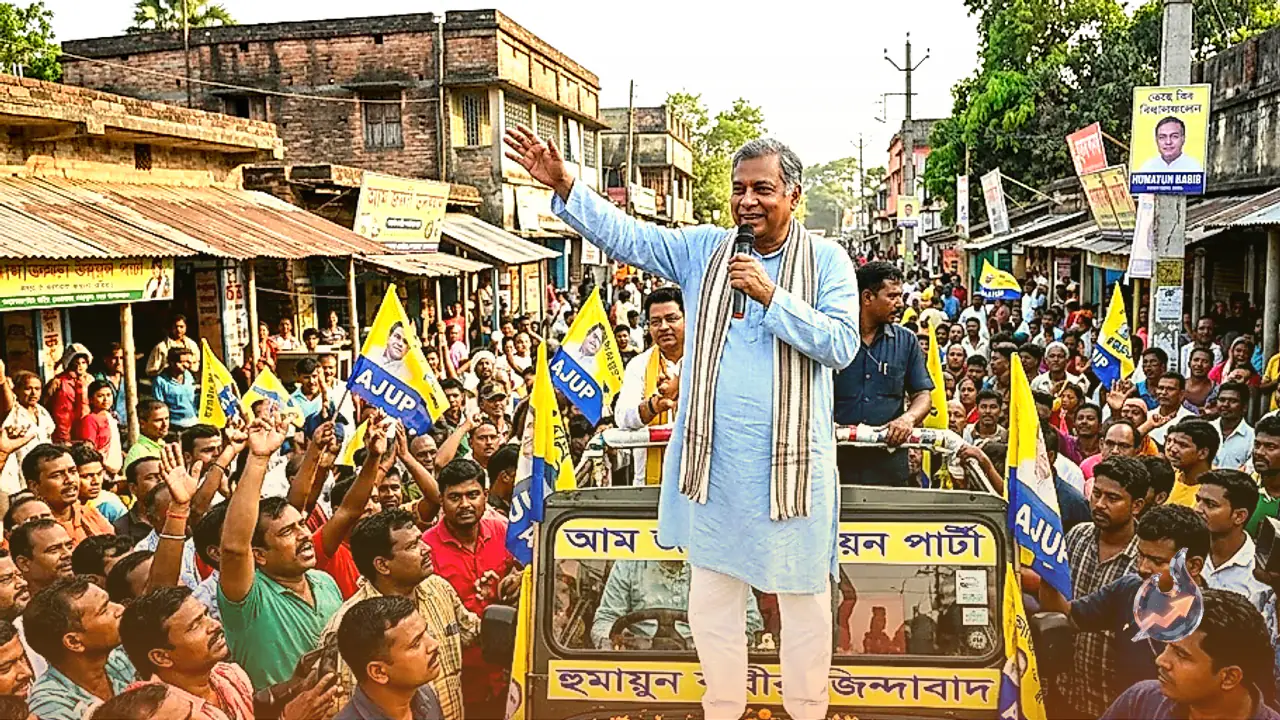
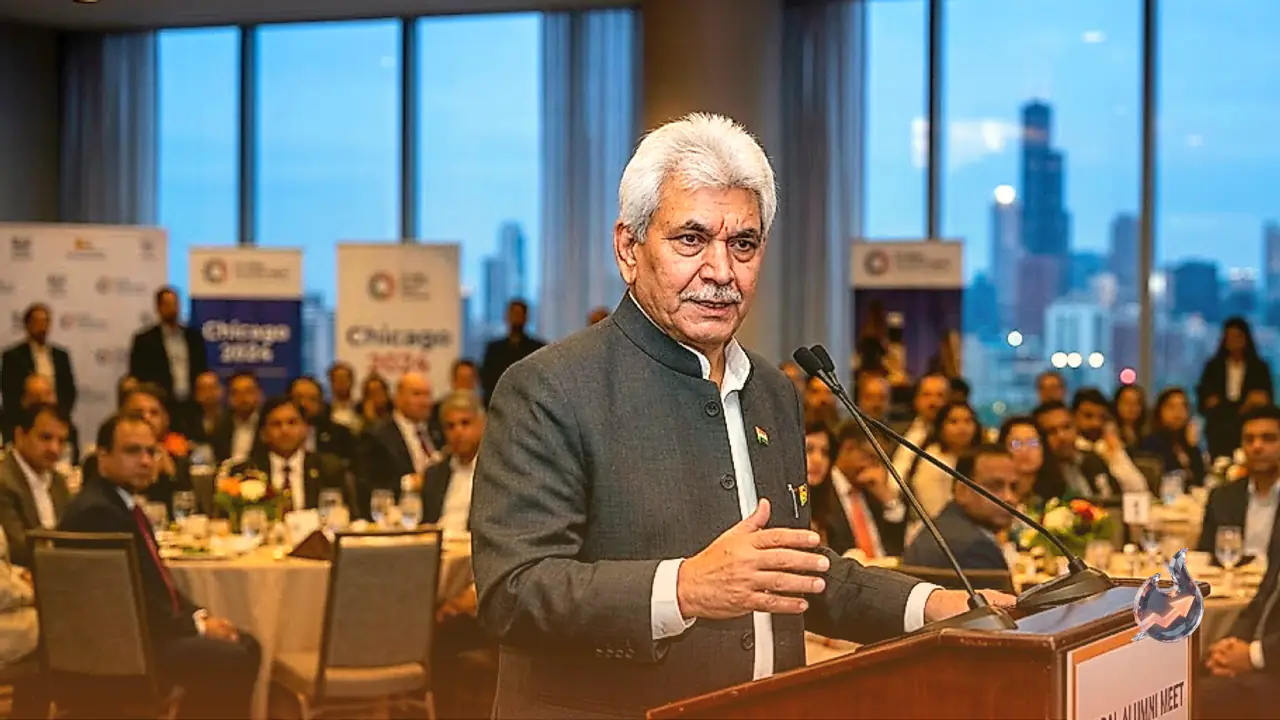















The Indian capital is playing host this week to one of the year's biggest diplomatic gatherings, as the BRICS summit brings together some of the world's most powerful leaders under one roof in Delhi. Prime Minister Narendra Modi is joined by China's President Xi Jinping, Russia's Vladimir Putin and Iran's President Masoud Pezeshkian. On paper, the talks are centred on cooperation in agriculture, healthcare and the digital economy, but away from the official agenda, a very different strategic contest is taking shape. At the same time that Delhi hosts this show of multipolar unity, US President Donald Trump is said to be pursuing a plan of his own: pulling Moscow and Beijing into a separate three-way arrangement often described as a G3.
World Leaders Converge on Delhi
Xi Jinping is setting foot in India for the first time since 2019, which is why his meeting with PM Modi is drawing so much attention. The two neighbours have spent the past several years navigating border tensions and trade friction, so there is hope that this summit could help thaw some of that chill and put commercial ties back on a steadier footing. The presence of Iran's President Masoud Pezeshkian, attending for the first time, has added further weight to the proceedings.
Cracks Widen Inside BRICS
BRICS has long presented itself as a counterweight to Western dominance, but as the bloc has expanded, its internal disagreements have become harder to paper over. Tensions are currently running high between Iran and the UAE. Iran wants the BRICS platform to take a firm, outspoken stand against military action by the United States and Israel, while the UAE has instead prioritised protecting its maritime routes and the safety of cargo vessels passing through the Strait of Hormuz. That disagreement was stark enough that a BRICS foreign ministers' meeting held in Delhi in May failed to produce a joint statement at all.
Trump's G3 Play to Pull In Russia and China
While BRICS wrestles with disputes among its own members, a different equation is forming across the Washington, Beijing and Moscow triangle. Donald Trump has long held the view that direct, personal conversations with Putin and Xi Jinping could untangle some of the world's toughest disputes in short order. But that personal style of diplomacy has left the US State Department, lawmakers in Congress and European allies distinctly uneasy. Europe fears Trump could strike an understanding with Russia at the expense of Ukraine's and the continent's security, while countries in Asia worry that a sweeping deal with China could see Washington walk back its security commitments in the region.
Putin's Pressure Points, Xi's Position of Strength
Russian President Putin has his own compelling reasons to seek closer ties with Washington. Nearly four and a half years of war in Ukraine have battered Russia's economy, and there is no decisive victory in sight on the battlefield. Xi Jinping, by contrast, is seen as operating from a position of considerably greater strength. He is preparing to travel directly to the White House after wrapping up visits to Bishkek, Cairo and Delhi. The Kremlin has itself confirmed that Putin and Xi discussed holding a three-way meeting with Trump on the sidelines of the APEC summit scheduled for November in Shenzhen.
A Challenge to the Post-War Order
If the United States, Russia and China do end up at the same negotiating table, it would effectively mark the end of the so-called Yalta System, the post-Second World War arrangement that gave rise to the UN Security Council. Such a shift would amount to far more than routine diplomacy; it would represent a rewriting of a global power balance that has held for decades.
Three Ways India Could Respond
Should Trump's G3 plan gain real traction, India appears to have three broad paths to avoid being sidelined by the new arrangement.
- Building economic muscle: India could accelerate its economic and industrial growth to a point where no member of a prospective G3 could afford to overlook it.
- Practical, interest-driven diplomacy: Just as Russia and China extract direct benefits from Washington even while remaining part of BRICS, India could cultivate direct ties with every major power based strictly on its own interests, securing its seat at the global table.
- Forming a new bloc of middle powers: India could deepen coordination with countries such as France, Japan, South Korea, Australia and Brazil, nations equally wary of seeing global leadership concentrated in the hands of just three powers.