




















After dodging the question for nearly four decades, Canada has finally accepted a truth that had long been the subject of uncomfortable questions. The Canadian Security Intelligence Service (CSIS) has, for the first time, publicly and officially acknowledged that Khalistani terrorists operating inside Canada were behind the 1985 bombing of Air India Flight 182, widely known as Kanishka. The attack on 23 June 1985 killed 329 people and tore the aircraft apart in mid-air over the Atlantic Ocean. It remains the deadliest terrorist attack in Canada's history.
In its official statement, the agency stated plainly that a bomb planted by Canada-based Khalistani extremists destroyed Air India Flight 182, killing all 329 people aboard. CSIS described the act as a vile and heinous act of terrorism. What stands out most is that in the past 40 years, this is the first time a major Canadian security agency has openly admitted the role of Khalistani terrorists.
An Admission Amid Strained Ties
The acknowledgement comes at a time when relations between India and Canada have remained tense over Khalistani activity for a long stretch. CSIS said the Kanishka tragedy is not only a wound that will never heal for hundreds of families, but also a defining and deeply painful chapter in the history of Canada's national security apparatus.
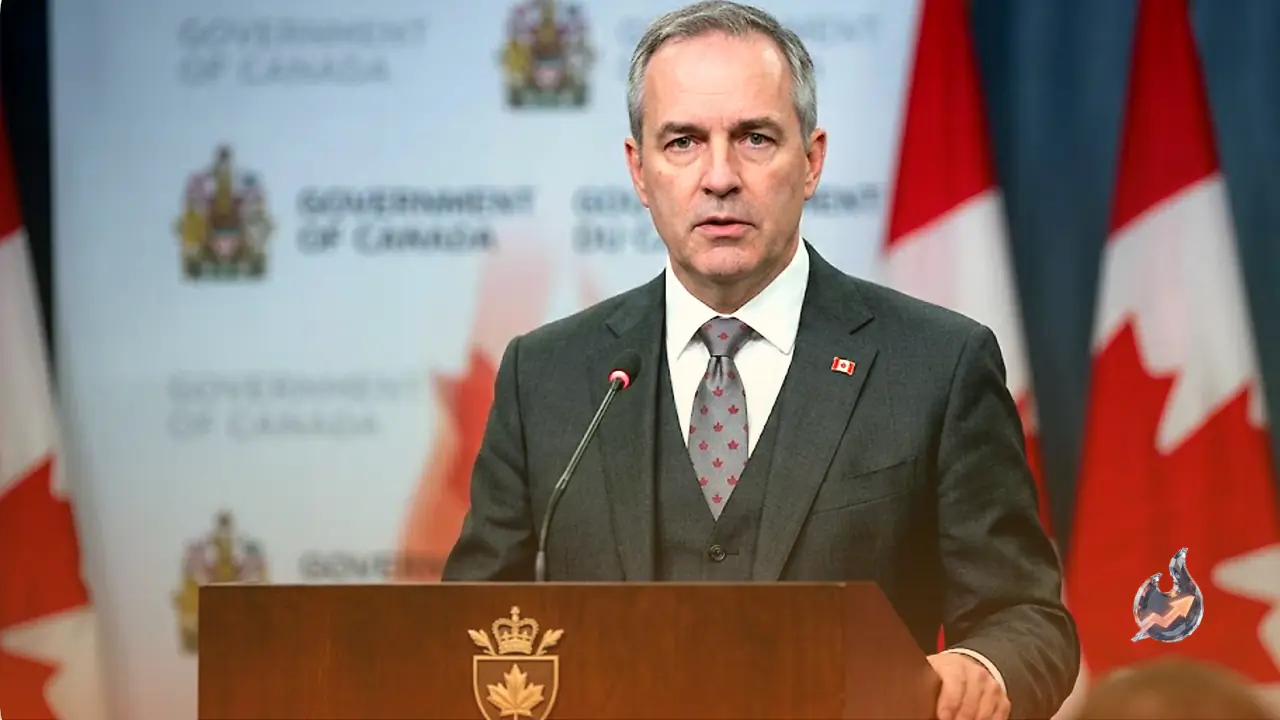
On 23 June, Canada's Prime Minister called the bombing the deadliest attack in the country's history and said Canada stands against violent extremism of every kind. In a statement, he said that 41 years ago, the bombing of Air India Flight 182 took the lives of 329 innocent people, including 268 Canadian citizens, making it the deadliest terrorist attack Canada has ever seen.
How the Attack Unfolded
On 23 June 1985, Air India Flight 182 was travelling from Montreal to New Delhi via London. A bomb hidden in checked-in baggage exploded in the air near the coast of Ireland. The blast occurred roughly 45 minutes before the aircraft was due to land at Heathrow Airport. All 329 people on board were killed, most of them Canadian citizens of Indian origin. Sikh extremists were held responsible for the attack, which is believed to have been carried out in retaliation for Operation Blue Star, the 1984 operation to flush extremists out of the Golden Temple.
The suitcase carrying the explosives had been checked in by a passenger who never actually boarded the flight. Of those killed, 268 were Canadian citizens, most of them of Indian origin, while 24 were Indian nationals. Search teams recovered only 131 bodies from the Atlantic Ocean.
The Backdrop of India-Canada Relations
Canadian investigators had concluded that the bombing was carried out by Sikh separatists in revenge for Operation Blue Star. Since taking office as Prime Minister in March last year, Canada and India have taken several steps to repair their relationship. Ties between the two countries had badly deteriorated when, in 2023, then Prime Minister Justin Trudeau alleged that India may have had a hand in the killing of Khalistani terrorist Hardeep Singh Nijjar in Canada.