























A severe maritime crisis is unfolding across the world's most critical trading corridors, raising alarm bells for global supply chains. With the Strait of Hormuz already experiencing high tension due to persistent friction between the United States and Iran, another vital choke point has now been heavily compromised. The strategic Bab al-Mandab strait has fallen under the increasingly tight control of Houthi rebel forces. This development has triggered deep anxiety across the Asian continent, particularly for trading giants like India and China. For commercial vessels navigating from Asian ports to European markets, the standard and most efficient maritime pathways are rapidly becoming too dangerous to traverse. Shipping companies are being left with no viable choice but to abandon the Red Sea route entirely and redirect their massive cargo vessels around the entire continent of Africa. However, this alternative route via the Cape of Good Hope is nearly twice as long, causing shipping timelines to stretch, fuel consumption to skyrocket, and global freight costs to rise sharply.
The Fall of Mokha and the Rising Power of Houthi Rebels
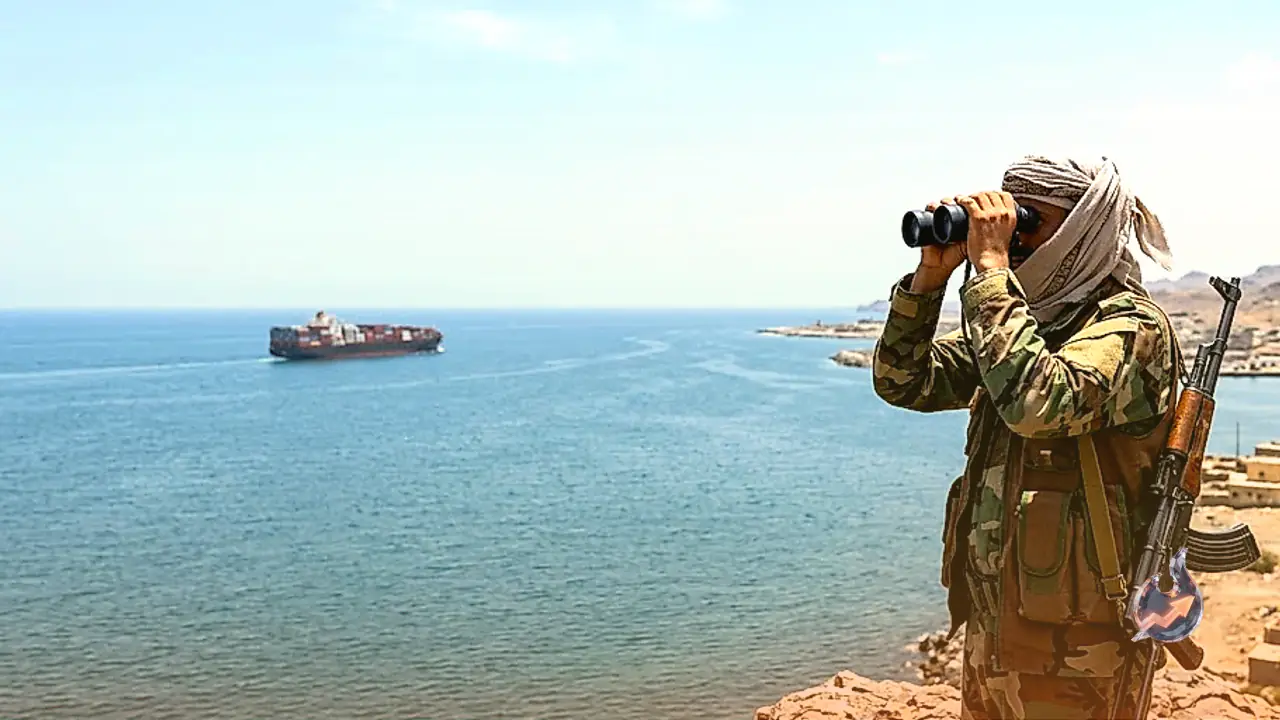
The security situation along the Red Sea has deteriorated significantly as Houthi rebels continue to make major territorial gains in Yemen, outmaneuvering the forces of the internationally recognized government, which is backed by Saudi Arabia. In their latest offensive, the rebels successfully captured the highly strategic port city of Mokha. This coastal city is situated in a key position near the Bab al-Mandab strait, giving the rebel group direct leverage over one of the busiest maritime lanes on Earth. The growing military capabilities of the Houthis have long been a source of regional instability, with the group previously being accused of launching strikes aimed deep into Saudi Arabian territory, including the holy city of Makkah. The capture of Mokha is a massive blow to maritime security, immediately threatening the commercial interests of major Asian nations like India and China, which rely heavily on these waters to sustain their extensive trade networks with European nations.
The Arduous Journey Around the Cape of Good Hope
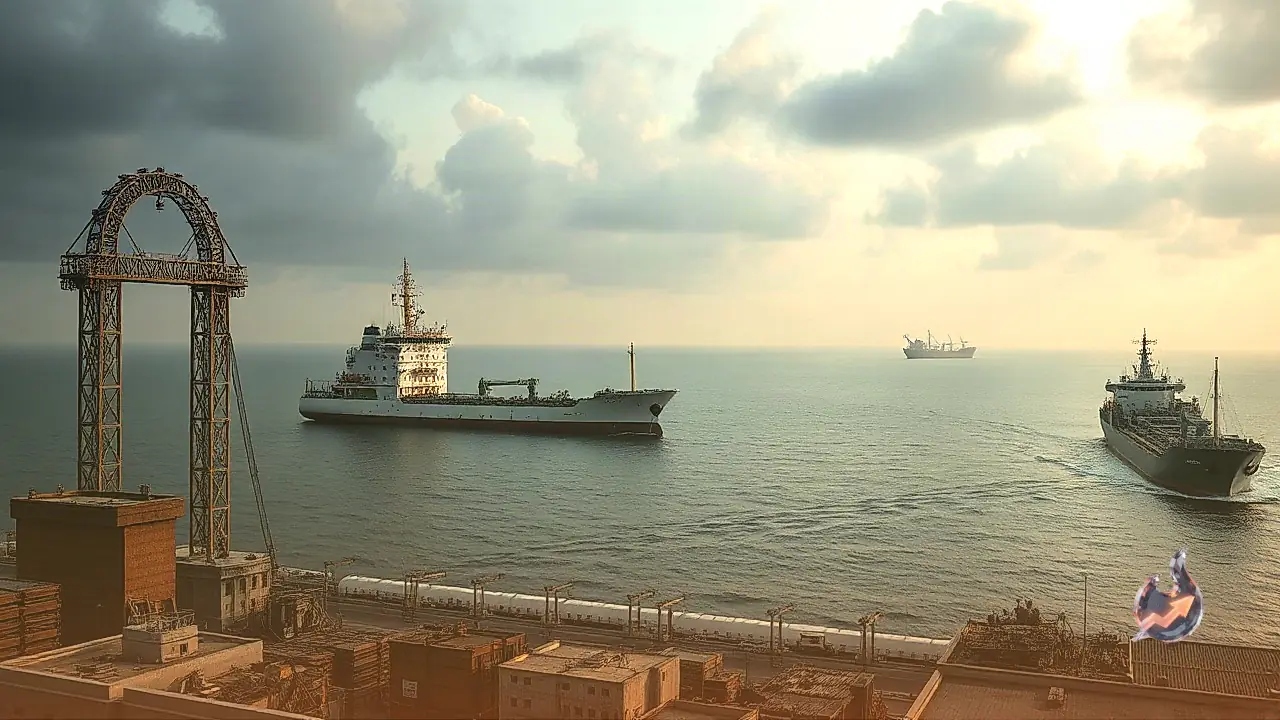
With the Bab al-Mandab strait rendered unsafe due to the threat of drone and missile attacks, the global shipping industry has been forced to fall back on the Cape of Good Hope route. However, this detour represents an incredibly long and logistically challenging journey. Under normal circumstances, a vessel carrying cargo from European ports in Italy or France to India would transit the Mediterranean Sea, pass through the Suez Canal, cross the Red Sea, and enter the Indian Ocean. Now, that same vessel must take a far more circuitous path. After leaving the Mediterranean Sea, the ship must cross the Strait of Gibraltar between Spain and Morocco to enter the open waters of the Atlantic Ocean. From there, the crew must navigate approximately 8,000 kilometers southward along the western coast of the African continent, round the Cape of Good Hope at Africa's southernmost tip, and then travel northward through the Indian Ocean into the Arabian Sea before finally reaching the safety of Indian ports.
Measuring the Real Toll: Doubled Distances and Extended Timelines
The physical scale of this detour is immense and carries severe economic consequences. For instance, a typical sea voyage from India to France using the standard Bab al-Mandab route covers a distance of roughly 11,000 kilometers. By contrast, forcing that same cargo ship to round the Cape of Good Hope increases the total voyage distance to nearly 22,000 kilometers, effectively doubling the length of the journey. This massive increase in distance directly translates to severe delays in delivery schedules. On average, shipments moving between Asia or the Middle East and Europe are taking anywhere from 10 to 30 days longer to reach their final destinations. A prime example of this operational disruption is the shipping lane between Yanbu in Saudi Arabia and Taiwan. Under normal transit conditions via the Bab al-Mandab strait, a commercial ship would complete this journey in about 19 days. However, when forced to navigate the long detour around Africa, the travel time expands dramatically to approximately 48 days, adding nearly a month of extra travel, massive fuel expenditures, and heightened operational costs.
Economic Fallout for India-Europe Trade Relations
The economic stakes of this maritime bottleneck are extraordinarily high, especially for India's crucial trade relations with the European Union. According to data provided by the Council of the European Union, the total bilateral trade volume between India and the EU reached over 136.5 billion US dollars in 2025. When converted, this massive trade volume is equivalent to approximately 13.09 lakh crore Indian rupees. A closer look at these trade figures reveals that the EU imported goods valued at about 75.8 billion dollars from India, while exporting approximately 60.7 billion dollars worth of products to Indian markets. The persistent threat of Houthi drone strikes and naval blockades has led to a stunning 88 percent drop in commercial shipping traffic through the Bab al-Mandab strait. Even though Houthi representatives continue to claim that their military actions are aimed solely at vessels associated with Saudi Arabia, international shipping lines are unwilling to gamble with the safety of their crews and cargo, leading to a near-total avoidance of the strait by global commercial fleets.
Geopolitical Peril and Proximity to International Military Bases
During times of peace, the Bab al-Mandab strait serves as one of the ultimate arteries of global commerce, handling nearly 12 percent of all international trade. However, the current territorial expansion has brought Houthi forces dangerously close to the East African nation of Djibouti, with the rebels now positioned just 32 kilometers away. Djibouti, despite its small geographic size, is of immense strategic importance because it hosts multiple foreign military bases, including major installations belonging to the United States and several other world powers. The close proximity of heavily armed Houthi rebels to these highly fortified international military strongholds has created an incredibly volatile situation. The risk of a miscalculation or a direct military confrontation in these narrow waters remains extremely high, posing a continuous threat to the stability of global energy markets and the smooth flow of international merchant shipping.