






















Islamabad is now confronting the bitter consequences of its diplomatic choices as a strategic miscalculation comes back to haunt its economy. After signing a high-profile defense pact with Riyadh and boasting of deep bilateral ties, Pakistani leadership largely looked the other way when Houthi forces launched aggressive strikes against Saudi territory, offering nothing more than token protests. That calculated retreat from a mutual defense understanding has backfired dramatically, leaving the South Asian nation trapped squarely in the crosshairs of the very militant network it once avoided confronting.
The Trapped Tanker and Red Sea Logistics Nightmare
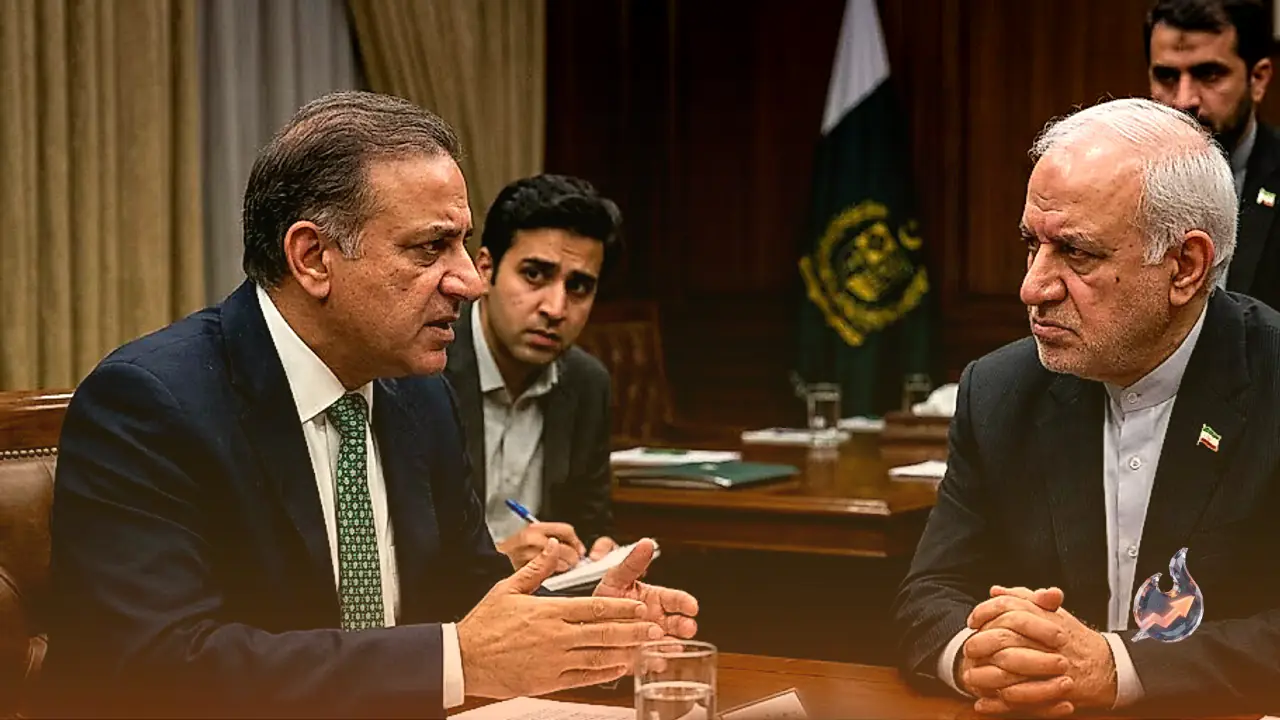
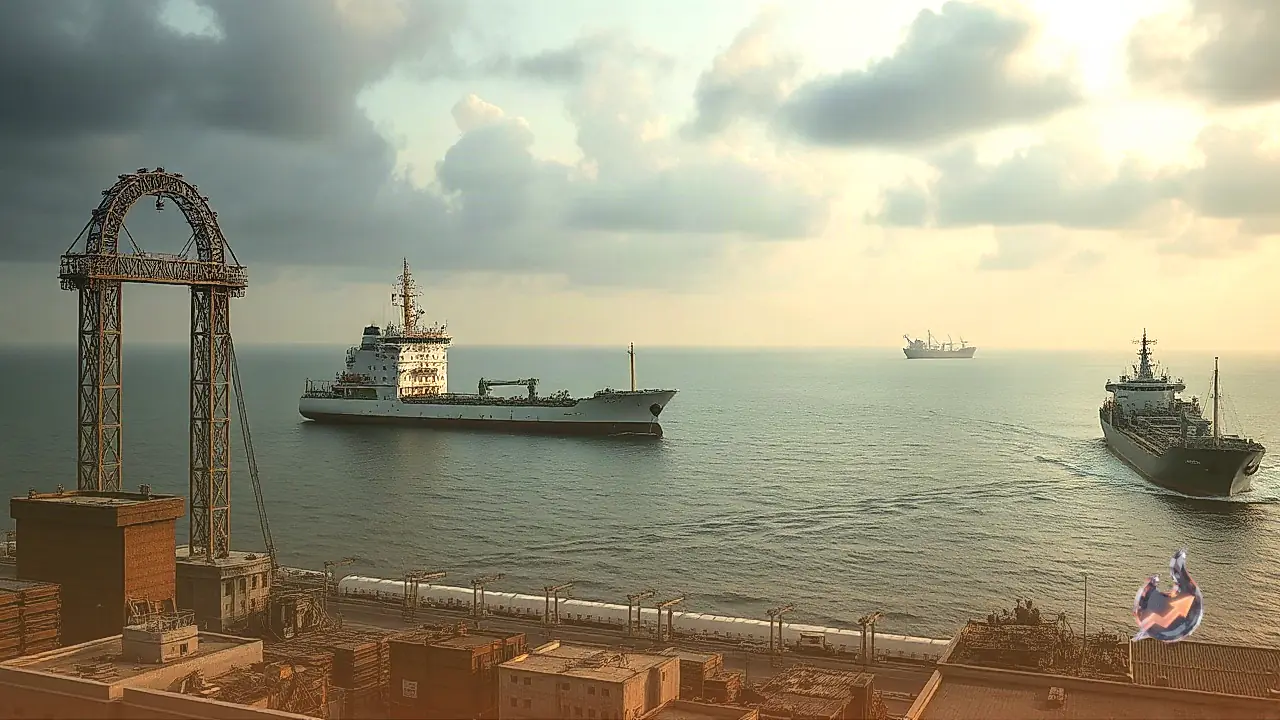
At the center of this unfolding crisis is an empty Pakistani oil tanker stranded in the volatile waters of the Red Sea, located dangerously close to Saudi Arabia critical East-West pipeline. Continuous rebel assaults have already forced the complete shutdown of this vital energy corridor, with energy analysts estimating zero probability of it resuming operations over the next six weeks. Petroleum Minister Ali Pervez Malik publicly admitted that extracting the stranded vessel has become a critical administrative priority, though Saudi authorities have explicitly instructed that the ship remain on standby due to extreme security hazards. Rerouting shipments through Oman, the UAE, or sourcing alternative crude from Libya has proven to be an immensely costly logistical hurdle.
A Looming Diesel Shortage and Economic Strain
This maritime choke point has pushed Pakistan already fragile financial system to the brink of collapse. Ministry of Petroleum officials warned that if crude supplies remain restricted, national diesel reserves will be completely exhausted within a single month. Armed factions operating near the Bab el-Mandeb strait have established aggressive dominance over the maritime passage, making every passing commercial vessel a prime target. The stranded tanker has quickly transformed into a visible symbol of Islamabad growing international isolation and domestic economic vulnerability.
Invoking the Defense Pact Amidst Mounting Pressures
Faced with the terrifying prospect of total fuel starvation and cascading industrial failure, Pakistani leaders suddenly remembered the sweeping military pact signed with Riyadh with much fanfare. Defense Minister Khawaja Asif issued a sharp public statement arguing that the Makkah Joint Defense Agreement must now be invoked without further delay. Under the terms of this framework, an external threat to the territorial sovereignty of any participating state demands a collective military response. Islamabad is now desperately attempting to leverage this pact to safeguard its interests while signaling to the global community that circumstances are dragging it deeper into an unpredictable regional conflict.
Broader Implications and Regional Reactions
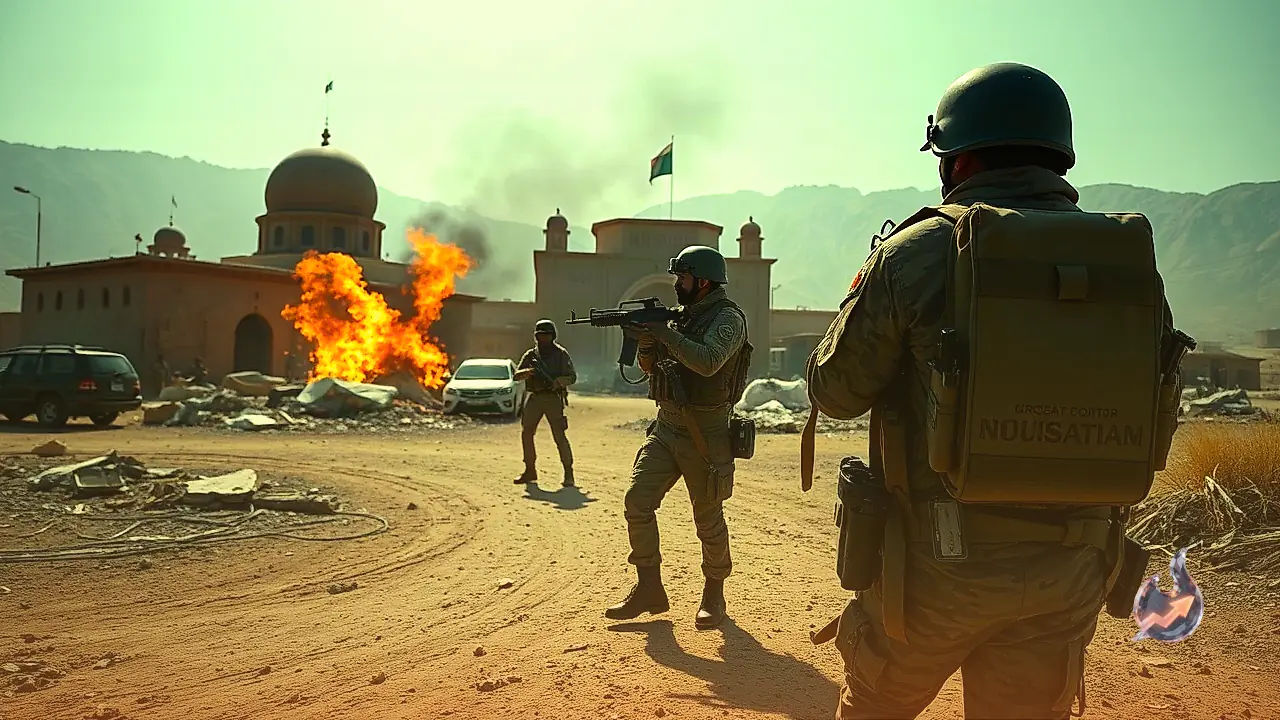
Continuous drone and missile strikes have shaken major urban centers in the region, leaving numerous civilians injured and drawing sharp denunciations from major global bodies including the Organization of Islamic Cooperation and the Muslim World League. While Prime Minister Shehbaz Sharif previously dismissed drone attacks near holy sites as merely shameful, the current crisis forces a much harder reckoning. Observers are questioning whether Islamabad will limit its response to verbal posturing or risk a military entanglement that could destabilize its domestic stability even further.