





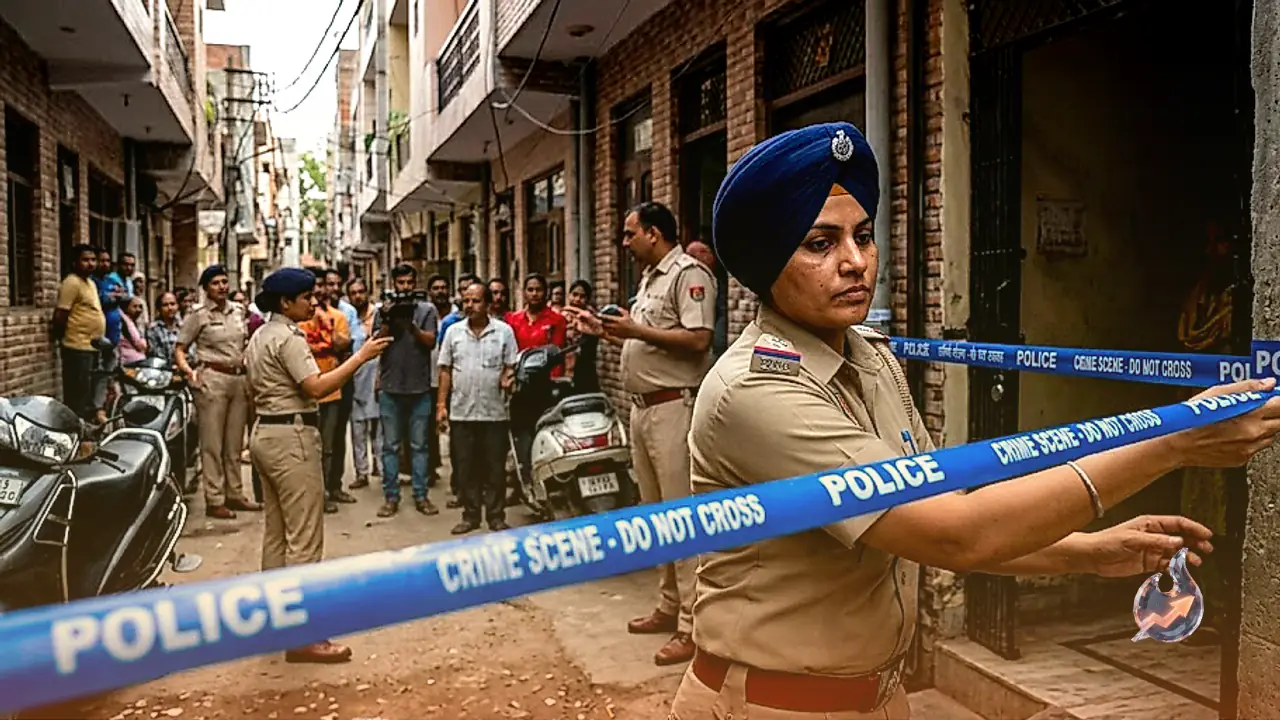



















United Nations human rights experts have released a comprehensive finding indicating that reasonable grounds exist to suggest the United States committed war crimes across two separate strikes within Iran, which collectively claimed the lives of at least 177 civilians. The assessment underscores the profound human toll of the ongoing conflict, though the US military has yet to issue a direct comment on these specific conclusions, having previously disputed actions in Lamerd while maintaining an ongoing inquiry into the devastation in Minab.
The Devastating Strike on the Minab Primary School
According to the fact-finding mission's report, when the US and Israel initiated military operations against Iran, Tomahawk missiles struck the Shajareh Tayyebeh Primary School located in the southern town of Minab on February 28. Local authorities reported that at least 156 people lost their lives in this single tragedy, a figure that included 120 children. Investigators noted that while the educational institution was situated adjacent to an Islamic Revolutionary Guard Corps naval complex that was targeted on the same day, the school itself was clearly distinguishable and bore no indications of military utility.
The panel of experts relied on gathered evidence, which included media accounts suggesting a preliminary US military investigation had acknowledged responsibility, alongside the technical reality that the US remains the sole party to the conflict equipped with Tomahawk missiles. Survivor testimonies confirmed that the building was struck twice, leading investigators to conclude that the school was the intended point of impact rather than the result of an errant missile or collateral damage from the adjacent military site. While US Defense Secretary Pete Hegseth has maintained that the military never targets civilian infrastructure, the formal findings of the internal US inquiry into the Minab incident have not yet been published.
The Lamerd Sports Complex Attack
On the very same day, February 28, Precision Strike Missiles dispersed lethal clouds of tungsten shrapnel over a residential neighborhood and sports complex in the town of Lamerd, according to local authorities. This strike resulted in the deaths of at least 21 civilians, including seven children. The independent experts observed that this sports facility was likewise easily identifiable and served no military purpose. Citing the exclusive use of PrSM munitions by American forces in the theater, the investigators determined there were solid grounds to link the attack to the US military, despite official denials from Washington regarding any operations in Lamerd that day and disputes over the specific weapon type identified.
Brutal Crackdown on Domestic Protests in Iran
Beyond the military exchanges with foreign powers, the UN fact-finding mission documented an unprecedented escalation in the violent suppression of mass anti-government demonstrations that swept across all 31 provinces of Iran during December 2025 and January 2026. The crackdown was characterized by the widespread deployment of lethal force, resulting in mass casualties and extensive detentions. Witnesses, medical professionals, and grieving families reported that security personnel utilized rooftops and elevated vantage points to fire assault rifles directly into crowds of demonstrators.
Protesters suffered horrific injuries from metal shotgun pellets aimed at their heads, chests, and eyes, resulting in numerous cases of permanent blindness. As the civil unrest intensified, security forces systematically targeted healthcare infrastructure, assaulting and detaining injured civilians as well as medical staff. This systematic intimidation deterred wounded individuals from seeking critical, life-saving medical attention. Furthermore, tens of thousands of detained individuals were subjected to torture, solitary confinement, and a total denial of legal counsel, while the government accelerated executions, putting at least 29 men to death following expedited trials linked to the protests.