







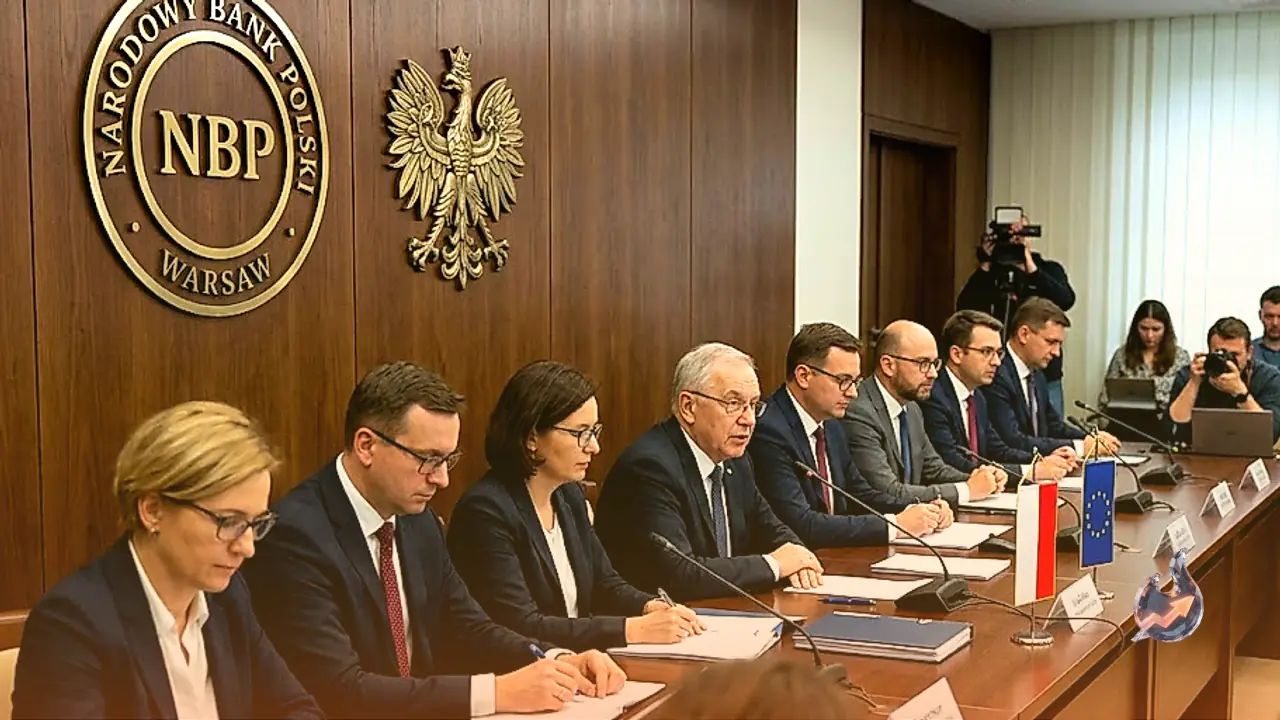















In an effort to reshape the security balance across the Middle East, Saudi Arabia, Turkey, and Pakistan convened in Mecca on August 7, 2026, to sign a landmark tripartite defence agreement. The pact was promoted as a structural paradigm shift in regional security, anchored by a mutual defense principle establishing that an attack on any single member state would be treated as an assault on all three. The strategic architecture aimed to fuse Saudi Arabia's immense economic resources, Pakistan's military manpower and standing armed forces, and Turkey's advanced defense manufacturing capabilities into a unified deterrent front. However, less than two weeks after the ink dried on the historic accord, Yemen's Houthi rebels launched a rapid succession of drone strikes targeting vital Saudi energy facilities and civilian aviation infrastructure. Fresh attacks on August 20, 2026, targeting the Najran International Airport and Saudi Aramco installations have intensified debate over whether paper security guarantees can deliver immediate operational deterrence against asymmetric warfare threats.
The Mecca Defense Pact Architecture and Tripartite Security Model
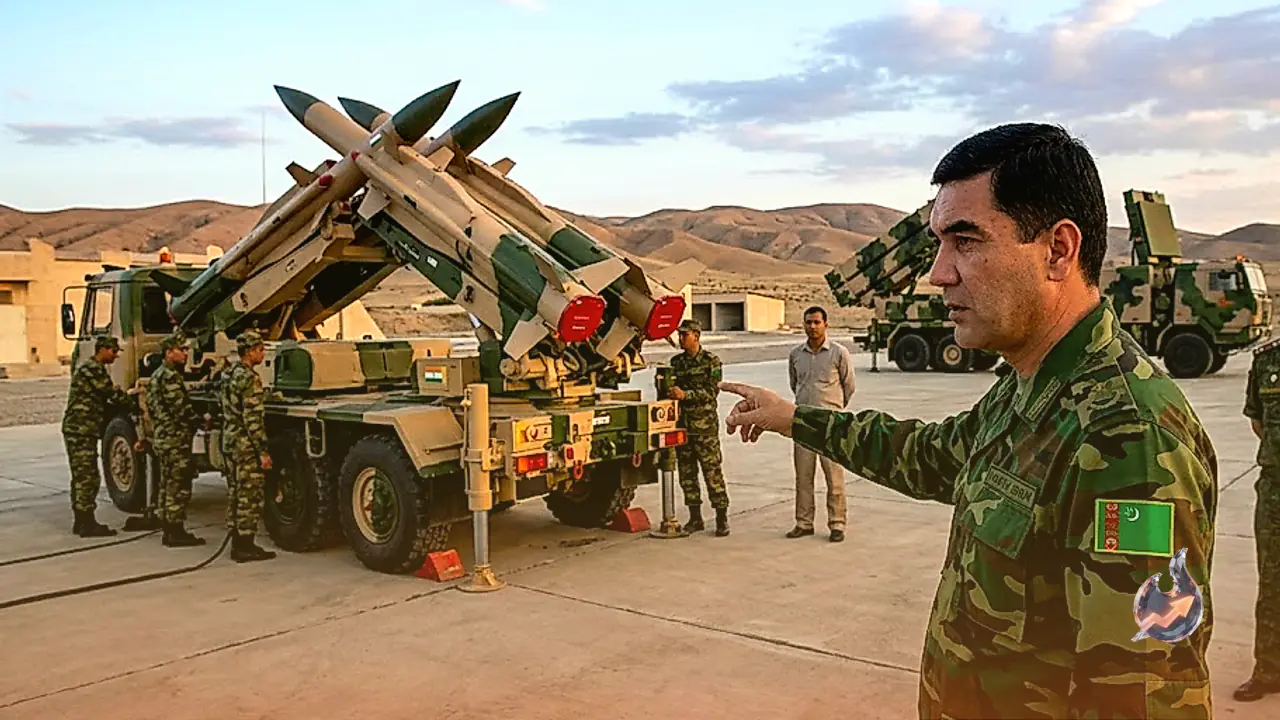
The joint defense agreement signed on August 7, 2026, in Mecca was designed to respond to shifting geopolitical dynamics and security vulnerabilities in the Gulf region. Planners sought to capitalize on the complementary strengths of the three signatory nations to establish an integrated security umbrella. Under this framework, Saudi Arabia was expected to supply financial backing and strategic depth, Pakistan was positioned to provide military training, manpower, and strategic deterrence through its large standing army, while Turkey was slated to deliver cutting-edge defense technology, military hardware, and unmanned aerial system manufacturing.
Diplomatic observers quickly drew parallels between the Mecca Pact and NATO's collective defense framework. Turkish Foreign Minister Hakan Fidan publicly noted that the agreement functioned similarly to NATO's Article 5, mandating a joint military response if the territorial integrity of any member nation came under foreign attack. Nevertheless, defense analysts caution that replicating a NATO-style collective security model among three distinct nations with differing regional priorities presents complex operational hurdles, particularly at a time when even established alliances face cohesion challenges.
Five Major Attacks in 13 Days: Houthi Escalation Timeline
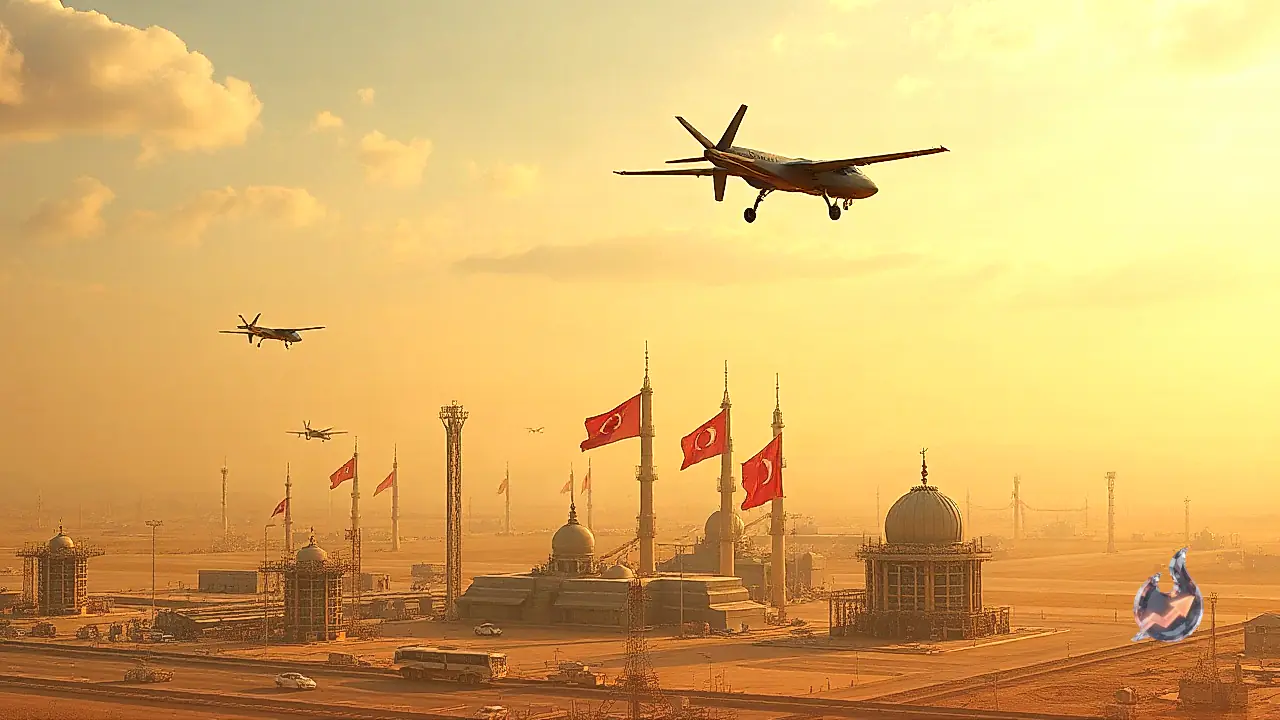
Rather than being deterred by the announcement of the tripartite alliance, Houthi rebels escalated their targeting of Saudi civil infrastructure and energy assets. Between August 7 and August 20, 2026—a span of just 13 days—Houthi forces executed at least five targeted drone strikes across the Jazan and Najran regions of Saudi Arabia
- August 9, 2026: Just two days after the pact was finalized, a drone strike targeted a critical Saudi Aramco facility in Jazan.
- August 13, 2026: A second drone attack struck the Saudi Aramco oil refinery in Jazan.
- August 14, 2026: Houthi drones targeted key Aramco energy installations in the Najran region.
- August 18, 2026: Multiple unmanned aerial vehicles conducted another strike against the Aramco refinery in Jazan.
- August 20, 2026: Houthi forces claimed responsibility for simultaneous drone strikes hitting Najran International Airport and nearby Aramco energy complexes.
The sustained targeting of global energy infrastructure managed by Aramco and civil aviation hubs underscores the Houthi movement's intention to test the practical limits of the new defense pact immediately after its inception.
Iran's Stance and IRGC Strategic Reactions
Iran remains a central actor in the Middle Eastern security equation and the primary regional backer of the Houthi movement. While the official text of the Mecca defense agreement avoided explicitly naming Iran, foreign policy analysts interpreted the pact as an attempt to counterbalance Tehran's regional influence. On August 19, 2026—one day before the attacks on Najran International Airport—Islamic Revolutionary Guard Corps (IRGC) spokesperson Hossein Mohebi offered a sharp critique of the alliance during an interview with the Iranian news agency Mehr.
Mohebi asserted that Saudi Arabia remains incapable of defeating Yemeni combatants and Houthi forces on the battlefield. He argued that because Saudi Arabia's conventional military capabilities rank below those of Israel, it is unrealistic to expect Saudi forces to successfully counter the asymmetric tactics and drone capabilities employed by Yemeni fighters. The IRGC spokesman's public statements signal that Tehran views the Mecca agreement as largely symbolic and intends to maintain its geopolitical posture in the region.
Operational Challenges and the Road Ahead for the Alliance
While the flurry of Houthi drone strikes immediately following the August 7 signing highlights vulnerabilities, declaring the Mecca defense pact an absolute failure within weeks of its execution may be premature. Establishing operational military integration, joint command centers, shared early-warning radar systems, and rapid-deployment protocols typically requires months or years of formal coordination. However, the ongoing attacks highlight a fundamental strategic question: if global superpowers like the United States, equipped with sophisticated air defense architectures, faced difficulties fully shielding Gulf oil installations from low-altitude drone strikes, how rapidly can Turkey and Pakistan deploy military solutions to fill that gap?
The ultimate test of the Mecca agreement will depend on whether future attacks trigger actual joint military deployments or coordinated air defense operations by Saudi Arabia, Turkey, and Pakistan. If the alliance remains restricted to diplomatic declarations without operational force integration on the ground, deterring asymmetric drone strikes will remain a severe security challenge. The true value of the collective defense clause will only be proven when all three member nations demonstrate the capacity and willingness to respond in unison to external security threats.