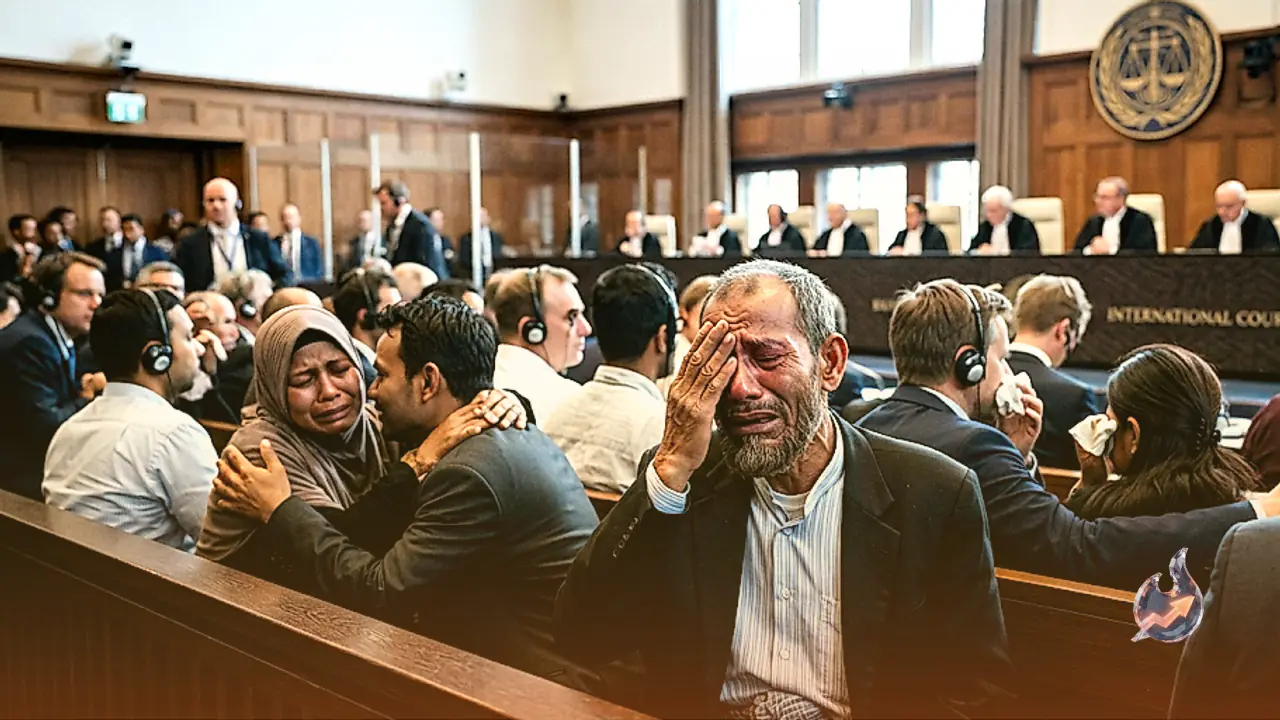

In an unprecedented ruling spanning its eight-decade history, the principal judicial organ of the United Nations has held a sovereign state accountable for the gravest of international crimes. Presiding over the proceedings in The Hague, Judge Yuji Iwasawa delivered the finding that Myanmar perpetrated a systematic campaign of violence against the Rohingya minority residing in the Rakhine state. The comprehensive judgment detailed extensive evidence of military atrocities that forced hundreds of thousands of civilians to flee across borders into neighboring nations such as Bangladesh to escape persecution.
The Origins of the Military Crackdown
The roots of this landmark legal proceeding trace back to the intensive security campaigns launched by the military in 2016 and 2017, which officials at the time designated as clearance operations. Following localized attacks on security personnel, the state apparatus initiated a sweeping crackdown across northern Rakhine that the court ultimately categorized as a calculated effort to destroy an ethnic group. The tribunal documented widespread killings of innocent civilians, extensive sexual violence against women and children, and the systematic destruction of villages to alter the demographic composition of the region.
A Seven-Year Legal Battle Backed by Muslim Nations
The judicial process commenced in 2019 when Gambia filed a formal lawsuit against Myanmar invoking the 1948 United Nations Genocide Convention. This legal endeavor received robust backing from the fifty-seven member states comprising the Organisation of Islamic Cooperation. Following a rigorous seven-year judicial review involving a bench of fifteen judges, the final verdict was reached. Throughout the proceedings, Myanmar consistently denied the allegations, maintaining that its armed forces were merely engaged in legitimate counter-insurgency operations against militant factions.
Implications for Leadership and Global Jurisprudence
The outcome introduces significant diplomatic complications for the leadership in Naypyidaw, particularly affecting figures who assumed power following the 2021 military coup and subsequent political transitions. Furthermore, international legal experts are closely monitoring the potential precedents this ruling might establish for other high-profile accountability cases globally, including ongoing disputes concerning state conduct in other regions.
Significance for Host Nations Like Malaysia
Malaysia hosts a substantial population of displaced Rohingya and actively supported the legal initiative championed by the OIC coalition. With the formal confirmation of state guilt, Kuala Lumpur gains substantial diplomatic leverage to press for accountability from the neighboring regime. Furthermore, the mandated right of return offers hope for alleviating the domestic socioeconomic pressures and legal challenges associated with hosting an unrecognised migrant population, though it simultaneously heightens the domestic responsibility to curb xenophobic rhetoric and ensure community protection.