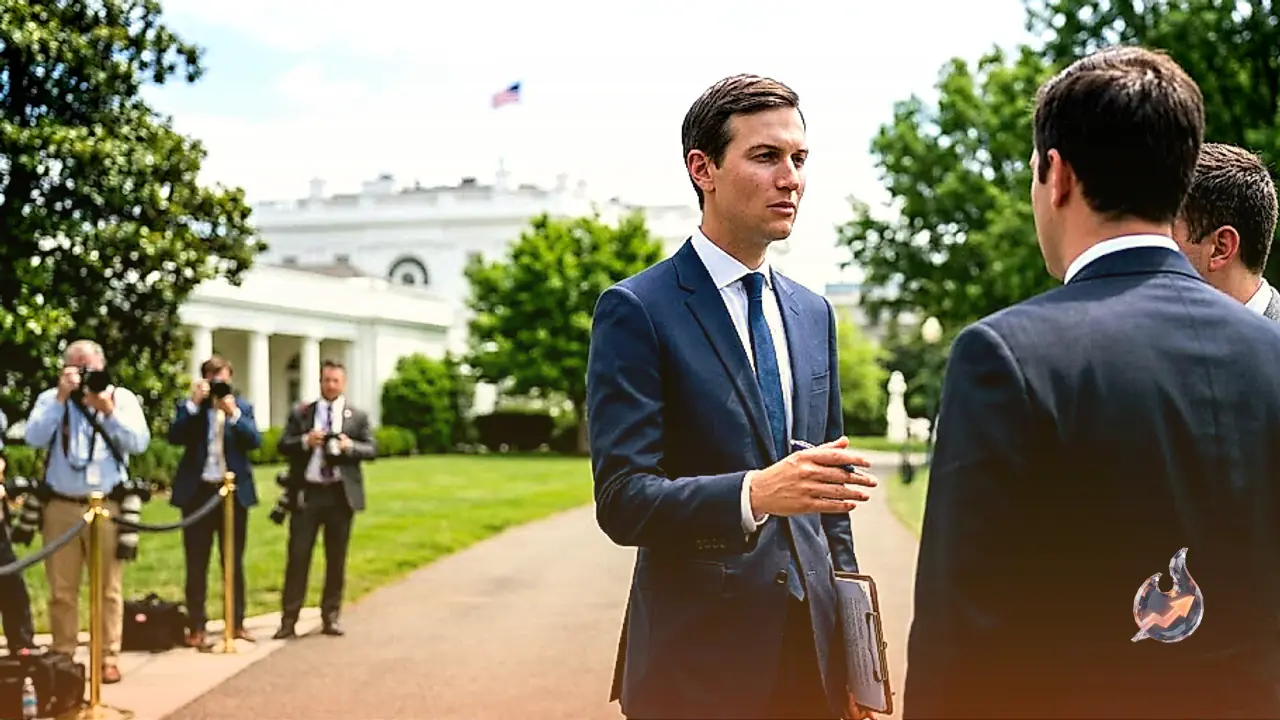



















The United States administration has announced the rollout of a sweeping economic campaign targeting Iran's financial connections around the globe. Treasury Secretary Scott Bessent stated that the newly imposed sanctions encompass digital assets, technology, gold, aviation, and shipping, while warning that any nation maintaining financial partnerships with Tehran will face international isolation.
Tehran Rejects the Measures as Familiar Rhetoric
Despite Bessent characterising the announcement as an economic D-Day, the reaction in Tehran struck a markedly different tone. Shortly after the statement was made public, Iran's Economy Minister Ali Madanizadeh dismissed the policy as the same old talk and asserted that Tehran was fully prepared for every possible scenario. He maintained that Iranian authorities had anticipated the measures and had formulated comprehensive plans to navigate through them. This swift pushback highlights the central dilemma facing Iranian leadership: what further actions can the United States implement that have not already been attempted?
Bessent has threatened broader secondary sanctions targeting foreign countries, international banks, and commercial enterprises that persist in conducting business with Iran. Nevertheless, this fundamental approach lacks novelty, as the nation has endured American financial penalties for years, including restrictions penalising overseas companies engaged in bilateral trade. The decisive factor for Tehran is whether Washington possesses the administrative capability to enforce these restrictive measures on a much wider scale than previously achieved.
Logistical Hurdles and the Limits of Maritime Blockades
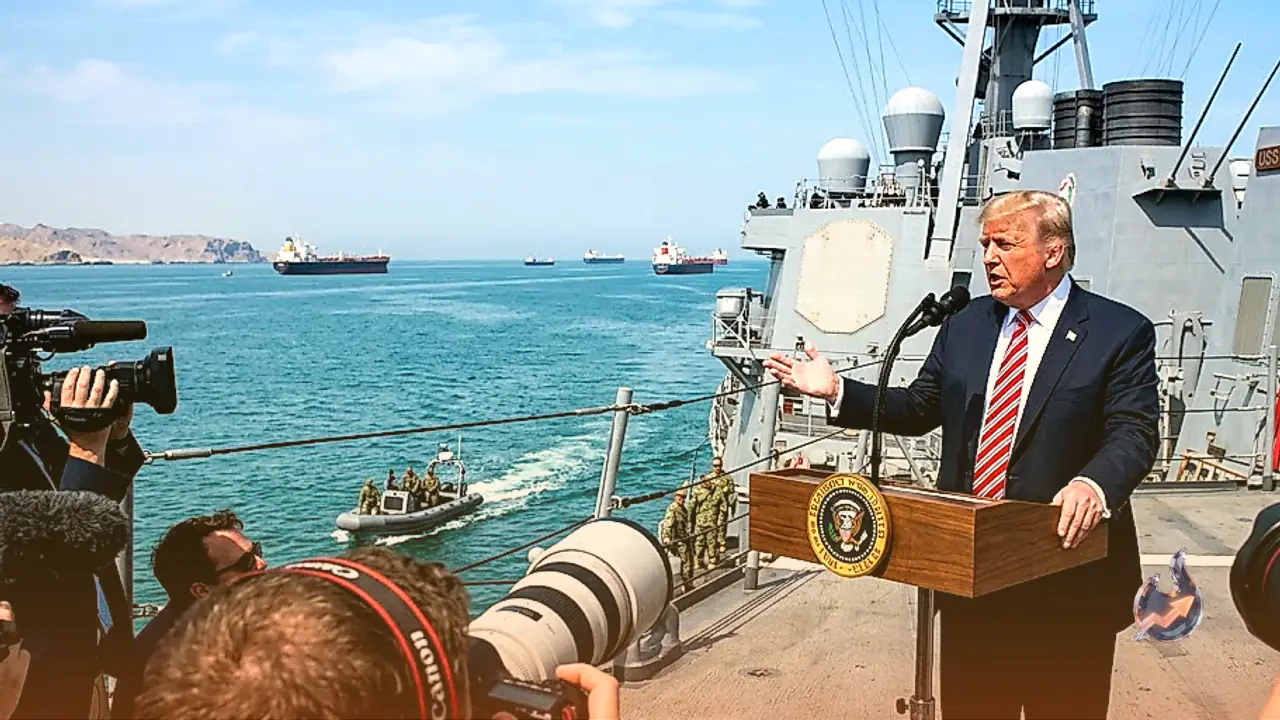
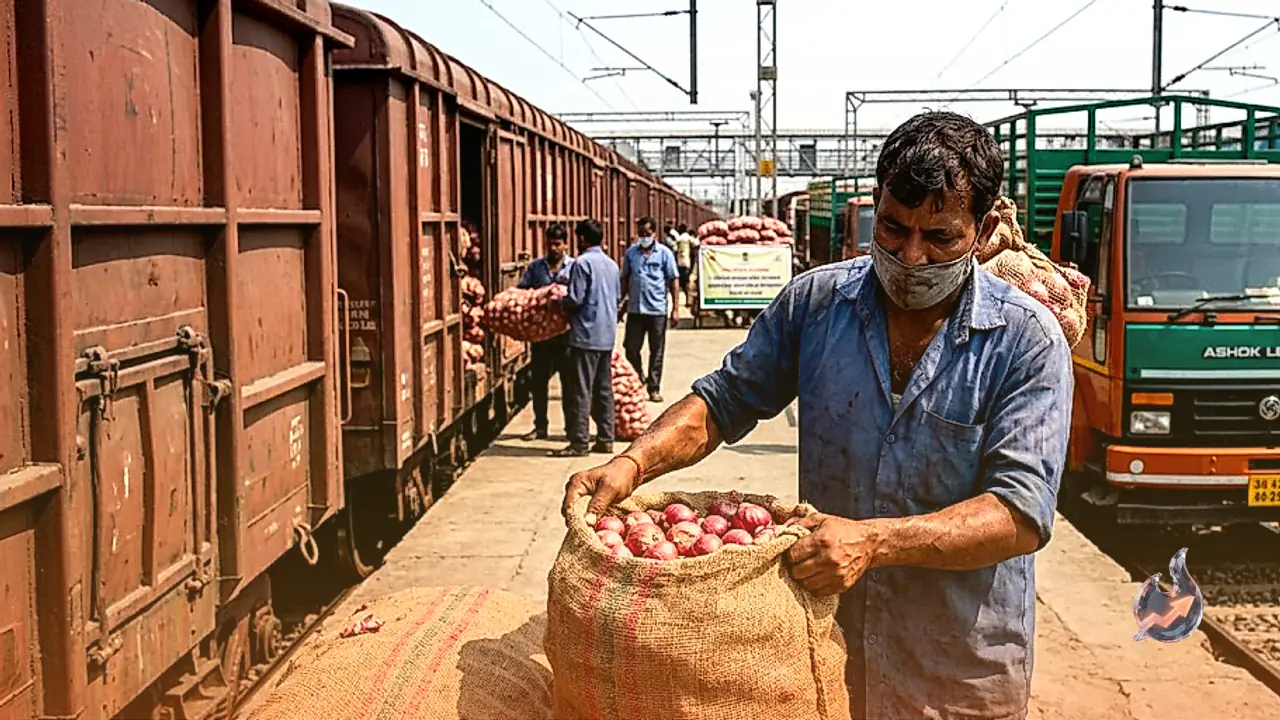
The American naval blockade has already exerted tangible pressure, diminishing Iran's capacity to export crude oil via maritime routes at historical volumes while complicating the importation of essential goods and industrial equipment. Although Iran shares extensive land borders with seven nations and possesses years of logistical experience in circumventing trade restrictions through overland corridors, land transit cannot adequately substitute for maritime commerce, particularly regarding petroleum exports.
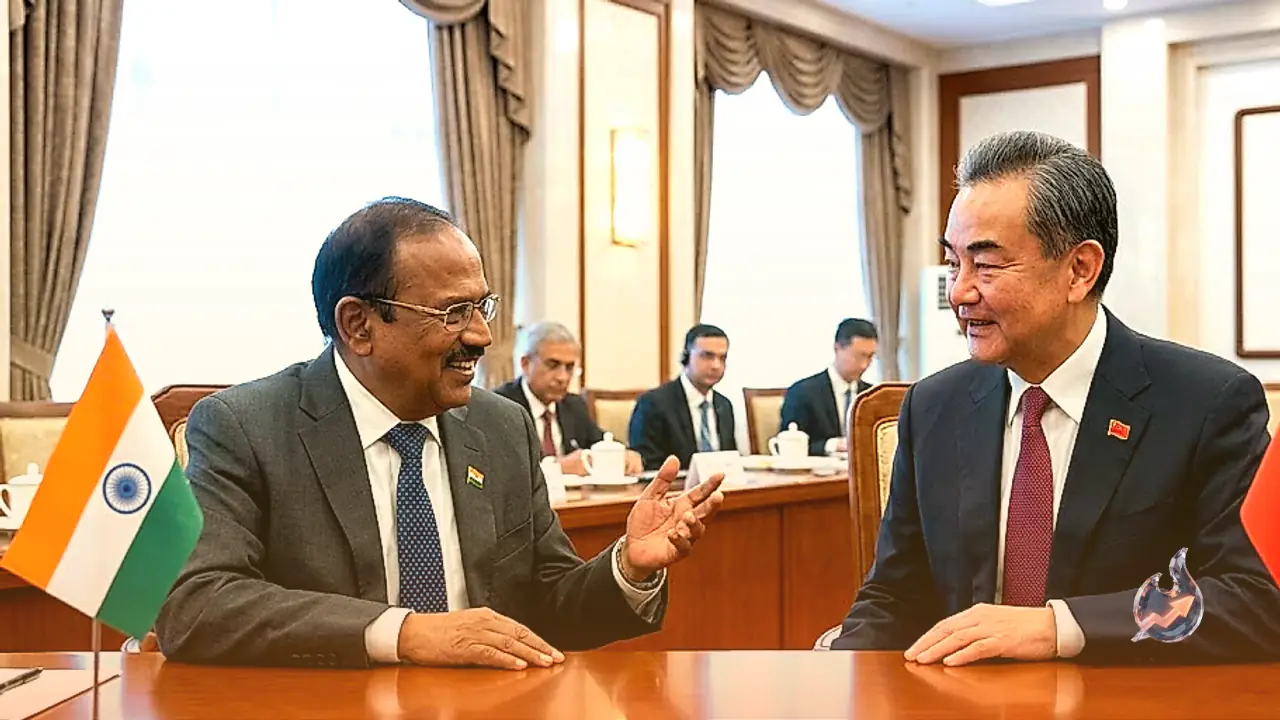
Consequently, the financial pressure could escalate exponentially if Washington successfully seals off the remaining channels that survived past rounds of enforcement, particularly those involving China and Iran's immediate geographic neighbours. Achieving this remains a formidable challenge. The Chinese foreign ministry stated publicly that it firmly opposes the sanctions, denouncing them as entirely illegal. If these punitive measures ultimately falter, Bessent's announcement could inadvertently empower hardline factions within Iran who fiercely oppose reaching any diplomatic settlement with the United States.
Domestic Economic Strain and the Plight of Ordinary Citizens
Hardliners are likely to argue that Washington has reverted to economic coercion simply because its alternative options are severely constrained. A renewed military campaign carries profound geopolitical risks, whereas years of prior sanctions have consistently failed to compel Iran into accepting American demands. Furthermore, Washington has left minimal breathing room for diplomatic channels. Although regional mediators such as Pakistan continue efforts to revive stalled negotiations, the United States has explicitly refused to rule out additional military strikes, compounding the pressure on moderate officials who advocate for compromise.
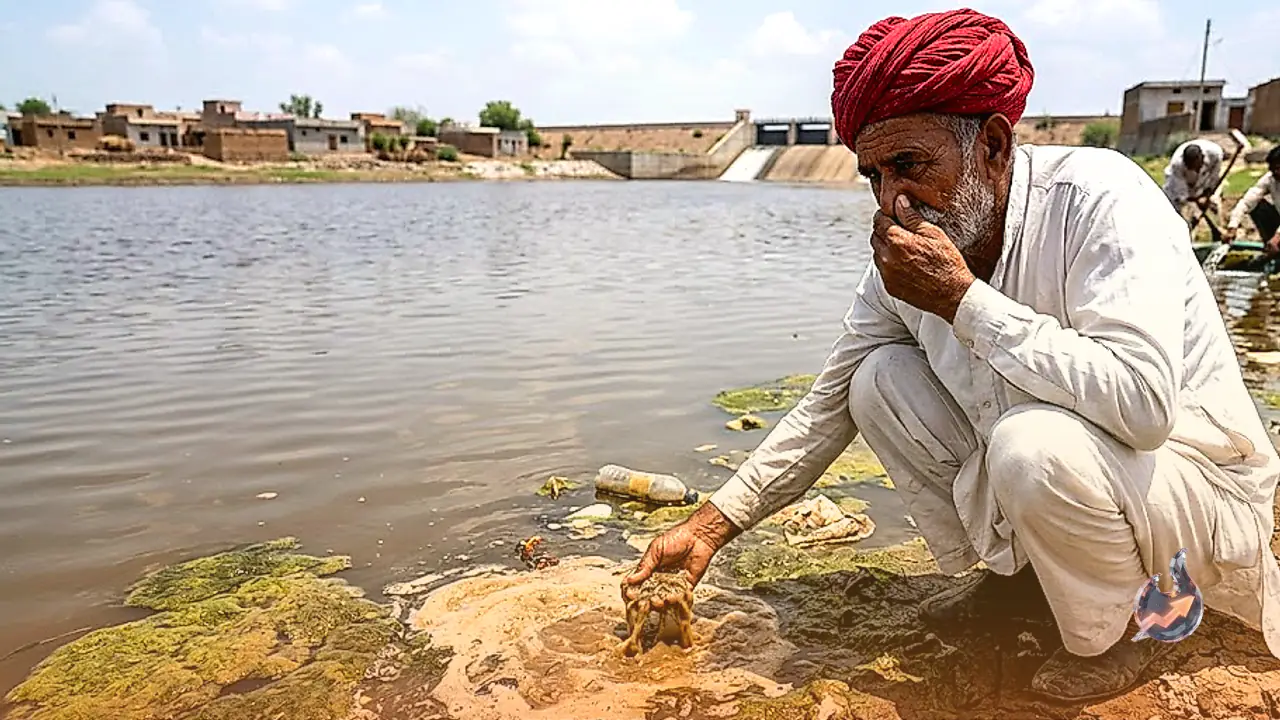
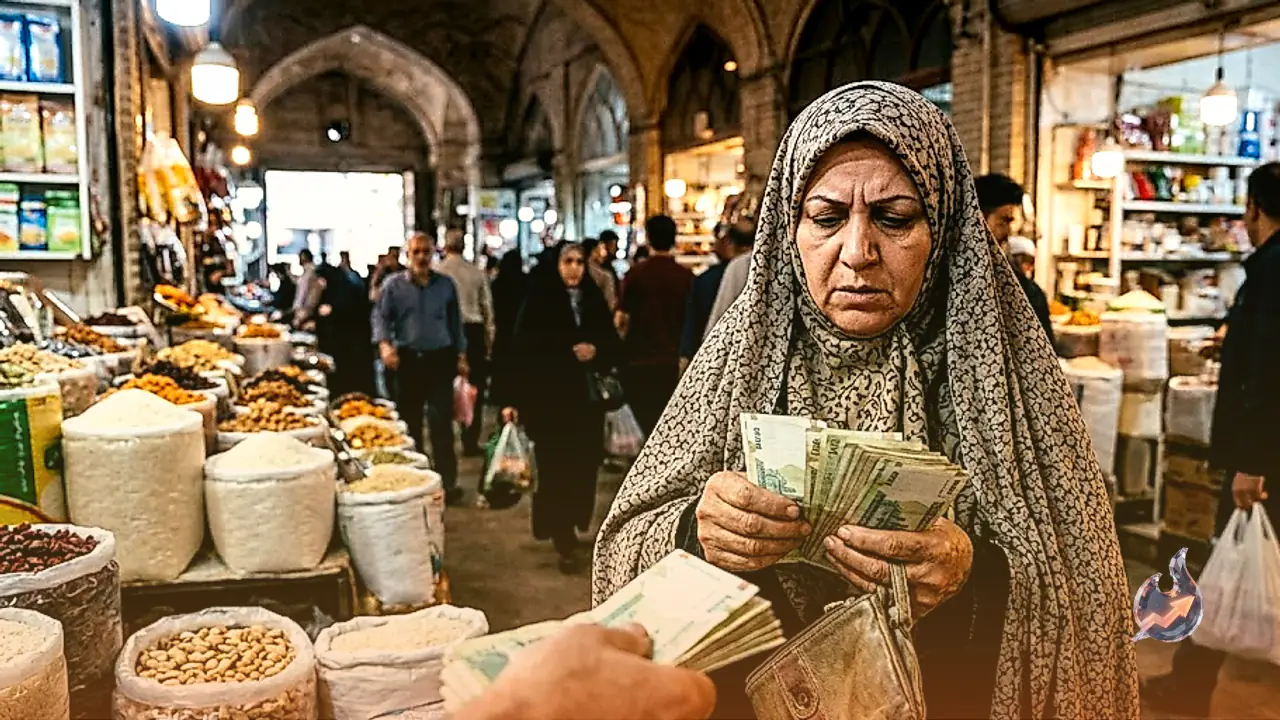
The Iranian economy was already grappling with severe structural instability prior to the outbreak of war, marked by rampant inflation and a rapidly depreciating national currency. These conditions have deteriorated sharply since the commencement of hostilities involving air strikes by the United States and Israel on 28 February. The steady devaluation of the Iranian rial is felt acutely across daily life, driving up the cost of imported goods, paralysing corporate planning, and eroding the life savings of ordinary citizens. Simultaneously, restrictions on petroleum shipments have severely restricted government access to foreign currency reserves.
Negin, a 34-year-old woman speaking under a pseudonym, revealed that her monthly earnings amount to approximately $100, equivalent to roughly £73. She shared that her lifestyle has been stripped of all non-essential comforts, noting that she no longer visits cinemas, theatres, or concerts, purchases no gifts, and avoids attending birthday celebrations. She explained that she can only afford meat by utilising government-issued subsidy vouchers, without which it would remain entirely out of reach.
Similarly, Mona, a housewife with two children, reported that her husband has remained unemployed since the onset of the war. Expressing widespread apprehension, she noted that her spouse previously worked aboard commercial ships but has been unable to resume employment since hostilities began. She added that while her household is striving to manage expenses prudently, they have been forced to eliminate all discretionary spending and minor luxuries entirely.
Political Calculus and the Washington Horizon
Tehran may calculate that time is working against US President Donald Trump. Any further disruption within the Strait of Hormuz could drive global petroleum and gasoline prices upward, exacerbate domestic American inflation, and create a significant political vulnerability ahead of the US midterm elections in November. This provides Iranian strategists with a definitive timeline to monitor, though banking entirely on the outcomes of American domestic elections remains a high-stakes gamble.
By the time those midterms arrive, the domestic Iranian economy could be severely depleted. Moreover, beyond the midterm elections lies an additional consideration. With Trump ineligible to seek re-election in 2028, his outgoing administration may operate with heightened autonomy, feeling uninhibited in pursuing an unyielding confrontation with Iran regardless of the associated costs.
Strategic Dilemma Facing Iranian Leadership
Tehran ultimately confronts a complex twin crisis: a political challenge originating in Washington and an economic crisis unfolding domestically. Each passing month marked by suppressed petroleum exports, disrupted commercial supply chains, and mounting pressure on the rial increases the long-term cost of deferring a negotiated end to the conflict. This leaves Iranian leadership facing a difficult fork in the road.
Yielding to pressure and offering concessions prematurely could project an image of capitulation under duress, thereby empowering hardliners who maintain that Washington will simply escalate its demands. Conversely, prolonging the standoff could improve Iran's standing should Trump's strategy encounter domestic political or economic headwinds, yet it equally risks plunging the national economy into deeper distress prior to any eventual negotiations. Ultimately, the trajectory of the crisis will hinge on external factors, dictating whether international trading partners and foreign financial institutions succumb to compliance or maintain commercial ties with Tehran.