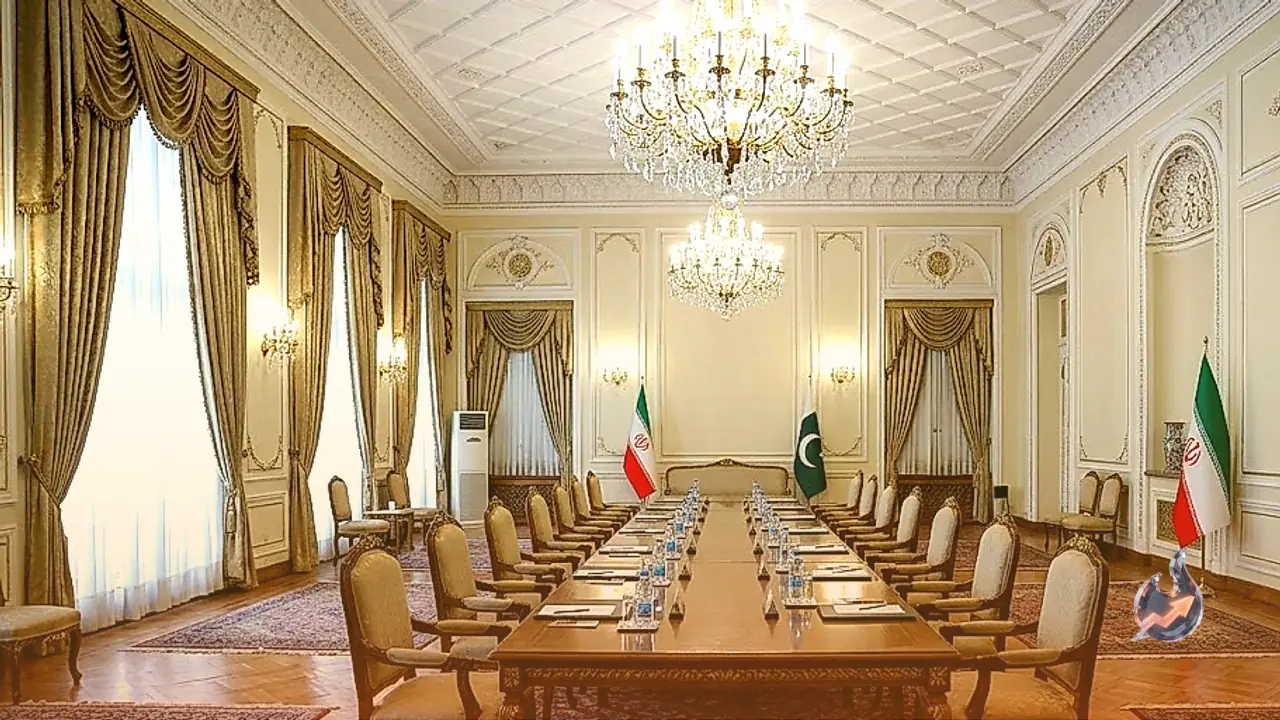























The standoff between the United States and Iran has entered a tense new phase as the conflict stretches past the eight-month mark. Despite mounting pressure, Tehran has refused to yield, and Washington has found itself unable to achieve a decisive military victory. The operational reality on the ground even forced the deployment of the USS Abraham Lincoln aircraft carrier to be pulled back. Having failed to subdue Iran through conventional military means, American leadership has pivoted toward financial and economic aggression. In response, Mohsen Rezaei, secretary of Iran's Supreme National Security Council, has issued a sharp warning to Washington and any nations that choose to align with its punitive campaign.
Donald Trump’s Threat and Tehran's Defiant Stance
The warnings from Mohsen Rezaei follow direct threats made by United States President Donald Trump, who recently declared that countries supporting Iran would face the most severe economic warfare in history. Writing on his Truth social media platform, Trump stated that this would be the most dangerous level of economic warfare and isolation. In direct retaliation, Rezaei announced that any government joining Washington's financial offensive against Iran will be treated as an enemy. Iran signaled that if neighboring countries cooperate with the American economic blockade, Tehran will block oil shipments from moving through the vital Strait of Hormuz.
Understanding Economic Warfare and Its Financial Weapons
Economic warfare occurs when two or more nations attack each other's financial and commercial systems without firing a single bullet, missile, or deploying tanks. The primary objective is to fracture the opposing nation's financial framework, collapse its currency value, and isolate it entirely from the global community until it is forced to surrender. Rather than relying on traditional military hardware, economic warfare deploys financial instruments to inflict strategic damage. A recent parallel of economic aggression was seen when Ukraine launched attacks against warehouses and offices belonging to Wildberries, Russia's largest online marketing firm, to sap its economic stability.
The primary tools utilized in economic warfare include several distinct financial mechanisms
- Economic Sanctions: Placing total or partial bans on trade, imports, and exports involving the targeted nation.
- Asset Freezing: Blocking government funds and personal assets belonging to the target country held in foreign banks.
- Exclusion from Financial Systems: Removing a nation from international banking networks like SWIFT to block all cross-border financial transactions.
- Tariffs and Custom Duties: Levying punishingly high taxes on imported goods from the adversary to halt their sale entirely, much like the sweeping duties imposed by the US last year.
- Secondary Sanctions: Threatening penalties against any third-party country or corporation that continues to conduct business with the sanctioned nation, a tactic echoed by Donald Trump's unnamed warnings against Iran's partners.
The US Economic Siege Strategy and the Strait of Hormuz
Having failed to push Iran backward through military force, Washington is now relying on an economic containment strategy. The core of this American approach is to drive Iran's oil and gas trade down to absolute zero and sever its connections to global banking infrastructure. These secondary sanctions directly impact major nations like India, China, and Russia, which traditionally purchase energy resources from Iran. Mohsen Rezaei cautioned that if regional states participate in the US-led economic squeeze, Iran will retaliate by halting oil exports through the Strait of Hormuz. According to Xinhua, Rezaei noted that Iran has developed robust methods over the years to bypass American restrictions and continue selling its petroleum. He emphasized that the Strait of Hormuz will remain closed until the United States fulfills its commitments under the peace agreement, known as the MoU, established during negotiations last June.
Iranian Foreign Minister Mocks American Pressure Tactics
Weighing in on the escalating tensions, Iranian Foreign Minister Seyed Abbas Araghchi dismissed the latest threats, arguing that Washington's economic campaign will fail just like its previous coercive policies. Writing on X, Seyed Abbas outlined a history of failed US measures, stating that fourteen years ago the strictest history of sanctions failed, eight years ago maximum pressure failed, five months ago unconditional surrender failed, and today's severe economic campaign will meet the exact same fate.