





















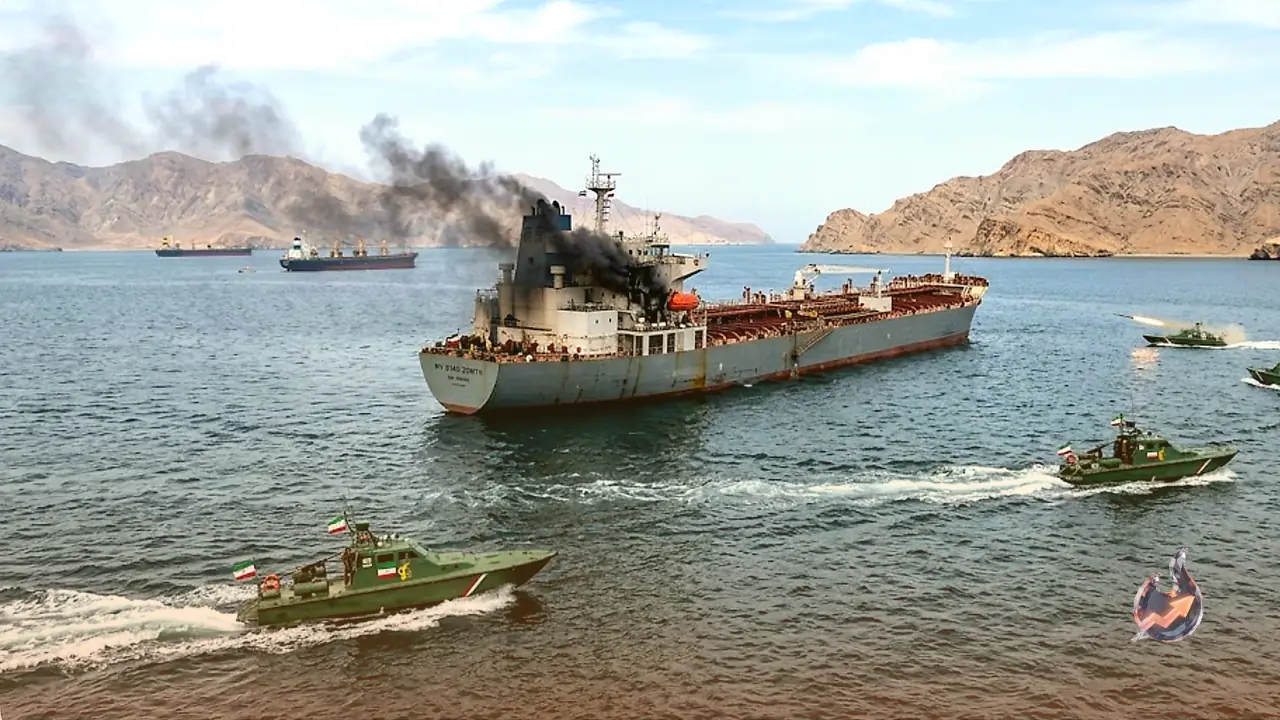

Even as Iran and the United States were engaged in diplomatic talks over Tehran's nuclear programme, Iranian forces struck a vessel navigating the Strait of Hormuz. The attack cast a serious shadow over the peace process and raised fresh alarm about the safety of one of the world's most strategically vital maritime corridors.
Iran Had Warned Ships Before the Strike
Just hours before the attack, Iran put all vessels on notice, ordering them not to transit the Hormuz route without prior clearance from Tehran. When a ship proceeded regardless, it came under attack. Arsenio Dominguez, Secretary-General of the UN International Maritime Organization (IMO), confirmed that the vessel targeted in the strike was not part of any organised evacuation mission.
Evacuation Plans Put on Hold
Following the attack, the IMO suspended its plans to guide ships stranded in the Persian Gulf safely out through the Strait of Hormuz. The agency said it would not resume the operation until it could secure firm safety guarantees for vessels already present in the area, as well as for those on its official evacuation list.
Trump's Bold Statement on Nuclear Weapons
US President Donald Trump made a striking declaration amid these developments. "Iran could have used a nuclear weapon in the first hour; now they have agreed not to acquire one," he said. The remarks came as diplomatic engagement between the two sides continues.
Iran Fires a Warning at Israel
Alongside the tensions in the Strait, Iran directed a sharp warning at Israel as well, stating: "Leave Lebanon, or be prepared to face a humiliating defeat."
Ghalibaf Dismisses Trump's Proposal
Iran's chief negotiator Mohammad Baqeri Ghalibaf rejected Trump's suggestion that Iran's unfrozen assets be used to purchase American agricultural products. In a post on X, Ghalibaf wrote: "America falsely claims that our unfrozen assets will be used to buy their agricultural products. Interesting. We are just reaping what you sowed: decades of distrust."