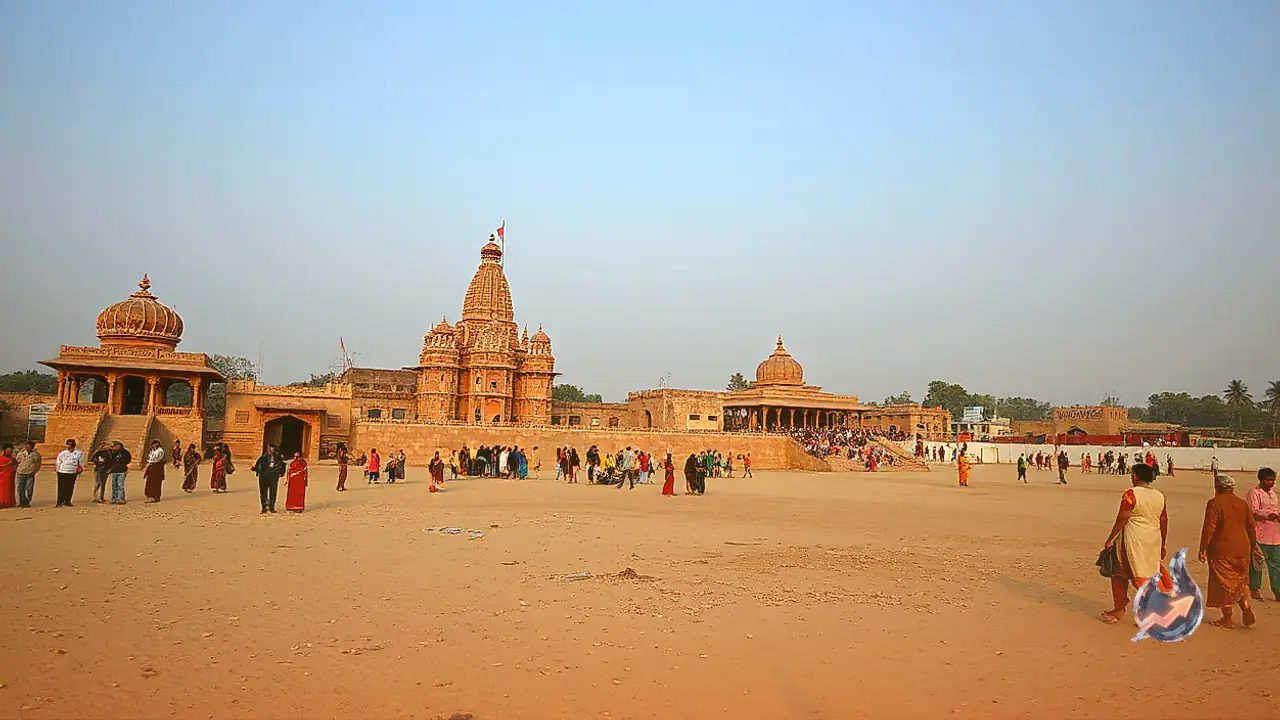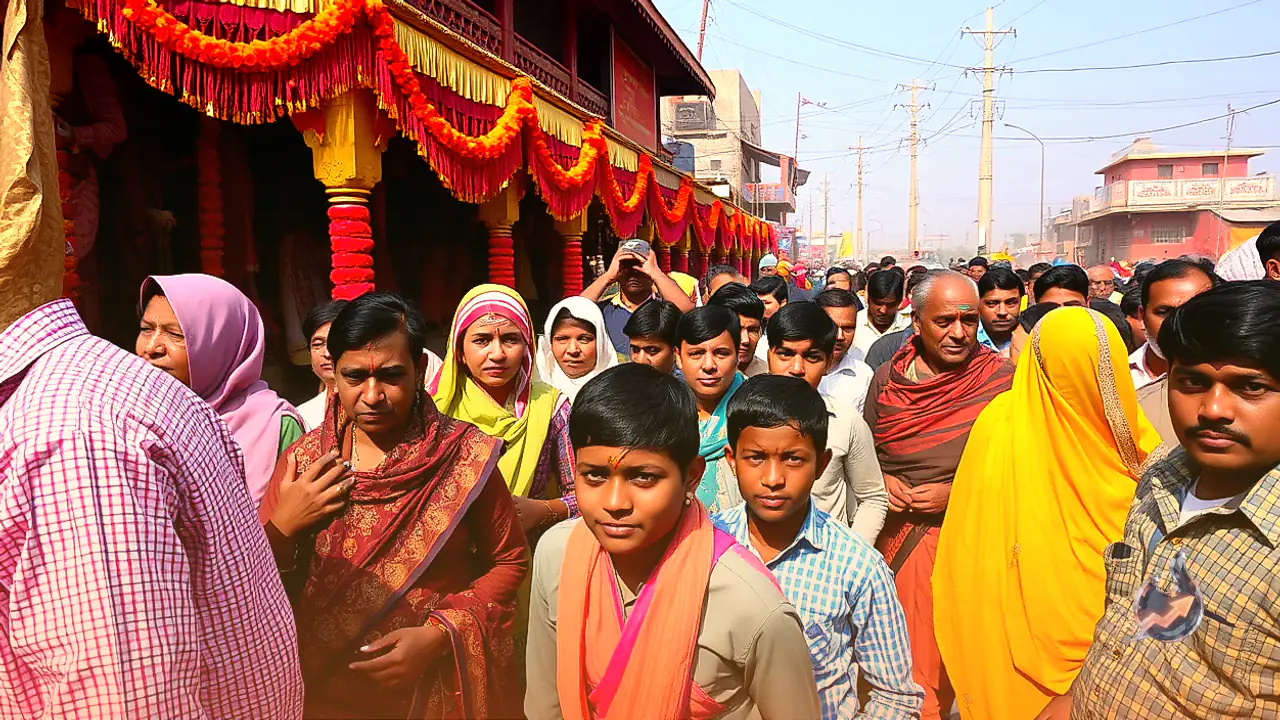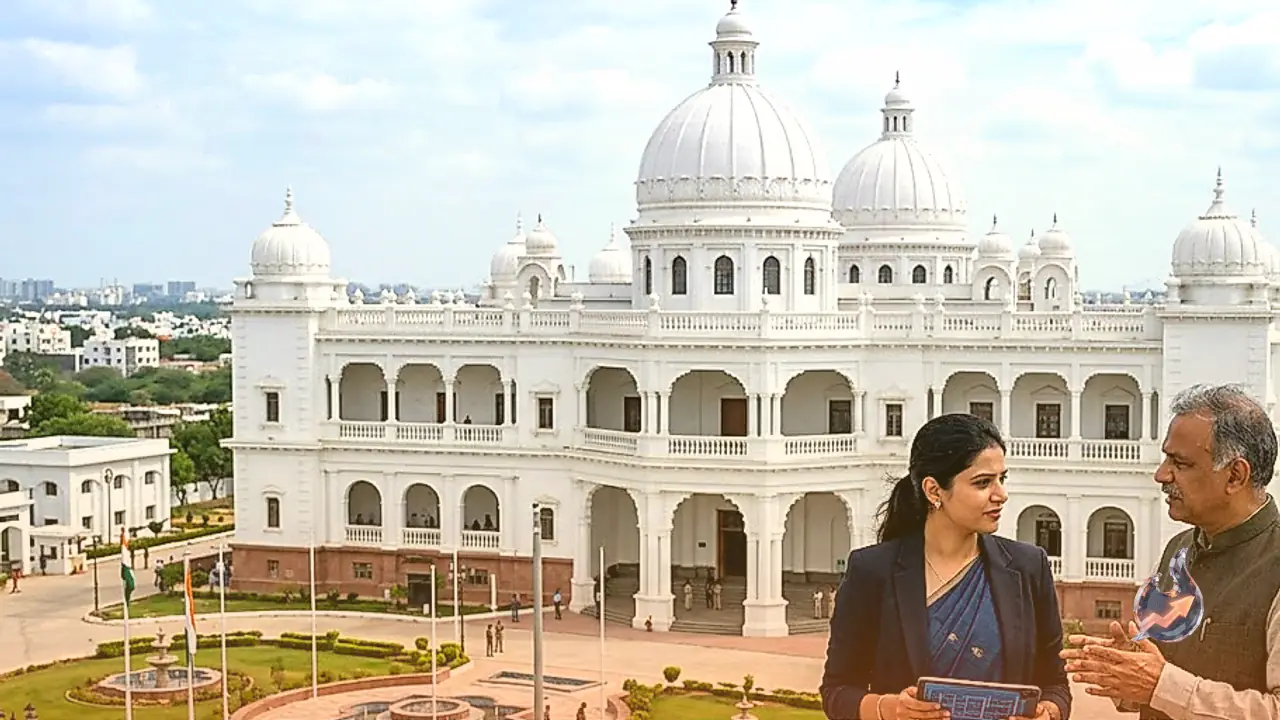
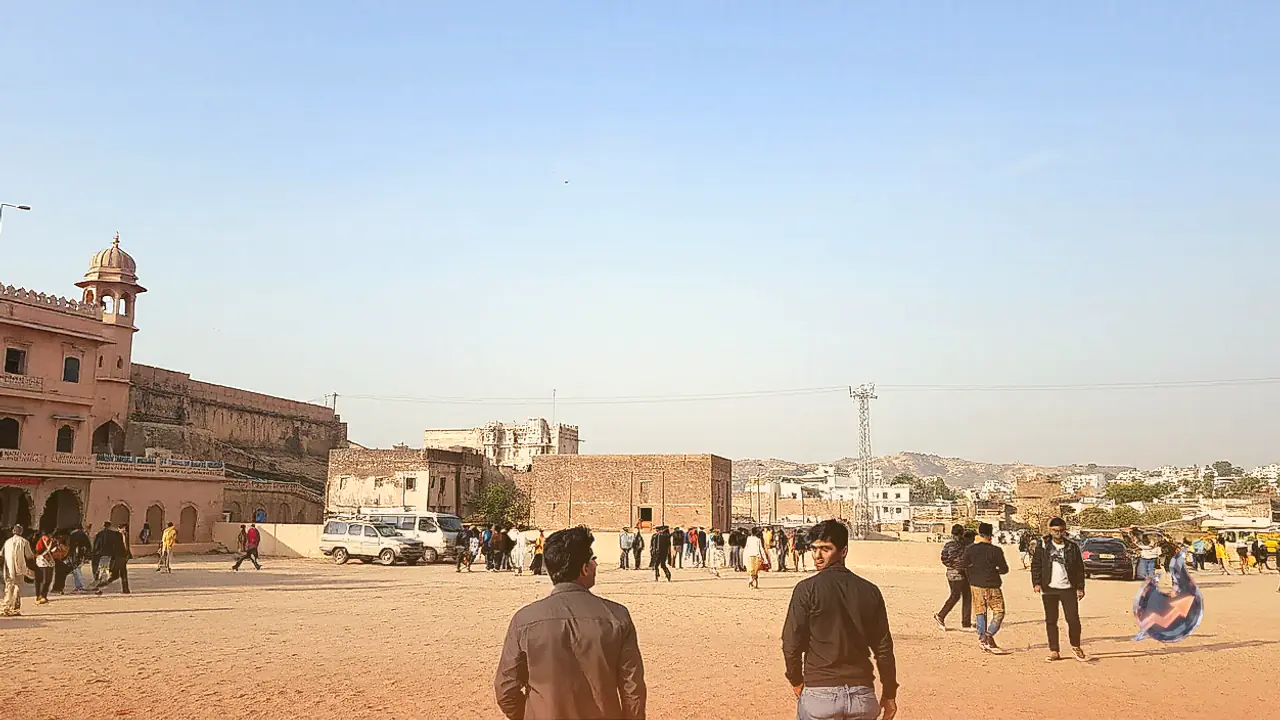















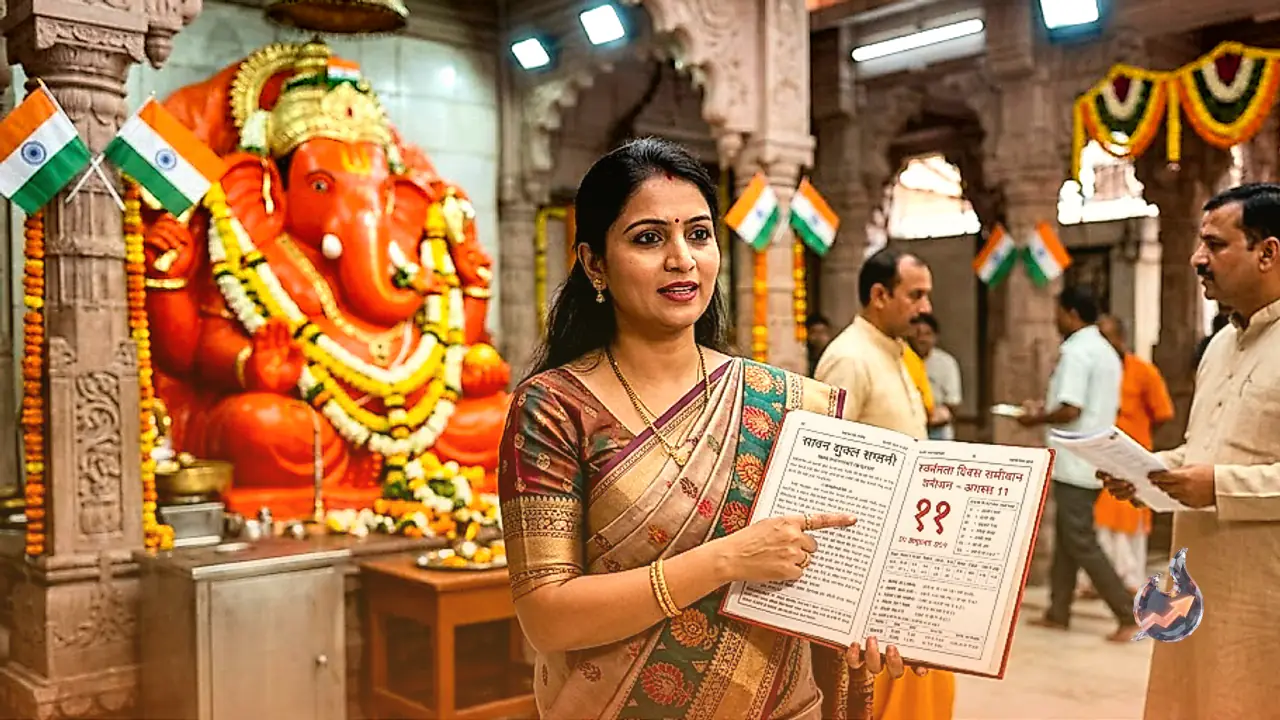

The historic Bada Ganesh Temple in Ujjain, located near the renowned Mahakaleshwar Temple, is preparing to celebrate India's Independence Day on August 11 this year, four days ahead of the standard August 15 date. While the entire nation marks the historic occasion on August 15 according to the Gregorian calendar, this ancient shrine adheres to a long-standing tradition of observing national festivals based on the traditional Indian Panchang and Vedic Tithi rather than western calendar dates.
Vedic Tithi Alignment Dictates the Date of Celebration
Explaining the rationale behind this schedule, temple priest and astrologer Pt. Akshay Vyas stated that India achieved freedom from British rule on August 15, 1947, a day that coincided with Sravana Krishna Paksha Chaturdashi Tithi in the Hindu calendar. In the current year, this exact Vedic Tithi falls on August 11 in the Gregorian calendar. Respecting this astrological alignment, the temple management has scheduled all official Independence Day ceremonies for August 11.
The temple priests emphasize that just as major cultural and religious festivals such as Holi, Diwali, Rakshabandhan, and Ram Navami shift dates each year on the Gregorian calendar while adhering strictly to Hindu Tithis, national milestones should similarly honor their authentic lunar calendar dates. By following this practice, the temple aims to uphold ancient Indian traditions, Sanatan culture, and the supreme sacrifices of freedom fighters.
Grand Religious and Cultural Ceremonies Planned
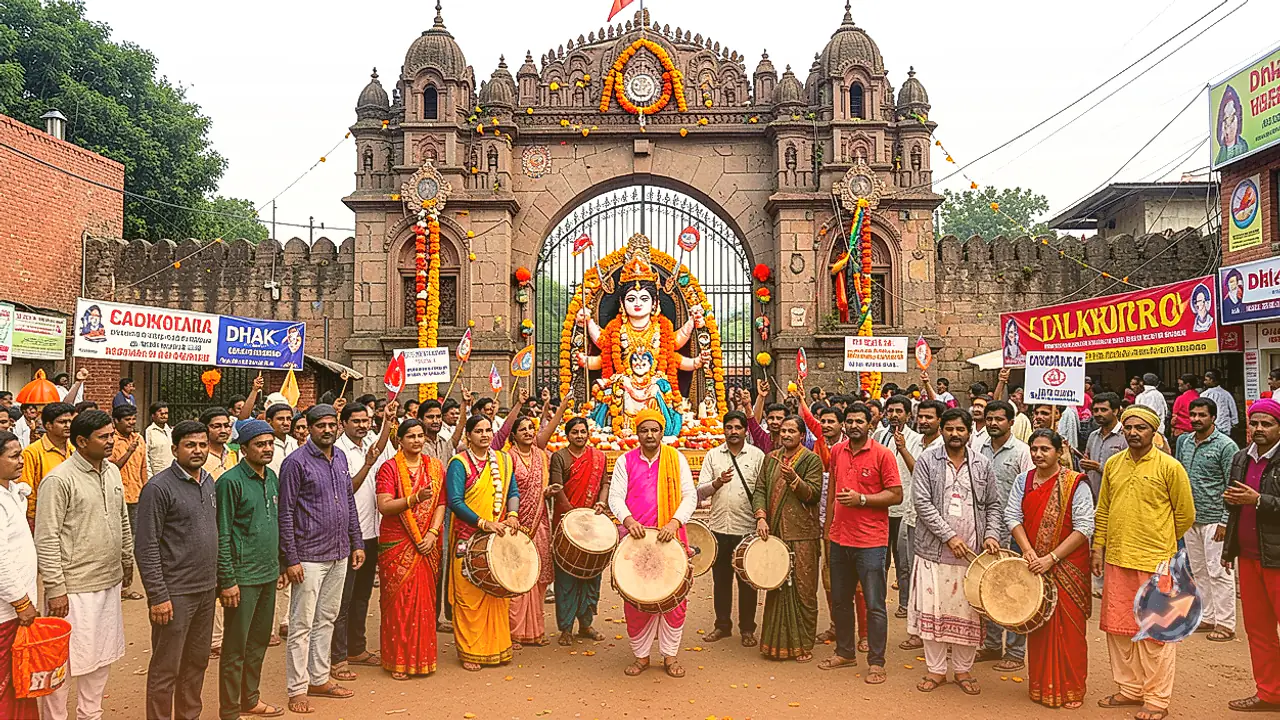
The celebrations on the morning of August 11 will begin with a ceremonial holy bath (Abhishekam) and Panchamrit ritual for Lord Ganesha. Following the elaborate decoration of the deity, a special Maha Aarti will be conducted to invoke blessings for national prosperity and unity. Once the religious proceedings conclude, the national flag will be unfurled within the temple premises, accompanied by the chanting of the national anthem by gathered devotees and residents.
A dedicated worship ceremony for Bharat Mata will also take place, alongside a solemn tribute honoring the martyrs and freedom fighters who sacrificed their lives during the independence movement. The event will feature performances of patriotic songs, cultural programs by local artists, and the distribution of holy Prasad to all attendees.
Historical Connection with Lokmanya Tilak and Panchang Calculations
The custom of celebrating national events based on lunar Tithis traces back to a significant historical episode during India's freedom struggle. According to Pt. Akshay Vyas, Lokmanya Bal Gangadhar Tilak had requested the renowned astrologer Pt. Narayan Vyas during a conference in Pune to compute the most auspicious astrological timing for declaring India's independence. After detailed Panchang calculations, Pt. Narayan Vyas identified Sravana Krishna Paksha Chaturdashi as the most propitious moment.
When India attained independence on August 15, 1947, it coincided precisely with this calculated Vedic date. A similar astrological evaluation led to selecting Magha Shukla Ashtami Tithi for enacting the Constitution of India, which fell on January 26, 1950 in the English calendar. The Bada Ganesh Temple continues to preserve this unique heritage through its annual observances.