




















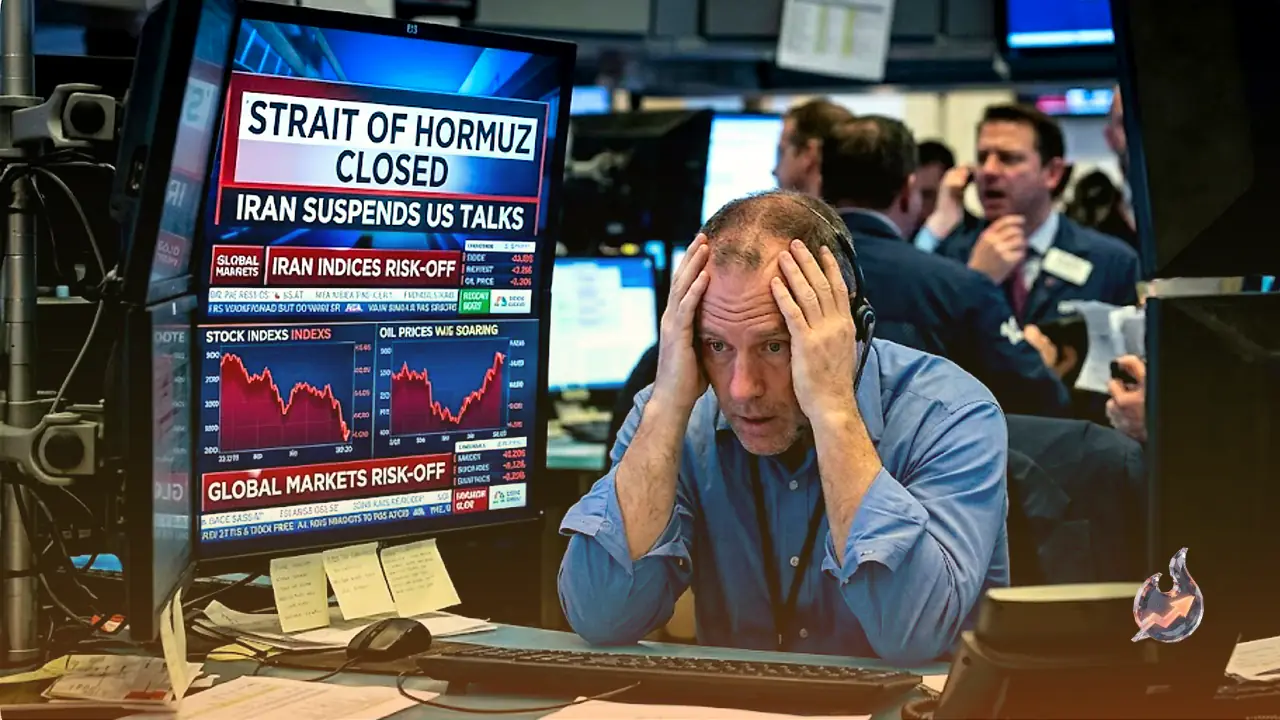

Iran Walks Away from Swiss Negotiations
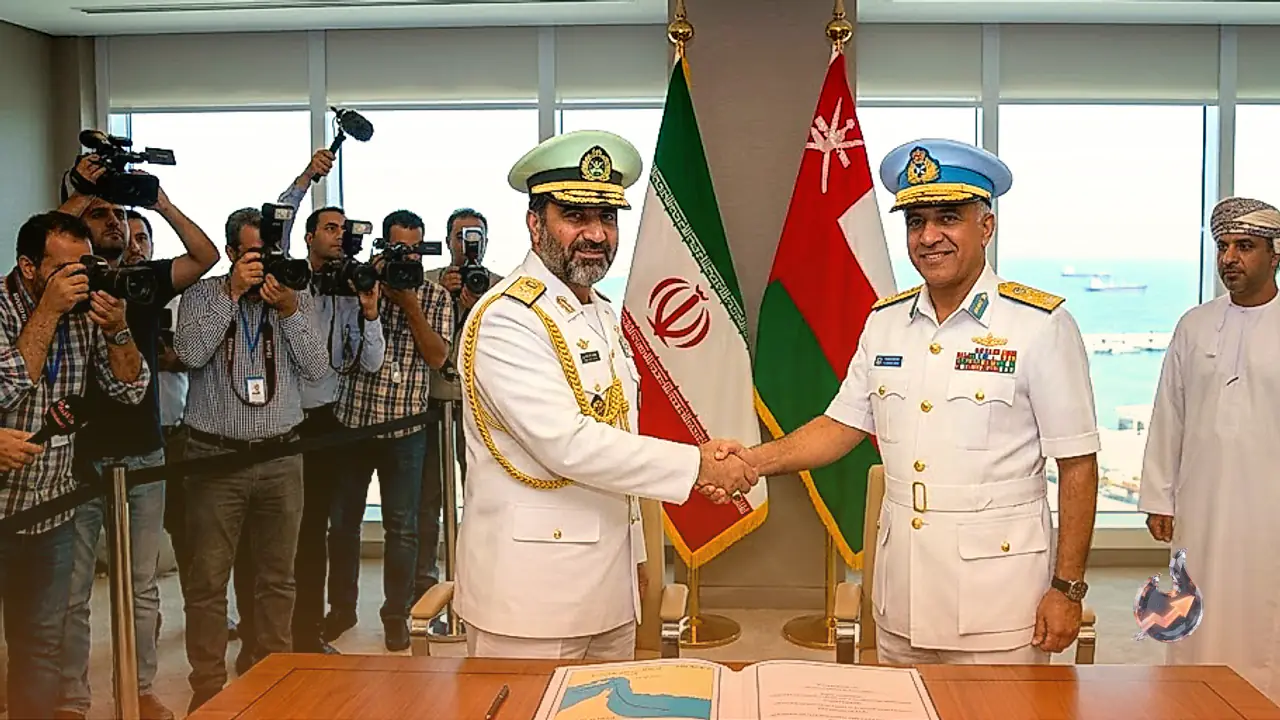
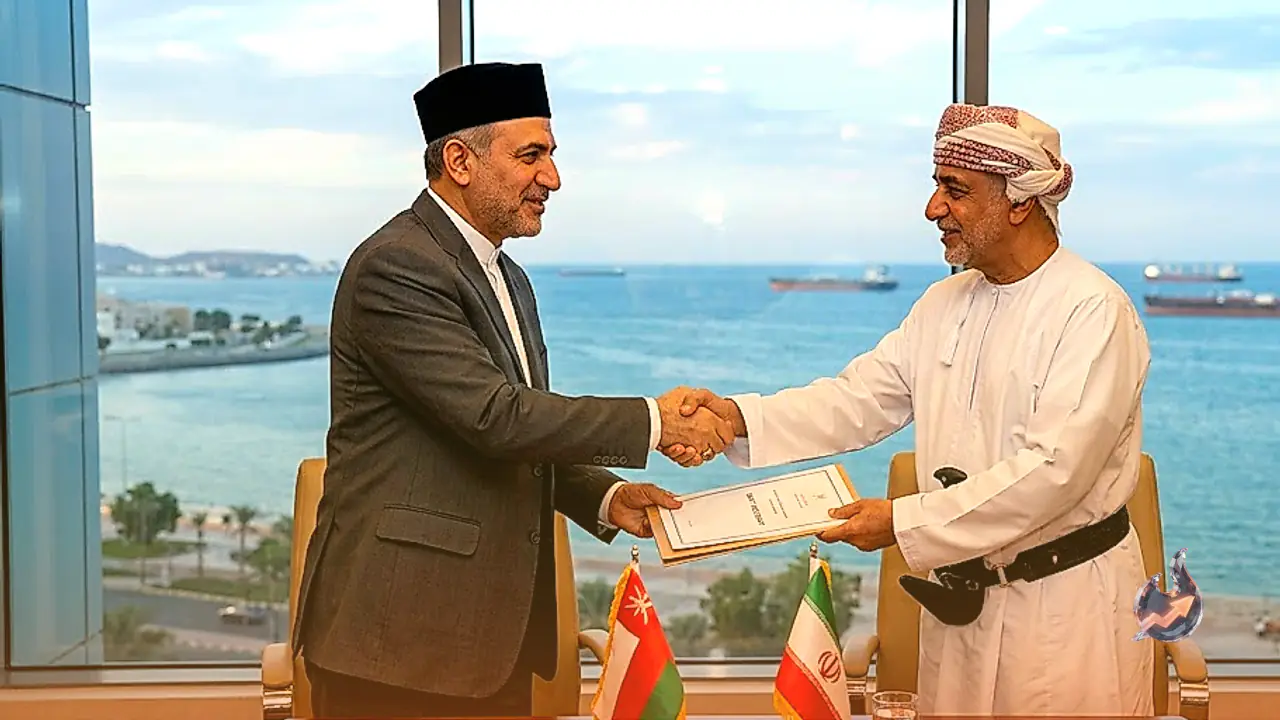
Diplomatic efforts to manage one of the most consequential geopolitical standoffs in recent years have hit a serious obstacle: Iranian negotiators have suspended high-stakes talks with the United States that were taking place in Switzerland. The breakdown follows Iran's dramatic decision on Saturday to close the Strait of Hormuz, a critical chokepoint for global oil shipments, in direct response to Israeli military strikes on Lebanon.
Risk-Off Flows Dominate Monday's Market Open
The double shock of collapsed diplomacy and a blocked strait sent investors rushing toward safety at the weekly open on Monday. US S&P 500 futures, widely tracked as a barometer of investor risk appetite, slipped 0.30%. With US-Iran tensions running high, both the US Dollar Index (DXY) and WTI crude oil are expected to attract renewed demand from buyers seeking shelter from the uncertainty.
Risk-On and Risk-Off Explained
Two terms dominate financial market commentary whenever global tensions spike: risk-on and risk-off. They describe how willing investors are to accept uncertainty in pursuit of returns at any given moment. In a risk-on environment, confidence in the economic outlook is high, so investors reach for equities, most commodities, and cryptocurrencies. In a risk-off environment, caution takes over and capital flows toward assets considered safer, even if the returns they offer are modest.
A typical risk-on period sees stock markets climb, most commodities appreciate on expectations of stronger economic demand, and the currencies of nations whose economies are built on commodity exports strengthen. The Australian Dollar (AUD), the Canadian Dollar (CAD), the New Zealand Dollar (NZD), and minor currencies including the Russian Ruble (RUB) and the South African Rand (ZAR) all tend to gain in these conditions, because investors anticipate greater demand for raw materials as economic activity picks up.
Risk-off periods tell a very different story. Government bonds, especially those issued by the world's major economies, rally strongly. Gold shines. And three currencies stand out as havens: the US Dollar (USD), the Japanese Yen (JPY), and the Swiss Franc (CHF). The Dollar benefits from its status as the world's reserve currency and from the perception that US government debt carries near-zero default risk given the size of the American economy. The Yen gains because Japanese government bonds are predominantly held by domestic investors who historically do not sell even during periods of severe stress. The Swiss Franc draws strength from Switzerland's stringent banking laws, which offer investors an extra layer of capital protection.
Where Key Currency Pairs Stand
GBP/USD found a floor near 1.3160 and managed to claw back ground, reclaiming the 1.3200 mark and moving beyond it by the close of the week. Better-than-expected UK retail sales data gave the British Pound a helping hand and helped limit its losses, though a chaotic domestic political environment in the United Kingdom kept more determined bulls at bay for now.
EUR/USD staged a modest recovery after sliding to a three-month low below 1.1420 at the end of the week, settling into a narrow band just above 1.1460. Growing uncertainty about whether the next round of US-Iran negotiations will take place at all continued to keep a floor under the US Dollar, capping the euro's upside despite the rebound.
Gold Falls for a Third Consecutive Session
Gold retreated on Friday for the third day in a row, steadily eroding the gains accumulated in the first half of the week and drawing closer to the significant $4,100 per troy ounce threshold. Two forces kept the precious metal under pressure: the Federal Reserve's ongoing hawkish stance on monetary policy and the fresh cloud of uncertainty hanging over the future of US-Iran diplomatic engagement.
US Economy Proves Remarkably Resilient Four Months into the Iran War
Nearly four months have elapsed since the start of the Iran war, and the United States economy has held up in ways that have surprised many observers. The initial phase of the conflict sent severe shockwaves through global energy markets and drove oil prices sharply higher. But more recent diplomatic movement between Washington and Tehran has helped ease concerns that a prolonged supply disruption was inevitable.
Fed Holds Rates, but Kevin Warsh's Press Conference Was the Real Story
The Federal Open Market Committee (FOMC) left its benchmark interest rate unchanged at 3.50% to 3.75% for the fourth consecutive meeting, landing exactly where markets had priced it to. The rate decision itself, however, was arguably the least consequential part of the day. Kevin Warsh, presiding over his first FOMC meeting as the new chair, used his debut press conference to begin dismantling the forward-guidance machinery that financial markets had leaned on for the better part of a decade.