
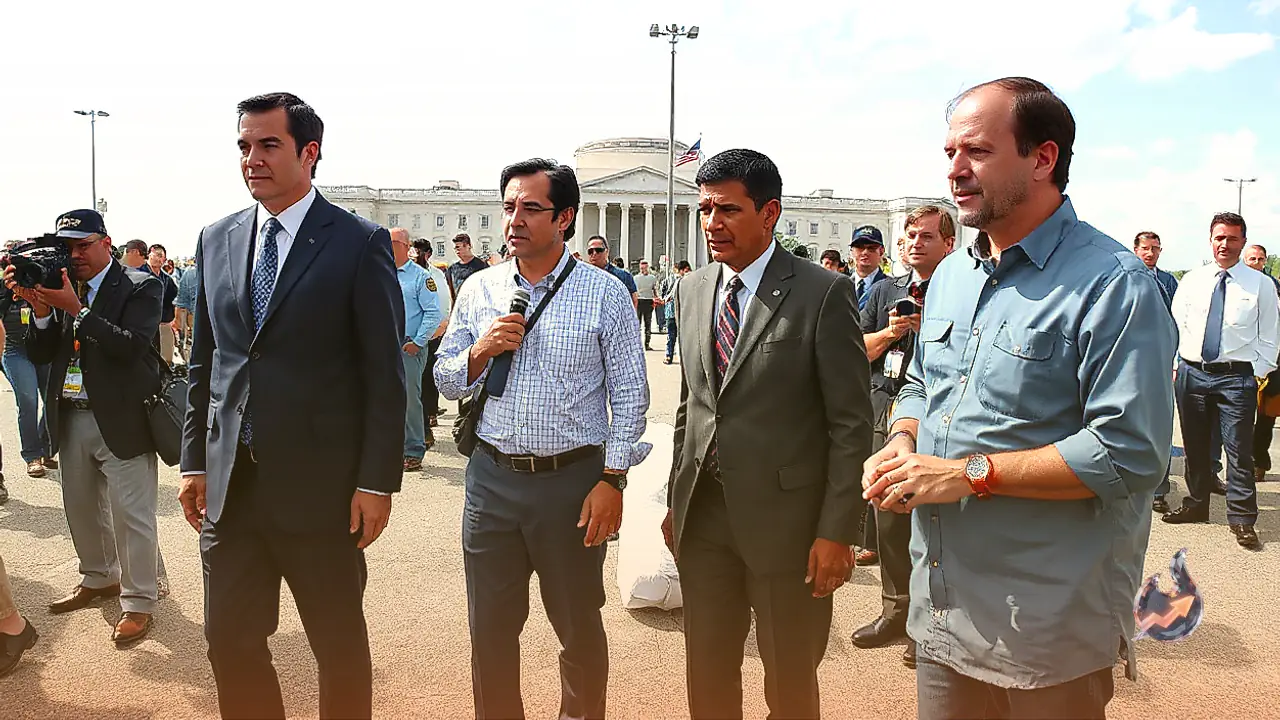

















US Secretary of State Marco Rubio has addressed the controversy surrounding Flavio Bolsonaro's sudden departure from Brazil, stating that the Trump administration did not facilitate his travel to the United States. Speaking during diplomatic gatherings in Atlanta, Rubio emphasized that Washington was not involved in organizing the journey and only learned about the arrival after Bolsonaro landed in Miami on Wednesday following an election defeat.
Rubio Outlines Entry Decision and Visa Status
Addressing reporters during the diplomatic meetings in Atlanta, Rubio rejected claims of active American involvement in the logistics of the trip, stating, "We didnt facilitate anything." The Secretary of State clarified that Flavio Bolsonaro was already in possession of a valid visa before boarding his flight. According to Rubio, officials did not take part in any direct logistical steps concerning the movement across borders.
While the State Department had noted on Tuesday that Flavio Bolsonaro and his family members will be provided US visas, Rubio pointed out that President Donald Trump made the executive choice to allow Bolsonaro to enter the United States. Rubio maintained that American authorities remained entirely separate from the personal travel decisions made by the Brazilian politician.
Diplomatic Engagement with Brazil Remains Active
Despite the sensitive political backdrop, bilateral communications between Washington and Brasilia have continued without disruption. Rubio noted that formal interactions with Brazilian counterparts proceeded alongside the sessions in Atlanta. Brazil's foreign minister, Mauro Vieira, was present in Atlanta on Friday and Saturday, engaging with fellow diplomats.
The diplomatic calendar between the two countries shows further engagement scheduled in Europe. Rubio mentioned that talks involving Brazilian representatives are set to resume in France, which is hosting an international meeting of foreign ministers in November, offering an established platform for continuing diplomatic discussions.
Contested Results and Expanding Legal Investigations
The 45-year-old senator from Rio de Janeiro left Brazil after losing a tightly contested presidential race to Brazilian President Luiz Inacio Lula da Silva. The outcome broke from a recent trend of conservative political victories observed across Latin America. Following the vote, Bolsonaro refused to concede, alleging election fraud without presenting supporting evidence before heading to Florida.
In Brazil, Bolsonaro is the subject of active investigations concerning allegations of corruption, money laundering, and tax evasion. Law enforcement authorities had determined that he posed a potential flight risk and previously instructed him to surrender his passport. Despite those ongoing legal proceedings, Bolsonaro, who had received tacit support from President Donald Trump during his campaign, managed to travel directly to Miami.
Claims of Persecution and Echoes of Family Past
Bolsonaro has consistently argued that the multiple investigations against him represent targeted action by political adversaries. His legislative status is also set to change soon, as he will officially lose his seat in the Senate when the new legislative session in Brazil commences on Feb. 1. He repeated these allegations of persecution during an Instagram livestream broadcast on Friday following his arrival in the United States.
In a formal letter released on Wednesday, Bolsonaro initially designated himself as Brazil's true president-elect before amending the text to refer to himself simply as leader. Within the message, he drew comparisons between his situation and historical leaders, explicitly referencing Charles de Gaulle, who directed the French resistance from London throughout World War II. The standoff mirrors earlier events surrounding his father, former President Jair Bolsonaro, who similarly challenged his 2022 loss to Lula and is currently serving a 27-year sentence for attempting a coup.