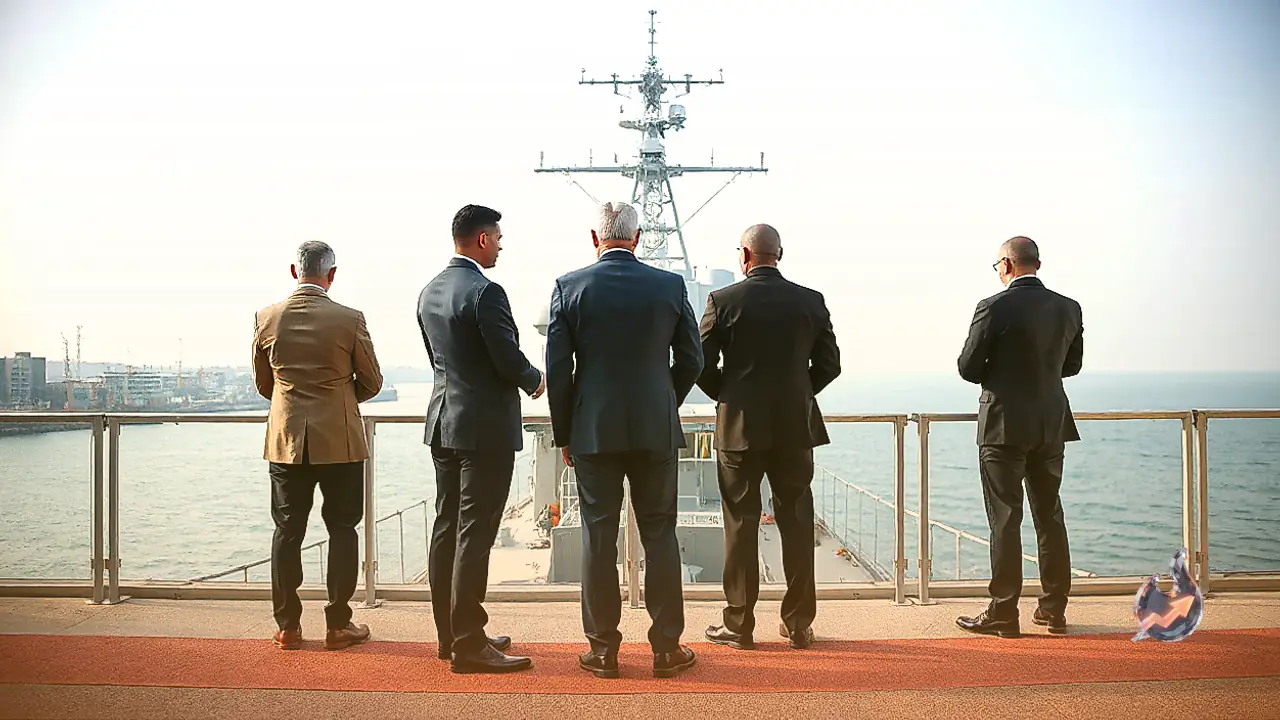

















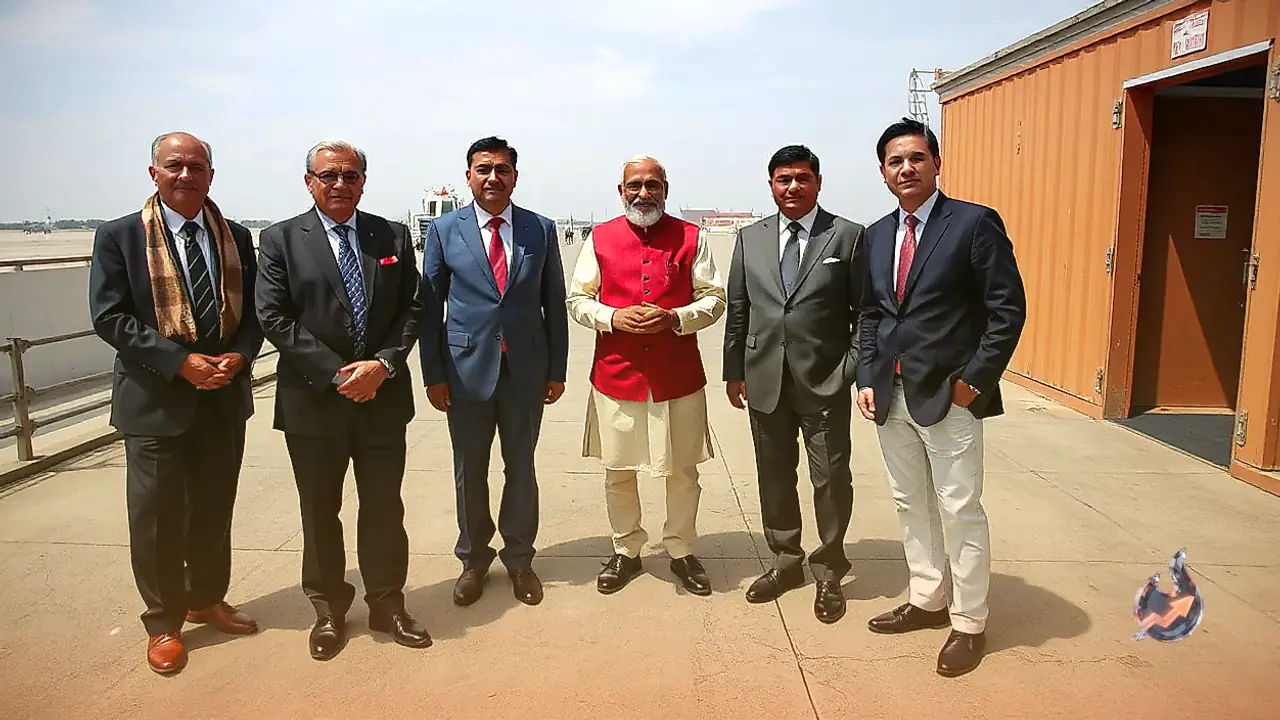

Foreign ministers representing the Quad member countries gathered in Atlanta on Saturday to address pressing international security concerns and economic stability. The ministerial meeting brought together representatives from India, the United States, Japan, and Australia, with External Affairs Minister S. Jaishankar representing the Indian delegation. During the discussions, the Quad partners formally recognized and commended India for stepping forward as the first responder during the recent catastrophic flooding in Nepal. India dispatched vital search-and-rescue equipment along with essential financial assistance to support emergency operations. The forum also reviewed mounting instability across West Asia, safety risks along critical maritime transit passages, and structural threats to international commerce.
India Recognized for Leading Humanitarian Disaster Response
In a joint communique released following the diplomatic talks, the four nations noted India's central role in managing the aftermath of the devastating disaster in Nepal. When severe floods struck the neighboring Himalayan country, Indian response teams promptly delivered heavy rescue gear, critical operational supplies, and economic relief funds to assist relief efforts. While acknowledging the collective assistance supplied by all four Quad partners to Nepal, the group specifically emphasized India's readiness to assist its immediate neighbors during acute humanitarian crises. This recognition underscores the strategic role of reliable neighborhood assistance in addressing sudden environmental disasters across South Asia.
Countering Unfair Economic Pressures and Trade Distortion
Without pointing directly to any individual country, the foreign ministers expressed serious reservations regarding coercive economic strategies that undermine fair market dynamics. The joint declaration cautioned that arbitrary export curbs, state-driven market distortions, and non-transparent commercial policies are actively degrading international supply networks. A primary area of concern centered on industrial overcapacity in key sectors, where excessive production disrupts global distribution systems. The Quad underlined that true international peace and sustainable prosperity depend heavily on economic resilience, renewing their commitment to building open, diversified, and transparent global supply chains alongside durable infrastructure.
Safeguarding Vital Choke Points and Merchant Mariners
Amid escalating geopolitical friction across West Asia, the ministerial talks underscored the imperative of keeping the Strait of Hormuz, the Red Sea, and the Bab-el-Mandeb Strait fully open and protected. The member nations emphasized that unhindered commercial transit through these congested sea lanes remains indispensable for global energy flows and maritime trade. The ministers called for rigorous protections for civilian cargo ships and merchant mariners navigating these dangerous waters. Furthermore, the joint text insisted that vessels passing through these international channels must enjoy the freedom of navigation without the imposition of arbitrary maritime transit tolls, in strict accordance with the United Nations Convention on the Law of the Sea (UNCLOS).
Securing an Open Indo-Pacific and Critical Strategic Assets
Detailing India's strategic perspective after the deliberations, External Affairs Minister S. Jaishankar reaffirmed the Quad's collective objective to preserve stability, cultivate broad prosperity, and uphold the strategic autonomy of nations across the Indo-Pacific. He stated that regional partners must remain free to make independent sovereign decisions without coercive external interference. Jaishankar stressed the urgency of creating dependable supply lines for critical minerals, cutting-edge technologies, and clean energy inputs. In addition, he emphasized ongoing collaborative work in countering terrorism, advancing maritime domain awareness, and strengthening sovereign capabilities to preserve long-term regional equilibrium.
Jaishankar Details Diplomatic Timeline on Social Media
Sharing key outcomes of the summit on social media platform X, Jaishankar noted that the Atlanta session marked the third ministerial-level Quad meeting convened during the current year. Previous high-level ministerial discussions had already taken place earlier in New Delhi and Manila. He reiterated that the Quad remains committed to advancing stability, economic growth, and sovereign decision-making freedom across the wider Indo-Pacific theater. Jaishankar highlighted that coordinated measures to secure critical mineral supplies, strengthen technology ecosystems, and reinforce energy systems form the core of ongoing diplomatic engagements.
Raising Maritime Choke Point Concerns at the G20 Forum
The strategic maritime themes echoed Jaishankar's remarks delivered just a day earlier during Friday's G20 Foreign Ministers meeting, where he sounded an alarm over persistent attacks aimed at civilian merchant vessels and their crews. He underscored that maritime disruptions not only jeopardize navigation rights but also impose severe financial consequences on the global economy. Jaishankar pointed out that developing nations across the Global South suffer the most acute impact from these trade route bottlenecks, as heightened shipping risks escalate transit costs, distort supply predictability, and inflate the prices of basic fuel, fertilizers, and essential food commodities.