





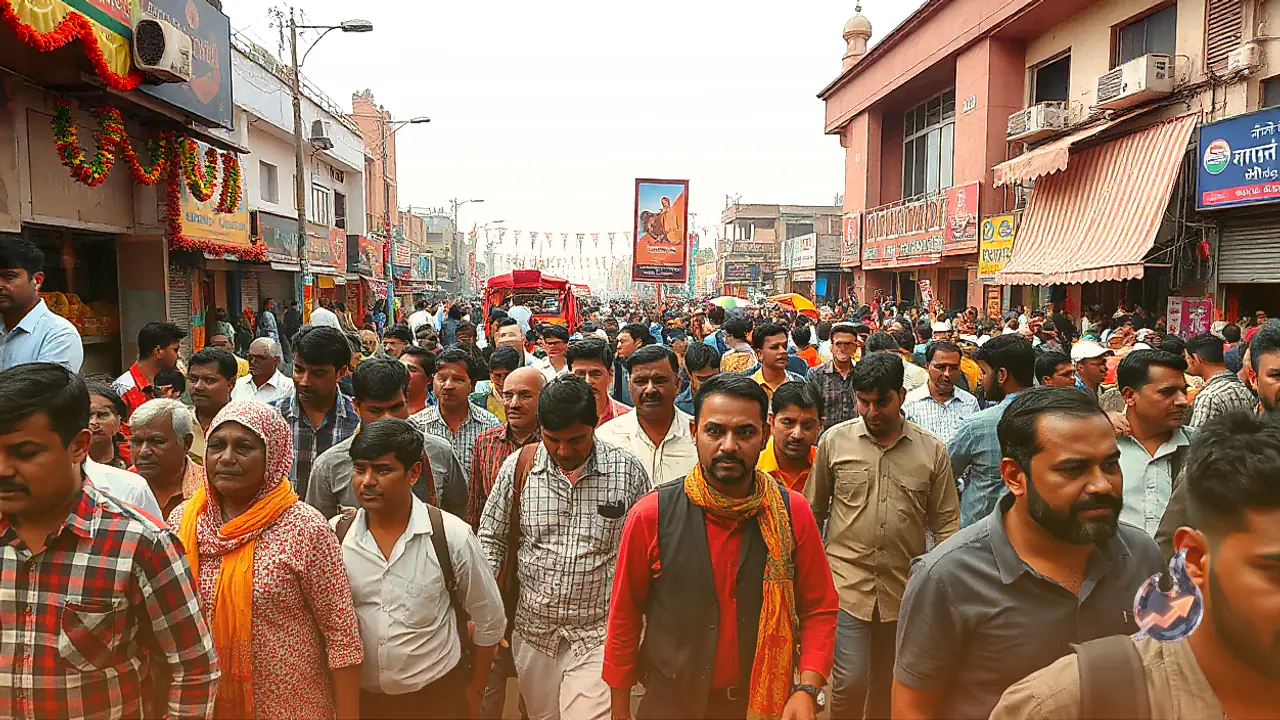














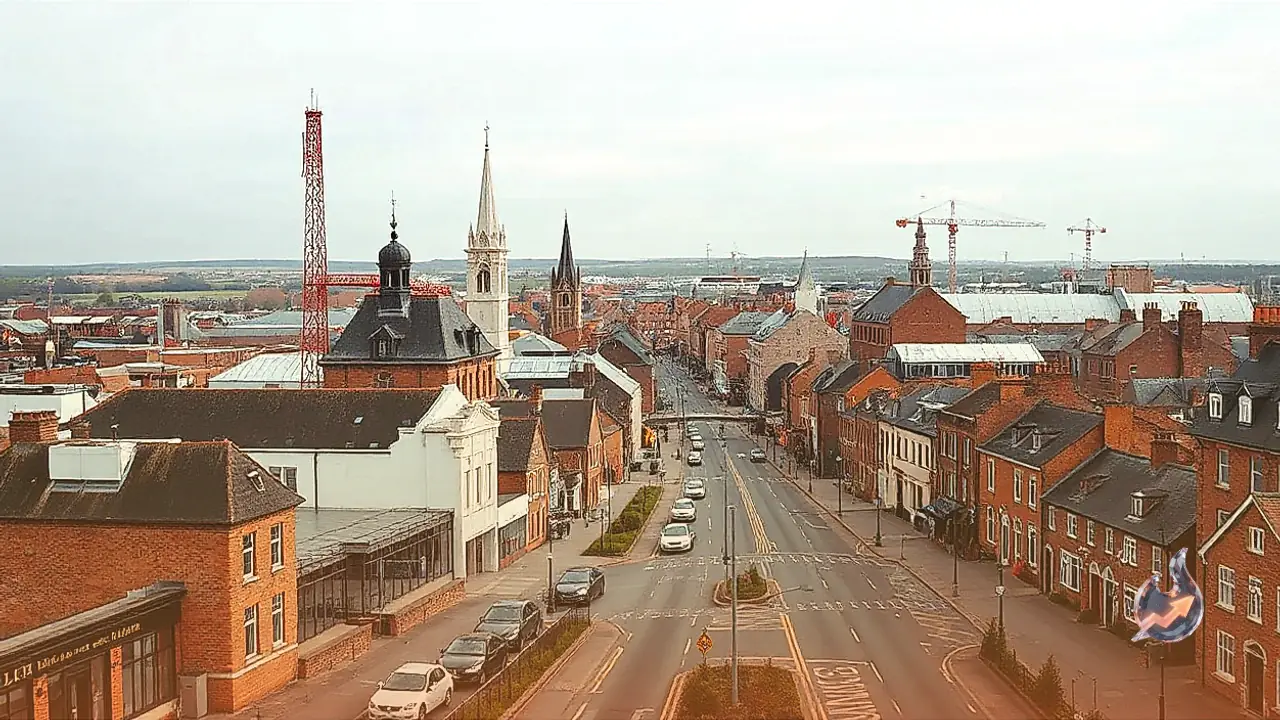

Across India today, the rapid growth of satellite extensions such as Greater Noida, Greater Faridabad, and Navi Mumbai reflects a crucial phase of urban evolution. Whenever an existing city core finds its traditional boundaries and civil infrastructure overwhelmed by surging populations, the concept of a greater city comes into play. In the history of modern town planning, the pioneering effort to expand administrative borders and build unified municipal infrastructure on a massive scale took place in the United States at the close of the nineteenth century.
The Historic Emergence of the City of Greater New York in 1898
New York became the first metropolis in the world to formally implement the greater city concept. On January 1, 1898, the unified entity known as the City of Greater New York was established. Prior to this historic consolidation, the land area of New York spanned just 60 square miles. By merging multiple surrounding municipalities, towns, and independent administrative units into a single consolidated urban entity, the metropolitan territory expanded sixfold to 360 square miles. The strategic consolidation was aimed far beyond mere territorial expansion; it was designed to establish unified transit systems, long-term drinking water supply, enhanced port operations, unified policing, and efficient civic governance.
Five Key Regions Consolidated into One Global Metropolis
The creation of Greater New York brought together five distinct regional entities into an overarching urban framework. The newly formed metropolis integrated Manhattan, Brooklyn, the Bronx, Queens, and Staten Island. This restructuring placed these previously fragmented boroughs under a singular administrative umbrella to ensure coordinated long-term growth. Decades later, Britain followed a comparable trajectory to restructure its own sprawling capital. On April 1, 1965, the foundation of Greater London was laid, absorbing numerous peripheral districts and suburban counties into a cohesive metropolitan jurisdiction.
Six Strategic Pillars That Drove the Expansion
To transform the expanded territory into an interconnected economic powerhouse, civic authorities focused comprehensive development across six essential infrastructure domains
- Road and Bridge Networks: Connecting Manhattan with Brooklyn and surrounding territories required monumental engineering works. Three landmark suspension bridges were constructed in rapid succession: the Williamsburg Bridge opened in 1903, followed by the opening of both the Manhattan Bridge and the Queensboro Bridge in 1909.
- Underground Rapid Transit: To facilitate daily commuting between outlying residential sectors and commercial hubs, New York launched its first modern underground subway line in 1904. The underground transit grid enabled millions of workers to move seamlessly across the burgeoning boroughs.
- Water Supply Infrastructure: Meeting the daily demands of a soaring population necessitated massive civic engineering. Massive reservoirs and aqueduct systems were engineered, culminating in 1915 when freshwater was successfully transported from distant mountain watersheds directly into the city.
- Port Modernisation and Trade: Strengthening economic logistics was vital to the consolidation plan. New York Harbor underwent extensive modernisation, streamlining vessel navigation, cargo handling, and maritime commerce to support global trade routes.
- Parks and Civic Spaces: Urban planners balanced industrial density with public well-being by expanding green corridors. While Central Park had already been established, numerous regional parks and open recreational spaces were strategically developed across all five boroughs.
- Unified Administration and Taxation: Merging disparate townships necessitated a single, professionalised municipal administration. Law enforcement, municipal governance, and fiscal revenue systems were standardized to eliminate bureaucratic overlap and enhance civic order.
Blueprint for India's Rapidly Expanding Urban Corridors
The foundational principles established by Greater New York provide a pertinent framework for India as it manages its own urban boom. The nation's primary economic and administrative centers are actively executing similar regional consolidation strategies. In the National Capital Region, seamless transit links are integrating Delhi, Noida, Greater Noida, Ghaziabad, Gurugram, and Faridabad into a unified economic zone. Concurrently, the Mumbai Metropolitan Region continues its outward integration, synchronising infrastructure across Mumbai, Thane, Navi Mumbai, and Kalyan-Dombivli to build a modern, high-capacity urban agglomeration.