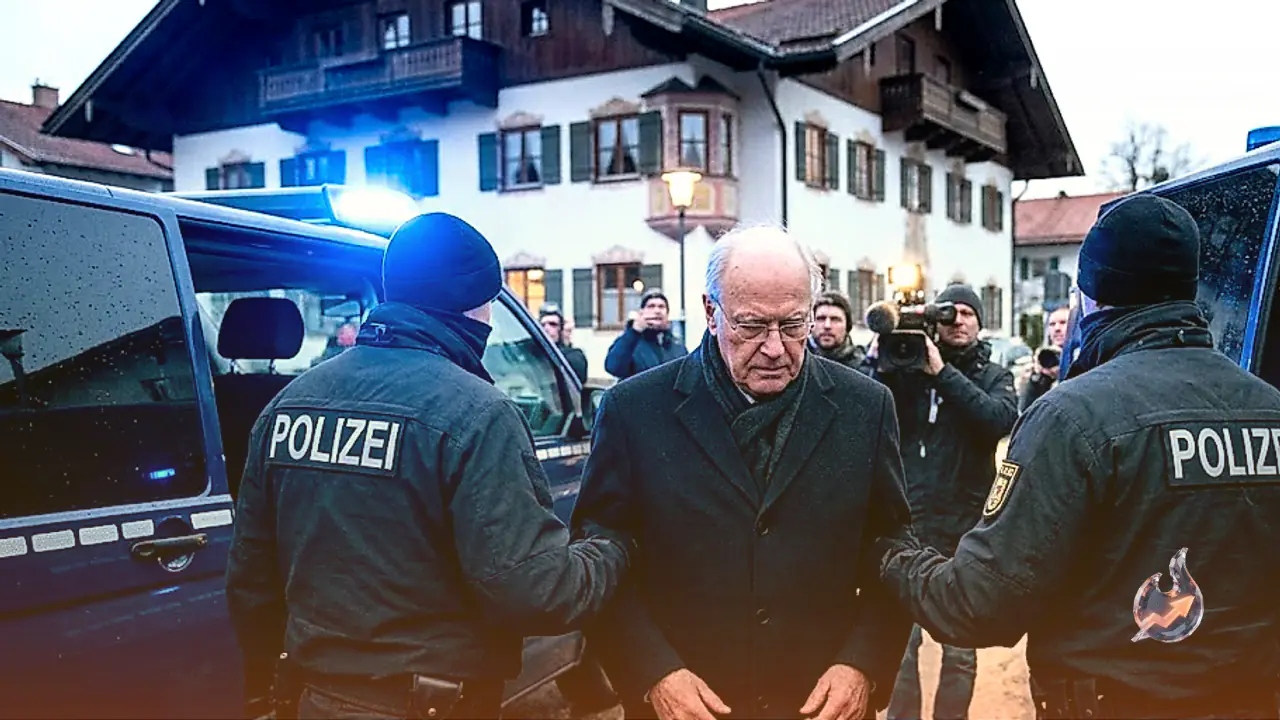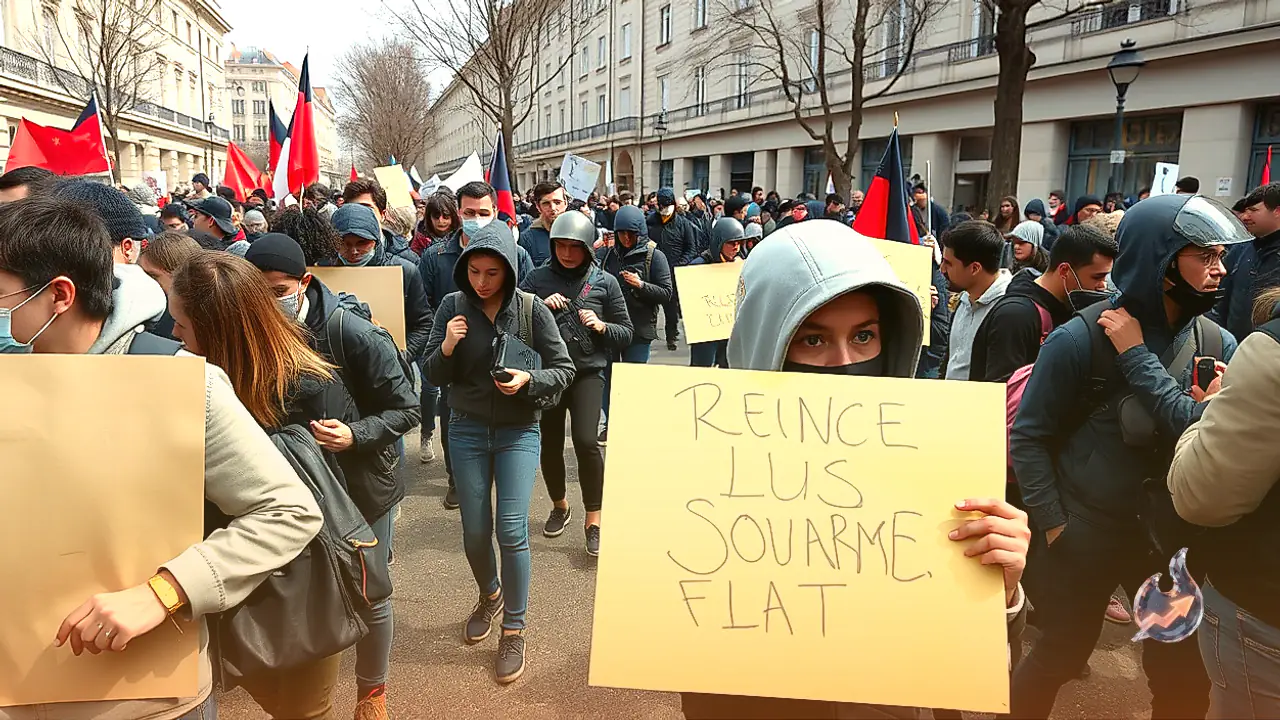






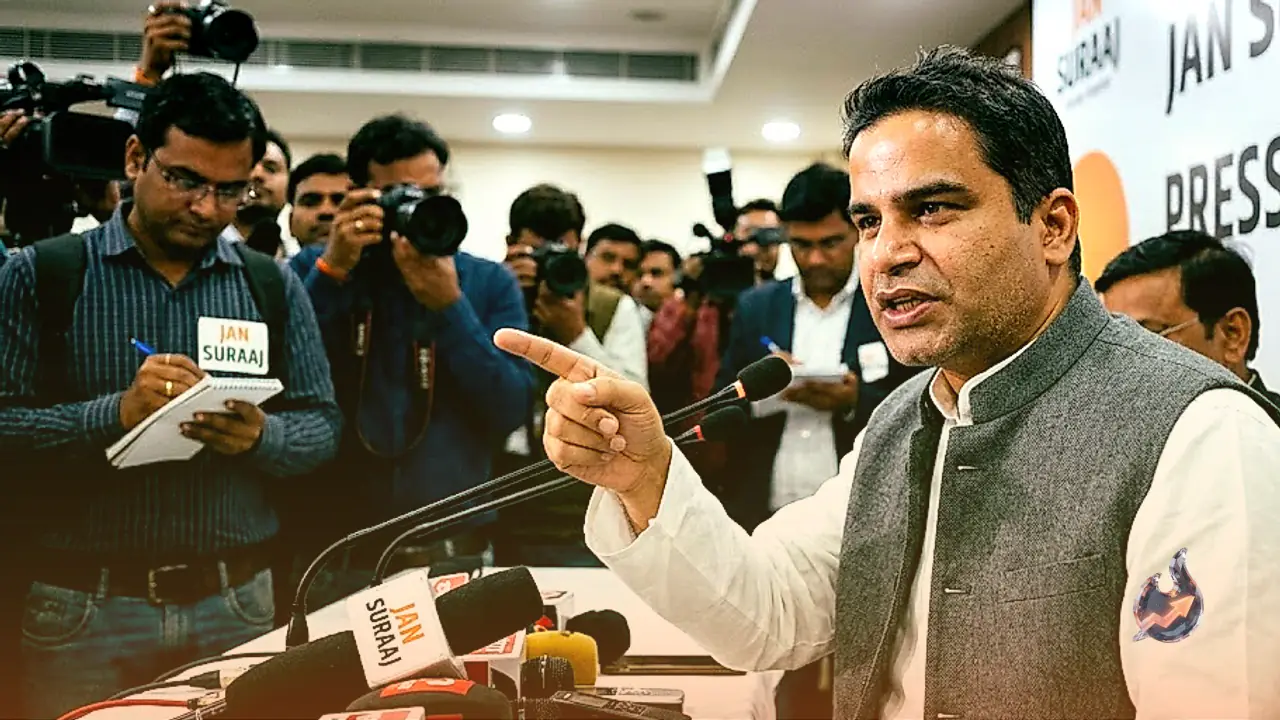














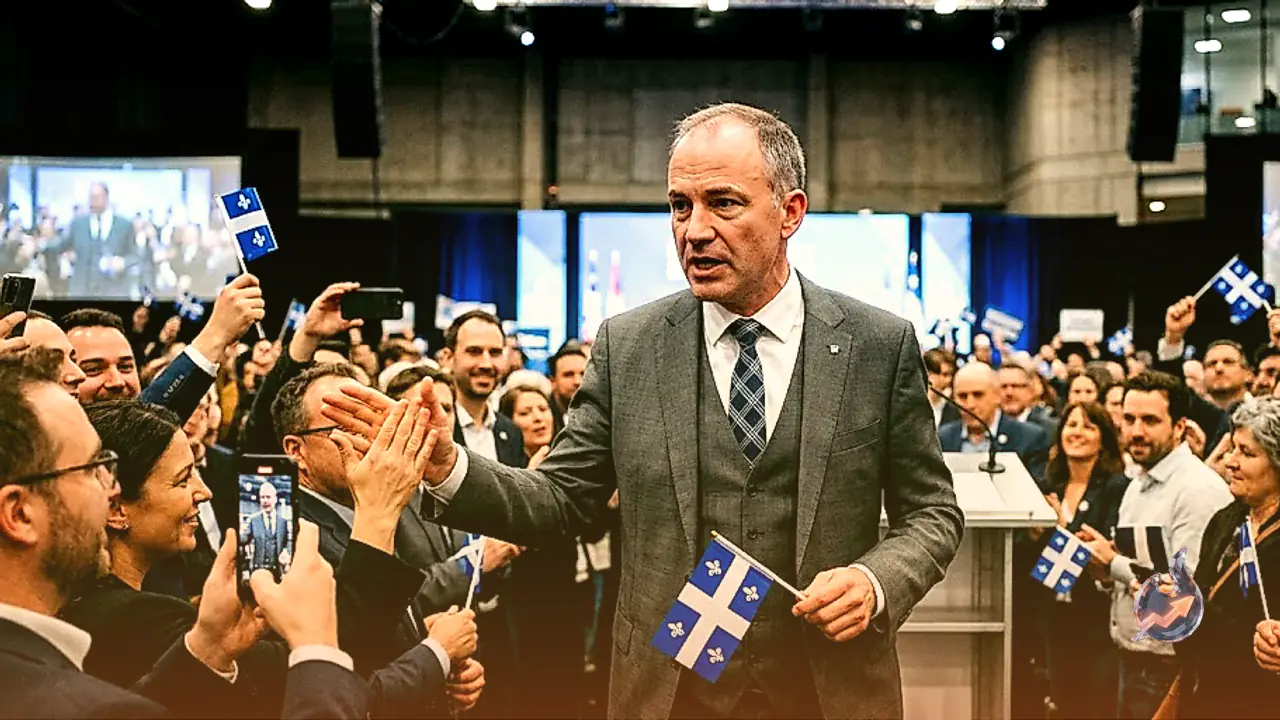

A major political upheaval has struck Canada as internal calls for national partition resurface with renewed vigor. In a historic outcome in the provincial election of Quebec, the country's prominent French-speaking province, the separatist Parti Québécois staged a decisive comeback by capturing victory. Led by Paul St-Pierre Plamondon, the party's electoral triumph has instantly revitalized the movement to sever Quebec from the rest of Canada to establish a sovereign nation. The development presents an ironic challenge for a nation that has frequently tolerated foreign separatist factions under the banner of free speech, as domestic territorial integrity now faces a formidable test from within.
Election Outcome and the Return of Parti Québécois
In the recently concluded provincial race, the Parti Québécois emerged as the single largest political force in the legislature. Although the party fell narrowly short of the 64-seat threshold required for an absolute majority, it is fully positioned to govern as a minority administration. This election marks the return of the Parti Québécois to power after an absence of more than ten years from the provincial helm. In stark contrast, the outgoing governing party, Coalition Avenir Québec, suffered a sweeping defeat at the ballot box as voters realigned behind the sovereignty agenda.
Historical Grievances and Quebec's Unique Linguistic Identity
The pursuit of independence in Quebec is rooted in centuries of cultural, linguistic, and constitutional confrontation. Quebec stands as Canada's sole predominantly French-speaking province, surrounded by an overwhelmingly English-speaking federation. The historical friction began in 1763, when Great Britain defeated France and assumed colonial authority over the territory. Ever since the British conquest, the French-descended populace has harbored deep resentment toward Anglo-centric governance, asserting that their cultural preservation requires distinct political sovereignty.
Citizens of Quebec have long maintained that their economic priorities, legal customs, and societal aspirations differ fundamentally from the rest of Canada, justifying total self-determination over their domestic and external affairs. This ideological rift reached a climax in 1982, when Canada patriated and adopted its modern Constitution. Quebec vehemently refused to sign or ratify the 1982 constitutional framework, arguing that the document failed to adequately enshrine its distinct identity and unique status as an autonomous founding society.
Sovereignty Blueprint and Historical Precedents of Referendums
Throughout the recent election campaign, party leader Paul St-Pierre Plamondon explicitly pledged to voters that securing power would lead directly to a public referendum on national independence from Canada. Following his electoral victory, Plamondon doubled down on that commitment in his post-election address, stating unequivocally that his administration would work toward restoring Quebec's sovereignty and securing ultimate independence for its people.
Quebec has previously held two official referendums on secession from Canada, first in 1980 and again in 1995. During both campaigns, proposals for sovereignty were narrowly rejected by razor-thin margins. With a dedicated separatist party once again governing the province after more than a decade, the constitutional architecture of the Canadian federation is poised for another intense confrontation over national separation.
Prime Minister Mark Carney Confronts Constitutional Strains
The election result delivers a severe administrative and political headache to Canada's central leadership and Prime Minister Mark Carney. As a distinct French-speaking jurisdiction, Quebec already exercises extensive autonomy over key policy portfolios, including regional taxation and immigration controls. With an unapologetically separatist administration now controlling the provincial apparatus, escalating frictions between the federal government in Ottawa and provincial authorities in Quebec City appear inevitable as national unity comes under sustained strain.
The Landscape of Khalistani Separatism in Canada
While Canadian federal authorities now face a domestic sovereignty battle, the country has also spent years grappling with foreign separatist factions operating from its soil, which has severely disrupted diplomatic ties with India. Canada hosts a sizable, prosperous, and influential Sikh diaspora. While the vast majority of this community lives ordinary, peaceful lives, a very small faction actively participates in Khalistan separatist campaigns aiming to carve out an independent state from India's Punjab region.
These separatist networks routinely stage demonstrations outside the Canadian Parliament, at prominent civic venues, and near Indian diplomatic missions. Among these entities, Sikhs for Justice operates as the most prominent organizer. The group conducts unofficial Khalistan referendums across Canadian cities such as Surrey and Toronto, urging members of the diaspora to vote in favor of secession from India.
Multiple public demonstrations organized by these outfits have featured anti-India slogans, effigies and floats mocking Indian leadership, and public posters targeting Indian diplomats. Furthermore, hardline separatist supporters have secured administrative control over the executive committees of several major gurdwaras, utilizing these platforms to propagate their ideological campaigns and raise financial resources.
Ottawa's Political Equivocation and Diplomatic Fracture with India
The Canadian government has consistently declined to prohibit Khalistani protests, defending them as protected expressions under constitutional guarantees of free speech. Political observers note that federal parties, including the Liberal Party and the New Democratic Party, remain hesitant to alienate key Sikh voting blocs within electorally critical constituencies. While Canada previously designated groups like Babbar Khalsa International and the International Sikh Youth Federation as terrorist entities following the catastrophic 1985 Air India Flight 182 Kanishka bombing, it has not placed direct bans on organizations operating under political and legal guises such as Sikhs for Justice.
In the digital era, Sikhs for Justice launched its Referendum 2020 campaign, drawing persistent official protests from India regarding the misuse of Canadian territory for anti-India subversive activities. Tensions reached a boiling point in June 2023, when Khalistani separatist Hardeep Singh Nijjar, whom India had formally designated as a terrorist, was shot and killed outside a gurdwara in Surrey, British Columbia. In September 2023, former Prime Minister Justin Trudeau alleged before the Canadian Parliament that credible intelligence linked Indian government agents to the fatal shooting, allegations that New Delhi rejected as absurd and politically motivated.
The aftermath of that accusation plunged bilateral relations between India and Canada to unprecedented historical lows. Both nations expelled senior diplomats, temporarily suspended regular visa processing, and witnessed deep institutional antagonism between security agencies. India has continually demanded that Ottawa take decisive enforcement action against organized crime syndicates and anti-India extremists utilizing Canadian soil, whereas Canada has defended its inaction on grounds of national sovereignty and freedom of speech. Now, with Quebec electing a government openly committed to dismantling Canada's own territorial union, the federal leadership faces the profound reality of managing secessionism on its own home front.