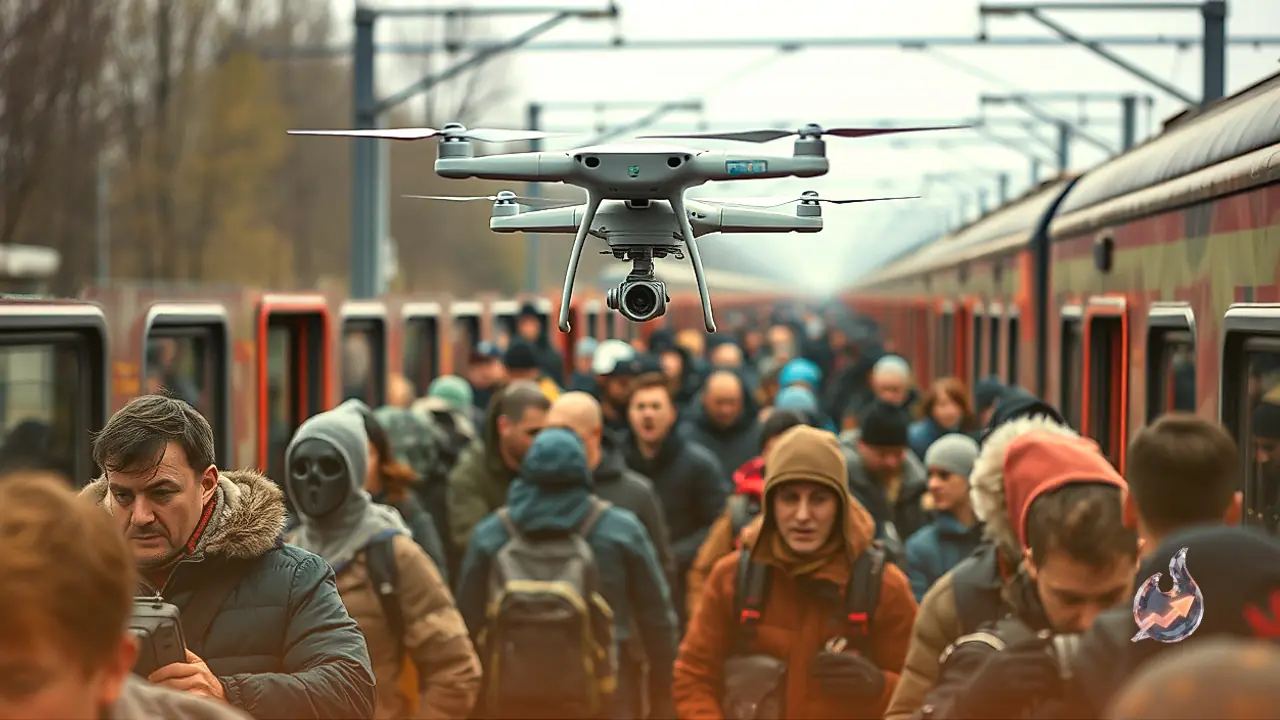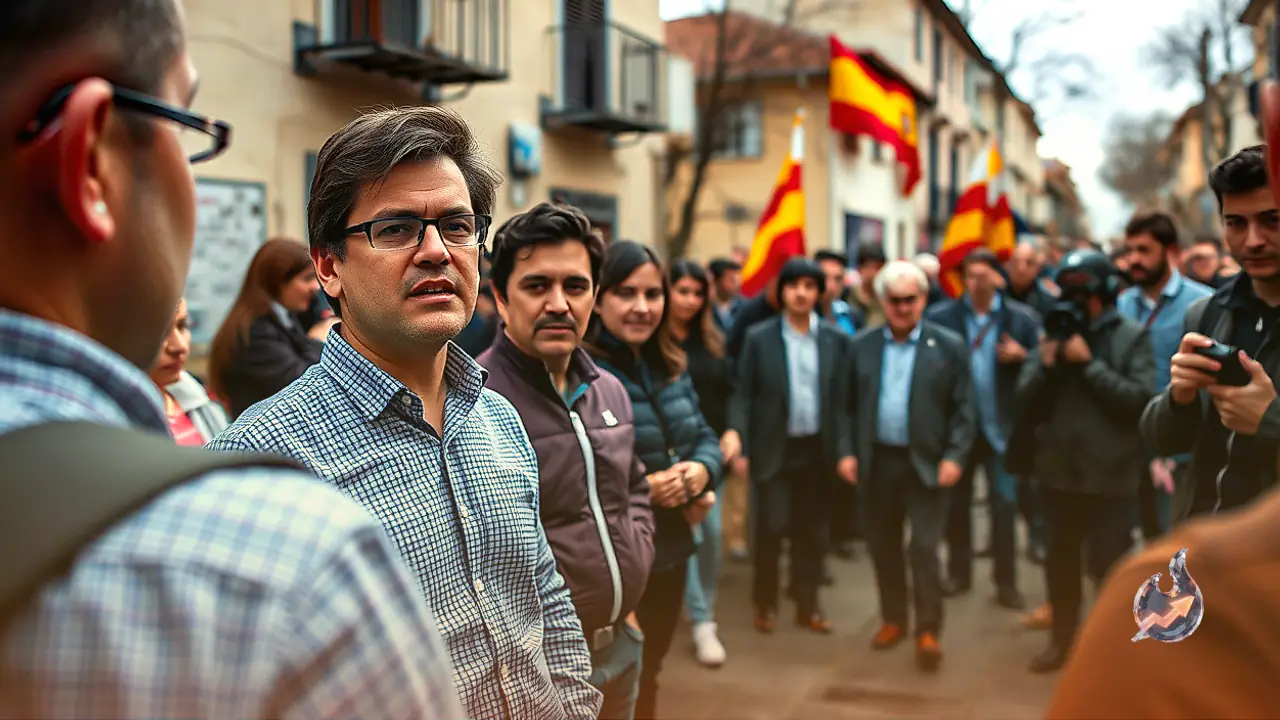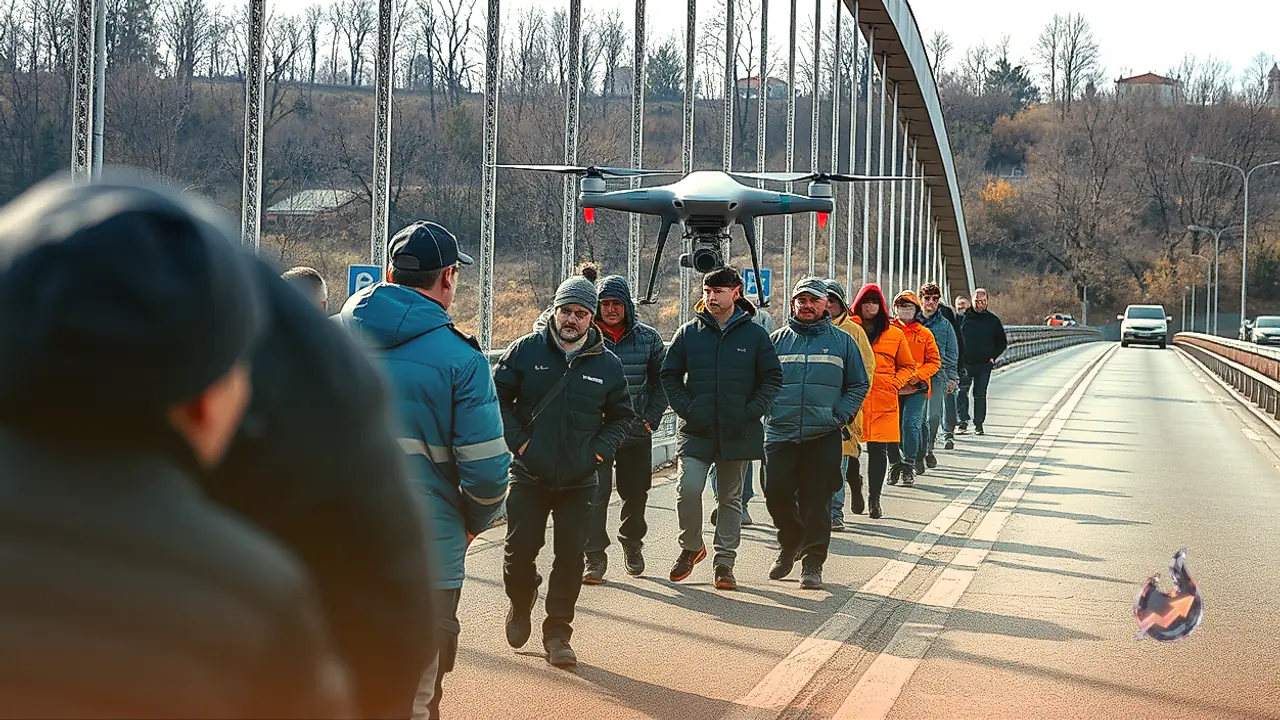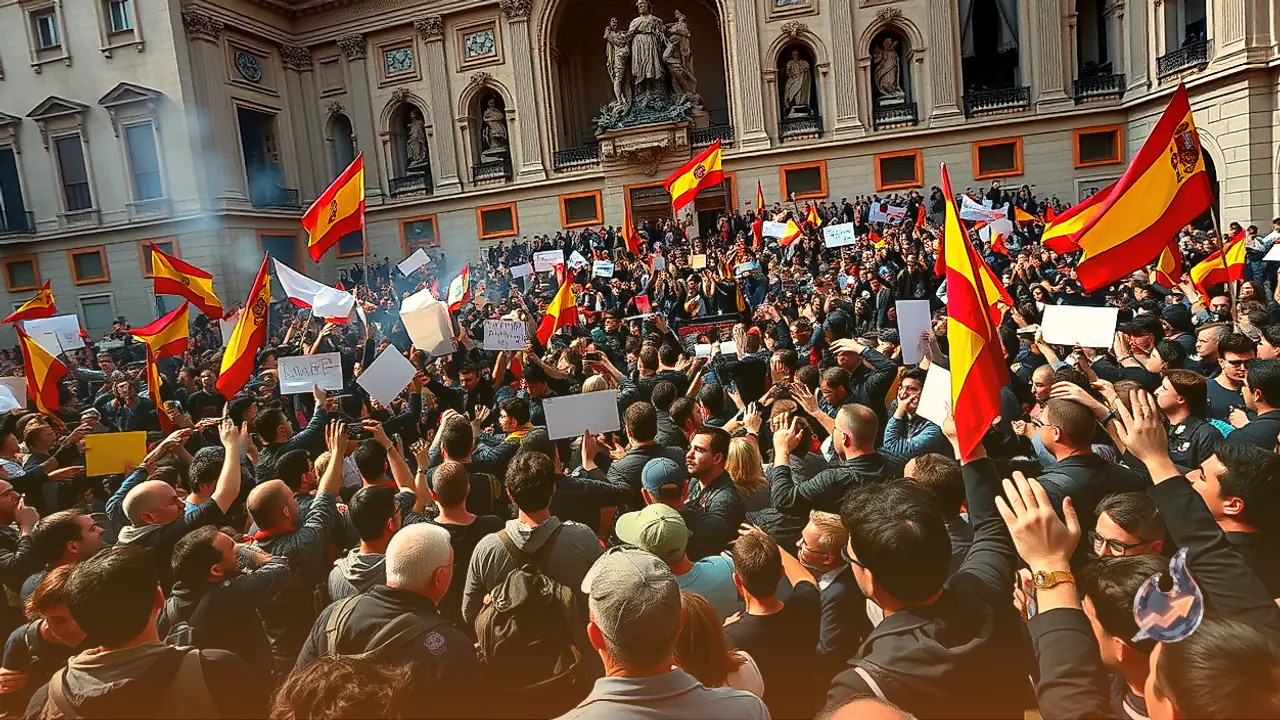





















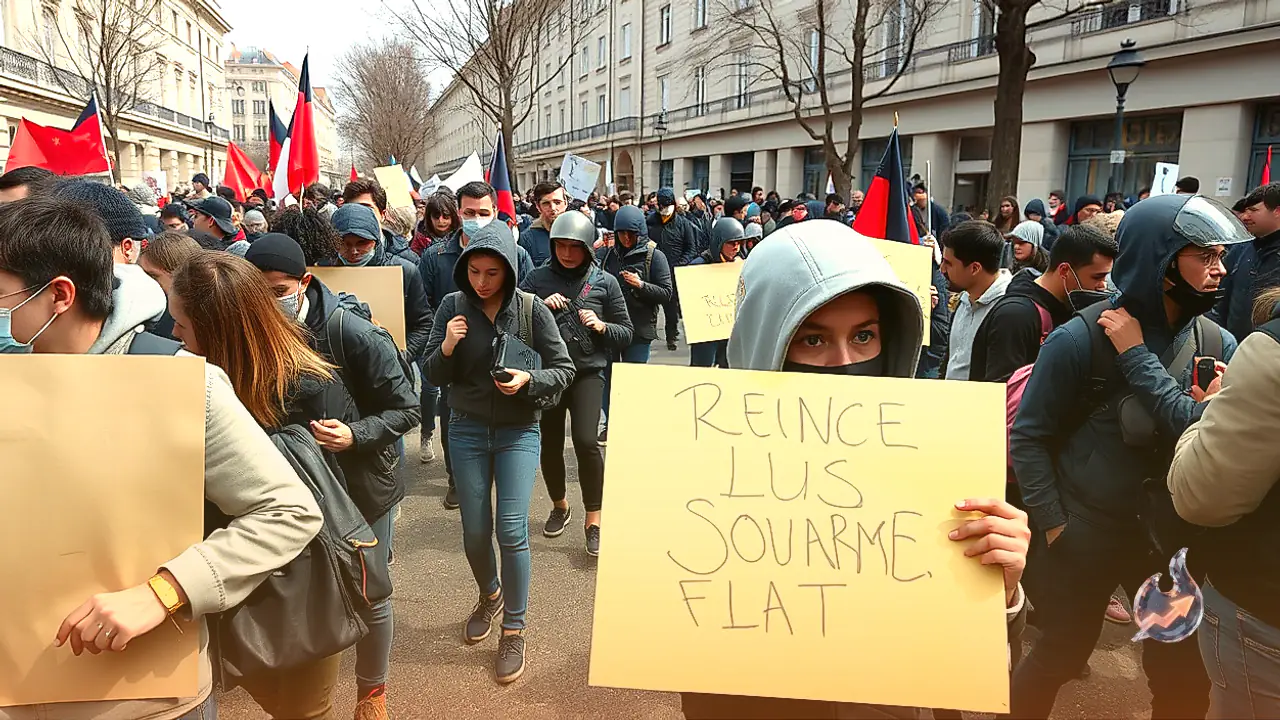

A sweeping wave of student demonstrations has paralyzed secondary and higher education across France, evolving from local walkouts into a major national crisis. What began as a push for increased state investment in neglected school infrastructure has gained powerful momentum as the country's foremost labor and teaching syndicates stepped into the fray. With hundreds of educational establishments barricaded, public life disrupted, and clashes breaking out between demonstrators and law enforcement, the standoff has rapidly escalated into one of the most volatile youth uprisings the republic has witnessed in decades.
Hundreds of Campuses Paralyzed Amid Mass Arrests
Educational authorities reported that more than 500 schools were forced into partial or total closure on Monday as students blocked access points. Barricades constructed from construction debris and ignited roadway materials appeared outside numerous facilities, including near Lycee Berthelot in Aubervilliers, where masked youths organized street actions. Over the preceding week of escalating friction, the human toll has mounted substantially on both sides: 215 young demonstrators have sustained injuries, alongside 715 police officers who were hurt while responding to civil disturbances. Law enforcement agencies have detained more than 6,000 individuals nationwide, underscoring the massive scale of the policing operation.
Severe Casualties and the Human Cost of Clashes
The intensity of the confrontations was marked by harrowing incidents in several towns. In the northern municipality of Lens, a student suffered severe trauma following conflicting accounts that suggested he had either handled a stun grenade discharged by riot units or had been standing immediately adjacent to its detonation. In another critical incident in Saint-Ouen-l'Aumone, 14-year-old student Eden sustained catastrophic head injuries after being struck by a tear gas grenade. Legal counsel for the teenager confirmed that he suffered a double jaw fracture requiring extensive, complex surgery. Speaking publicly on Monday, Eden's mother recounted the family's anguish, stating that her heart was completely shattered. She decried the situation as an appalling, violent, and horrific tragedy, stressing that children seeking decent conditions for their studies should never face such brutal physical outcomes.
Government Pledges Meet Deep Skepticism
Addressing the crisis, Minister of National Education Edouard Geffray conveyed his sympathies regarding the wounded students, emphasizing that pupil safety remains the administration's primary concern. Nevertheless, Geffray condemned what he categorized as extreme violence permeating the demonstrations. He asserted that the ministry had sought peaceful discussion rather than institutional blockades, alleging that ultra-violent elements had infiltrated the youth movement from its inception to carry out inexcusable acts. Louis Letoublon, vice president of the Les Lyceens student union, countered those assertions by stating that while the minister may have listened to their grievances, the government must now produce tangible action rather than mere rhetoric.
Broad Coalition of Unions Enters the Standoff
The student-led movement received substantial reinforcement as a coalition of national trade bodies, led by France's largest syndicate, the French Democratic Confederation of Labour (CFDT), urged young people to mobilize openly in Paris, Lyon, Marseille, and approximately 30 additional cities. To curb physical confrontations, adult allies, including parents and union representatives, formed protective cordons around marching teenagers wearing white armbands to act as a buffer against police lines. Furthermore, the premier teachers' union, SNES-FSU, instructed its personnel to participate actively in Tuesday's nationwide day of action. This united front between students, faculty, and broader labor coalitions has transformed scattered local grievances into a concerted push against the state's public sector expenditure plans.
Root Causes Traced to Neglected Classrooms
The unrest is rooted in deep structural discontent that initially ignited in Paris during September before spreading across the country. Secondary school students first organized over chronic overcrowding in classrooms, dilapidated buildings in urgent need of repair, and pervasive shortages of teaching staff, with university students later amplifying the campaign. French Prime Minister Sebastien Lecornu announced a package of initiatives aimed at addressing the difficulties encountered by secondary school pupils and educational workers, promising noticeable improvements across schools. However, the Union Syndicale Lyceenne (USL), a leading organizer of the blockades, dismissed the premier's plan, stating that the government had offered nothing concrete. Lecornu also maintained a firm line on public order, insisting that authorities would make no concessions to violence and reiterating solidarity with assaulted staff, students, and wounded gendarmes and police officers.
Fierce Political Division Ahead of Presidential Race
With France's next presidential election drawing nearer, the escalating protests have triggered sharp partisan friction across the political spectrum. Government ministers and figures from the political right have accused the radical left of intentionally stoking the unrest. Prime Minister Lecornu described calls by La France Insoumise (LFI) to broaden the disruption as irresponsible. Marine Le Pen, leader of the National Rally, leveled severe criticism at the left, asserting that the movement was no longer an authentic student demonstration but rather orchestrated riots directed by professionals and supervised by LFI lawmakers, demanding stringent anti-riot legislation. In contrast, LFI leader and presidential candidate Jean-Luc Melenchon hailed the mobilization as the most potent youth movement witnessed since the historic general strike of 1968, accusing police of abusing power and urging citizens into the streets to safeguard the young demonstrators. Offering a more measured critique, Marseille's left-wing mayor Benoit Payan condemned the unacceptable street violence in his city, noting that while young citizens have every reason to be concerned about their future and the health of public services, their advocacy must remain peaceful.