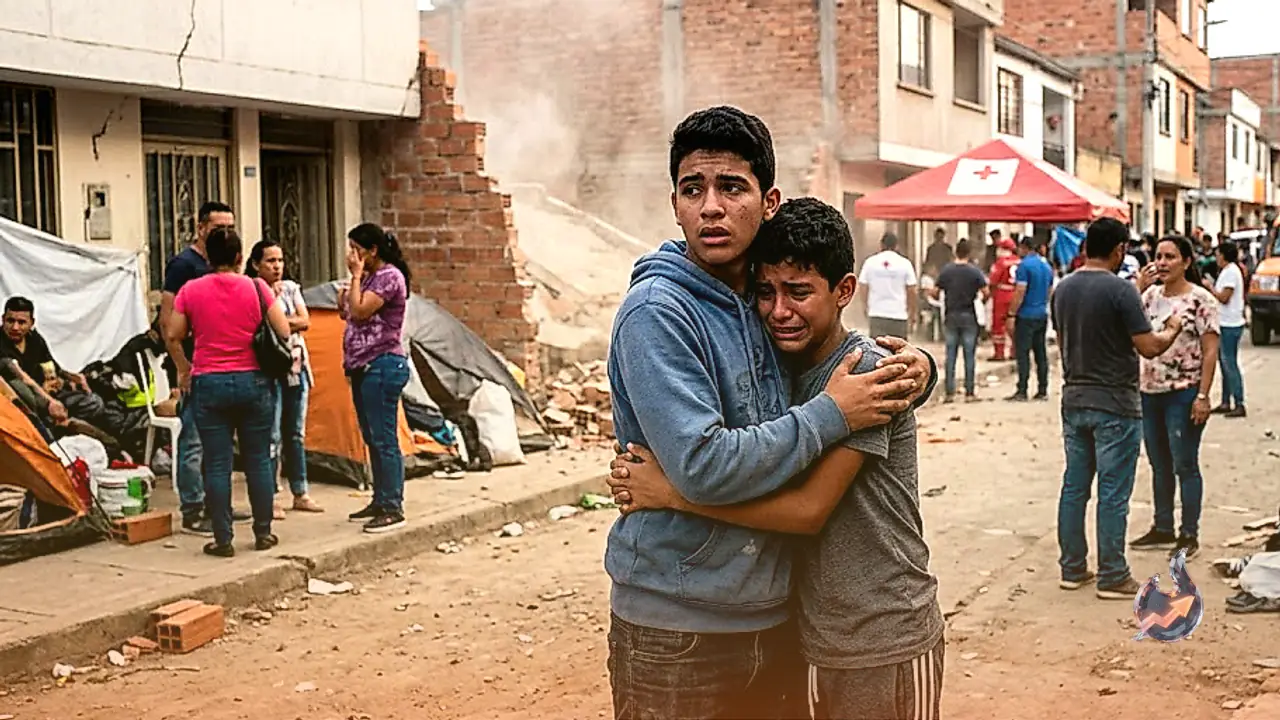




















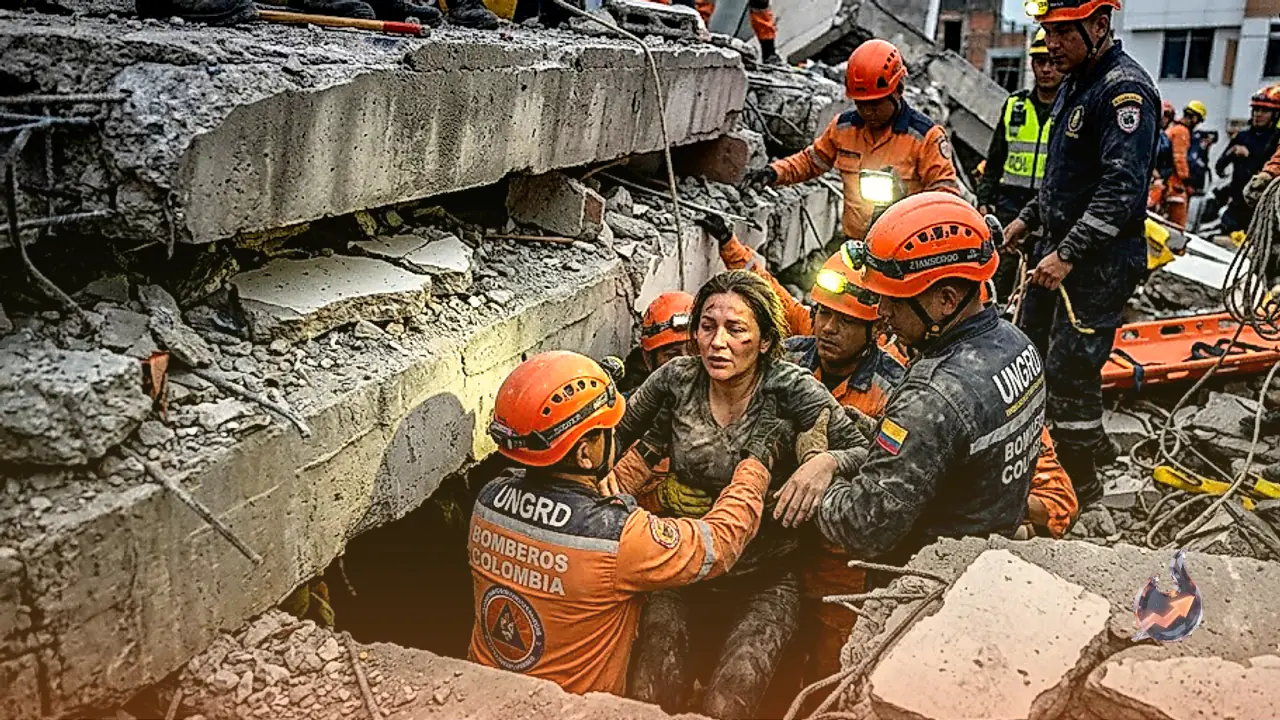

Thirty-six hours after a devastating 7.4-magnitude earthquake battered western Colombia, emergency responders achieved a remarkable breakthrough by pulling a 32-year-old woman alive from the structural ruins of a collapsed building in Pereira. The high-stakes extraction followed an agonizing 10-hour effort by specialized rescue units who navigated precarious structural shifts to reach her. Amid widespread devastation across the region, her survival has provided a vital flicker of optimism for emergency teams working around the clock under hazardous conditions.
A Complex 10-Hour Tunneling Strategy Beneath Heavy Slabs
The survivor, Daniela Largo, had been trapped beneath four massive concrete slabs that caved in during the powerful tremor. Her location was initially detected when a observant neighborhood resident heard muffled cries for help echoing from beneath the rubble. Upon arriving at the disaster site, emergency personnel lowered a miniature inspection camera through structural crevices, successfully establishing visual contact and confirming that Largo was conscious.
Extricating Largo presented immense engineering challenges due to the tons of unstable concrete positioned directly above her. To execute a safe rescue without triggering a catastrophic secondary collapse, local firefighters from Pereira collaborated with specialized units dispatched from the national capital, Bogotá, alongside the disaster response force of the national police. Together, they formulated a dual-tunneling plan. Rescuers first dug a vertical shaft from above to deliver a steady supply of oxygen directly to Largo. Concurrently, a second horizontal tunnel was excavated from below, allowing technicians to carefully maneuver under the slabs, secure Largo in protective wrapping, and carry her out to waiting medical personnel.
Family Rebellions of Hope and Presidential Recognition
News of Largo's survival brought profound relief to her family after a day and a half of agonizing uncertainty. Speaking after the extraction, her mother shared that Largo's 12-year-old son was waiting at home, eagerly anticipating his mother's return. Given the duration of her entrapment and the volume of heavy debris above her, medical and rescue specialists characterized her survival as an extraordinary outcome.
Colombian President Abelardo de la Espriella publicly acknowledged the successful rescue operation on social media, describing the event as news that fills the entire nation with hope. He emphasized that such successful interventions underscore the vital importance of persistent rescue efforts during the critical post-disaster window, boosting morale across affected communities and search teams alike.
Rising Casualty Toll and Damage Across the Coffee Region
The city of Pereira, located in Colombia's primary coffee-growing region, sustained severe structural devastation from the seismic event. According to official statistical updates provided by the Association of Colombian Capital Cities (Asocapitales), at least 79 people have been confirmed dead in Pereira. This makes it the second hardest-hit municipality in the country following the initial shock.
Asocapitales reported that no fewer than 92 buildings experienced complete structural collapse across Pereira. Municipal records indicate that 15 individuals remain confirmed trapped inside ruined structures, while an additional 37 residents are officially reported missing. Heavy machinery and search dog units continue to clear priority zones across the urban center.
Emergency Curfew and Military Patrols Implemented in Cali
The heaviest casualties occurred in Cali, Colombia's third most populous city, where the confirmed death toll reached 95. Municipal monitoring reported that as of 16:00 local time on Tuesday, more than 200 people remained trapped inside collapsed commercial and residential units. In response to potential security concerns and logistical bottlenecks, the Mayor of Cali enacted an immediate night-time curfew across the city.
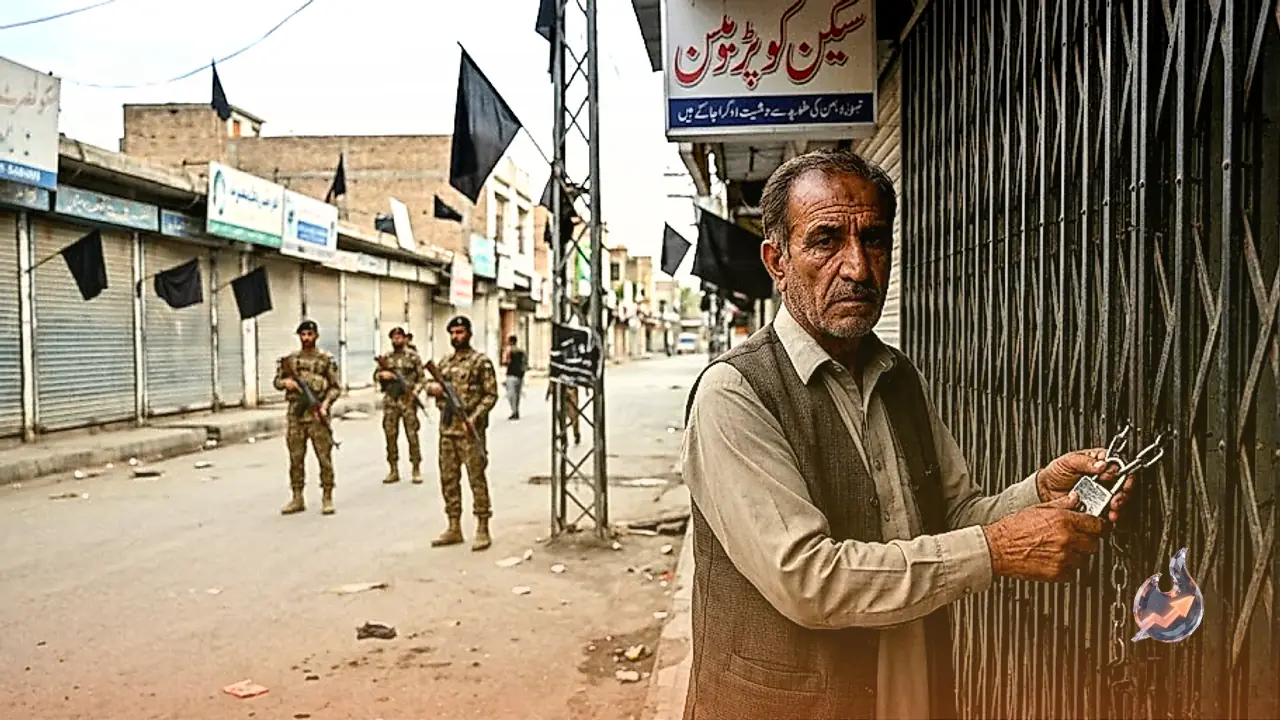
Armed soldiers have been deployed to conduct continuous street patrols through the most impacted sectors of Cali to secure disaster perimeters and protect abandoned property. City officials emphasized that maintaining public order is essential to ensuring rescue crews can operate safely and without interruption. Authorities noted that 87 individuals have been successfully rescued from fallen buildings in Cali since search operations commenced, with search teams maintaining full operational status.
Seismic Parameters, Epicenter, and Ongoing Aftershocks
The magnitude 7.4 earthquake struck the region at 07:34 local time (12:34 GMT) on Monday. Seismological data fixed the epicenter near the rural settlement of San José del Palmar within Chocó province, though destructive ground motion radiated across vast swathes of western Colombia. Monitoring stations located closest to the epicenter registered sustained shaking lasting between 90 seconds and two minutes.
In the period following the main shock, seismologists have recorded more than 100 aftershocks, creating ongoing instability and complicating search initiatives. Across western Colombia, the overall official casualty count stands at minimum 188 deaths, with hundreds of individuals still unaccounted for as emergency teams continue sweeping structural debris.